
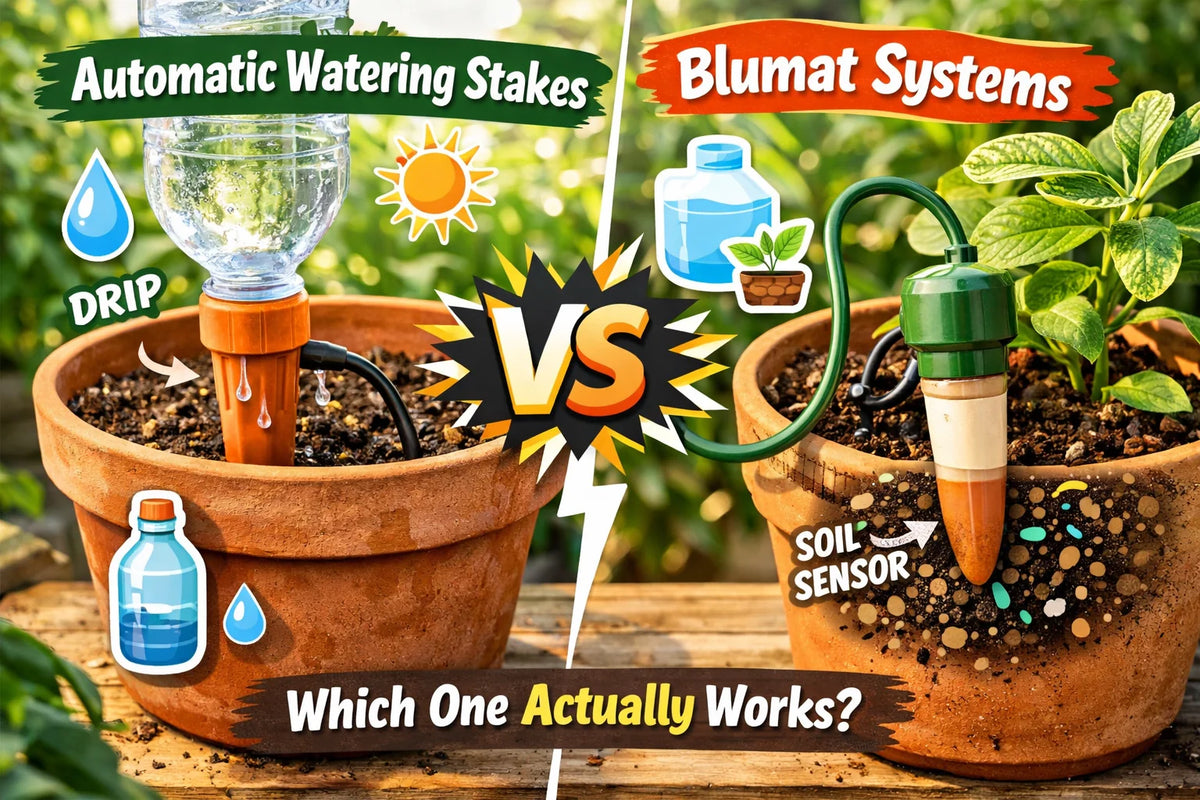
You've been there. You're about to leave for a long weekend: or worse, a two-week vacation: and you're staring at your thriving indoor garden wondering if it'll survive without you. Or maybe you're just tired of the daily watering routine and want something that handles the job while you focus on other things.
Automatic watering stakes sound like the perfect solution. But here's the thing: not all automatic watering systems are created equal. Standard watering stakes (those terracotta or glass globe ones you see everywhere) work in theory, but they come with limitations. Meanwhile, Blumat irrigation systems offer a more sophisticated approach: at a higher price point.
So which one actually works? Let's break it down.
What Are Automatic Watering Stakes?
Automatic watering stakes are simple devices designed to deliver water to your plants gradually over time. The most common types include:
Terracotta stakes – Porous ceramic cones that you fill with water or connect to a bottle. Water seeps through the terracotta slowly as the soil dries out.
Glass watering globes – Decorative bulbs with a long glass stem. You fill the bulb and insert the stem into the soil. Water releases gradually through gravity.
Plastic spike systems – Adapters that screw onto water bottles, converting them into makeshift drip irrigators.
The appeal is obvious. They're cheap (usually under $15-20 for a set), require minimal setup, and theoretically keep your plants hydrated while you're away. The problem? Consistency. Terracotta stakes can clog with mineral deposits. Glass globes empty too quickly or too slowly depending on soil density. Plastic spikes are prone to tipping over or draining the entire bottle in one go.
For occasional use: like a weekend trip: these stakes can keep plants alive. For daily, long-term watering automation? The results are hit or miss.

What Makes Blumat Systems Different?
Blumat systems work on a similar principle: capillary action through porous ceramic: but with far more precision and control. Here's how they're built differently:
The system uses ceramic sensors (the "Blumat cones") connected to food-grade silicone tubing that runs to a water reservoir. Unlike basic terracotta stakes, these sensors are calibrated to detect soil moisture levels and release water only when the soil reaches a specific dryness threshold.

The key difference is active regulation. Standard watering stakes release water passively: there's no feedback mechanism. If your soil is already saturated, they keep dripping. If it dries out faster than expected, they can't compensate.
Blumat sensors adjust their flow based on soil tension. When soil is moist, the ceramic cone swells slightly and restricts water flow. As soil dries, the cone contracts, opening the valve and allowing water to flow. It's a self-regulating system that responds to your plants' actual needs.
The Real-World Performance Comparison
Let's talk about what actually happens when you use each system.
Standard automatic watering stakes work decently for:
- Short absences (3-7 days)
- Small to medium indoor plants
- Low-maintenance plants that tolerate fluctuating moisture
- Gardeners on a tight budget
Where they struggle:
- Outdoor environments with variable conditions
- Large containers that need substantial water volume
- Plants sensitive to overwatering or underwatering
- Long-term daily use (they require frequent refilling and cleaning)
Customer feedback on basic terracotta stakes shows a pattern: they're helpful for vacation coverage, but not reliable enough for ongoing automation. The main complaints involve clogging, inconsistent flow rates, and the hassle of constantly refilling individual stakes.
Blumat systems excel at:
- Consistent, long-term automated watering
- Indoor gardens with multiple plants
- Integration with fabric pots or raised beds
- Plants requiring precise moisture levels
Where Blumat has limitations:
- Initial setup takes 15-20 minutes per system
- Higher upfront cost ($30-50+ depending on configuration)
- Mixed results outdoors (temperature fluctuations can affect sensor accuracy)
- Requires a dedicated water reservoir
Reports from growers using Blumat systems consistently mention plants thriving for weeks without manual intervention. The system maintains that sweet spot: soil that's moist but not soggy, with enough oxygen reaching the roots.
Setup and Maintenance: What You're Actually Signing Up For
Basic watering stakes are plug-and-play. Fill the stake or attach a water bottle, push it into the soil, and you're done. Maintenance involves refilling water and occasionally scrubbing mineral buildup off the ceramic. Total time investment: 2-3 minutes per stake.
The downside? You're still tied to a schedule. Those stakes need refilling every 3-7 days depending on plant size and environmental conditions.
Blumat systems require more initial effort but less ongoing maintenance. Setup involves:
- Positioning ceramic sensors in each pot
- Running tubing from sensors to a central reservoir
- Priming the system (removing air bubbles from the lines)
- Adjusting flow settings for each sensor
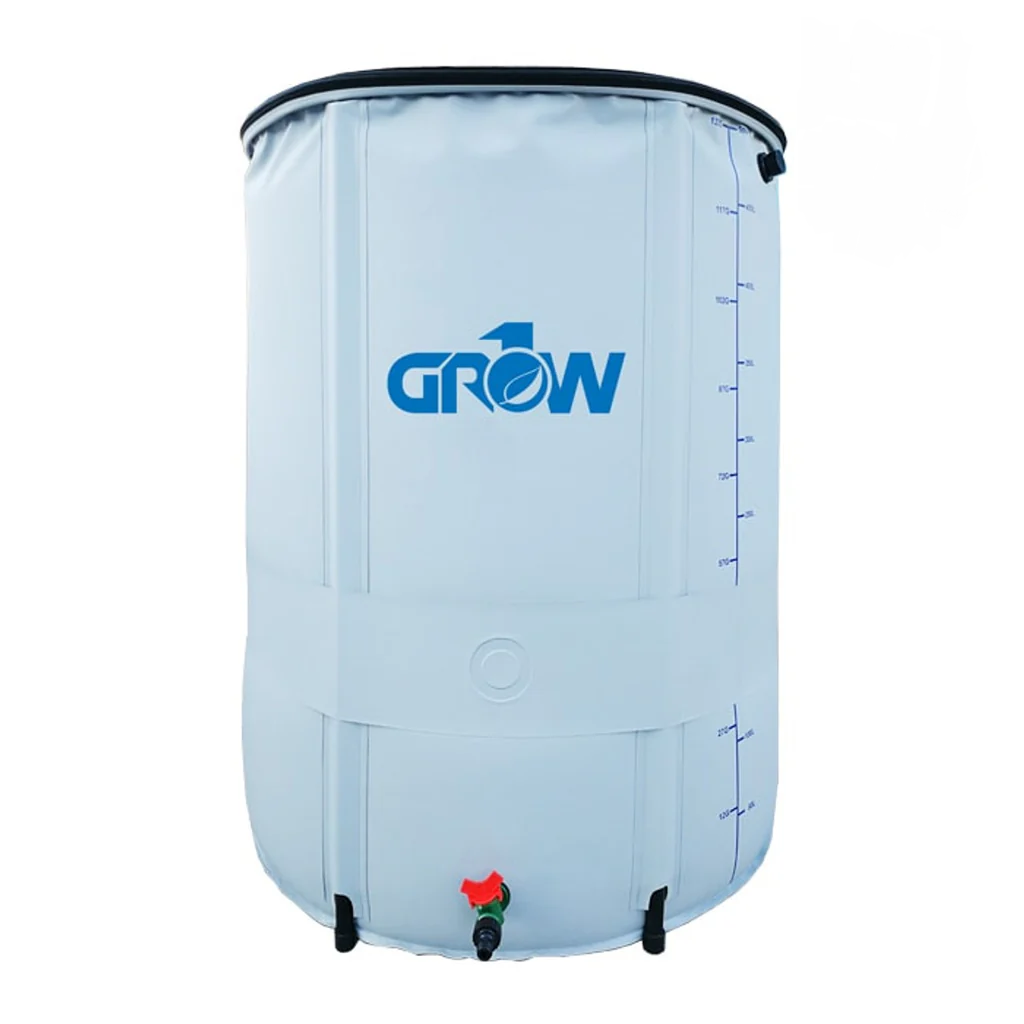
Once dialed in, a properly configured Blumat system can run for weeks with minimal intervention. You only need to refill the reservoir: depending on reservoir size and plant count, that might be once a week or even less frequently.
The catch is that "dialed in" part. Blumat sensors need calibration. Too loose and they'll overwater. Too tight and plants get thirsty. It takes some trial and error to find the right tension setting for your specific soil mix and plant type.
Cost Breakdown: Is Precision Worth the Price?
Let's put some real numbers on this.
Budget Option – Standard Watering Stakes:
- $12-20 for a 4-pack of terracotta stakes
- $15-25 for decorative glass globes
- Suitable for 4-6 small to medium plants
Total investment: $15-25
Lifespan: 1-3 years (terracotta can deteriorate)
Precision Option – Blumat System:
- Basic kit with tubing and sensors: $30-50
- Additional sensors: $8-12 each
- Reservoir (if you don't already have one): $20-40
Total investment: $50-100+ depending on plant count
Lifespan: 5+ years with proper care
Here's the reality check: if you're watering 2-3 houseplants and only need backup during occasional trips, spending $50+ on Blumat might be overkill. Basic stakes will do the job.
But if you're running a serious indoor garden with a dozen plants, constantly adjusting watering schedules, or growing plants with specific moisture requirements? The Blumat system pays for itself in saved time and improved plant health. We're talking about 10-15 minutes per week saved on watering routines: that adds up to 8-12 hours per year.

When Basic Stakes Actually Make Sense
Don't let anyone tell you basic watering stakes are useless. They have legitimate use cases:
You're testing automation – Not sure if automated watering fits your routine? Start with a $15 set of terracotta stakes. If you like the concept but want more reliability, upgrade to Blumat later.
You have inconsistent plant placement – Moving pots around frequently? Stakes that work independently are easier to manage than tubing-based systems.
You're watering outdoor container plants – Outdoor conditions are unpredictable. Both systems struggle, but basic stakes are less of a financial risk if they underperform.
You want minimal commitment – No setup, no calibration, no learning curve. Just push it in the soil and forget about it (for a few days, anyway).
When Blumat Is the Right Call
Blumat systems shine in these scenarios:
You're growing high-value plants – Whether it's rare houseplants, medicinal herbs, or specialty vegetables, consistent watering directly impacts plant health and yield. The precision is worth it.
You travel frequently – Two-week business trips? Month-long vacations? A properly set up Blumat system handles it. We've seen setups run for 4+ weeks without intervention.
You're scaling up – Managing 10+ pots with individual watering stakes becomes tedious fast. A centralized Blumat system with a single reservoir is far more efficient.
You care about water conservation – Blumat sensors deliver exactly what plants need: no more, no less. That means less water waste compared to the inconsistent delivery of basic stakes.
The Bottom Line: Match the Tool to the Job
Here's the honest assessment: automatic watering stakes work, but they're a temporary solution for basic needs. They'll keep your plants alive during a vacation, but they won't optimize your watering routine.
Blumat systems require more upfront investment and setup time, but they deliver the precision and reliability that serious indoor gardeners need. If you're committed to growing healthy plants with minimal daily intervention, the Blumat system is the better long-term choice.
Think of it like this: watering stakes are like setting multiple alarms on your phone. They'll probably wake you up, but there's no guarantee. Blumat is like a smart alarm system that adjusts to your sleep patterns automatically.
For most indoor gardeners looking to automate watering seriously, we recommend starting with a basic Blumat kit for 4-6 plants. Test it in a controlled environment before expanding to your full garden. Once you dial in the settings, you'll wonder how you ever managed without it.
Ready to upgrade your watering game? Check out our hydroponics collection for Blumat systems and other precision growing tools that take the guesswork out of plant care.



Leave a comment
This site is protected by hCaptcha and the hCaptcha Privacy Policy and Terms of Service apply.