
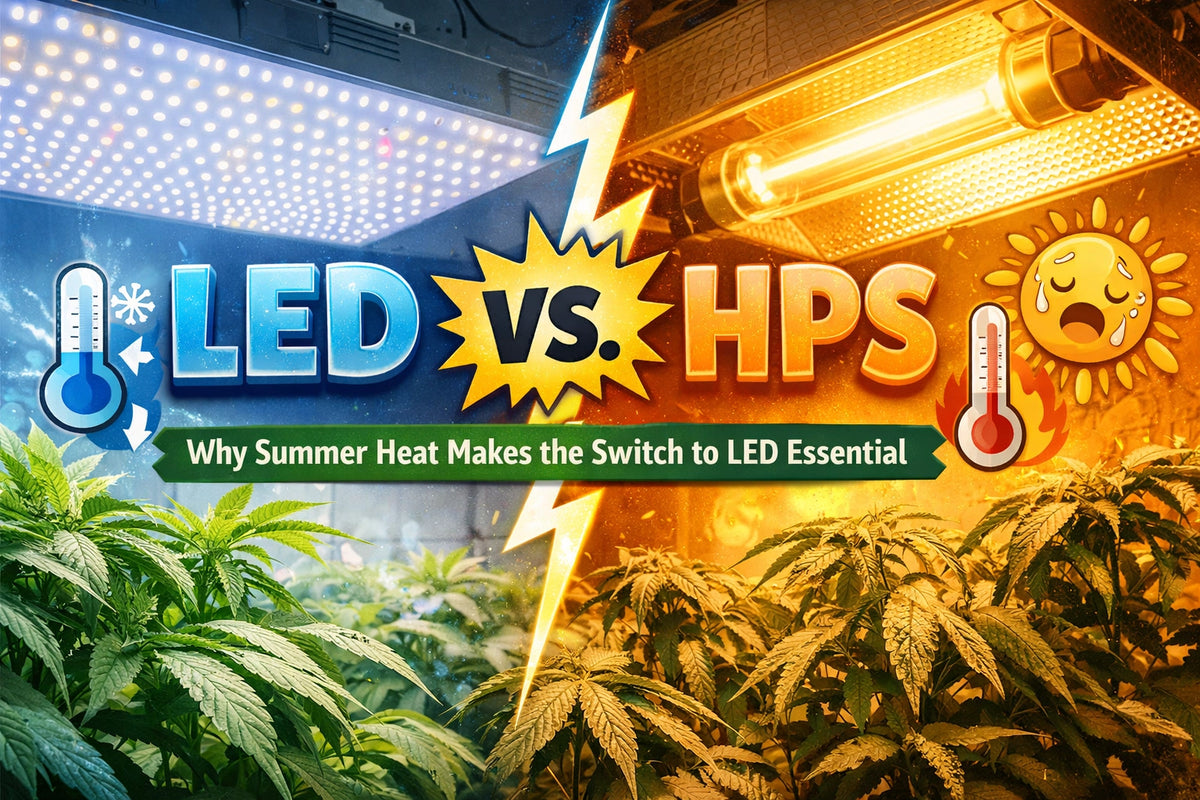
Hey growers, Mark here from Perfect Gardens. We are officially in May, and if you’ve been doing this for a while, you know what’s coming. The "honeymoon phase" of spring gardening is starting to lean into the reality of the summer heat. While the outdoor plants are loving the extra sun, your indoor grow room is likely starting to feel like a sauna, especially if you’re still running High-Pressure Sodium (HPS) lights.
The conversation around LED vs. HPS has been going on for years, but when we hit this seasonal transition, it’s not just about energy efficiency or "new tech" anymore. It’s about survival. High heat is the number one killer of indoor yields during the summer months. Today, I want to break down exactly why making the switch to LED is essential for your summer grow and how it changes the game for your plant health, your electricity bill, and your sanity.
The Science of the "Space Heater" (HPS)
If you’ve ever touched an HPS hood after it’s been running for four hours, you know it’s basically a space heater that happens to give off some light. Technically speaking, HPS lights are incredibly inefficient at converting electricity into usable light for your plants.
Research shows that HPS systems waste about 65% of their energy as heat. Only about 30–35% actually becomes light that your plants can use for photosynthesis. In contrast, modern LEDs convert 50–60% of their energy into light. That’s a massive difference in "thermal waste."
But it’s not just the ambient air temperature you have to worry about. HPS bulbs emit infrared radiation (radiant heat) that hits the leaf surface directly. This can cause the internal temperature of the leaf to skyrocket even if your room's air temperature feels "okay." When the leaf gets too hot, the plant enters survival mode, closing its stomata to conserve water. This stops growth in its tracks.
Managing the "VPD" Nightmare
In the indoor gardening world, we talk a lot about Vapor Pressure Deficit (VPD). To keep it simple: VPD is the relationship between temperature and humidity that determines how much your plants can "breathe" or transpire.
When you run HPS in May and June, the heat pushes your VPD into the danger zone. High heat lowers the relative humidity’s effectiveness, making the air "thirstier." If it gets too hot, your plants can't pull up water fast enough to keep up with the evaporation at the leaf surface. This leads to:
- Wilting: Even if the soil is wet, the plant can't move water fast enough.
- Nutrient Burn: As the plant chugs water to stay cool, it takes in too many nutrients at once.
- Foxtailing: Heat stress in the bloom phase causes buds to grow weird, airy towers instead of dense nuggets.
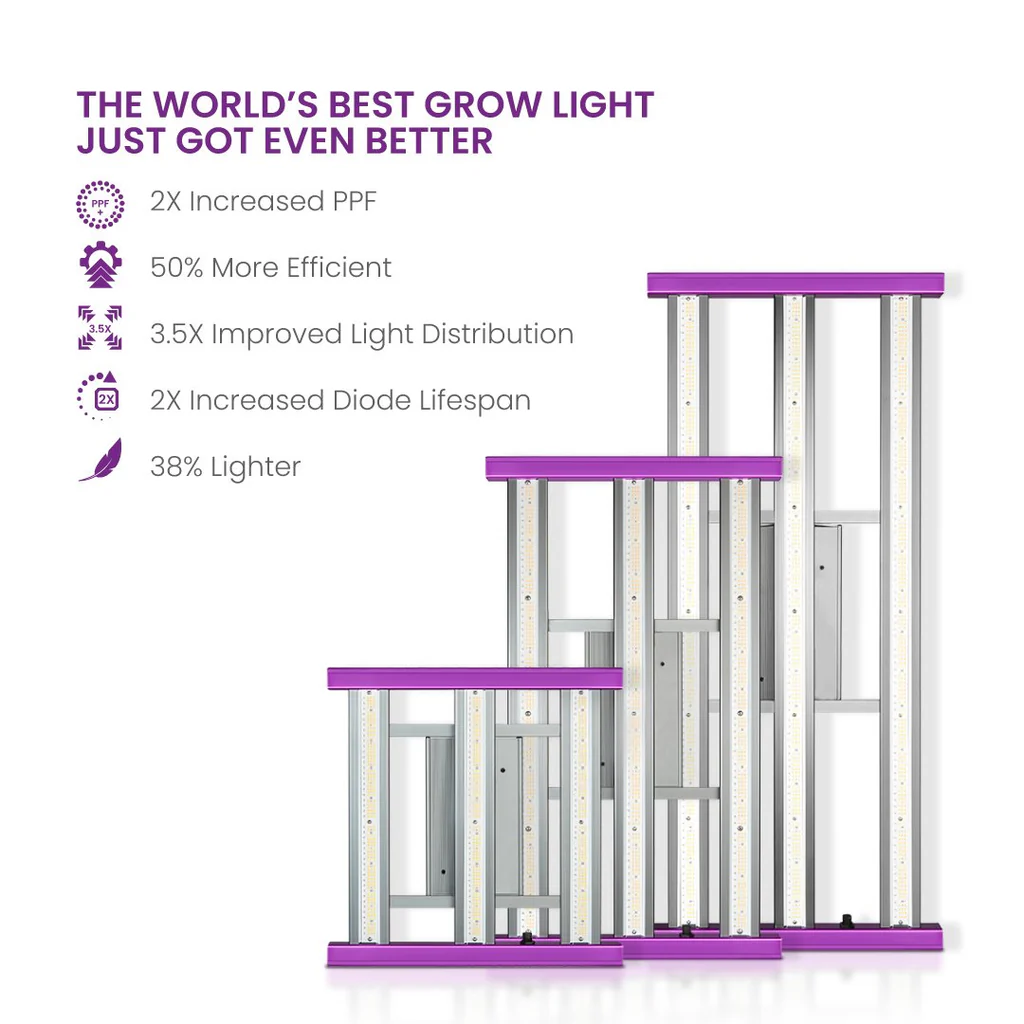
By switching to a light like the Kind LED X330, you remove that intense radiant heat. This allows you to maintain a much more stable VPD, ensuring your plants stay in that "Goldilocks" zone where they are constantly eating and growing.
Vertical Space and Installation Perks
One of the biggest headaches with HPS during the summer transition is the hanging height. Because HPS bulbs are so hot, you usually have to keep them at least 24 to 30 inches away from the canopy to avoid "light burn" or heat bleaching.
In a standard grow tent, those 30 inches are precious. If your plants stretch during the first few weeks of May, you suddenly find yourself with nowhere to move the light. You end up having to dim the light (which messes with your spectrum) or risk frying your top colas.
LEDs are a different beast. Because they dissipate heat upwards through heat sinks rather than projecting it down onto the plants, you can often get them as close as 10 to 12 inches from the canopy without stressing the plants. This gives you more vertical room to play with and allows for a much more intense light "footprint" without the burn risk.

The Efficiency Equation: Cooling vs. Lighting
A lot of guys hesitate to buy LEDs because the upfront cost is higher than an old-school magnetic ballast and HPS bulb. But the math changes fast when the summer hits.
Think about it this way: for every watt of HPS light you put in your room, you’re spending extra money on electricity to remove the heat that light generates. You’re paying for the light, and then you’re paying the AC or the high-powered exhaust fans to fight that light.
Case studies have shown that switching to LED can reduce your total energy consumption by up to 44%. That’s a combination of the light itself using less power and your cooling system not having to work nearly as hard. If you’re running a larger setup, like a BubbleFlow Bucket 6-site system, keeping those reservoir temperatures cool is vital. If your room is hot because of HPS lights, your water gets hot, oxygen levels drop, and root rot sets in. LEDs help keep the whole ecosystem: including your water: at a safer temperature.
Spectrum Control and Bloom Quality
May is usually when we are transitioning plants into the bloom phase to get a harvest before the "dog days" of August. HPS is notoriously heavy in the orange/red spectrum, which is great for flowering but can lead to a lot of "stretch" (long, lanky stems).
Modern LEDs, like the Spectrum-Y Wireless LED Grow Light, offer a full-spectrum output that mimics natural sunlight much more closely. They often include UV and IR diodes which help with resin production and terpene development. In the summer, when plants are already stressed by ambient temperatures, giving them a "cleaner" light spectrum helps them maintain their immune systems.

Fighting Heat Stress with Microbes
Even with LEDs, a warm May can still lead to higher-than-ideal temperatures in your grow tent. While the light switch is the most important hardware change, you should also look at your "software": your nutrients and microbes.
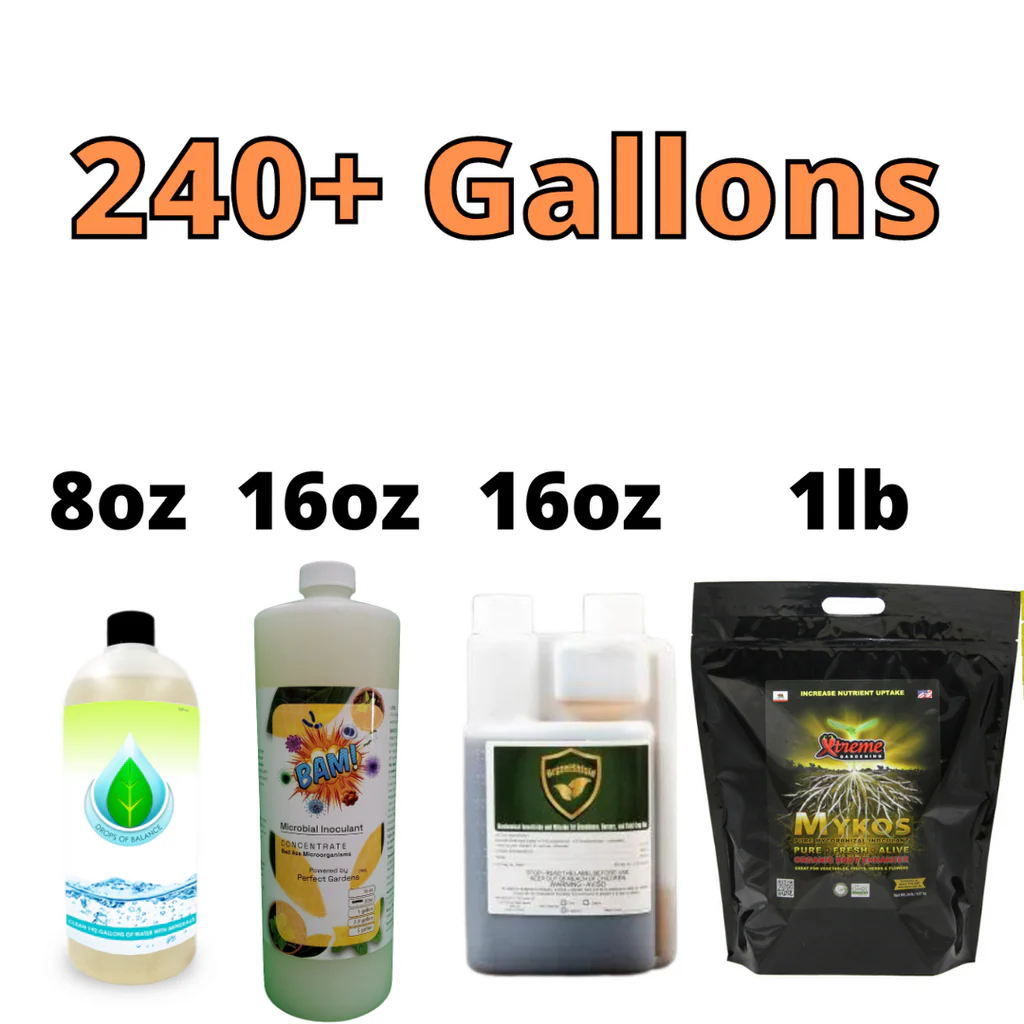
When roots get warm, they become susceptible to Pythium (root rot). This is the "caution" part of the blog: if you don't manage your root zone during the heat transition, it doesn't matter what light you use. I always recommend beefing up your microbial colony during this time. Using something like Xtreme Gardening Azos or a solid microbial kit helps protect the roots from the stressors that come with the rising May temperatures.
How to Make the Switch Without Shocking Your Plants
If you decide to pull the trigger and swap your HPS for an LED this week, don't just hang the new light and blast it at 100%. Even though LEDs are cooler, they are often much more "electrically" intense (higher PAR levels).
- Use a Timer: Ensure your schedule stays consistent. We recommend a Mechanical Timer to keep things simple and reliable.
- Dim It Down: Most high-quality LEDs, like the Kind LED X420, come with a dimmer. Start at 50-60% power for the first few days.
- Watch the Foliage: Look for "praying" leaves (pointing up). If they start to turn yellow or the edges curl up, you’re either too close or too bright.
- Check Your Water: Plants under LED often need less water than under HPS because they aren't transpiring like crazy to stay cool. However, they might need a bit more Calcium and Magnesium (Cal-Mag), as LEDs trigger more metabolic activity in the plant.
The "Memorial Day" Goal
With Memorial Day travel coming up at the end of the month, the last thing you want is a grow room that’s on the verge of a heat meltdown while you’re trying to enjoy a BBQ. Switching to LED now gives you a few weeks to dial in your environment and ensure your plants are stable.
If you're worried about keeping things watered while you're away, check out our Blumat collections. Combining a cool-running LED with an automated watering system is the ultimate "peace of mind" setup for the summer gardener.
Is It Worth It?
The fact of the matter is that HPS is becoming a "winter-only" tool for many professional and hobbyist growers. It’s great when you need the extra heat to keep a garage grow tent warm in February. But in May? It’s a liability.
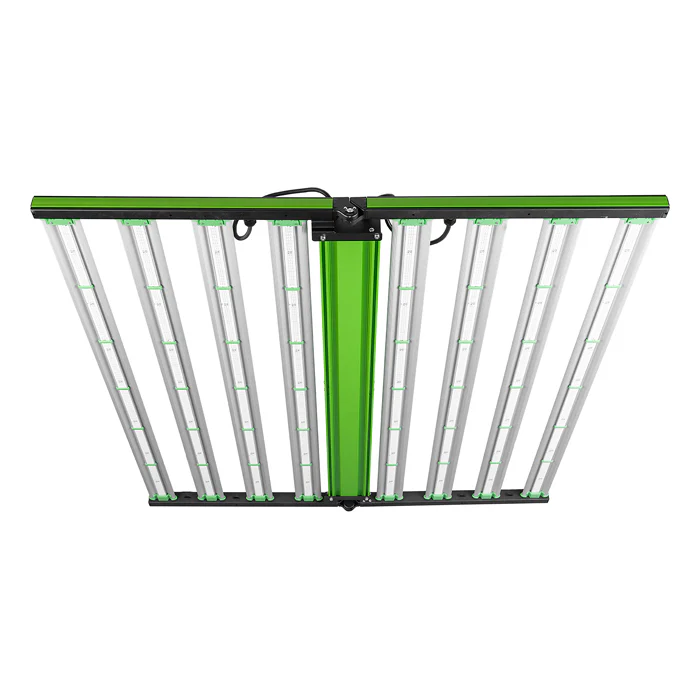
The switch to LED is an investment in your plant's health and your own efficiency. You’ll see better colors, tighter nodes, and a much lower cooling bill. Plus, you won't have to replace bulbs every two harvests like you do with HPS.
If you aren't sure which LED is right for your specific space: whether you're in a 2x2 tent or a massive warehouse: don't guess. We offer 30-minute grow room consultations to help you spec out the perfect light for your environment.
Keep it cool, keep it green, and let's get through this summer with our best yields yet!


Leave a comment
This site is protected by hCaptcha and the hCaptcha Privacy Policy and Terms of Service apply.