
As we move through 2026, the landscape for indoor cultivation has shifted significantly. The era of debating whether LEDs can outperform traditional HPS (High-Pressure Sodium) lamps is officially behind us. Today, the conversation among serious growers focuses on efficiency, spectral precision, and heat management. The technology in grow lights has reached a point where we aren't just looking for brightness; we are looking for the specific wavelengths that drive terpene production and resin density.
At Perfect Gardens, we’ve spent the last year testing the latest iterations of the industry's most popular fixtures. If you are looking to upgrade your canopy or start a new project, understanding the nuances between the top contenders is essential. In this comparison, we are taking a deep dive into two of the most requested brands in our catalog: KIND LED and MEDIC GROW, while looking at how they stack up against the broader market trends of 2026.
The Evolution of PPE and Spectrum in 2026
Before we look at specific models, it’s important to understand what makes a 2026 grow light different from one made just three or four years ago. The industry standard for Photosynthetic Photon Efficiency (PPE) has climbed. While 2.1 to 2.3 µmol/j used to be the gold standard, the top-tier fixtures of 2026 are regularly hitting 2.8 to 3.2 µmol/j. This means you are getting significantly more light for every watt of electricity pulled from the wall.
Furthermore, "Full Spectrum" has been redefined. It is no longer enough to have a mix of white and red diodes. Modern grow lights now integrate dedicated UV (Ultraviolet) and IR (Infrared) channels. These additions are designed to mimic the sun's natural shift throughout the day, triggering the plant’s defense mechanisms to produce more essential oils and stronger stalks.
KIND LED: The Precision Heavyweight
KIND LED has long been a staple in the high-end market, known for their research-backed spectral outputs. In 2026, their latest series has set a high bar for build quality and light distribution.
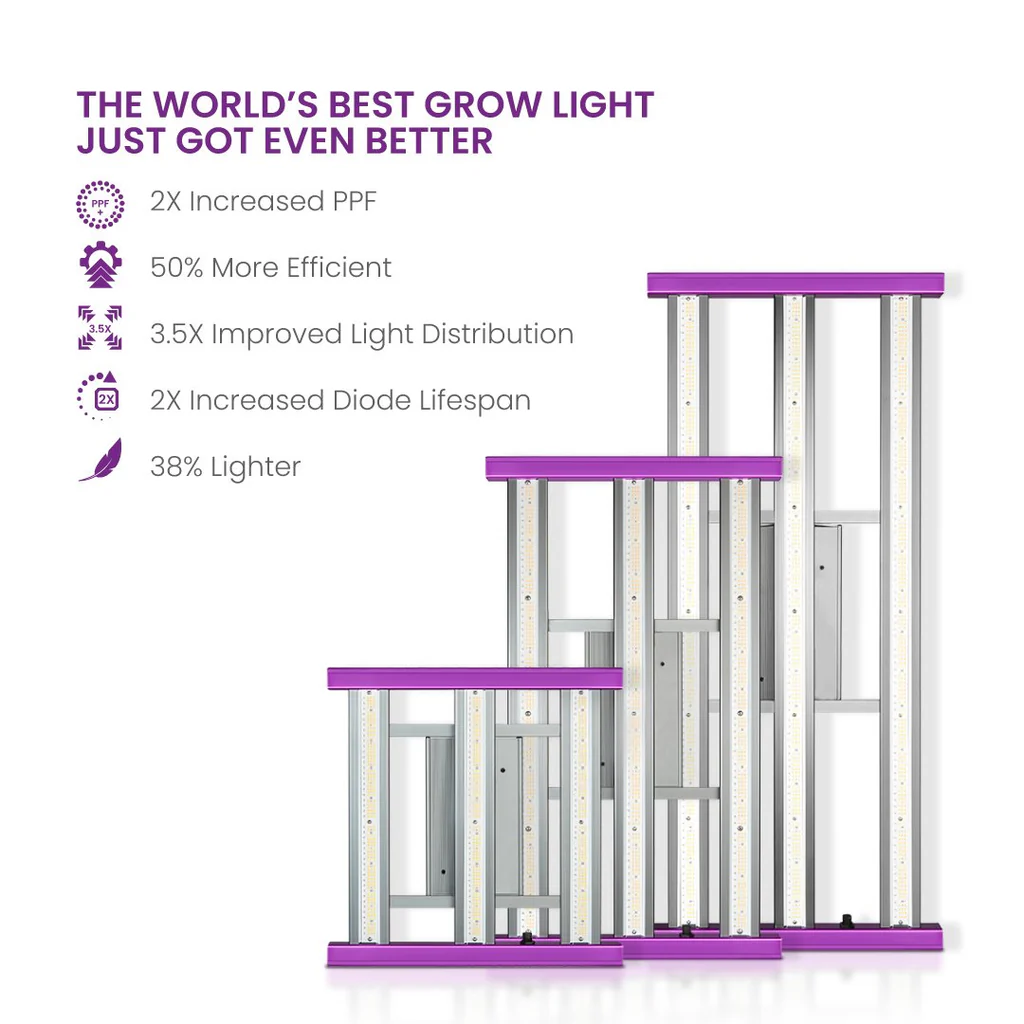
The current generation of KIND LED grow lights represents a massive leap forward. One of the most notable improvements is the light distribution. Historically, LED fixtures suffered from "hot spots": intense light in the center with a rapid drop-off at the edges. KIND has addressed this with a 3.5X improvement in light distribution, ensuring that the plants in the corners of your grow tent receive almost as much energy as those directly under the center.
Key Features of the 2026 KIND Lineup:
- Efficiency Boost: They have achieved a 50% increase in efficiency over their previous generations, which translates directly to lower cooling costs and lower power bills.
- PPF Output: A 2X increase in Photosynthetic Photon Flux (PPF) means these lights can penetrate deeper into the canopy, resulting in denser lower buds.
- Weight Reduction: These fixtures are roughly 38% lighter than older models. This might seem like a minor detail until you are trying to hang a massive fixture by yourself in a confined space.
- Diode Longevity: With a 2X longer diode lifespan, these are designed to be "forever lights" for the hobbyist and long-term investments for the commercial grower.
Medic Grow: Versatility and Power
While KIND LED focuses on surgical precision, Medic Grow has dominated the 2026 market by offering incredible power and versatility, specifically with their Spectrum series. The Spectrum-Y has become a favorite for those running larger 4x4 or 5x5 footprints.

The Spectrum-Y Wireless LED is a powerhouse, pulling 880W and offering features that were previously only available in much more expensive commercial units. The fact of the matter is that many growers are moving toward wireless control systems to manage multiple tents or large rooms from a single interface, and Medic Grow has integrated this seamlessly.
Why Growers are Choosing Medic Grow:
- Tunable Spectrum: The ability to adjust the UV and IR output independently allows growers to "harden" their plants during the late flowering stage.
- Foldable Design: The bar-style design isn't just for looks; it allows for superior heat dissipation compared to "board" style lights.
- High PPFD: For those using CO2 supplementation, the Spectrum-Y provides the high light intensity (often exceeding 1000 µmol/m²/s) necessary to take advantage of those higher CO2 levels.
Comparing the Giants: KIND LED vs. Medic Grow
When choosing between these two, it often comes down to your specific goals and environment. KIND LED is often preferred by those who want a "set it and forget it" system with a spectrum that is perfectly balanced for the entire life cycle of the plant. Their focus on light uniformity makes them excellent for growers who want a perfectly even canopy without having to rotate plants constantly.
Medic Grow, on the other hand, appeals to the "power user." If you like to tinker with settings and you need the maximum possible wattage for a large area, the Spectrum-Y is hard to beat. It’s a commercial-grade fixture that has been scaled for home use.
Market Trends: What Else is New in 2026?
Beyond KIND and Medic Grow, several other players have made waves this year. According to recent industry research, Gorilla Grow Light’s Xi Series has been recognized as a top solution for cannabis-specific grows, particularly due to their tri-channel spectrum control.
We’ve also seen a rise in the use of controllers that sync your lighting with your ventilation. Brands like AC Infinity have popularized the "ecosystem" approach, where your grow lights respond to the temperature and humidity levels inside the tent.

If you are using a high-intensity light like the Medic Grow 880W, a high-quality tent is non-negotiable. The 2000D canvas found in top-tier grow tents is essential for containing that light and managing the environment.
Common Pitfalls to Avoid
Even with the best grow lights on the market, things can go wrong if you don't account for the increased power of 2026 tech.
- Light Burn: Because modern LEDs are so efficient, it is very easy to bleach your top colas. Always follow the manufacturer’s recommended hanging heights, especially during the seedling and early veg stages.
- Nutrient Demands: More light equals faster metabolism. If you upgrade your lights but keep your nutrient schedule the same, you will likely see deficiencies. Check out our nutrient packages to ensure your plants can keep up with their new lighting.
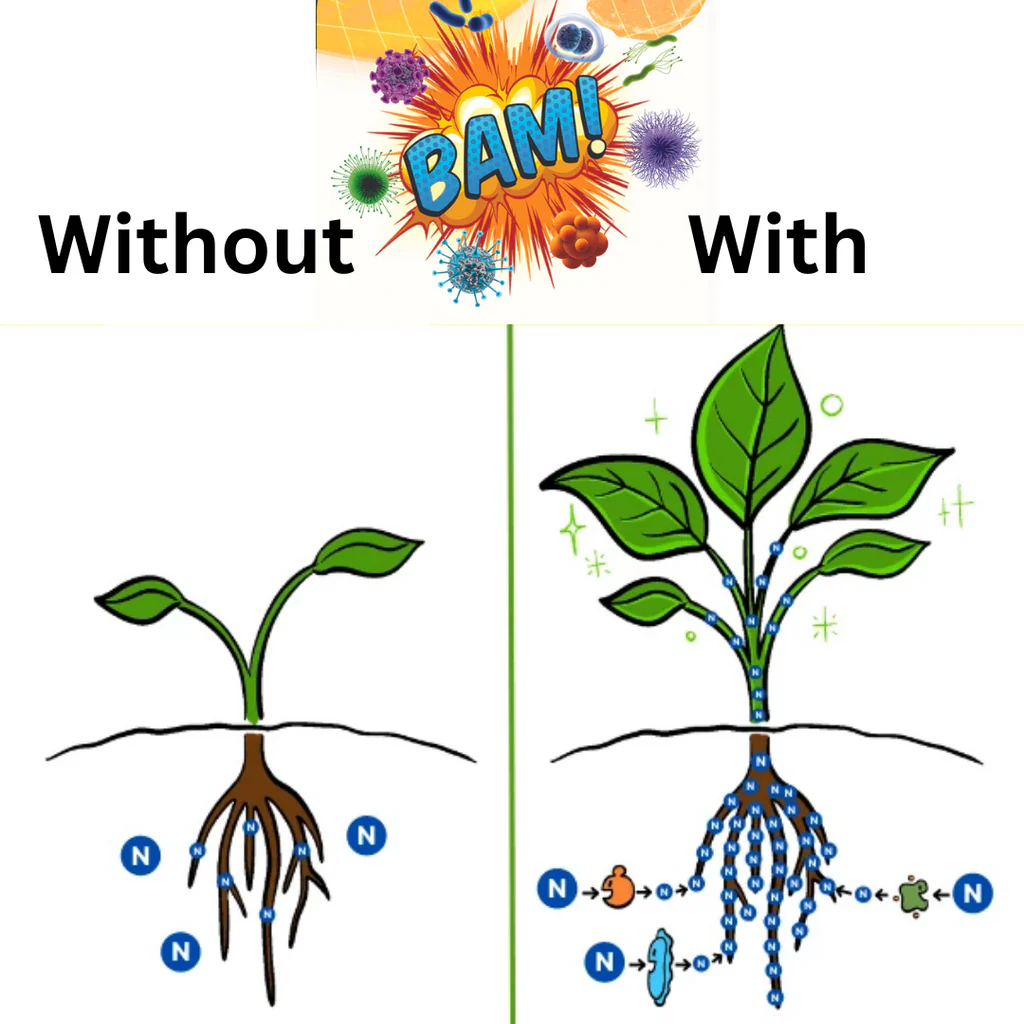
- Heat in the Root Zone: While LEDs run cooler than HPS, an 800W+ LED still generates heat. If your tent gets too warm, your root zone can suffer. We often recommend using beneficial microbes to help protect roots from heat stress and pathogens.
Final Thoughts: Which One Should You Buy?
Choosing the right grow lights in 2026 depends on your level of experience and your space.
- Choose KIND LED if: You value precision, light uniformity, and a lightweight fixture that is easy to manage. It’s the "Goldilocks" of grow lights: everything is just right for a high-quality harvest.
- Choose Medic Grow if: You want raw power, wireless control, and the ability to manually tune your spectrum for specific growth phases. It is the workhorse of the 2026 LED market.
The fact of the matter is that both brands represent the pinnacle of current hydroponic technology. Whether you are focused on propagation or looking to max out your yields in a full-scale hydroponic system, investing in quality lighting is the single most important decision you will make for your indoor garden.
If you’re still unsure which fixture fits your specific tent size or budget, feel free to browse our full LED collection or reach out to our team for a personalized recommendation. The tech is moving fast, but we’re here to make sure you don't get left in the dark.



Leave a comment
This site is protected by hCaptcha and the hCaptcha Privacy Policy and Terms of Service apply.