
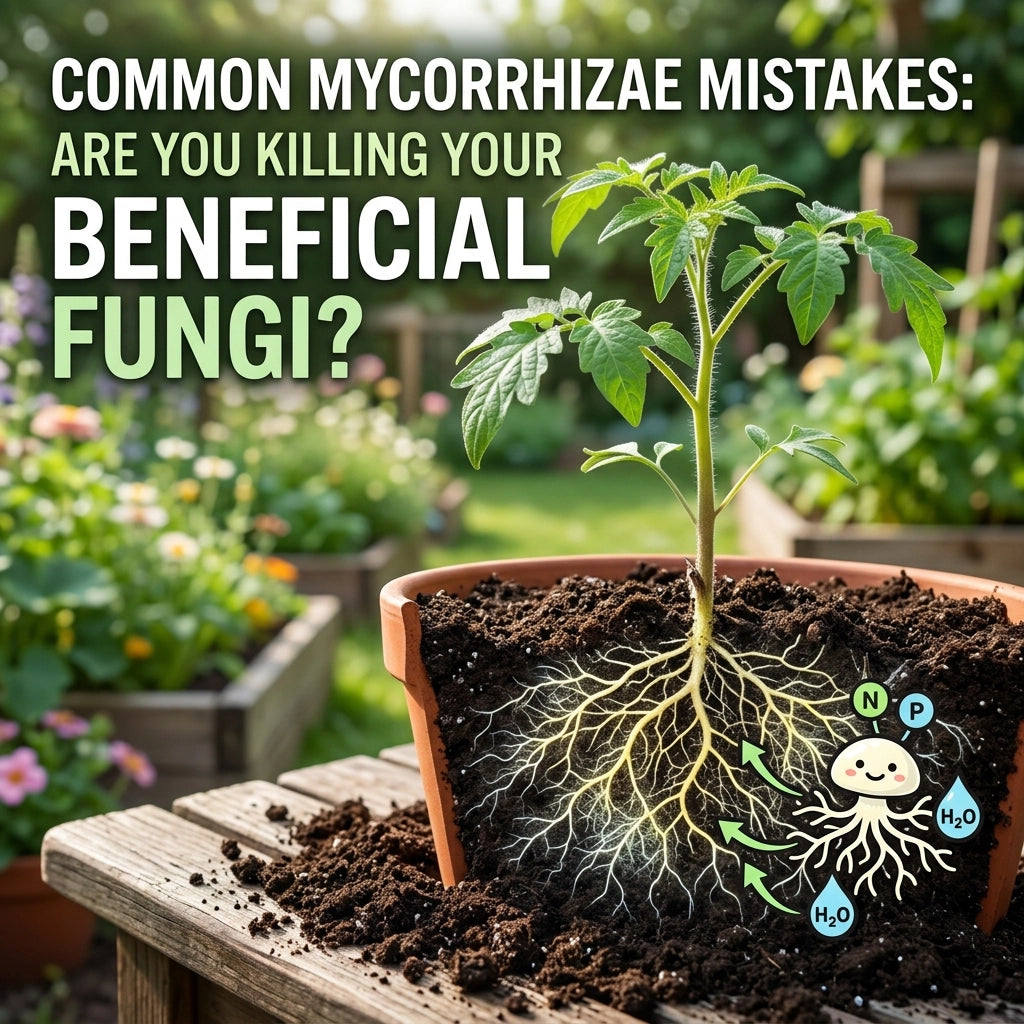
You’ve likely heard the buzz about using mycorrhizae for plants. In the world of high-performance gardening and hydroponics, these beneficial fungi are often hailed as a "miracle" for increasing yields, improving nutrient uptake, and protecting plants from stress. However, simply buying a bag of inoculant and tossing it into your garden doesn't guarantee success.
The fact of the matter is that many growers: unintentionally: kill off their beneficial fungi before they even have a chance to colonize the root zone. Mycorrhizae are living organisms, not inert chemical fertilizers. If you treat them like a standard N-P-K supplement, you’re likely wasting your money and depriving your plants of a massive biological advantage.
In this guide, we’ll break down the most common mistakes growers make when using a microbial inoculant and how you can ensure your fungal network thrives.
1. Lack of Direct Root Contact
The single most common mistake is failing to achieve direct physical contact between the mycorrhizal spores and the plant roots. Mycorrhizae are "obligate symbionts," meaning they cannot survive or grow without a host plant. The spores need to "wake up" and immediately find a root to attach to.
Many growers simply mix their mycorrhizae into a large reservoir of water or top-dress it on the soil surface. While some spores might eventually wash down to the roots, the efficiency is incredibly low.
The Fix:
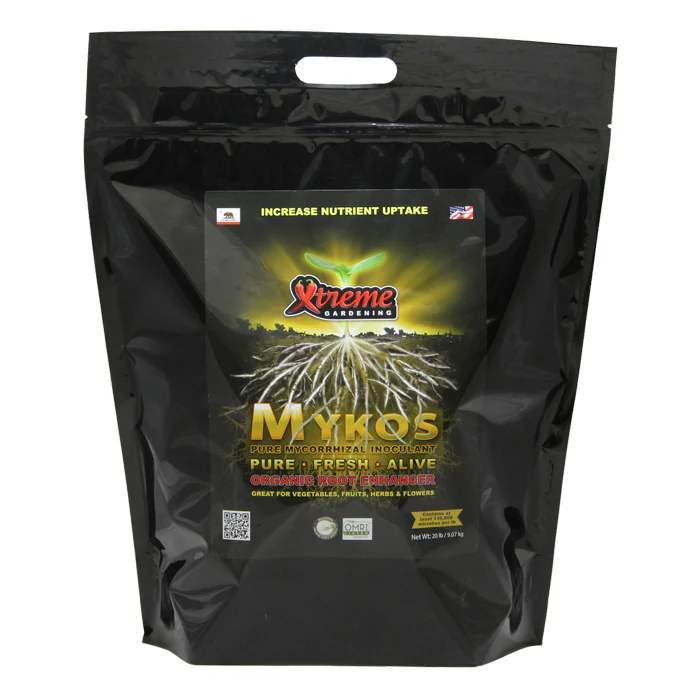
The best way to apply mycorrhizae for plants is during transplanting. Dust the root ball directly with the powder or place the inoculant directly into the planting hole. Products like Xtreme Gardening Mykos are specifically designed for this "direct-to-root" application. If you are working with an existing plant, you can use a probe to create small holes leading down to the root zone and pour the inoculant in there.
2. Using Fungicides at the Wrong Time
It seems like common sense, but it’s a mistake that happens more often than you’d think. Mycorrhizae are fungi. Fungicides are designed to kill fungi. If you apply a systemic or even a heavy-duty organic fungicide shortly after inoculating your soil, you will likely wipe out your beneficial colony.
Research shows that fungicide application can impair fungal networks significantly, sometimes reducing phosphorus uptake by more than 40%. This creates a "sterile" environment where your plant becomes entirely dependent on synthetic inputs because the natural nutrient-delivery system has been dismantled.
Caution: If you are dealing with a severe root rot or powdery mildew issue that requires a fungicide, understand that you will need to re-inoculate your medium once the treatment period is over. Always wait at least 2 weeks after a fungicide application before adding a new microbial inoculant.
3. Excessive Phosphorus Levels
In the quest for massive blooms, many growers push phosphorus (P) levels to the absolute limit. However, high concentrations of available phosphorus in the soil or nutrient solution can actually cause the plant to "reject" the mycorrhizae.
The plant enters into a symbiotic relationship with fungi because it needs help finding phosphorus. If the root zone is flooded with easy-to-absorb phosphorus from synthetic fertilizers, the plant stops sending sugars (exudates) to the fungi. Essentially, the plant decides it doesn't want to pay the "tax" of feeding the fungi if it can get the nutrients for free. Over time, the fungal network withers away.
The Fix:
When using mycorrhizae, try to keep your phosphorus levels moderate, especially during the early stages of growth. This encourages the plant to establish a strong bond with the fungi, which will pay off much better during the late flowering stage than high-dose synthetic P ever could.
4. Aggressive Tillage and Soil Disturbance
For soil and "super soil" growers, the way you handle your medium matters. Mycorrhizae create vast, microscopic networks of "hyphae" (thread-like structures) that extend far beyond the reach of the roots. These hyphae are fragile.
Frequent and aggressive tillage disrupts these fungal communities. Every time you churn the soil, you are essentially tearing apart the "internet" of the root zone. Studies have shown significant decreases in fungal biomass in tilled systems compared to "no-till" or low-disturbance systems.
How to Fix:
If you are growing in soil, consider a no-till approach or minimal disturbance. If you are in a hydroponic setup using coco coir or rockwool, avoid moving the plants or disturbing the root mass once the fungi have begun to colonize. For more tips on maintaining a healthy root zone, check out our grow help videos.
5. Using Chlorinated Tap Water
Most municipal tap water contains chlorine or chloramine to kill bacteria and pathogens. While these levels are safe for humans, they can be detrimental to a concentrated microbial inoculant. If you are pouring chlorinated water directly onto your freshly inoculated soil, you are essentially "sanitizing" the very microbes you just paid for.
The Fix:
- Off-gassing: If your water uses chlorine, letting it sit in an open bucket for 24 hours will allow the gas to dissipate.
- Filtration: Use a carbon filter or a Garden Hose & Drip Siphon System to remove chemicals.
- Neutralization: Using a small amount of humic acid or vitamin C can help neutralize chloramines instantly.
6. Nitrogen Pollution and Over-Fertilization
While nitrogen is essential for vegetative growth, "nitrogen pollution" (excessive N) has been documented to deteriorate plant and tree health by disrupting mycorrhizal relationships. Just like with phosphorus, too much nitrogen can make the plant less likely to support its fungal partners.
In a 2018 study across Europe, researchers found that tree health was actually worse in areas with high nitrogen pollution because the mycorrhizal networks were so degraded. In a controlled grow room, this often manifests as plants that look "green" but are incredibly susceptible to pests and disease because their natural immune-boosting fungal partners are missing.
7. Forgetting to "Feed" the Microbes
Mycorrhizae and other beneficial bacteria need energy to thrive, especially in the early stages before the plant is large enough to provide a steady stream of carbon. Many growers add the microbes but provide no "fuel" for them to establish their colony.
This is where a high-quality carbon source comes in. Adding a bit of molasses or a specialized microbial food can jumpstart the process.

Recommended Supplement:
RAW Cane Molasses is an excellent additive for any feeding program. It provides the simple sugars that beneficial microbes crave, helping them to multiply rapidly and protect the root zone more effectively.

8. Misidentifying the Fungi Type
Not all mycorrhizae are created equal. There are two main types you need to know:
- Endomycorrhizae (Arbuscular Mycorrhizae): These penetrate the root cells. They are the type used for 80-90% of all green plants, including most vegetables, fruits, and "annual herbs."
- Ectomycorrhizae: These wrap around the outside of the roots. They are primarily for trees (oaks, pines, etc.).
A common mistake is buying a "pro-mix" that contains only ectomycorrhizae for your indoor garden. Since the fungi can’t host on your plants, they simply die.
The Fix:
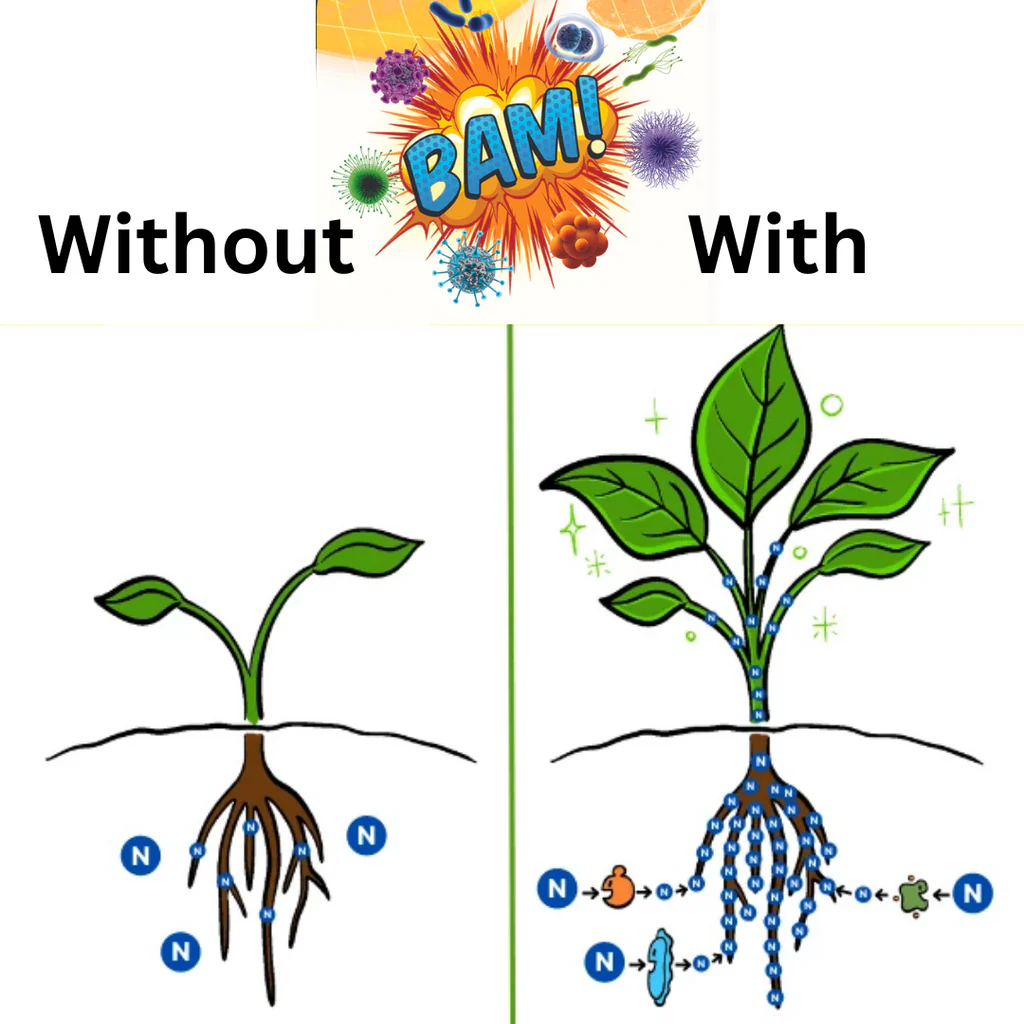
Always check the label for Glomus intraradices (now often called Rhizophagus irregularis). This is the "gold standard" for indoor growers and is found in high-quality products like BAM! Microbial Inoculant.

Summary Checklist for Mycorrhizae Success
To ensure you aren't flushing your investment down the drain, follow these steps:
- Apply at the Source: Place the powder directly on the roots during transplant.
- Watch the pH: Keep your medium between 5.5 and 7.0. Extreme pH levels will stall fungal growth.
- De-chlorinate Your Water: Ensure your water is microbe-friendly before every feeding.
- Ease Up on the P: Don't blast your plants with high-phosphorus "bloom boosters" in the first few weeks of the fungal life cycle.
- Provide a Carbon Source: Use something like RAW Cane Molasses to feed the colony.
- Avoid Tillage: Once your fungi are established, leave the soil alone.
Building a healthy "Army of Growers" (as we like to call it) in your soil takes time and a bit of finesse. Mycorrhizae are some of the most powerful tools in a gardener's arsenal, but only if you keep them alive long enough to do their job.
If you’re unsure which microbial products are right for your specific setup, feel free to reach out to us or check out our complete Nutrient and Microbial Inoculant Kits to get everything you need in one go. Happy growing!



Leave a comment
This site is protected by hCaptcha and the hCaptcha Privacy Policy and Terms of Service apply.