
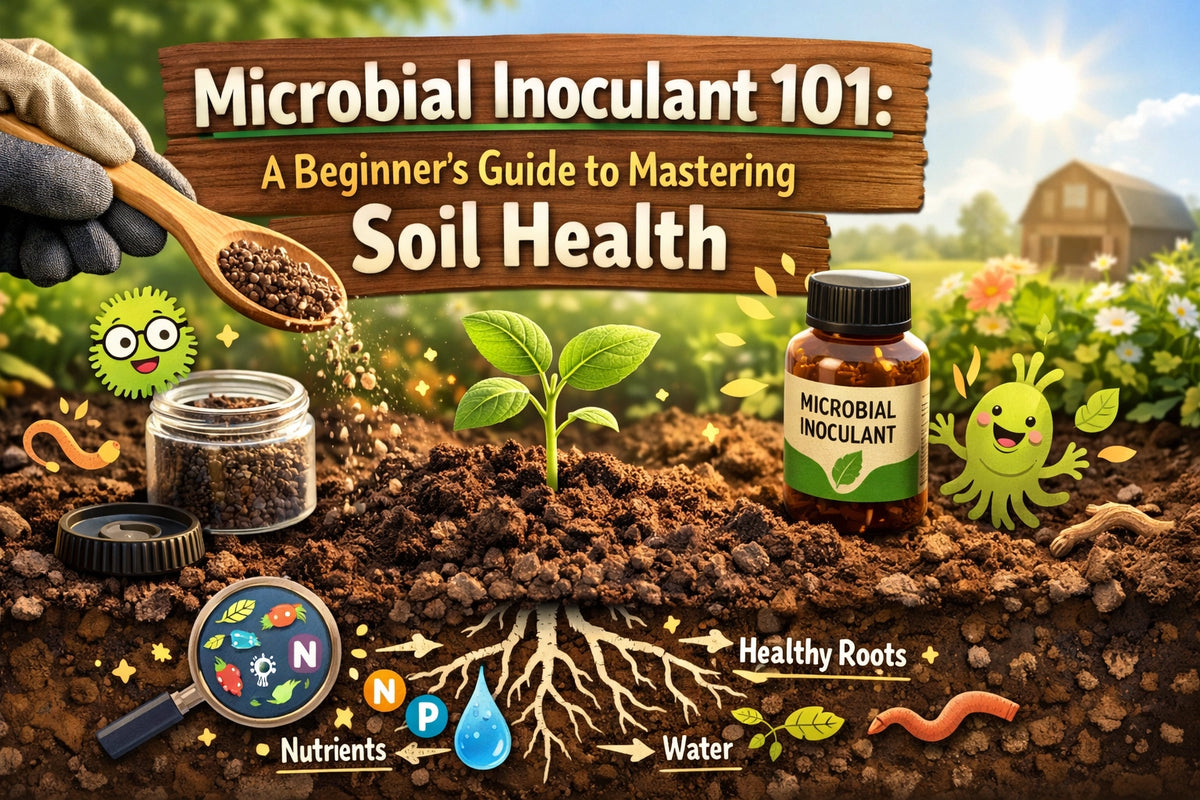
If you’ve been hanging around the gardening world for a while, you’ve probably heard the phrase "feed the soil, not the plant." It’s a classic mantra for a reason. While synthetic fertilizers act like a shot of caffeine for your plants: giving them a quick boost that eventually fades: focusing on soil health creates a sustainable, long-term ecosystem.
One of the most effective ways to achieve this is through the use of a microbial inoculant. Think of these as probiotics for your soil. Just as humans take beneficial bacteria to support gut health and immunity, growers add microbial inoculants to their growing medium to enhance nutrient uptake, fight off diseases, and stimulate explosive root growth.
In this guide, we’re going to break down exactly what microbial inoculants are, why they are a game-changer for both soil and hydroponic setups, and how you can start using them to master your soil health.
What is a Microbial Inoculant?
At its simplest level, a microbial inoculant is a concentrated blend of beneficial microorganisms: specifically bacteria and fungi: that are introduced into the soil or growing medium. These microbes are not "food" in the sense of N-P-K (Nitrogen, Phosphorus, Potassium). Instead, they are the workers that process that food and deliver it to the plant.
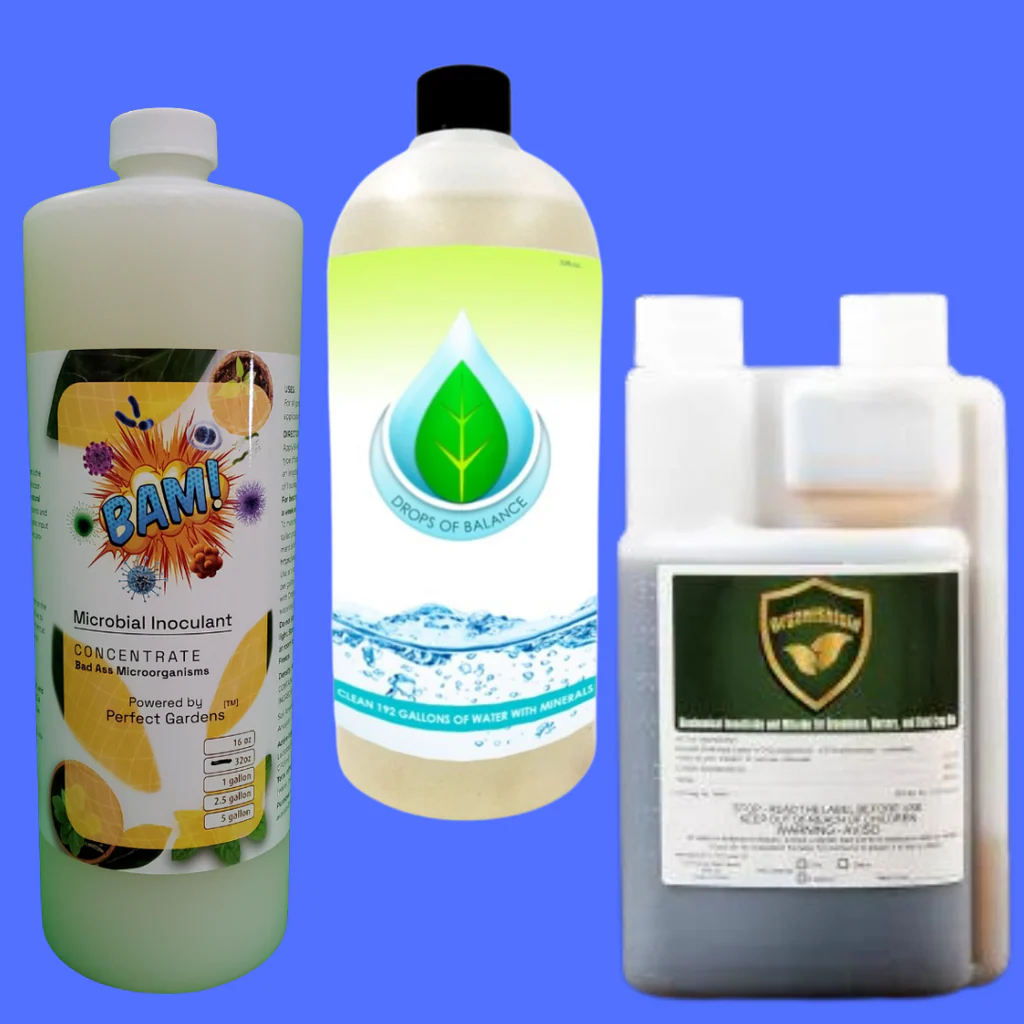
In a natural, undisturbed forest, the soil is teeming with billions of these microbes. However, in backyard gardens, indoor grow tents, or sterile hydroponic systems, these populations are often depleted or entirely absent. By adding an inoculant like BAM! Microbial Inoculant, you are essentially "re-wilding" your root zone, creating a symbiotic relationship where the microbes help the plant, and the plant helps the microbes.
How Microbial Inoculants Work: The Science of the Rhizosphere
The area of soil immediately surrounding a plant's roots is called the rhizosphere. This is where the magic happens. When you apply a microbial inoculant, several biological processes kick into gear:
1. Nitrogen Fixation
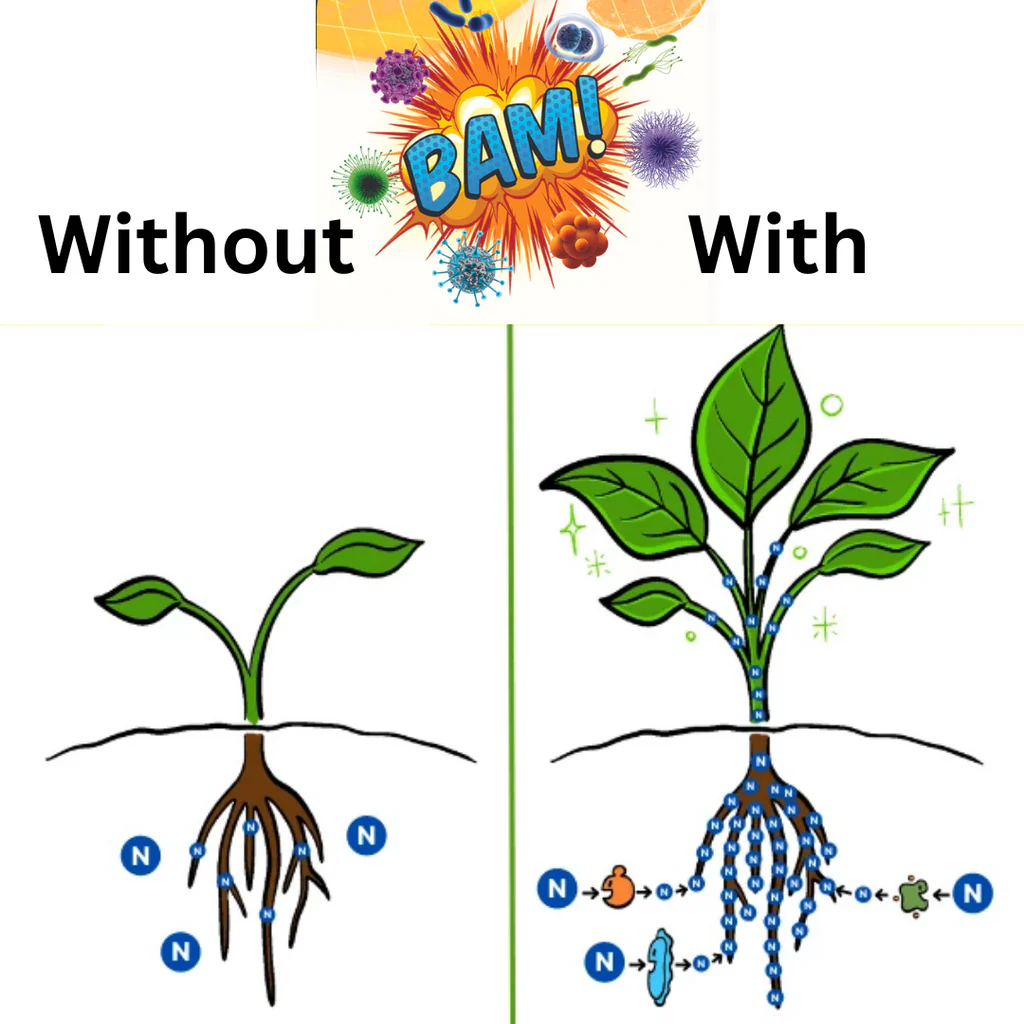
Nitrogen is the primary engine for vegetative growth, but plants can’t always access it directly from the air or soil. Certain bacteria, such as Azospirillum, take atmospheric nitrogen and convert it into a form the plant can actually digest. Products like Xtreme Gardening Azos are famous for this specific function, helping plants grow faster without needing massive amounts of synthetic nitrogen.
2. Nutrient Solubilization
Sometimes, nutrients like Phosphorus are present in the soil but are "locked up" in a chemical form that roots can't grab. Beneficial microbes produce organic acids that dissolve these minerals, making them available for the plant to absorb. This is a major reason why growers using inoculants often see a massive increase in yield.
3. Mycorrhizal Association
Mycorrhizae are specialized fungi that physically attach themselves to the plant roots. They extend long, microscopic threads (hyphae) far into the soil, effectively increasing the root surface area by up to 100 to 1,000 times. This allows the plant to reach water and nutrients that would otherwise be inaccessible.
4. Pathogen Defense
A healthy colony of beneficial microbes acts like a security detail for your roots. They occupy the space that "bad" fungi (like Pythium or Fusarium) would otherwise take over. By outcompeting the pathogens for food and space, the "good guys" keep your plants from getting sick.
The Core Benefits of Using Inoculants
Why should you bother adding "bugs" to your dirt? The research and real-world results are hard to ignore.
- Increased Yields: Studies show that a healthy microbial population can increase yields while allowing you to reduce chemical fertilizer use by 20% to 50%.
- Improved Resilience: Plants with strong microbial partners handle environmental stress: like heat waves or drought: much better than those without.
- Better Flavor and Potency: Because microbes help the plant access a wider range of trace minerals, the resulting fruit, vegetables, or herbs often have higher terpene and nutrient profiles.
- Faster Rooting: If you are a fan of propagation and cloning, you’ll find that using an inoculant significantly speeds up the time it takes for cuttings to strike roots.
Bacterial vs. Fungal Inoculants: What’s the Difference?
When shopping for an inoculant, you’ll usually see two main categories: beneficial bacteria and beneficial fungi (Mycorrhizae). For the best results, you generally want a mix of both.
Beneficial Bacteria (The Fast Workers)
Bacteria like Bacillus subtilis or Azospirillum work quickly. They are excellent for nitrogen fixation and rapid nutrient cycling. They are usually the "muscle" in your soil, breaking down organic matter and providing immediate benefits to the plant’s immune system.
Beneficial Fungi (The Infrastructure)
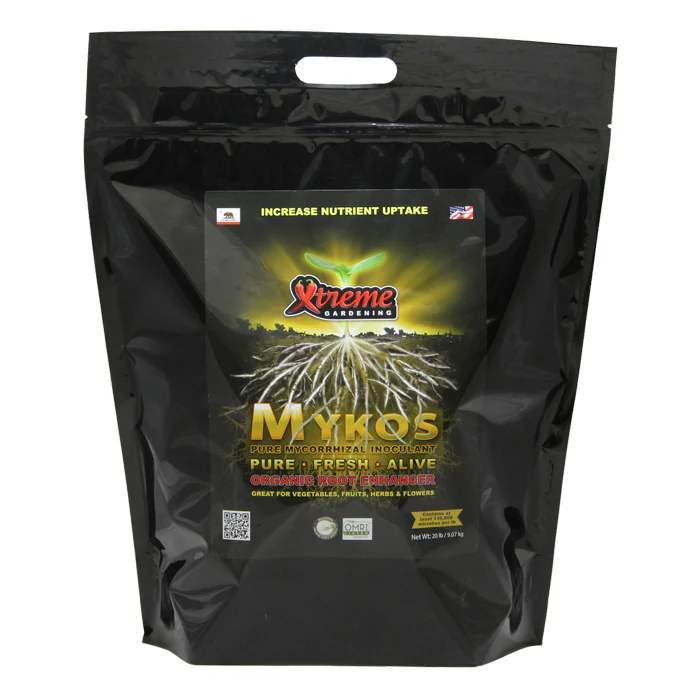
Mycorrhizal fungi, such as those found in Xtreme Gardening Mykos, are more about building long-term infrastructure. They take a little longer to establish because they need to physically bond with the root system, but once they do, they provide a permanent "internet" of nutrients for the plant.
How to Apply Microbial Inoculants
The "when" and "how" of application depend on your growing style, but here are the most common methods:
- Seed & Clone Treatment: Coating your seeds or dusting your root plugs with a powder inoculant gives the plant a head start from day one.
- Transplanting: This is the most critical time. When moving a plant to a larger pot, sprinkle the inoculant directly onto the root ball and into the new hole. This ensures direct contact between the microbes and the roots.
- Soil Drench: Mix a liquid or soluble powder inoculant with your water and pour it directly onto the soil. This is great for maintaining the population throughout the growing season.
- Hydroponic Reservoirs: Many people assume hydro is sterile, but adding beneficial microbes to your reservoir can prevent "root snot" and improve nutrient uptake. Just make sure the product is rated for hydro use to avoid clogging your pumps.
Common Mistakes to Avoid
While microbial inoculants are generally very safe, there are a few ways to accidentally kill off your expensive "beneficials." If you want to dive deeper into this, check out our post on 7 mistakes you’re making with mycorrhizae.
- Chlorinated Water: Tap water contains chlorine to kill bacteria. Unfortunately, it doesn't distinguish between "bad" bacteria and the "good" ones you just bought. Use a filter or let your water sit out for 24 hours to dissipate the chlorine before adding your microbes.
- Over-Fertilizing: High concentrations of synthetic phosphorus can actually discourage Mycorrhizae from bonding with the roots. If the plant has "too much" food, it doesn't feel the need to invite the fungi in.
- Using Pesticides: Fungicides, in particular, will wipe out your beneficial fungi. If you must use a pesticide, try to use organic, soil-safe options.
- Improper Storage: These are living organisms. If you leave your bag of inoculant in a hot car or a freezing garage, the microbes may go dormant or die. Keep them in a cool, dark place.
Feeding Your Microbes
Microbes are like any other living thing: they need to eat. While they get some energy from the plant, they thrive when you provide them with a "carbon source." This is why many experienced growers use molasses.
RAW Cane Molasses provides a quick hit of simple sugars that fuel a microbial bloom, causing the population in your soil to explode. This is especially useful during the flowering stage when the plant's energy demands are at their highest.

Is it Worth the Investment?
The fact of the matter is that you can grow a plant without microbial inoculants. People have been doing it for decades using nothing but salt-based nutrients and water. However, if you are looking for higher quality, better pest resistance, and a more forgiving growing environment, then inoculants are one of the best investments you can make.
By building a healthy microbial foundation, you’re not just growing a plant; you’re managing a biological system. This leads to fewer headaches, less reliance on heavy chemical feeding, and ultimately, a more successful harvest.
Whether you're growing in a Gorilla Grow Tent or a backyard raised bed, the "little guys" in the soil are your best friends. Give them a shot, feed them well, and they’ll pay you back tenfold.
If you're ready to start but aren't sure which products to grab, we recommend looking at a complete kit or reaching out to us for a custom recommendation. Mastering your soil health is the first step toward becoming a master grower!


Leave a comment
This site is protected by hCaptcha and the hCaptcha Privacy Policy and Terms of Service apply.