
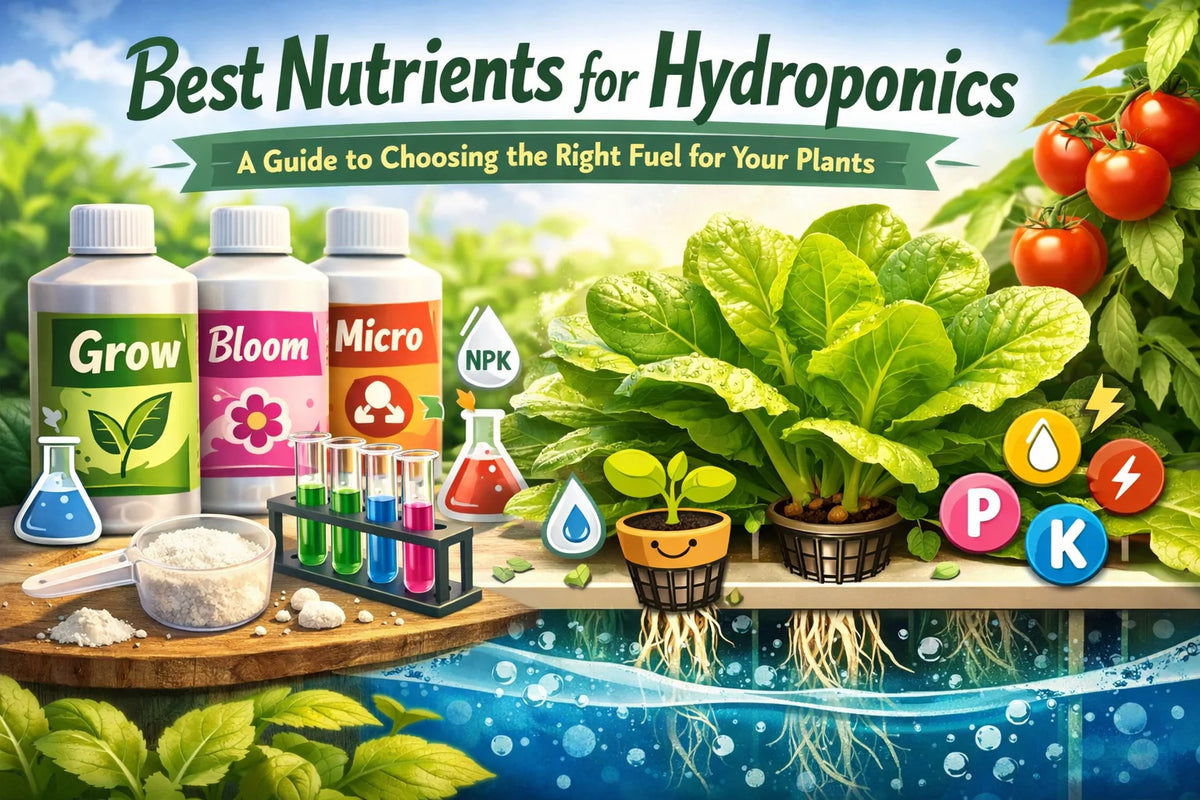
When you step away from traditional soil gardening and dive into the world of hydroponics, you’re essentially taking on the role of Mother Nature. In a soil-based setup, the earth acts as a buffer, holding onto minerals and releasing them slowly. In hydroponics, the medium (whether it’s coco coir, rockwool, or just plain water) is usually inert. This means your plants are 100% dependent on you for their "food."
Choosing the best nutrients for hydroponics isn't just about picking the flashiest bottle on the shelf; it’s about understanding the biological and chemical needs of your plants. If you get the "fuel" right, your plants will grow faster, larger, and healthier than they ever could in dirt. If you get it wrong, you’ll be staring at yellowing leaves and stunted growth faster than you can say "pH imbalance."
In this guide, we’re going to break down exactly what your plants need, how to identify quality nutrients, and which specific products we recommend to keep your reservoir clean and your harvests heavy.
The Big Three: Understanding N-P-K
Every bottle of fertilizer has three numbers on the front, like 5-10-5. These represent the "Primary Macronutrients": Nitrogen (N), Phosphorus (P), and Potassium (K). These are the heavy hitters that your plants consume in large quantities.
- Nitrogen (N): Think of Nitrogen as the "growth" engine. It’s responsible for leaf development and that vibrant green color. During the vegetative stage, your plants are Nitrogen-hungry.
- Phosphorus (P): This is all about the "plumbing" and the "flowers." Phosphorus is essential for root development early on and becomes the star of the show during the flowering or fruiting phase.
- Potassium (K): Potassium is like the plant’s immune system and metabolic regulator. It helps with water movement, enzyme activation, and overall plant "sturdiness."
While N-P-K is the foundation, the fact of the matter is that a lot of growers stop there. That’s a mistake. In hydroponics, because there is no soil to provide backup, you need a full spectrum of secondary and micronutrients to see real success.
The Support Crew: Secondary and Micronutrients
Beyond N-P-K, your plants need a laundry list of other minerals to thrive. Most high-quality hydroponic formulas come in "A & B" parts. This is because certain minerals, like Calcium and Phosphorus, don't like to sit together in a concentrated form: they’ll "fall out" of the solution and turn into a useless sediment at the bottom of your bottle.
Secondary Macronutrients
- Calcium (Ca): Vital for cell wall structure. Without enough Calcium, you’ll see "blossom end rot" in tomatoes or tip burn in lettuce.
- Magnesium (Mg): The heart of the chlorophyll molecule. No Magnesium means no photosynthesis.
- Sulfur (S): Helps produce proteins and enzymes.
The Micro Squad
Don't let the name "micro" fool you. Even though plants only need tiny amounts of Iron, Boron, Zinc, Manganese, and Copper, a deficiency in any one of them can shut down the whole system. Iron, for example, is essential for energy transfer. If your iron levels are off, your new growth will look bleached and sickly.
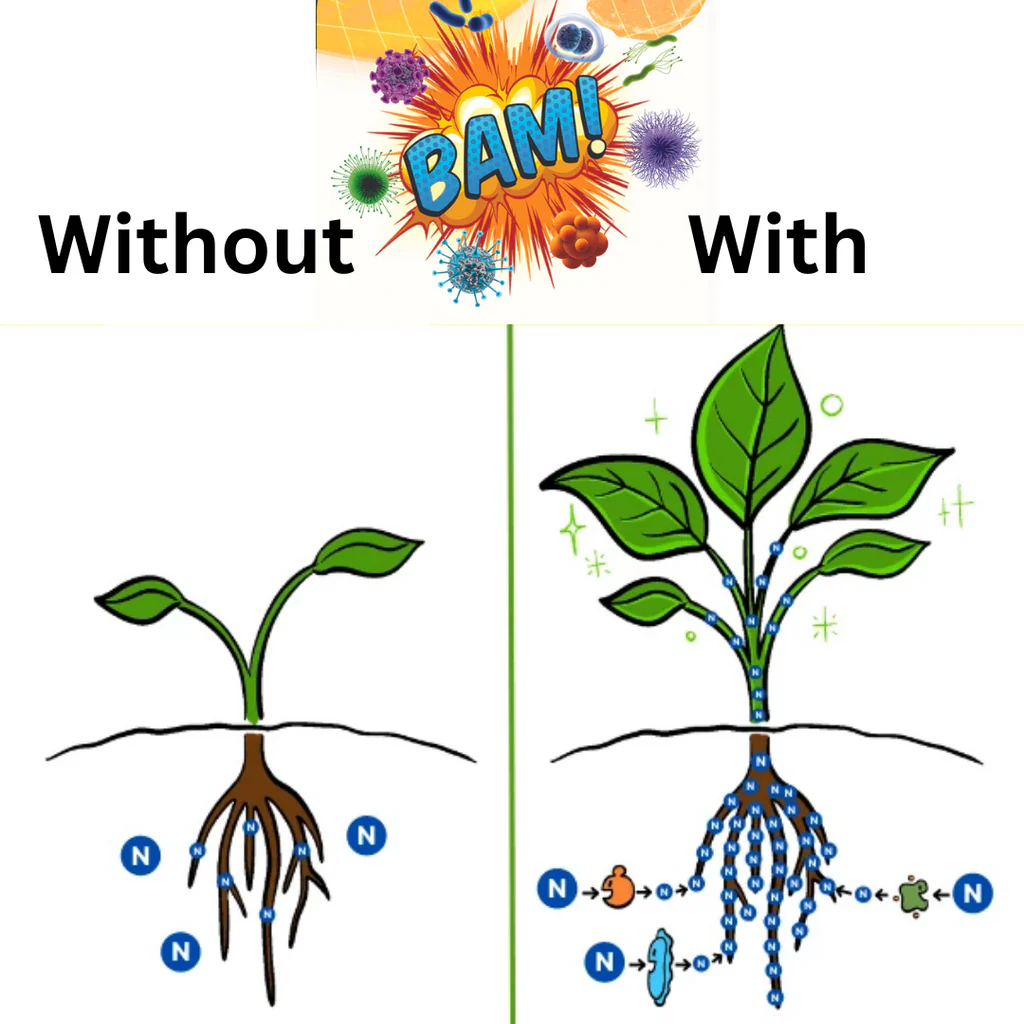
As you can see in the comparison above, the difference between a plant getting just the basics versus a plant getting a full spectrum of minerals and microbes is night and day. Healthy roots are the foundation of everything.
Water Quality: The Hidden Variable
Before you even add your nutrients, you have to look at your water. Most people use tap water, which is often treated with chlorine or chloramine and can contain high levels of "junk" minerals that mess with your nutrient ratios.
If you are using RO (Reverse Osmosis) water, you are starting with a blank slate, which is great, but RO water is "hungry" and can be unstable. This is where Drops of Balance comes into play.
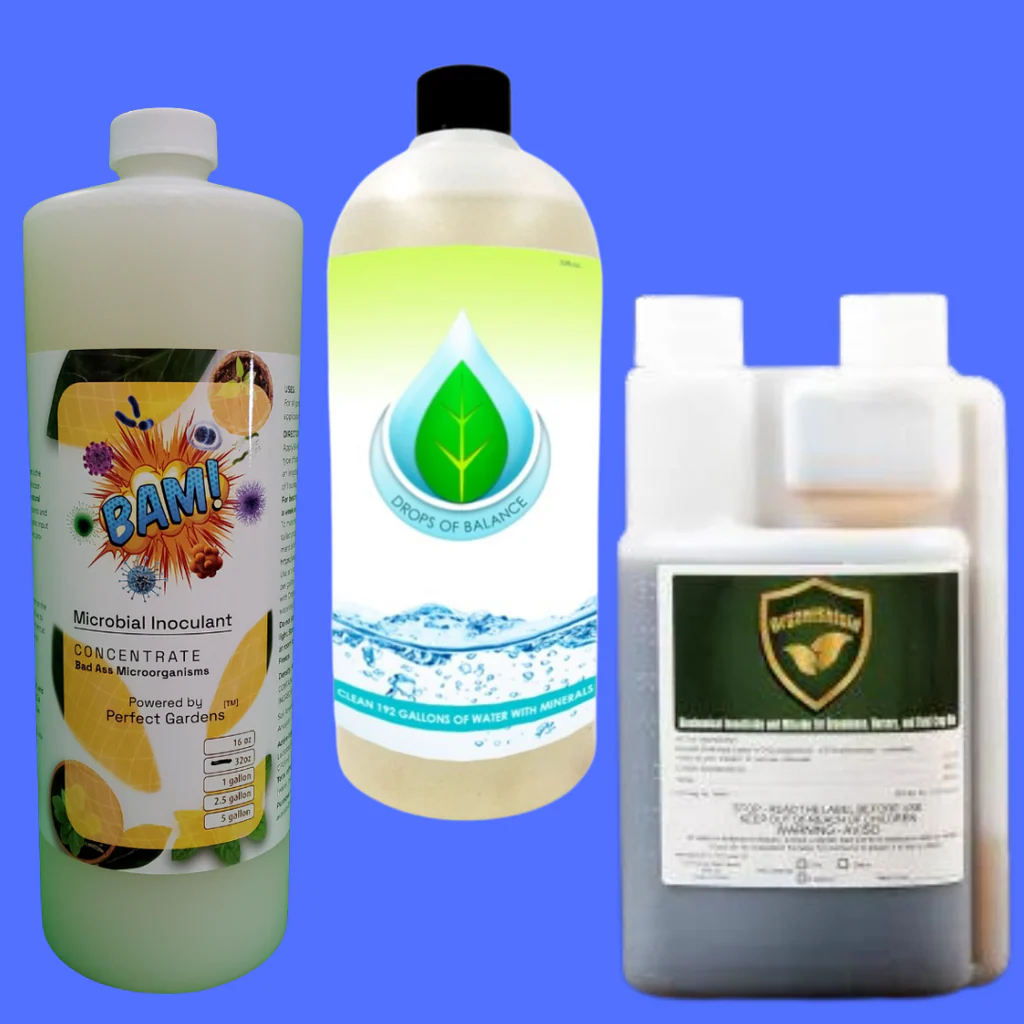
We highly recommend Drops of Balance for anyone serious about hydroponics. It’s a concentrated mineral solution that helps purify the water while adding back essential trace minerals that are often missing from standard NPK fertilizers.
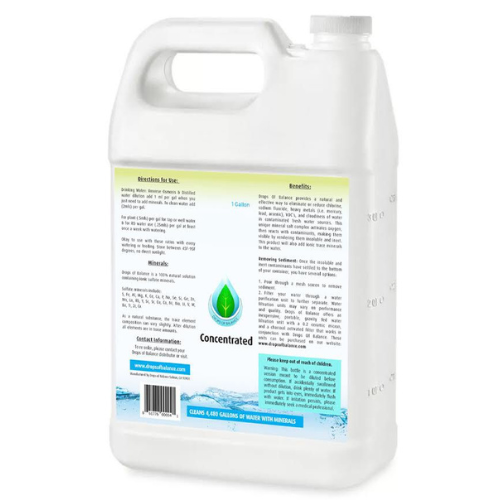
Using something like the 32oz Drops of Balance allows you to condition up to 192 gallons of water. It ensures that the "base" of your nutrient solution is chemically stable and mineral-rich before you even start adding your primary veg or bloom nutrients.
The Role of Microbes in Hydroponics
A common misconception is that hydroponics should be "sterile." While you definitely don't want bad bacteria or algae growing in your reservoir, introducing beneficial microbes is one of the best ways to increase nutrient uptake.
Microbes like those found in BAM! Microbial Inoculant act as a bridge between the nutrient solution and the plant's roots. They break down minerals into a more bioavailable form, making it easier for the plant to "eat."
When you combine a solid nutrient regimen with a microbial kickstarter, you’re creating an ecosystem. This is especially important if you are using organic or semi-organic nutrients, which often require a little biological help to become fully available to the plant. You can check out our Smart Indoor Gardening Setup for more tips on how to automate these processes.
Pest Management: Keep the Fuel Clean
Nothing ruins a high-performance nutrient program faster than a pest infestation. In a hydroponic environment, pests like spider mites or aphids can spread like wildfire because the conditions are so perfect for growth.
When you're choosing the best nutrients for hydroponics, you also need to think about how you’re protecting those plants. We always suggest keeping a bottle of OrganiShield on hand.
It’s a USDA Organic biochemical insecticide that’s safe to use in greenhouses and indoor gardens. Because it’s organic, you don’t have to worry about harsh chemicals leaching into your reservoir or affecting the flavor and quality of your harvest. It’s about protecting the investment you’ve made in your nutrients and your time.
Caution: The "More is Better" Trap
One of the biggest mistakes we see at Perfect Gardens is growers overfeeding their plants. It’s easy to think that if 10ml of nutrients is good, 20ml must be better.
This is a recipe for disaster.
- Nutrient Burn: Too many minerals will literally "burn" the tips of your leaves.
- Nutrient Lockout: If you have too much of one mineral, it can chemically block the plant from absorbing another. For example, too much Nitrogen can lock out Potassium.
- pH Swings: Concentrated nutrients are acidic. Adding too much can tank your pH, making the entire solution toxic to your roots.
It seems more like a science experiment sometimes, but the best advice is to start at half the recommended strength on the bottle and work your way up. Watch your plants: they will tell you when they’re hungry.

Choosing the Right System for Your Nutrients
Your choice of nutrients might also depend on your physical setup. For instance, if you’re using a drip system with small emitters, you need extremely clean, mineralized nutrients that won't clog your lines. If you're running a deep water culture (DWC) setup, you have a bit more flexibility, but water temperature becomes a massive factor in how those nutrients are absorbed.
If you are just starting out, we often point people toward our Grow Help Videos to see these systems in action. Whether you are using Kind LED grow lights or a DIY setup, the relationship between light intensity and nutrient consumption is a tight one. The more light you give them, the more "fuel" they can burn.
Summary Checklist for Choosing Nutrients
- Check for All 14 Elements: Ensure your choice includes N-P-K, secondary minerals (Ca, Mg, S), and all essential trace micros.
- Water Quality First: Use a conditioner like Drops of Balance to stabilize your base water.
- Think Biologically: Incorporate beneficial microbes (like BAM!) to enhance uptake.
- Stay Organic Where Possible: Use products like OrganiShield to keep the environment clean without toxic chemicals.
- Watch the pH: Always test your reservoir after adding nutrients. Aim for that 5.5 to 6.5 sweet spot depending on your specific crop.
The fact of the matter is, the best nutrients for hydroponics are the ones that keep your plants balanced and your reservoir stable. It’s not about the highest NPK numbers; it’s about the most complete and bioavailable formula.
If you’re feeling overwhelmed by the options, don’t sweat it. You can always reach out to us or join our Army of Growers to get advice from people who have been through the trial and error already. Happy growing!




Leave a comment
This site is protected by hCaptcha and the hCaptcha Privacy Policy and Terms of Service apply.