

If you've spent any time in the organic growing world, you've probably heard someone swear by Bio-Live as the ultimate "one-bag solution" for the vegetative stage. The idea is tempting, throw down some Bio-Live, water it in, and let your plants cruise through veg without juggling half a dozen different amendments. But does it actually work that way? Can Bio-Live really replace everything else, or is that just wishful thinking?
The short answer: mostly, but not always. Bio-Live is a powerhouse amendment that covers a lot of ground, but whether it's truly all you need depends on your soil, your plants, and what you're trying to accomplish. Let's break down what Bio-Live actually does, where it excels, and when you might need to bring in backup.
What's Actually In Bio-Live?
Bio-Live is marketed as an all-purpose fertilizer, and for good reason. It's built around a 5-4-2 NPK ratio, enough nitrogen to push vegetative growth without overdoing it, plus a solid foundation of phosphorus and potassium to support root development and overall plant health.
But the NPK numbers are only part of the story. The real strength of Bio-Live comes from its ingredients:
Marine-based inputs: Fish meal, crab meal, and shrimp meal provide slow-release nitrogen and a broad spectrum of micronutrients. The chitin in crab meal also triggers a natural defense response in plants, making them more resistant to pests and diseases.
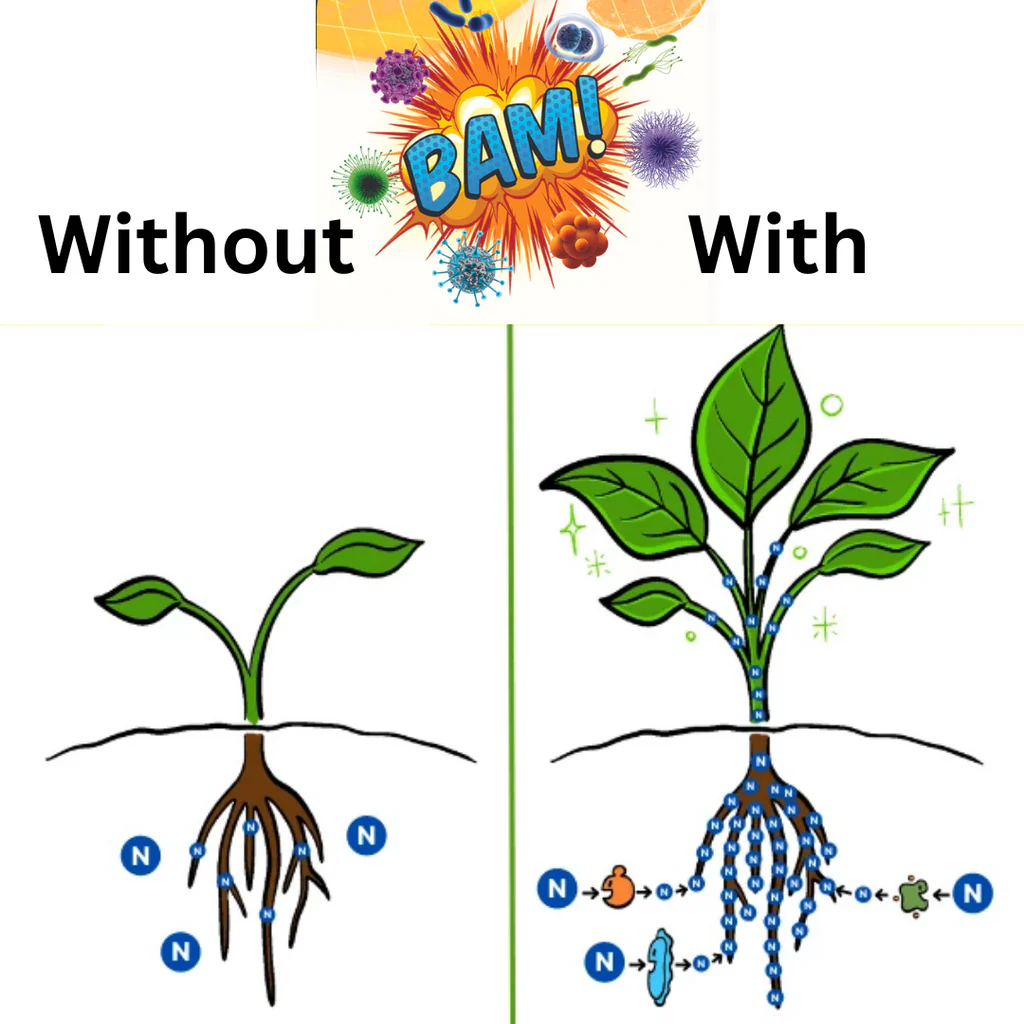
Beneficial microorganisms: Bio-Live is loaded with mycorrhizal fungi and beneficial bacteria. These microbes colonize the root zone, extending the root system's reach and improving nutrient uptake, especially phosphorus, which plants struggle to access on their own.
Organic matter: The amendment improves soil structure over time, promoting better aeration and water retention. It's not just feeding your plants; it's feeding the soil itself.

For organic growers, this combination is gold. You're not just dumping synthetic salts into the soil, you're building a living, breathing ecosystem that can sustain healthy plant growth over the long haul.
What Bio-Live Does Really Well
Let's talk about where Bio-Live shines. If you're starting with decent soil and your plants have fairly standard needs, Bio-Live can absolutely carry you through the vegetative stage with minimal fuss.
1. Root Development
The mycorrhizae in Bio-Live create symbiotic relationships with your plants' roots, effectively extending their reach and making nutrient uptake far more efficient. This is especially valuable early in veg when you want explosive root growth to support the canopy later on.
2. Slow, Steady Nutrient Release
Unlike liquid nutrients that can cause spikes and crashes, Bio-Live breaks down gradually. The microbes in your soil work to mineralize the organic matter, releasing nutrients as your plants need them. This reduces the risk of nutrient burn and makes the whole process more forgiving: especially for newer growers.
3. Soil Health
This is where Bio-Live separates itself from synthetic fertilizers. Every time you apply it, you're adding organic matter and beneficial microbes that improve soil structure. Over time, your soil becomes more resilient, better at retaining moisture, and more capable of supporting healthy microbial populations.
4. Natural Pest Resistance
The chitin in crab meal doesn't just feed your plants: it also triggers their immune response. Plants that detect chitin ramp up their production of defensive enzymes, making them less appealing to pests like spider mites and aphids. It's not a silver bullet, but it's a nice built-in defense layer.
For many organic growers, these benefits make Bio-Live a no-brainer. It simplifies the feeding routine, supports long-term soil health, and delivers consistent results without a lot of drama.
Where Bio-Live Might Fall Short
Here's where things get a bit more nuanced. Bio-Live is a fantastic general-purpose amendment, but "general-purpose" is the key phrase. It's designed to work well in most situations, but it's not specifically tailored to every plant's needs or every soil's deficiencies.
Micronutrient Gaps
Bio-Live provides a solid base of macronutrients and some micronutrients, but it doesn't necessarily address every micronutrient deficiency your soil might have. Calcium and magnesium are common culprits: especially if you're growing in peat-based mixes or depleted soil. While Bio-Live contains some calcium and magnesium, it might not be enough if your soil is already deficient.
The same goes for trace elements like boron, zinc, and manganese. Bio-Live has some, but if your soil test shows a specific deficiency, you'll likely need to supplement.
pH Adjustments
Bio-Live won't fix pH issues. If your soil is too acidic or too alkaline, you'll still need to address that separately with lime, sulfur, or other pH adjusters. The microbes in Bio-Live work best in a pH range of 6.0–7.0, so getting your soil dialed in is still important.
Heavy Feeders
Some plants are just hungrier than others. If you're growing something that demands high nitrogen levels throughout veg: or if you're pushing for maximum growth in a short time frame: Bio-Live alone might not cut it. In those cases, you might need to supplement with additional nitrogen sources like blood meal, feather meal, or a higher-nitrogen fertilizer.
Soil Testing Is Still Your Friend
The manufacturers of Bio-Live themselves recommend testing your soil before application. That's not a disclaimer: it's solid advice. A soil test will tell you exactly what your soil is lacking, and you can supplement accordingly. Bio-Live can be the foundation, but it's not a substitute for understanding what's actually going on in your root zone.
When to Supplement Bio-Live
So when do you actually need to bring in additional amendments? Here are a few scenarios where Bio-Live benefits from backup:
Calcium and Magnesium Deficiencies: If your soil test shows low levels, add dolomite lime (for both) or gypsum (for calcium without raising pH). You can also top-dress with oyster shell flour or Epsom salts (for magnesium).
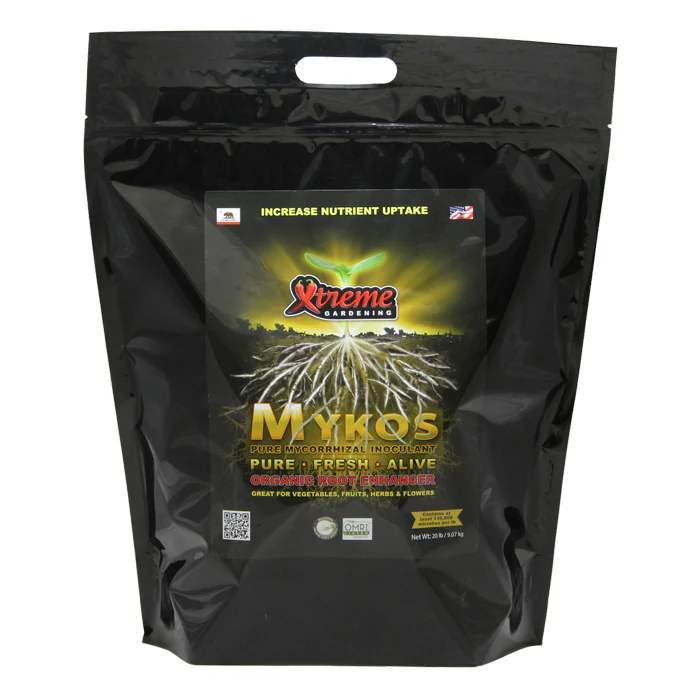
Boosting Microbial Activity: While Bio-Live contains beneficial microbes, some growers like to supercharge the biology with additional inoculants like Mykos or Azos. This is especially useful in new or sterilized soil where microbial populations are low.
Heavy Nitrogen Demands: If your plants are showing signs of nitrogen deficiency mid-veg: yellowing lower leaves, slow growth: you can supplement with a high-nitrogen amendment like alfalfa meal, blood meal, or a fish emulsion foliar spray.
Trace Element Deficiencies: If your soil test reveals specific micronutrient deficiencies (zinc, boron, iron, etc.), you can add kelp meal, rock dust, or a targeted micronutrient blend.
The key is not to overthink it. Bio-Live covers most of the bases, so unless you're seeing obvious deficiencies or working with particularly challenging soil, you probably don't need to go overboard with supplements.
The Verdict: One-and-Done or Not?
Can Bio-Live replace all your veg amendments? For many growers, the answer is yes: especially if you're starting with reasonably healthy soil and growing plants with average nutrient needs. It's a well-balanced, slow-release amendment that supports both plant health and soil health, and it simplifies the feeding process considerably.
But if you're dealing with depleted soil, growing heavy feeders, or chasing maximum yields, you'll probably need to supplement. That doesn't mean Bio-Live isn't worth it: it just means it's a foundation, not a magic bullet.
Here's the practical takeaway: Start with Bio-Live, test your soil, and adjust as needed. If your plants are thriving and your soil is healthy, you're good. If you start seeing deficiencies, bring in targeted amendments to fill the gaps. That's not a failure: it's just smart, responsive growing.

If you're looking to boost your microbial game alongside Bio-Live, consider pairing it with a quality inoculant like BAM! Microbial Inoculant or Xtreme Gardening Mykos. These products work synergistically with Bio-Live to maximize nutrient uptake and root health.
At the end of the day, Bio-Live is one of the best single amendments you can use for the vegetative stage: but the best results come from understanding your soil, observing your plants, and fine-tuning as you go. That's not complicated. It's just good growing.



Leave a comment
This site is protected by hCaptcha and the hCaptcha Privacy Policy and Terms of Service apply.