

If you’ve spent more than five minutes in a grow shop or an online cultivation forum, you’ve heard the "Flushing Debate." It’s one of those topics that can get growers more heated than a 1000W HPS bulb in a tiny tent. Some veterans swear that flushing is the only way to get a clean, white-ash burn and a smooth flavor. Others: often backed by more recent data: argue that it’s a waste of time and potentially harmful to your final yield.
The fact of the matter is, both sides have points worth considering. At Perfect Gardens, we believe in looking at the science while respecting the practical experience of the people in the trenches. Today, we’re diving deep into the technical side of flushing, salt buildup, and what actually happens to your plants in those final two weeks.
What is Pre-Harvest Flushing?
In the simplest terms, flushing is the process of watering your plants with plain, pH-balanced water (and zero nutrients) for a period of time before harvest: usually anywhere from 3 to 14 days.
The theory is that by removing the external supply of nutrients, you force the plant to "starve," causing it to consume the stored nutrients and minerals within its own leaves and tissues. Proponents believe this removes "bottled" flavors and harsh chemical residues, resulting in a cleaner product.
The Traditional Logic: "Cleaner" Buds
The traditional case for flushing is built on the idea of nutrient mobility. Plants store essential elements like Nitrogen, Phosphorus, and Potassium in their foliage. When you stop feeding them, the plant undergoes a process of senescence: it begins to die off, yellowing as it pulls mobile nutrients from the older "fan" leaves to support the developing flowers.
Many growers believe that if these minerals are still present in high concentrations in the plant tissue at the time of harvest, the smoke will be harsh, the flavor will be "metallic," and the ash will be dark and hard. By "washing out" the root zone, you theoretically "leach" the excess out of the plant.
What the Science Actually Says
While the "clean smoke" theory sounds logical, recent technical trials have started to poke holes in it. A well-known study by RX Green Technologies put this to the test with a blind taste test and laboratory analysis. They compared plants flushed for zero, 7, 10, and 14 days.
The results were surprising to many:
- Mineral Content: There was no significant difference in the mineral content of the flowers across all groups. This suggests that "flushing" the root zone doesn't necessarily "flush" the minerals already stored inside the flower itself.
- Terpenes and Potency: THC levels and terpene profiles remained largely identical.
- Taste Preference: In a blind test, many participants actually preferred the flavor and smoothness of the unflushed samples.
So, if the science doesn't fully back the "cleaning" theory, why do so many people still do it?
The Problem of Nutrient Salt Buildup
The real benefit of flushing might not be about what’s inside the plant, but what’s happening in the medium. Over a 2-to-3-month flowering cycle, plant nutrients and mineral salts can accumulate in your soil or coco coir. This is especially true if you are using high-EC (Electrical Conductivity) synthetic feeding schedules.
When salt builds up around the roots, it can lead to:
- Nutrient Lockout: High salt concentrations can physically block the plant from absorbing water and other essential elements.
- pH Fluctuations: As salts accumulate, the pH in the root zone can tank, becoming too acidic and stressing the plant in its most critical phase.
- Poor Burn Quality: While the minerals inside the flower might stay the same, residual salts on or near the plant (due to foliar feeding or extreme root-zone saturation) can definitely impact the final experience.
If your grow essentials include heavy synthetic fertilizers, a short flush might be more about resetting the root zone than "cleaning" the buds.

Flushing in Different Grow Mediums
How you approach a flush depends heavily on your setup. You can't treat a deep-water culture (DWC) system the same way you treat a living soil bed.
1. Hydroponics (DWC, Rockwool, Coco)
In hydroponics, the plant responds to changes almost instantly. If you switch to plain water, the plant feels the "hunger" within hours. For these systems, a flush of 2–5 days is usually plenty. Any longer, and you risk the plant losing structural integrity or becoming susceptible to pests and mold because its "immune system" is starving.
2. Soil and Peat Mixes
Soil has a much higher "buffer" capacity. It takes longer for the nutrients to leach out. Most soil growers start their flush 7–10 days before harvest. However, if you are growing in organic living soil, you generally don't flush. In an organic setup, you aren't feeding the plant directly; you're feeding the microbes in the soil. Cutting off water or trying to "leach" the soil just kills your microbial life and stresses the plant unnecessarily.
The Risks: What Can Go Wrong?
Flushing isn't a "no-risk" activity. If done incorrectly, you can actually hurt your harvesting results.
- Yield Loss: The last two weeks are when buds "bulk up" the most. If you cut off nutrients too early, you might miss out on that final 10-15% of weight.
- Bud Rot (Botrytis): Many growers overwater during a flush, trying to "wash" the medium. High humidity in the root zone combined with a weakening plant is a recipe for mold. This is why having reliable controllers for your environment is vital.
- Water Quality Issues: If you're flushing with tap water full of chlorine or heavy minerals, you're just trading one problem for another.
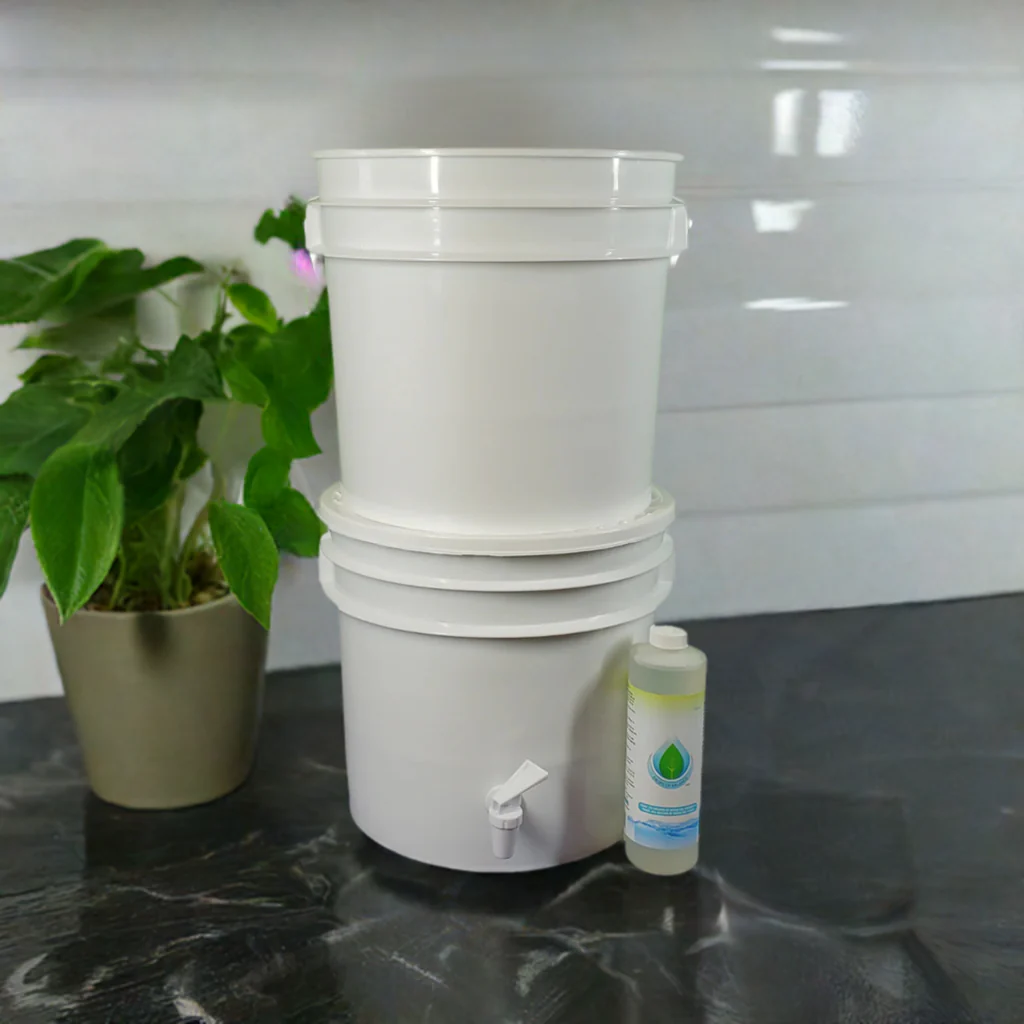
Using filtered water is essential. A water filtration system ensures that your "flush" isn't actually adding more unwanted salts into the mix.
The "Fade" vs. The "Flush"
Instead of a hard flush (dropping from 1200 PPM to 0 PPM overnight), many modern expert growers prefer a "taper" or "fade."
This involves gradually reducing the strength of your nutrient solution over the final two weeks. This allows the plant to continue finishing its resin production without the shock of total starvation. You get the aesthetic "autumn colors" (the fade) without the physiological stress of a hard flush.
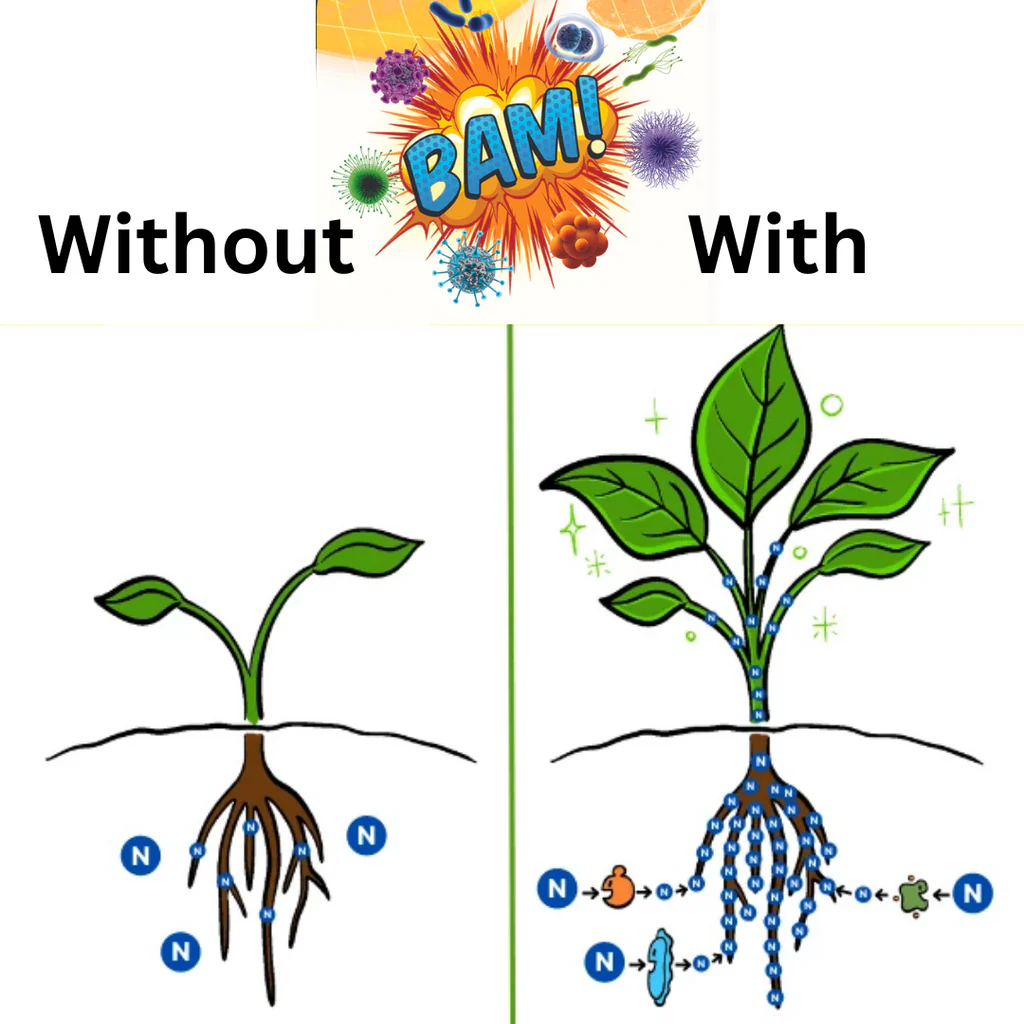
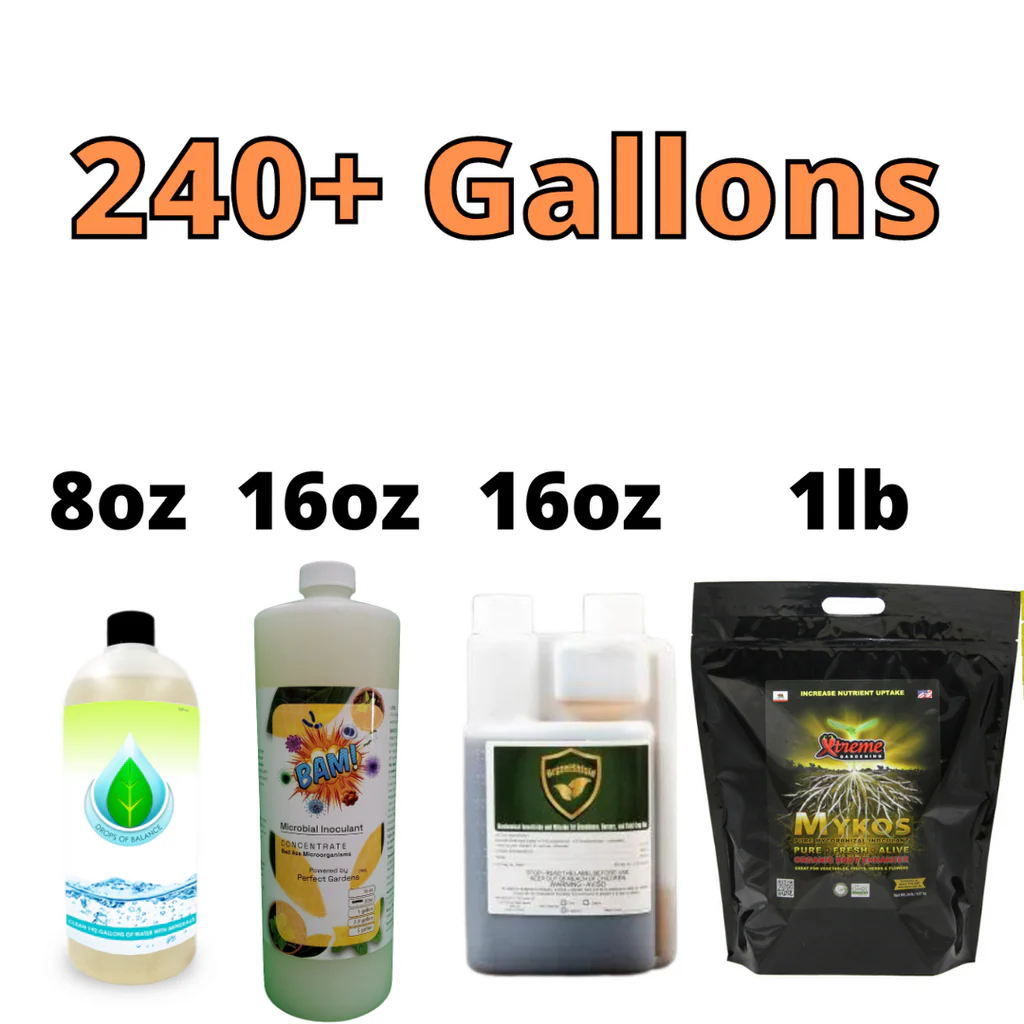
To support the plant during this transition without using heavy mineral salts, many growers turn to microbial inoculants. Products like BAM! Microbial Inoculant help the plant break down any remaining organic matter in the medium, ensuring it uses every bit of energy available for terpene production.
Technical Tips for a Successful Final Stage
If you decide that flushing is right for your garden, here is the technical way to do it without ruining your hard work:
- Check Your Trichomes: Don't start flushing based on a calendar. Start when your trichomes are mostly cloudy. If you start too early and the plant takes longer to ripen, you’ll be starving it for 3 weeks instead of 1.
- Monitor Runoff EC: If you're in coco or soil, measure the EC (salt content) of the water that drains out the bottom. Your goal isn't necessarily zero; it's to see a significant drop from your peak feeding levels.
- Maintain pH: Just because there are no nutrients in the water doesn't mean pH doesn't matter. If your water is 8.0 pH, you can still stress the roots. Keep it between 5.8 and 6.2 for most mediums.
- Keep Airflow High: As the plant weakens during a flush, it’s more prone to disease. Ensure your LED lights aren't creating hotspots and your fans are moving air efficiently.

The Verdict: To Flush or Not?
It seems more like a matter of preference and methodology than a strict "must-do."
You should flush if:
- You are using heavy synthetic nutrients and notice salt crusting on your medium.
- Your plants look "overfed" (dark green, clawing leaves) late in flower.
- You personally prefer the burn and flavor profile of flushed flower.
You should skip the flush (or do a minimal taper) if:
- You are growing in 100% organic living soil.
- Your plants are already showing signs of nutrient deficiency.
- You are growing a variety known for small yields and want to maximize every day of growth.
At the end of the day, the best way to know is to run a side-by-side experiment in your own grow tent. Flush one plant and feed another until the end. Your own palate and your own scale will give you the "truth" for your specific garden.
The fact of the matter is that quality comes from the whole cycle: not just the last seven days. If you've managed your environment, used high-quality plant nutrients packages, and kept your plants happy, you’re going to have a great harvest regardless of the flushing debate.
Happy growing!


Leave a comment
This site is protected by hCaptcha and the hCaptcha Privacy Policy and Terms of Service apply.