

As we move into 2027, the indoor gardening landscape has shifted significantly. We’ve seen a massive move away from harsh, synthetic pesticides toward biological and biochemical solutions that are safer for the grower, the consumer, and the environment. At Perfect Gardens, we’ve always advocated for a "clean" grow, and one product that has consistently stood the test of time is Organishield.
Pest management is often the most stressful part of gardening. There is nothing worse than being six weeks into a beautiful flower cycle only to find a spider mite web or a colony of aphids taking over your canopy. The old-school way of thinking was to wait for a problem and then "nuke" it. In 2027, the pro-level approach is all about prevention. This guide will walk you through why Organishield is a cornerstone of a modern Integrated Pest Management (IPM) strategy and how to use it effectively to ensure your 2027 harvest is bug-free.
What is Organishield?
Organishield is an EPA-registered biopesticide that operates differently than the traditional poisons you might find at a big-box hardware store. The active ingredient is Sucrose Octanoate, which is essentially an ester derived from sugar and fatty acids.
While that might sound like a fancy way of saying "sugar water," the science behind it is fascinating. Organishield works through a physical mode of action. When the solution makes contact with a soft-bodied insect, it dissolves the waxy protective coating (the cuticle) of the insect. Once that cuticle is breached, the insect quickly dehydrates and dies.
Because this is a physical kill rather than a neurological one, insects cannot develop a resistance to it. In the past, growers struggled with "super-bugs" that had evolved to survive common sprays. With Organishield, that’s simply not possible. A bug can’t "evolve" a way to stay hydrated once its skin has been dissolved.

Why Prevention Trumps Treatment
The biggest mistake we see at Perfect Gardens is growers treating pest control as a reactive measure. If you see a bug, you already have an infestation. For every one mite you see, there are likely dozens of eggs and larvae hiding in the crevices of your grow tents.
In 2027, successful hobbyists and commercial cultivators alike use Organishield as "insurance." By maintaining a regular spray schedule, you create an environment where pests can never get a foothold. If a stray fungus gnat or aphid hitches a ride on your clothes into the grow room, the residue-free barrier of a preventative program ensures they don't last long enough to lay eggs.
The Benefits of a Preventative Schedule:
- Lower Stress: You aren't constantly checking leaves with a microscope in fear.
- Product Purity: Preventative doses are lower than "infestation" doses, leading to even less impact on the plant’s natural oils.
- Cost Effective: It is much cheaper to use a small amount of Organishield once a week than to try and save a dying crop with massive amounts of product and labor.
The 2027 Prevention Protocol
For a standard indoor setup, we recommend a maintenance schedule of every 7 to 10 days. This timing is crucial because it disrupts the life cycle of most common indoor pests.
Mixing the Solution
For prevention, you don't need the "knock-down" strength required for an active infestation.
- The Ratio: Mix 30ml to 40ml of Organishield concentrate per gallon of water.
- Water Quality: While Organishield is robust, using clean, filtered water is always best for foliar applications.
Application Tips
Application is where most growers fail. If you just mist the tops of the leaves, you are leaving the "underside" hotel open for business. Pests love the shaded, protected undersides of leaves.
- Top to Bottom: Spray the entire plant until run-off. This means the leaves should be dripping.
- The Under-Leaf Flip: Ensure you are getting the nozzle of your sprayer underneath the foliage.
- Timing: One of the best features of Organishield is that it can be applied day or night. Unlike oil-based sprays that can burn leaves under intense LED lights, Organishield is water-based and much gentler. However, for the sake of humidity management, many growers prefer to spray just as the lights are turning off or early in the "morning" cycle.

Caption: A close-up showing the thorough application of foliar spray on both sides of a healthy leaf.
Safe for Beneficials and Humans
One of the reasons we love Organishield for 2027 grows is its safety profile. As more people grow their own medicine and food, they are rightfully concerned about what they are putting on their plants.
Organishield is safe for beneficial insects. If you use ladybugs, lacewings, or predatory mites as part of your IPM, Organishield generally won't wipe them out like a broad-spectrum poison would. It targets the soft-bodied "bad guys" more aggressively. Furthermore, it is safe to use up to the day of harvest. While we generally recommend stopping any foliar sprays a week or two before harvest just to keep the humidity down during the final swell, if you find a late-season pest, Organishield won't leave a toxic residue on your final product.
Integrating Organishield with Overall Plant Health
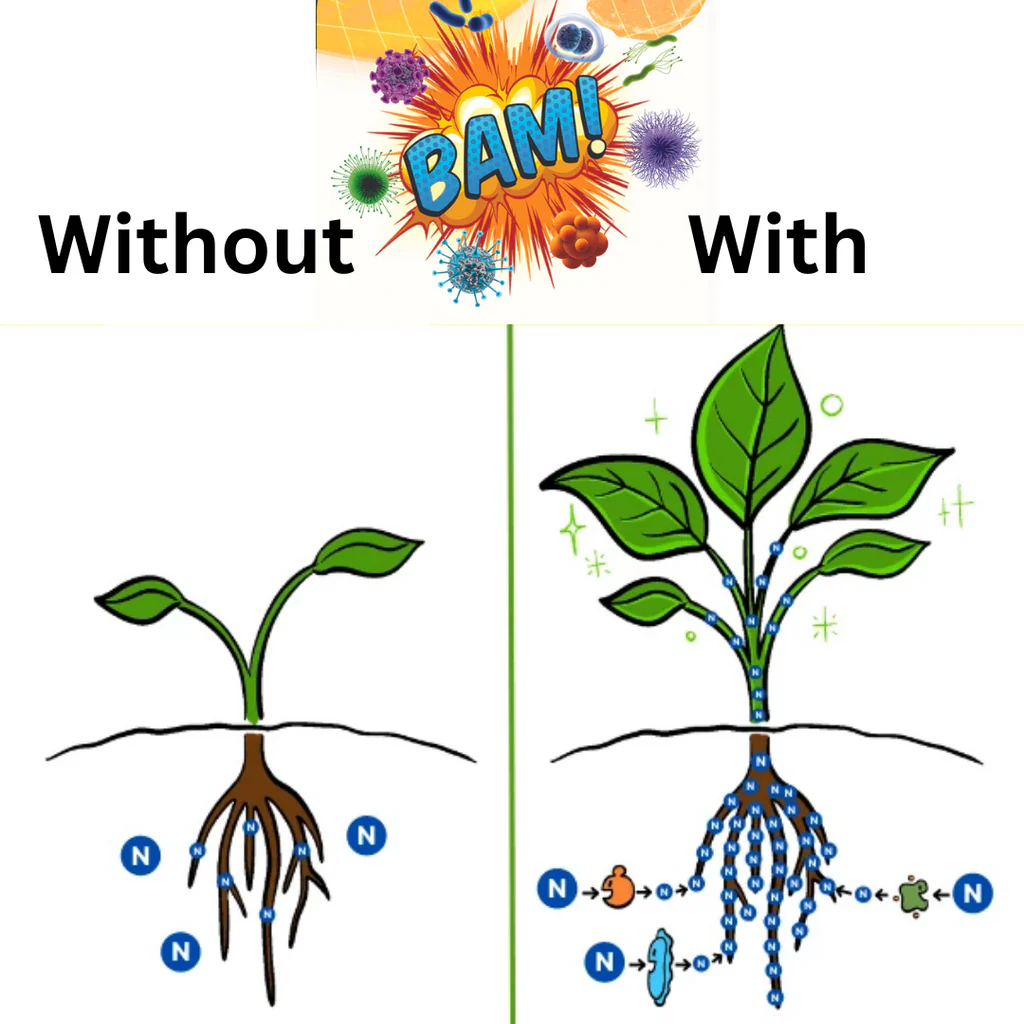
A pest's favorite target is a weak plant. In 2027, we understand more than ever the link between plant immunity and pest resistance. A plant with a strong cellular structure and a robust microbial colony in its root zone is much harder for a pest to feed on.
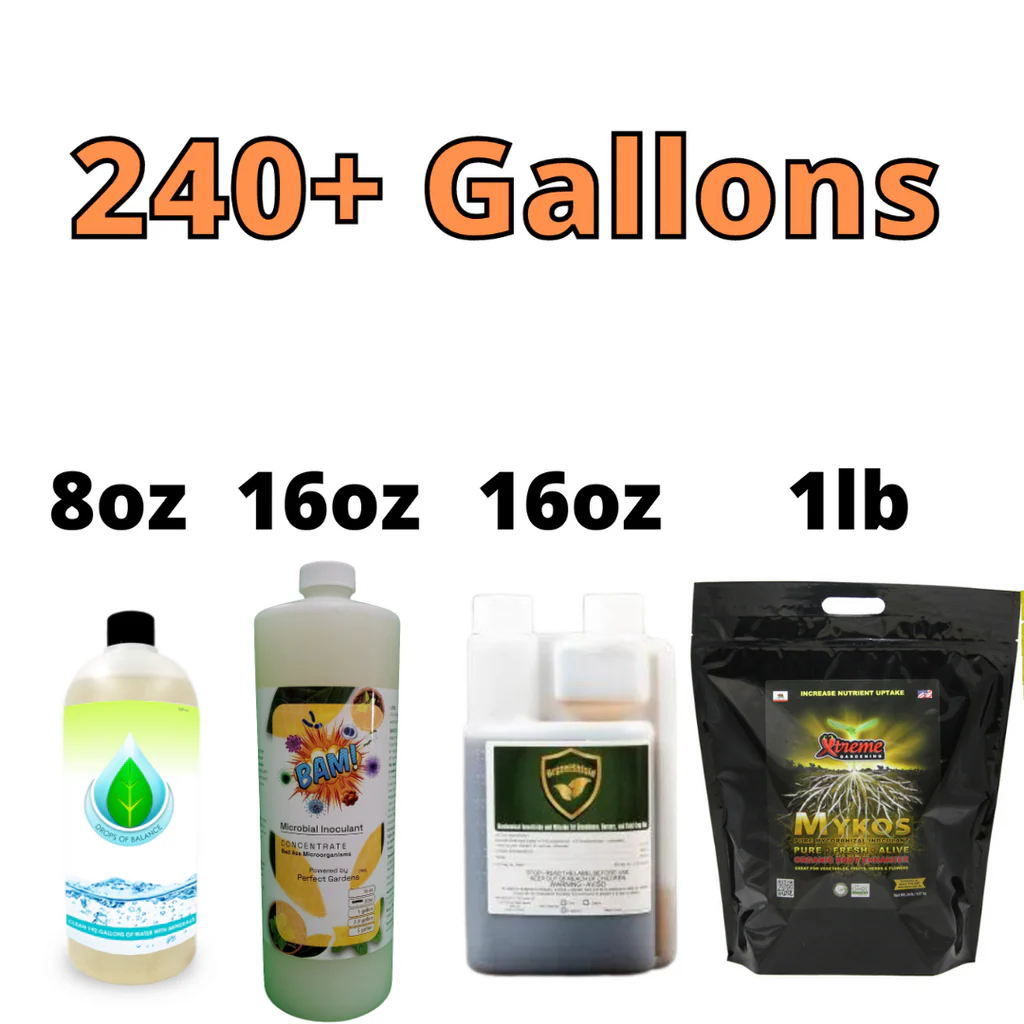
We recommend pairing your Organishield foliar routine with a strong root-zone program. Using products like BAM (Beneficial Agricultural Microbes) or Mykos helps the plant build a better "immune system." When the plant is healthy from the roots up, the Organishield on the leaves acts as the final shield in a comprehensive defense system.
Common Mistakes to Avoid
Even with a product as user-friendly as Organishield, there are a few pitfalls to watch out for:
- Inconsistent Scheduling: If you skip two weeks, you’ve given the pests enough time to complete a full generation. Stick to the 7-10 day rhythm.
- Poor Coverage: If you miss the middle of the plant, that's exactly where the mites will congregate. Think of it like painting a wall: you can't leave bare spots.
- Ignoring the Environment: Pests thrive in heat and stagnant air. Ensure your controllers are dialed in to keep temperatures moderate and airflow consistent. No spray can overcome a grow room that is a literal breeding ground for bugs.
- Starting Too Late: Don't wait until the plants are huge and bushy to start your IPM. Start when they are clones or seedlings. It’s much easier to spray a 6-inch plant thoroughly than a 4-foot bush.
Organishield for Different Pests
While we use it as a general preventative, it’s helpful to know what Organishield is actually stopping in your 2027 grow:
- Spider Mites: The physical action destroys their ability to move and feed almost instantly.
- Aphids: Since aphids reproduce so quickly, the 7-day spray schedule is vital to catch the new arrivals.
- Thrips: These are notoriously hard to kill because they spend part of their life in the soil. While Organishield handles the leaf-dwellers, we often recommend a soil drench or a product like Drops of Balance to keep the medium clean.
- Whiteflies: These flying pests are deterred by the regular application, making it hard for them to land and lay eggs.
The Financial Logic
We often get asked if the cost of a biopesticide is worth it. Let's look at the math for 2027. A single quart of Organishield concentrate can make up to 31.5 gallons of preventative spray. If you are a home grower with a 4x4 tent, a single gallon of mix might last you 3-4 weeks of preventative spraying.
The cost of the concentrate is pennies compared to the cost of losing a high-quality harvest or having to throw away expensive nutrients and electricity on a crop that ends up in the trash because of a thrip infestation.
Final Thoughts for Your 2027 Season
The "Perfect Garden" isn't just about the biggest yields or the highest potency; it's about the journey and the peace of mind knowing your plants are healthy and clean. Organishield provides that "security guard" for your garden.
By implementing a 30-40ml per gallon foliar spray every week, you are adopting the best practices of 2027's top growers. It’s simple, it’s organic, and it works. If you have questions about how to fit Organishield into your specific setup: whether you’re running Medic Grow LEDs or a complex aeroponic system: don't hesitate to reach out to us.
Keep your garden clean, keep your sprays consistent, and let's make 2027 your best growing year yet!


Leave a comment
This site is protected by hCaptcha and the hCaptcha Privacy Policy and Terms of Service apply.