
Hey everyone, Mark here from Perfect Gardens, and I need to start this post with something that's really important to me, admitting when I'm wrong and learning from our amazing community.
Recently, I released content about hermaphroditic plants (hermies) and made some statements about pollen storage that weren't quite accurate. Thanks to some sharp-eyed viewers who've been following our content, I learned that my information about pollen shelf life needed a serious correction. This is exactly why I love our community, you guys keep me honest and help all of us learn together.
Understanding Hermaphroditic Plants: The Basics
Before we dive into the pollen correction, let's make sure everyone understands what we're dealing with when we talk about "hermies."
A hermaphroditic plant develops both male pollen sacs and female flowers on the same plant. This allows the plant to self-pollinate and can quickly turn your entire grow operation into a seeded mess if you're not careful.
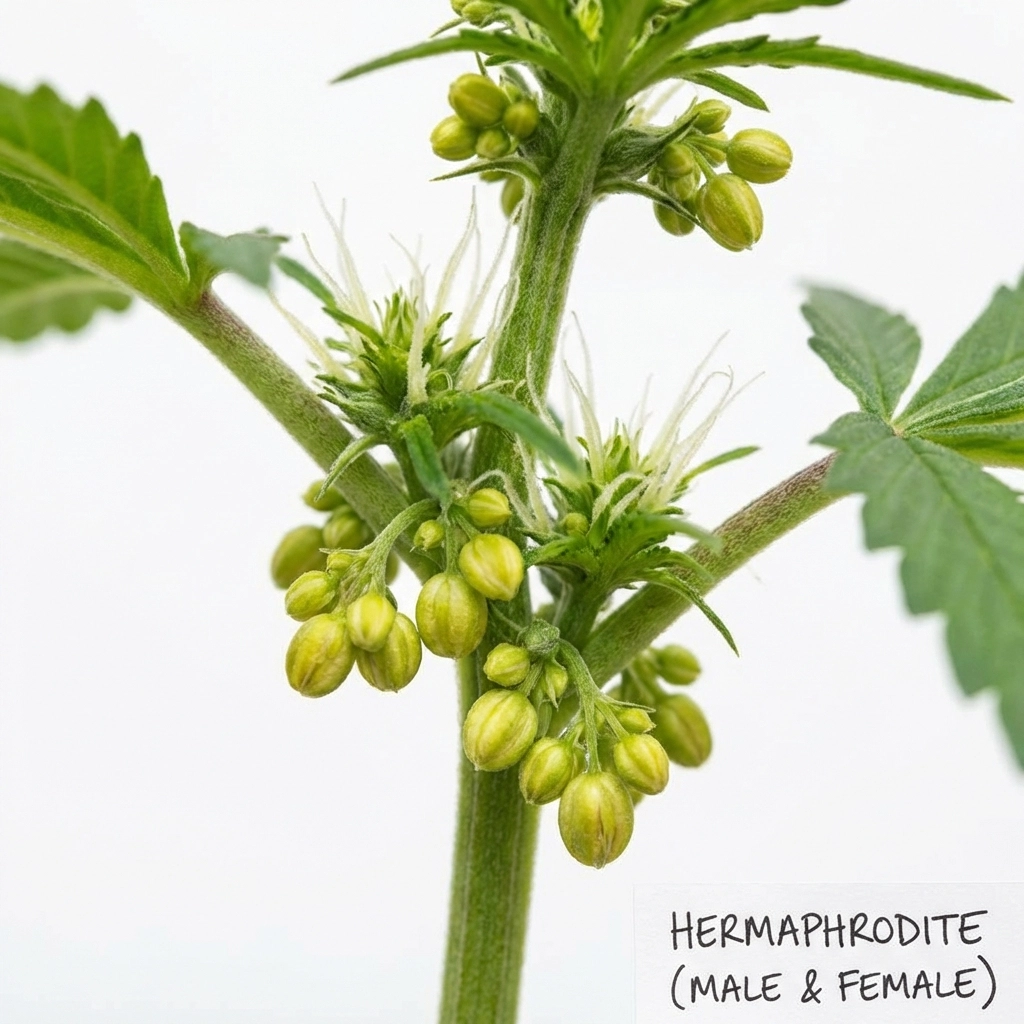
There are actually two main types of hermies you'll encounter:
True hermies produce pollen sacs that look identical to those on male plants, round or rugby ball-shaped structures, usually green, appearing directly below developing flowers. These are typically caused by genetic predisposition rather than something you did wrong as a grower.
"Banana" hermies produce clusters of 4-5 small banana-like pollen sacs growing directly out of the flowers. These start light green and turn pale yellow as they mature. Unlike true hermies, these usually develop because of environmental stress, things like lighting issues, temperature problems, disease, or nutrition problems.
The Pollen Problem: Why One Hermie Can Ruin Everything
Here's something that might shock you: a single pollen sac contains enough pollen to pollinate an entire garden. Even more concerning, under the right conditions, one hermie plant can pollinate female plants up to 2 miles away.
Once your female plants get pollinated, they shift from producing high-quality buds to developing seeds. This dramatically reduces both your yield and product quality, basically the nightmare scenario for any serious grower.
The Pollen Shelf Life Correction: Setting the Record Straight
Now for the main reason I'm writing this post. I've always been on the commercial side of growing, focused on paying bills, keeping employees, and staying safe. I never got deep into seed pollination and breeding, so my knowledge came from being around growers who did work with pollen.
I used to see these breeders pull pollen out of refrigerators or freezers and use it, and when I asked, they'd tell me it lasted "about a year or so." Based on that visual experience, I incorrectly assumed pollen survived that long in most conditions. This was wrong.
Here's the corrected information about pollen viability:
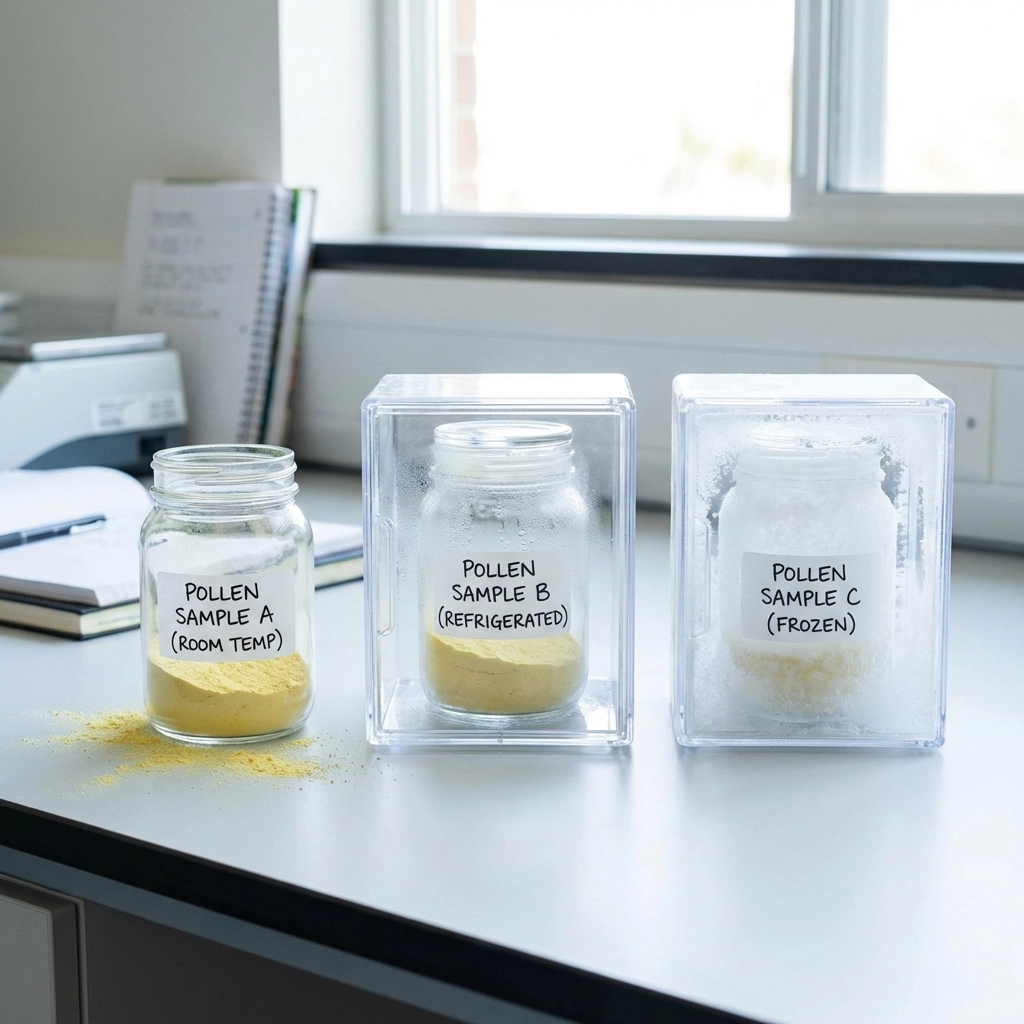
Natural Air Environments
In normal air conditions, pollen can survive anywhere from a few hours up to a few weeks. This is much shorter than I previously stated. So if you discover a hermie in your grow room, there's definitely a good chance it has already pollinated other plants around it, but the pollen won't remain active indefinitely.
Refrigerated Storage
If you store pollen in a refrigerator, you can extend its shelf life to a couple of months. This is useful for breeders who want to use pollen for controlled pollination projects.
Freezer Storage
In a freezer that's completely dry of moisture, pollen could potentially last up to a year, maybe a little longer. The key here is eliminating moisture, any humidity will destroy the pollen's viability.
What to Do If You Find Hermies in Your Grow
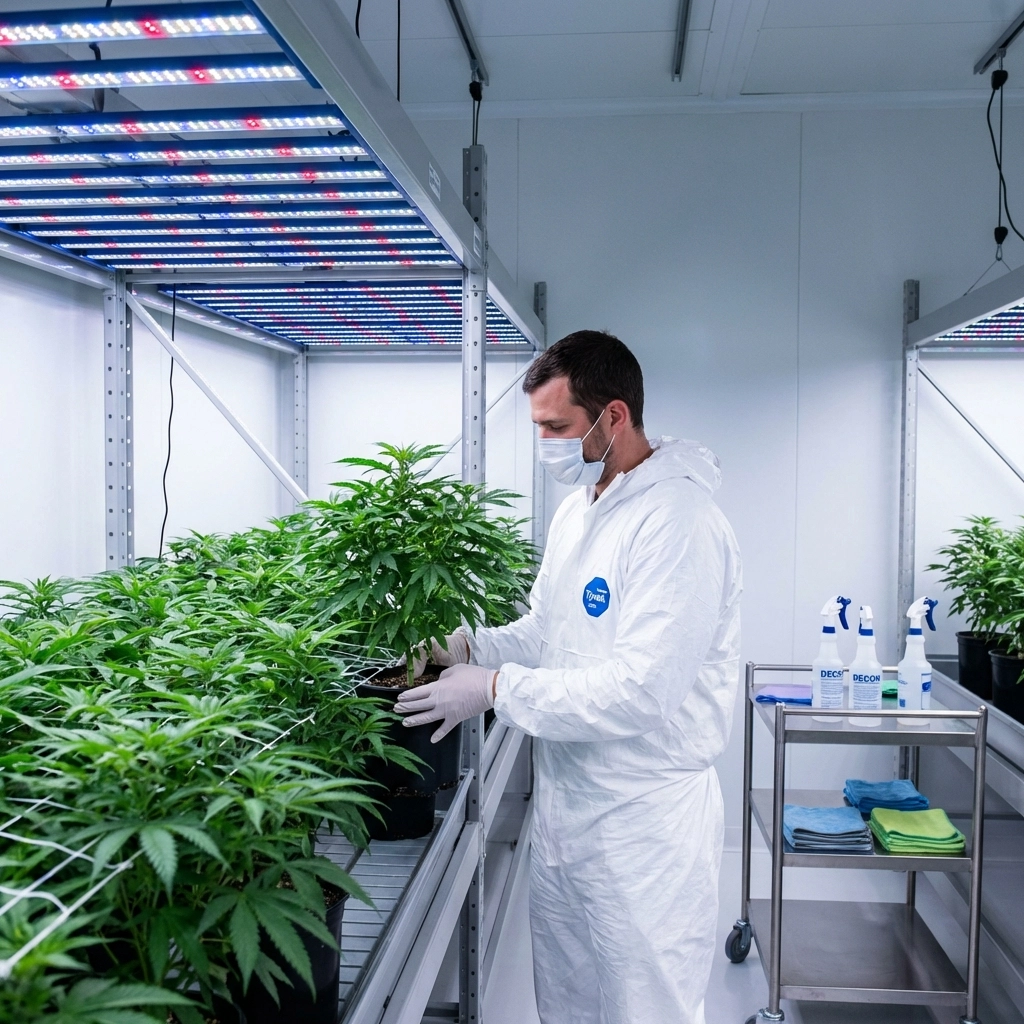
If you discover hermaphroditic plants in your grow space, here's what you need to do:
- Remove the hermie immediately to prevent further contamination
- Clean your entire grow room thoroughly, pollen can stick to surfaces and equipment
- Assume nearby plants may already be pollinated
- Wait at least 4 weeks before considering the space safe from active pollen
After about 4 weeks from your last hermie discovery, the pollen should die and no longer be active, assuming you're not running a continuous crop cycle.
The Learning Process: Why Community Feedback Matters
I want to be completely transparent with you, I don't know everything. What I share comes from my life experience, extensive research, and yes, sometimes "bro science" mixed with real-world observations. I've spent years researching because I couldn't afford to lose money on failed grows, but there are still areas where my knowledge has gaps.
The fact that a community member corrected my pollen information is exactly what makes our industry better. We learn from each other, and I've answered every single comment on our YouTube channel for the past three years because these interactions often lead to valuable insights.
Research Questions for the Community
Speaking of community learning, I have some questions for you experienced breeders and researchers out there:
Have you done your own pollen storage experiments? I'm particularly curious about:
- What's the oldest pollen you've successfully stored and used?
- Have you tried nitrogen-filled environments for pollen storage?
- What specific storage conditions gave you the best results?
- Any failed experiments that taught you what doesn't work?
If you've done actual research or controlled testing on pollen shelf life, I'd love to hear about your results in the comments.
Prevention: Avoiding Hermies in the First Place
Since dealing with hermies is always a headache, prevention is your best strategy. Most hermaphroditic development results from environmental stress, so maintaining stable conditions is crucial:
- Consistent lighting schedules without interruptions during dark periods
- Stable temperatures throughout the grow cycle
- Proper nutrition without deficiencies or toxicities
- Good disease prevention to avoid plant stress
- Quality genetics from reputable sources
The Bigger Picture: Commercial vs. Breeding Perspectives
My background is primarily commercial growing, where hermies are always bad news: they represent lost profits and wasted time. But I recognize that in the breeding world, controlled pollination and pollen storage serve important purposes.
For commercial growers, the focus should always be on prevention and quick removal. For breeders, understanding proper pollen storage techniques becomes a valuable skill that requires precise environmental control.
Moving Forward: Continued Learning
This correction reminds me why I love what we do at Perfect Gardens. Growing is both an art and a science, and there's always more to learn. Whether you're dealing with hermies, figuring out optimal storage conditions, or tackling any other growing challenge, the key is staying curious and open to new information.
I apologize for the incorrect information in my previous content about pollen longevity. Hopefully, this correction provides more accurate guidance for anyone dealing with hermie situations or working with pollen storage.
Your Turn: Share Your Experience
If you've dealt with hermies in your grow, what cleaning protocols worked best for you? Have you experimented with pollen storage, and what were your results?
Drop your experiences in the comments: whether they're success stories or failures we can all learn from. That's how we build a better growing community together.
Remember, at Perfect Gardens, we're always here to support your growing journey, even when that means admitting we got something wrong and learning from our community. Keep those questions and corrections coming( they make all of us better growers.)

Leave a comment
This site is protected by hCaptcha and the hCaptcha Privacy Policy and Terms of Service apply.