
Blog
How to Crush a Grow with Unstable Genetics: Pro Tips from a Real Grower
Let's be honest: dealing with unstable genetics can feel like rolling dice with your entire grow operation. One plant thrives while its genetic twin struggles, and suddenly you're managing a garden that looks like a botanical science experiment gone wrong. But here's the thing: unstable genetics don't have to tank your yields. With the right approach and some strategic interventions, you can actually turn genetic inconsistency into an advantage.
Understanding What You're Working With
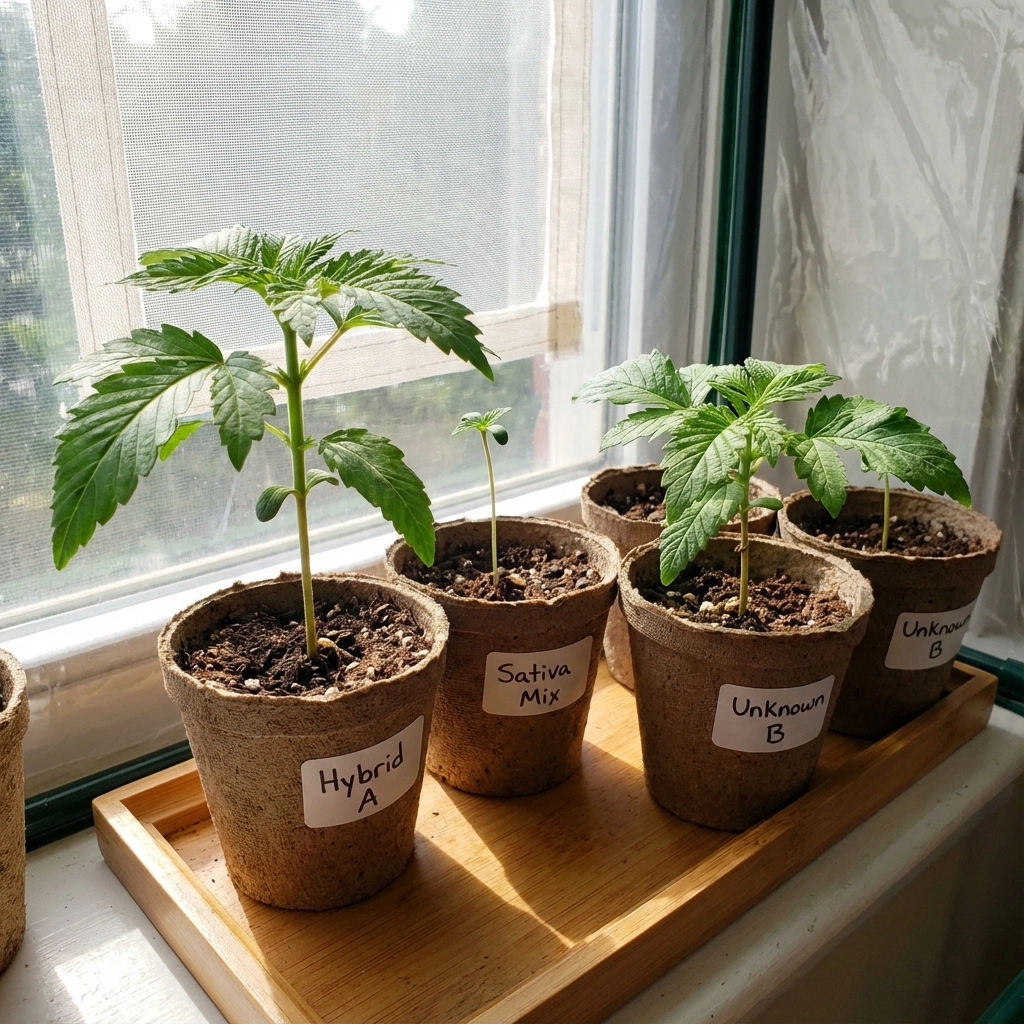
Unstable genetics basically mean you're getting a genetic lottery ticket with every seed. Unlike stable strains that produce consistent traits across all plants, unstable genetics will give you wildly different phenotypes: some plants might stretch tall while others stay compact, some might flower early while others take their sweet time.
The key is recognizing this upfront and adjusting your strategy accordingly. Instead of fighting the variability, you work with it. Think of it as phenotype hunting on steroids: you're not just looking for good plants, you're actively managing a diverse genetic population.
Stage 1: Germination and Early Seedling Phase
This is where genetic instability first shows its face. You'll notice differences in germination timing, initial growth rates, and early leaf development. Some seeds might pop in 24 hours while others take a week. Don't panic: this is normal with unstable genetics.
Pro Tip: Start more seeds than you actually need. If you want 10 plants, start 15-20 seeds. This gives you selection pressure right from the beginning and ensures you're not stuck with weak performers just because they happened to germinate.
During this phase, focus on creating optimal conditions for all your seedlings. A quality microbial foundation becomes crucial here because you want every plant to have the best shot at expressing its potential, regardless of genetic limitations.
The Living Soil Advantage
Here's where living soil becomes your secret weapon against genetic instability. When you're dealing with unpredictable genetics, having a robust soil ecosystem acts as a buffer against genetic weaknesses. Plants with naturally weaker root systems can still access nutrients efficiently through beneficial microbial partnerships.
Living soil provides consistent nutrition delivery regardless of a plant's genetic ability to uptake nutrients. It's like having an insurance policy: even if genetics limit a plant's natural feeding ability, the microbial network can compensate.
Critical Growth Stages to Monitor
Weeks 2-4: The Genetic Expression Window
This is when genetic differences become obvious. You'll see variations in node spacing, leaf size, stem thickness, and overall vigor. Document everything. Take photos, measure heights, note branching patterns. This data helps you identify which plants are worth keeping and which ones might need extra support.
Weeks 4-6: Pre-Flower Preparation
Genetic instability often shows up as inconsistent flowering times. Some plants might show pre-flowers at week 4 while others wait until week 6 or later. Plan your lighting transitions accordingly: you might need to manage different flowering groups separately.
Week 8+: Flower Development
This is where genetic variability can either make or break your yields. Some phenotypes might pack on weight quickly while others develop slowly. Resist the urge to harvest everything at once: let each plant finish on its own timeline.
Nutrition Strategy for Unstable Genetics
With genetic inconsistency, you can't rely on standard feeding schedules. Some plants will be heavy feeders while others prefer lighter nutrition. Here's where targeted supplementation makes all the difference.

Drops of Balance becomes essential when dealing with unstable genetics because it helps normalize water quality and mineral availability. When plants have different genetic capacities for nutrient uptake, having consistent water quality eliminates one variable you can control.
Start with smaller concentrations and observe how different phenotypes respond. Plants with robust genetics might handle full-strength nutrients, while weaker specimens need diluted feeding schedules.
Microbial Support: Your Genetic Insurance Policy
This is where BAM Microbial Inoculant becomes crucial. When genetics are unpredictable, having a consistent beneficial microbial population gives all your plants access to enhanced nutrient availability and disease resistance.

Apply BAM consistently throughout the grow, especially during stress periods like transplanting or environmental changes. The microbial support can help weaker genetic expressions perform better than they would naturally.
Managing the Phenotype Lottery
Selection Strategy: Don't get emotionally attached to plants early on. Keep detailed records of each plant's performance: growth rate, nutrient response, structural development, and flowering behavior. The goal is identifying which phenotypes are worth cloning for future runs.
Space Management: Genetic instability often means height variations. Plan your canopy management accordingly. You might need adjustable light hangers or platforms to keep shorter plants at optimal light distances while taller plants don't burn.
Harvest Timing: Probably the biggest challenge with unstable genetics is synchronized harvests. Some plants might finish in 8 weeks while others need 12. Plan for staggered harvests and don't rush plants that need extra time.
Environmental Control Strategies
Unstable genetics are more sensitive to environmental fluctuations. Plants with weaker genetic foundations can't handle stress as well as stable varieties. This means tighter environmental control becomes critical.
Maintain consistent temperatures, humidity levels, and air circulation. Even small environmental stresses can trigger different responses across your genetic diversity, potentially creating even more management challenges.
Cloning Your Winners
Here's where unstable genetics can actually work in your favor. Once you identify superior phenotypes, those plants become genetic gold mines. Unlike stable genetics where all plants are similar, finding a winner in an unstable batch means you've discovered something potentially unique.
Take clones from your best performers during the vegetative phase. Keep mother plants of exceptional phenotypes: these become your breeding stock for future grows.
The Long Game: Building Your Genetic Library
Working with unstable genetics is really about population management and selection. Each grow cycle gives you data about which genetic expressions work best in your specific environment. Over time, you build a library of proven phenotypes that perform consistently in your setup.
Document everything: feeding responses, growth patterns, flowering times, yields, and quality characteristics. This data becomes invaluable for future genetic selections and breeding projects.
Maximizing Yields Despite Genetic Chaos
Individual Plant Management: Treat each plant as unique. Some might respond well to training techniques while others prefer minimal manipulation. Some need extra support during flowering while others can handle heavy loads naturally.
Resource Allocation: Don't waste premium inputs on weak performers. Once you identify your genetic winners, focus your best nutrients, training, and attention on those plants. Let the weaker specimens serve as learning opportunities or breeding experiments.
Timing Optimization: Harvest each plant at peak ripeness, not when it's convenient. Genetic instability often means different maturation schedules, but respecting individual timing maximizes the potential of each phenotype.
The reality is that unstable genetics require more attention and flexibility than stable strains, but they also offer unique opportunities for discovering exceptional plants. With proper management, microbial support, and selection pressure, you can turn genetic inconsistency into a competitive advantage. The key is working with the variability instead of fighting against it, and having the patience to let each plant express its unique genetic potential.