

Root pathogens are silent killers in the growing world. One day your plants look fine, the next they're drooping like they haven't seen water in weeks: even though you just watered them yesterday. Here's the thing: by the time you see symptoms above ground, the real damage is already happening below the surface.
When I talk about root pathogens, I'm not just talking about the usual suspects like pythium or fusarium. We're dealing with everything from root aphids and scales to mealy bugs, basically anything that can penetrate your root system and create absolute havoc. The key is learning how to spot these problems early and, more importantly, knowing when to fight and when to cut your losses.
The Systematic Approach to Diagnosis
Most growers make the mistake of jumping to conclusions when they see drooping plants. You see those sad, wilted leaves and immediately think it's a watering issue or maybe pH is off. But here's what I've learned: you need a systematic approach to properly diagnose what's really going on.
When you're deep into flowering and see that telltale drooping, there are really only four main culprits to consider:
1. Watering Issues - This one's obvious. You missed a watering day or your irrigation system failed. Easy to rule out.
2. Root Pathogen Diseases - Think pythium, fusarium wilt, root rot. These fungal infections attack the root system directly.
3. Root Bound Problems - Your roots have outgrown their container, and water isn't penetrating properly. It just rolls off the sides instead of soaking in.
4. Root Feeders - This is the one most people miss. Root aphids, mealy bugs, scales: anything that's literally eating your root system from the inside out.
The problem is, all four of these issues present with similar above-ground symptoms initially. That's why you need to dig deeper, literally.
Reading the Progression: A Real Case Study
Let me walk you through a real situation that perfectly illustrates why systematic diagnosis matters. We had a grower reach out during week three of flowering with drooping plants throughout the entire room. Classic symptoms of what looked like a water uptake problem.
Initially, everything pointed to a fungal issue. When plants droop like that during mid-flowering, it's usually pythium or similar pathogens. We started treating accordingly, but here's where it gets interesting: about a week later, the symptoms began evolving.
The leaves were still drooping, but now we're seeing purple stems, yellowing leaves, and a variety of nutrient deficiencies popping up everywhere. This is where most growers get thrown off track. They see these secondary symptoms and shift focus to pH adjustments or parts-per-million tweaks.
Here's the critical insight: When plants can't uptake nutrients properly due to root damage, salts begin stacking in your system. Your data becomes misleading because the numbers look off, but the real problem is still underground.
It wasn't until we dug deeper, literally examined the root system: that we found the real culprit: mealy bugs. These little bastards had colonized the entire root system, essentially eating the plants from the bottom up.
Understanding Root Pathogen Symptoms
The tricky thing about root pathogens is how they masquerade as other problems. Here's what to look for:
Early Stage Signs:
- Unexplained wilting despite adequate moisture
- Slower growth rates
- Slight yellowing of lower leaves
- Plants that look "off" but you can't pinpoint why
Progressive Symptoms:
- Persistent drooping regardless of watering schedule
- Purple stem discoloration
- Rapid onset of multiple nutrient deficiencies
- Stunted root development (if you can inspect)
Advanced Infection:
- Complete root system breakdown
- Plants that can't recover even with perfect conditions
- Secondary infections taking hold
- Complete crop failure
The Hard Decision: Fight or Flight?
Here's where master growers separate themselves from beginners: knowing when to cut your losses. In the case study I mentioned, once we identified the mealy bug infestation, I told the grower straight up: "You need to scrap this crop."
I know that's hard to hear, especially when you're weeks into flowering and looking at a significant investment. But here's the math: fighting a severe root pathogen infestation with pesticides, treatments, and extended recovery time often costs more than starting fresh.
When to Fight:
- Early detection with minimal spread
- High-value crops worth the treatment cost
- Mild infections caught in vegetative stage
- You have effective biological controls ready
When to Restart:
- Widespread infestation across multiple plants
- Advanced flowering stage with limited recovery time
- Treatment costs exceed crop value
- Pathogens that spread rapidly (like mealy bugs)
The grower in our case study made the right call. He scrapped everything, sterilized completely, and restarted. Total turnaround time? Less than 25 days. That's the mark of someone who understands that time is money in this business.
Prevention: Your First Line of Defense
The best way to deal with root pathogens is to never let them establish in the first place. This starts with understanding how these problems typically enter your grow space.
Contaminated Clones are the number one vector. If you're not running your own mother plants and cloning operation, you're at the mercy of whatever sanitation practices your suppliers follow. Always quarantine and inspect new plants before introducing them to your main grow area.
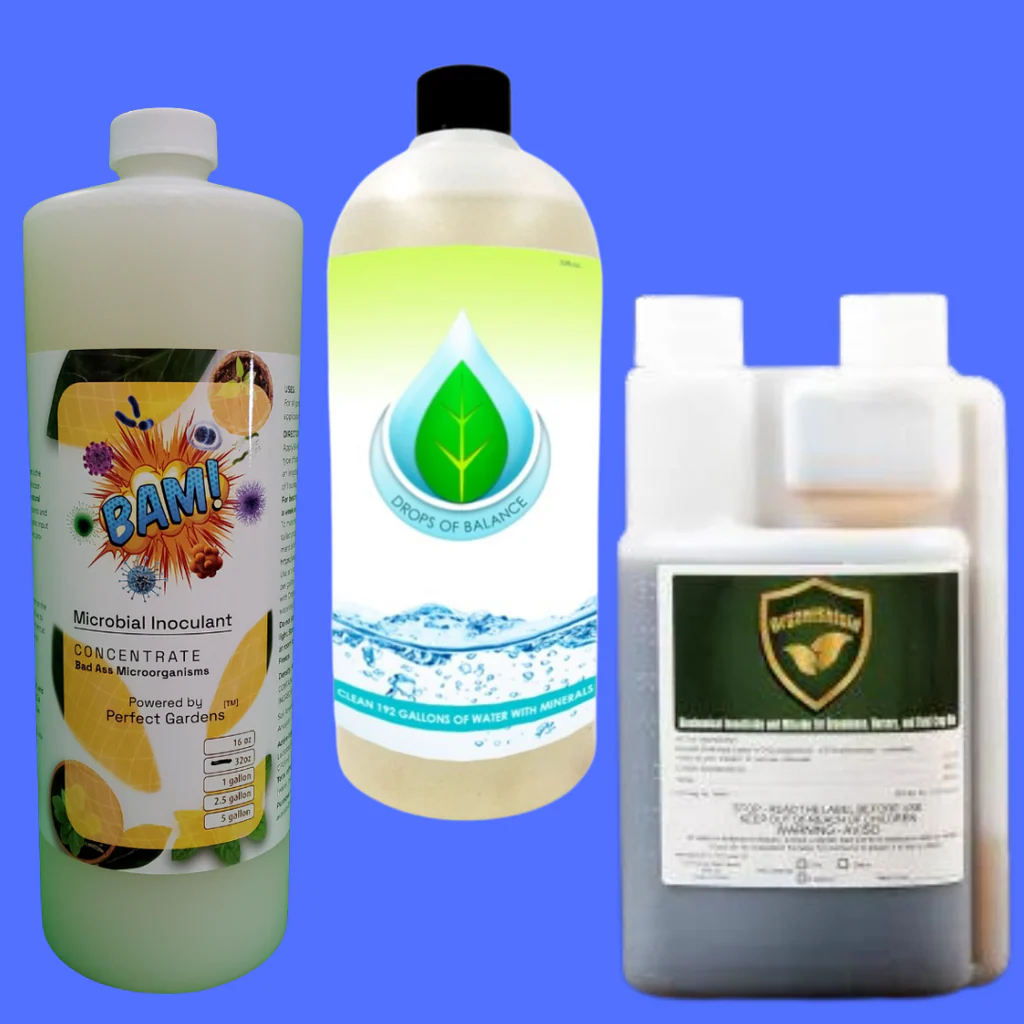
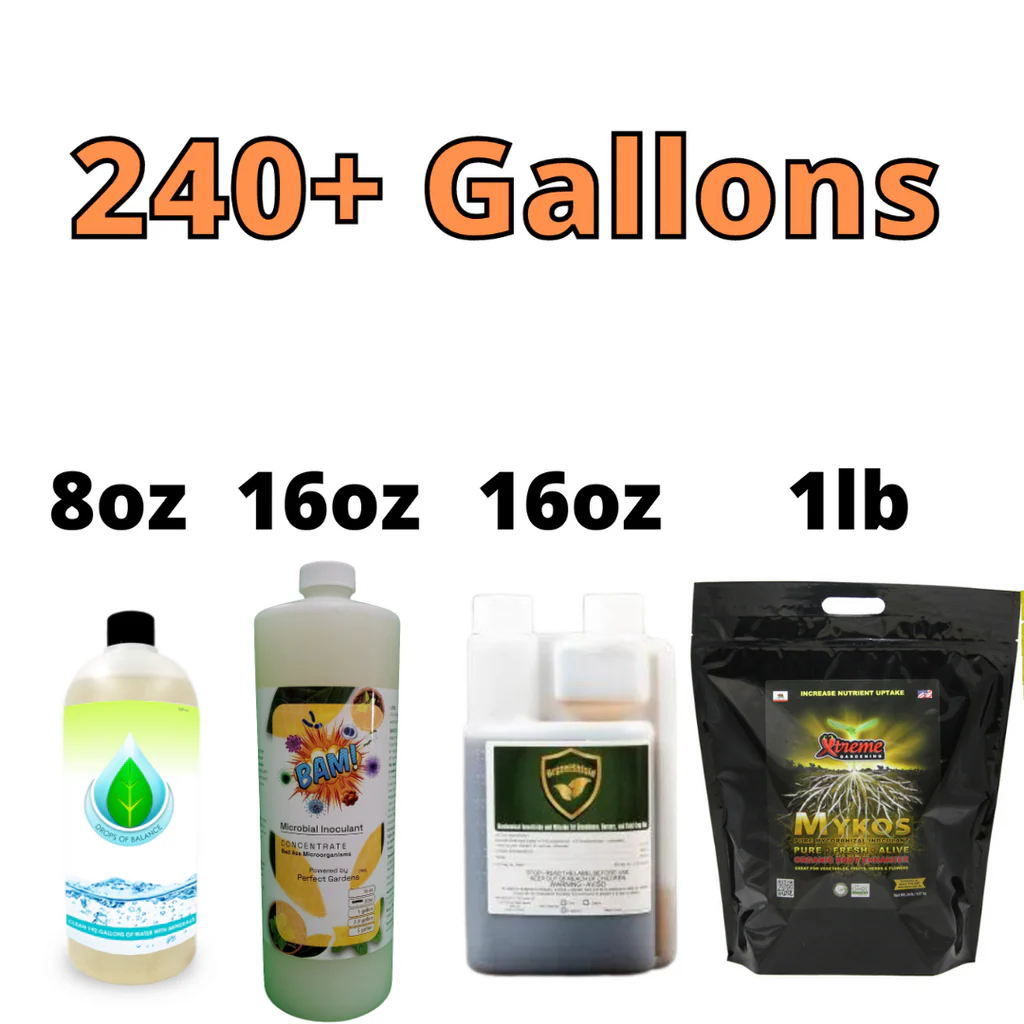
Water Quality plays a huge role in pathogen prevention. Poor water conditions stress plants and create environments where pathogens thrive. Using products like Drops of Balance to clean and structure your water creates an environment less hospitable to harmful microorganisms.
Environmental Controls matter more than most people realize. Inconsistent temperatures, poor air circulation, and excessive humidity all contribute to pathogen-friendly conditions.
Biological Defense Systems
One of the most effective long-term strategies is establishing beneficial microbial populations that outcompete pathogens. Think of it as building a living defense system in your root zone.
Beneficial bacteria like those found in quality microbial inoculants create what's called "competitive exclusion." They literally crowd out the bad guys by occupying the same ecological niches that pathogens would otherwise fill.
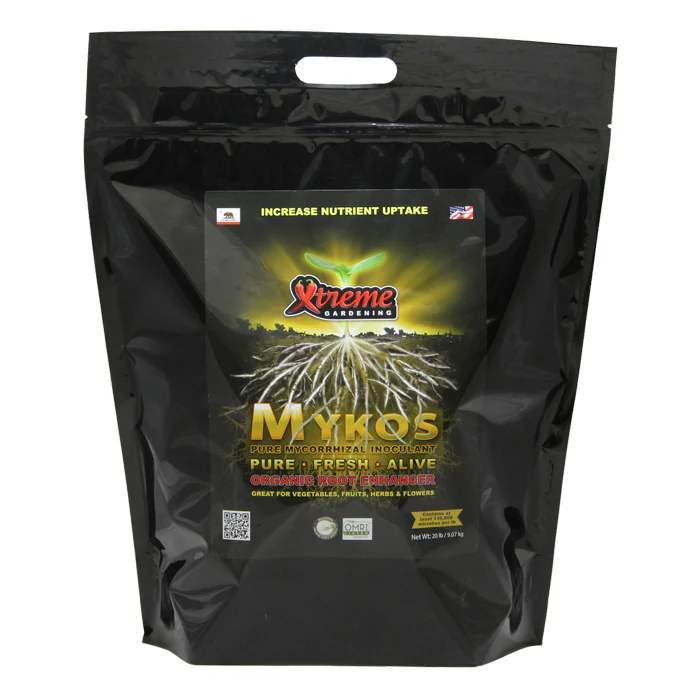
Mycorrhizal fungi form symbiotic relationships with plant roots, creating physical barriers against pathogen invasion while simultaneously improving nutrient uptake. It's like having a security system and a food delivery service all in one.
The key is establishing these beneficial populations before problems arise. Once pathogens have taken hold, it's much harder for beneficial microbes to establish themselves and provide protection.
Treatment Protocols That Actually Work
If you catch root pathogens early enough, there are effective treatment options. The most successful approaches combine multiple strategies rather than relying on any single solution.
Physical treatments like heat can be highly effective for soil sterilization between crops. Heating soil to 140°F for 30 minutes eliminates most plant pathogens. It's labor-intensive but thorough.
Biological controls using Trichoderma fungi have shown excellent results. These beneficial fungi actually seek out and destroy pathogenic fungi while protecting roots from future infection. Unlike chemical treatments that might last a few weeks, Trichoderma provides season-long protection.
Chemical options still have their place, particularly for severe infections. Products containing chlorine dioxide, hydrogen peroxide, or copper-based fungicides can be effective when used properly. However, these should be considered last resorts due to their potential impact on beneficial microorganisms.
The Recovery Process
If you decide to fight rather than restart, understand that recovery takes time. Plants don't bounce back from root damage overnight. You're looking at several weeks of careful management before seeing significant improvement.
Focus on creating optimal conditions for root regeneration: perfect pH, adequate but not excessive moisture, proper temperature, and gentle nutrition. Avoid the temptation to over-fertilize stressed plants: damaged roots can't process heavy nutrient loads effectively.
Moving Forward
Dealing with root pathogens is part of the growing game. The growers who succeed long-term are those who develop systematic approaches to prevention, early detection, and decisive action when problems arise.
Remember: your plants are trying to survive and reproduce. When they're stressed by root pathogens, they'll divert energy toward survival rather than producing the flowers or fruits you want. Your job is creating conditions where beneficial organisms thrive and harmful ones struggle to establish.
The investment in quality microbial products, proper water treatment, and rigorous sanitation practices pays dividends in reduced crop losses and improved yields. It's always cheaper to prevent problems than to fix them after they've taken hold.



Leave a comment
This site is protected by hCaptcha and the hCaptcha Privacy Policy and Terms of Service apply.