

Most indoor gardeners focus exclusively on feeding their plants through the roots, but they're missing out on one of the most effective techniques for boosting plant health: foliar sprays. These nutrient-rich solutions applied directly to leaves can transform your indoor garden's performance in ways that traditional soil feeding simply can't match.
The science behind foliar feeding reveals why it's so powerful. Plants absorb nutrients through their leaves approximately 8 to 10 times faster than through their root systems. This rapid uptake means you can correct deficiencies, boost growth, and strengthen plant defenses almost immediately.
Why Foliar Feeding Outperforms Root Feeding
Traditional root feeding faces several limitations that foliar sprays easily bypass. Soil pH issues, nutrient lockouts, and poor root health can all prevent plants from accessing the nutrients they need. When you spray nutrients directly onto leaves, you're delivering them straight to where photosynthesis happens.
The leaf surface contains thousands of tiny openings called stomata that readily absorb dissolved nutrients. This direct pathway eliminates the complex soil chemistry that often interferes with nutrient availability. Your plants get exactly what they need, when they need it, without the guesswork.
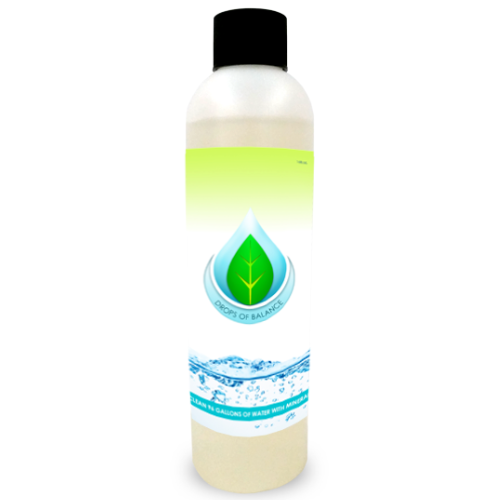
The Drops of Balance Advantage
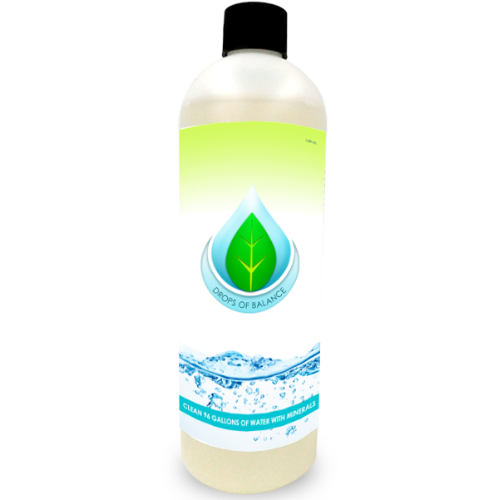
While many foliar sprays provide basic nutrients, Drops of Balance takes a different approach. This concentrated mineral solution focuses on delivering essential trace elements that are often missing from standard fertilizers. These micronutrients play crucial roles in plant metabolism, enzyme function, and overall plant health.
What sets Drops of Balance apart is its unique formulation of bioavailable minerals. Rather than synthetic compounds, it contains naturally derived trace elements that plants recognize and utilize more efficiently. The concentrated formula means a little goes a long way – just a few drops per gallon creates an effective foliar spray.
The mineral profile in Drops of Balance includes elements like silicon, which strengthens cell walls and improves pest resistance, and trace amounts of iron, manganese, and zinc that are essential for chlorophyll production and enzyme activation.
Boosting Photosynthesis with Trace Minerals
Photosynthesis depends on more than just nitrogen, phosphorus, and potassium. The process requires numerous trace minerals that act as cofactors in the complex biochemical reactions that convert light into energy. Without these micronutrients, even well-fed plants operate below their potential.
Iron plays a particularly important role in chlorophyll synthesis. When plants lack sufficient iron, they develop interveinal chlorosis – yellowing between leaf veins that severely impacts photosynthetic efficiency. Foliar application of iron-rich solutions like Drops of Balance corrects this deficiency rapidly, often showing improvement within days.
Manganese is another crucial element for photosynthesis. It's required for the oxygen-evolving complex in photosystem II, where water molecules are split to release electrons for the light reactions. Manganese deficiency shows up as brown spots and necrotic areas on leaves, directly reducing the plant's energy production capacity.
Zinc supports numerous enzyme systems involved in photosynthesis and growth regulation. It's particularly important for the production of auxins and other plant hormones that regulate growth patterns. Zinc-deficient plants often show stunted growth and small leaves with poor color development.
Natural Pest and Heavy Metal Protection
One of the most valuable benefits of trace mineral foliar sprays is their ability to strengthen plant defenses. Plants with optimal mineral nutrition develop thicker, more robust cell walls that insects find harder to penetrate. The silicon content in quality mineral supplements like Drops of Balance creates a physical barrier against soft-bodied pests like aphids and spider mites.
Beyond pest resistance, trace minerals help plants cope with environmental toxins and heavy metals. Some minerals act as chelating agents, binding to harmful substances and reducing their toxicity. Others support the plant's natural detoxification processes, helping maintain cellular health even in less-than-perfect growing conditions.
Plants with adequate trace mineral nutrition also produce higher levels of secondary metabolites – compounds that serve as natural pesticides and defense mechanisms. These include phenolic compounds, terpenoids, and alkaloids that deter pests and pathogens while contributing to plant vigor and quality.
Mixing and Application Guidelines
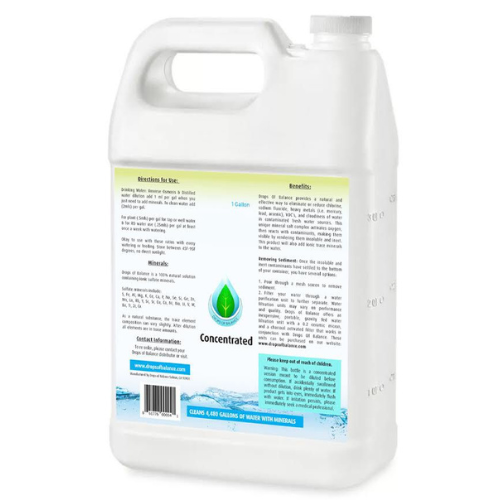
Proper dilution is crucial for effective foliar feeding. Drops of Balance's concentrated formula requires careful measurement to avoid leaf burn while ensuring adequate nutrient delivery. Start with the manufacturer's recommended dilution rate, typically around 1-2 ml per gallon of water for foliar applications.
Water quality significantly impacts foliar spray effectiveness. Use filtered or distilled water when possible, as chlorine and excess minerals in tap water can interfere with nutrient absorption or cause leaf damage. The pH of your foliar solution should be slightly acidic, around 6.0-6.5, for optimal absorption through the stomata.
Add a surfactant or wetting agent to improve coverage and absorption. A drop of mild soap per gallon helps the solution spread evenly across leaf surfaces rather than beading up and rolling off. Some growers prefer specialized surfactants designed for horticultural use.
Always test new foliar solutions on a few leaves before treating entire plants. Apply the spray to a small section and wait 24-48 hours to check for any signs of phytotoxicity or leaf burn. This simple precaution prevents widespread damage from incompatible products or excessive concentrations.
Timing Your Applications
The timing of foliar applications dramatically affects their success. Apply sprays during the cooler parts of the day, preferably early morning or late afternoon, when stomata are more open and evaporation rates are lower. Avoid spraying during peak light hours when rapid evaporation can concentrate nutrients on leaf surfaces and cause burning.
Humidity levels also influence absorption. Moderate humidity (40-60%) provides the best conditions for foliar feeding. Too low, and the solution evaporates before absorption occurs. Too high, and you risk fungal problems from extended leaf wetness.
Stop foliar feeding once flowering begins, as wet flowers invite mold and other pathogens. Focus your spray applications during vegetative growth when plants can most effectively utilize the additional nutrients for building strong, healthy foliage.
Frequency and Plant Response
Most plants benefit from weekly foliar applications during active growth periods. However, plants showing nutrient deficiencies may need more frequent treatments initially. Monitor plant response carefully – healthy plants with good color and vigorous growth indicate your program is working.
Watch for signs of over-application, including leaf burn, excessive salt buildup, or delayed flowering. These symptoms suggest you need to reduce concentration or frequency. Remember that foliar feeding supplements rather than replaces regular root feeding for most nutrients.
Integration with Your Nutrient Program
Foliar sprays work best as part of a comprehensive nutrition program. Use them to fine-tune plant health and address specific deficiencies rather than as your primary feeding method. The rapid response from foliar applications makes them perfect for course corrections during the growing cycle.
Consider your base nutrient solution when planning foliar applications. If you're already providing adequate macronutrients through root feeding, focus your foliar program on trace elements and specialty compounds that enhance plant performance.
For growers using hydroponic systems, foliar feeding offers additional insurance against nutrient deficiencies that can develop quickly in soilless media. The combination of precise root-zone nutrition and supplemental foliar feeding creates optimal growing conditions that maximize plant potential.
The investment in quality foliar spray products like Drops of Balance pays dividends in healthier, more productive plants. Start with small quantities to test the system with your particular setup, then scale up as you see results. Your plants will reward you with improved growth, better pest resistance, and higher overall quality.



Leave a comment
This site is protected by hCaptcha and the hCaptcha Privacy Policy and Terms of Service apply.