
Blog
How to Use ANY Water Source for Your Grow
Water is the foundation of every successful grow, but here's what most growers get wrong: they think they need expensive distilled water or perfect conditions to get great results. The truth is, you can use virtually any water source, tap, well, spring, even questionable municipal water, as long as you understand how to treat it properly.
After working with thousands of growers, we've seen people spend ridiculous amounts on bottled water while others struggle with poor results from untreated tap water. There's a better way that saves money and actually improves plant health.
Understanding Your Water Source
Tap Water Reality Check
Most municipal tap water contains chlorine, chloramines, and various minerals that can interfere with nutrient uptake. The PPM (parts per million) typically ranges from 150-400, which isn't necessarily bad, it's just inconsistent. Some areas have incredibly hard water with high calcium content, while others have soft water that lacks essential minerals.
The biggest issue isn't the minerals themselves, it's the unpredictability. Your plants need consistent conditions to thrive, and municipal water quality can fluctuate based on seasonal treatments, infrastructure maintenance, and source changes.
Well Water Challenges
Well water presents its own set of variables. It's often high in iron, sulfur, or other minerals depending on your geological area. Some well water tests at 800+ PPM, loaded with calcium and magnesium. While these aren't toxic to plants, they can lock out other nutrients and create pH swings that stress your plants.
Spring Water Misconceptions
Don't assume spring water is automatically better. Commercial spring water often lacks the mineral balance plants need, and some sources are actually processed in ways that remove beneficial elements. Plus, the cost adds up quickly when you're running a serious grow operation.
The PPM Factor: Why It Matters More Than You Think
PPM measures the total dissolved solids in your water. Here's why this number is crucial for your grow success:
Starting PPM Affects Nutrient Mixing
If your water starts at 300 PPM and you add nutrients designed for 0 PPM water, you're potentially overfeeding your plants. Most nutrient calculators assume you're starting with clean water, so high starting PPM throws off the entire feeding schedule.
Lockout and Deficiency Issues
High PPM water often contains excess calcium and magnesium, which can bind with other nutrients and make them unavailable to plants. This creates the frustrating situation where you're feeding properly but still seeing deficiency symptoms.
pH Instability
Mineral-heavy water creates pH buffering that fights against your pH adjustments. You'll find yourself constantly chasing pH swings, wasting time and money on pH-up and pH-down products.
How Drops of Balance Changes Everything
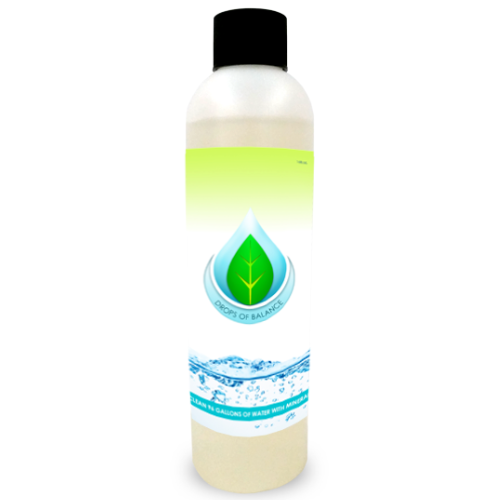
This is where water treatment becomes a game-changer instead of just another expense. Drops of Balance works differently than traditional water filters or RO systems: it actually optimizes your existing water rather than stripping everything out.
The Remineralization Approach
Instead of removing all minerals and starting from scratch, Drops of Balance balances the mineral content in your water. It neutralizes harmful elements while preserving and adding beneficial ones. This creates stable, plant-friendly water regardless of your starting source.
Chlorine and Chloramine Elimination
Unlike letting water sit out for 24 hours (which only handles chlorine, not chloramines), Drops of Balance actively neutralizes both. This protects beneficial microbes in your growing medium and prevents root damage from chemical exposure.
Cost Efficiency That Actually Adds Up
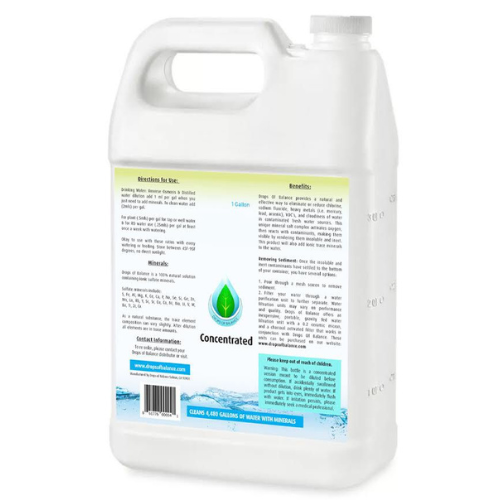
A single bottle treats hundreds of gallons. When you compare this to buying distilled water or running an expensive RO system, the savings become significant. More importantly, you get better results because your water has the right mineral profile instead of being stripped bare.
Money-Saving Water Treatment Strategy
Calculate Your Current Water Costs
Most growers don't realize how much they spend on water solutions. If you're buying distilled water, you're probably spending $1-3 per gallon. For a medium-sized hydroponic setup using 20-30 gallons per week, that's $80-360 monthly just on water.
RO System Reality Check
Reverse osmosis systems seem cost-effective until you factor in installation, maintenance, membrane replacement, and the 3-4 gallons of waste water per gallon of clean water produced. Plus, RO water lacks beneficial minerals that you'll need to add back anyway.
The Treatment Approach
Treating your existing water source typically costs under $0.10 per gallon and gives you consistent, optimized water. Over a growing season, this saves hundreds of dollars while actually improving plant health through proper mineralization.
Organic Growing Water Considerations
Living Soil Compatibility
Organic grows rely on beneficial microbes and soil biology. Chlorinated or heavily processed water can damage these beneficial organisms. Treated water that preserves biological activity while removing harmful chemicals supports the living ecosystem in your growing medium.
Compost Tea and Beneficial Bacteria
If you're brewing compost teas or using beneficial bacteria products, water quality becomes even more critical. These organisms are sensitive to chemical residues and improper mineral balance. Properly treated water ensures your biological additives remain active and effective.
Hydroponic System Specifics
Nutrient Solution Stability
Hydroponic systems require precise nutrient management. Starting with properly treated water creates a stable base that responds predictably to nutrient additions. This reduces the guesswork and prevents the nutrient lockouts that plague many hydro growers.
System Longevity
Untreated water can cause mineral buildup in pumps, lines, and reservoirs. This leads to expensive equipment replacement and system maintenance. Treated water extends equipment life and reduces cleaning frequency.
pH Management
Properly treated water holds pH more consistently, reducing the need for constant adjustments. This stability translates to less stress on plants and more predictable growth patterns.
Practical Application Steps
Step 1: Test Your Water
Get a baseline PPM and pH reading of your untreated water. This helps you understand what you're working with and track the effectiveness of treatment.
Step 2: Calculate Treatment Ratios
Drops of Balance provides clear mixing ratios based on your water volume. Start with the recommended dose and adjust based on your specific water conditions and plant response.
Step 3: Treat and Wait
Add the treatment and allow 15-30 minutes for full activation before adding nutrients. This ensures the water chemistry stabilizes before introducing plant food.
Step 4: Monitor Results
Track plant response over 2-3 weeks. You should notice more stable growth, better nutrient uptake, and reduced pH swings.
Common Mistakes to Avoid
Don't assume more treatment is better. Over-treating water can create mineral imbalances just like under-treating. Follow the recommended ratios and adjust gradually based on results.
Avoid mixing treatment products without understanding their interactions. Some water conditioners can interfere with each other or with your nutrient program.
Don't skip the waiting period after treatment. The chemical processes need time to complete before your water is ready for nutrient mixing.
The Bottom Line on Water Sources
Any water source can work for growing when properly treated. The key is understanding what your water needs and addressing those specific issues rather than following generic advice or expensive solutions that may not fit your situation.
Proper water treatment typically pays for itself within the first month through improved plant health and reduced input costs. More importantly, it gives you consistent, predictable results regardless of seasonal changes in your water supply or fluctuations in municipal treatment.
The goal isn't perfect water: it's optimized water that supports healthy plant growth while fitting your budget and growing style.