
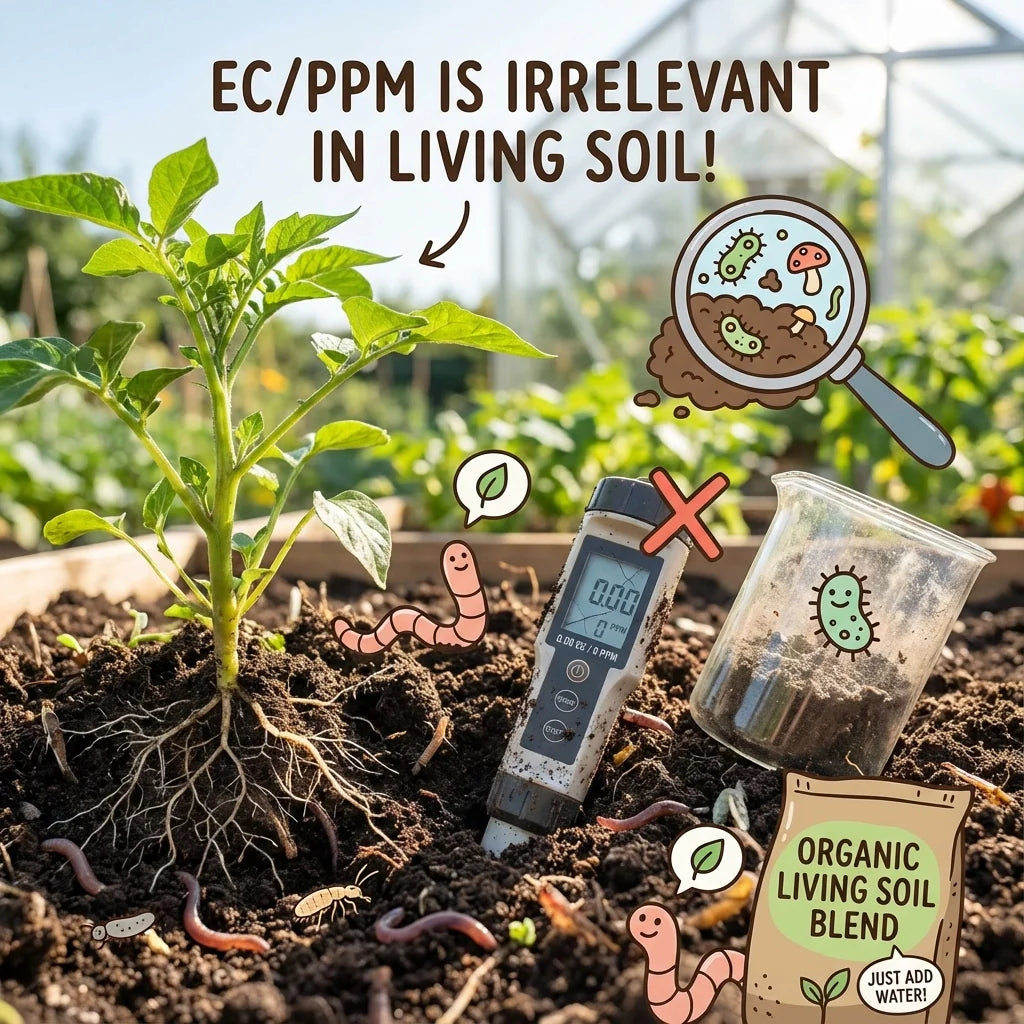
If you've been growing in hydroponic systems, you probably live and die by your EC meter. Stay under 1,800 PPM or your plants will burn. Hit 3,000 PPM and you're definitely frying your crop. But what if I told you there's a grower out there running 24,000 PPM in his nutrient solution: and his plants are absolutely thriving?
This isn't some fairy tale. It's happening right now in living soil systems, and it's about time we talked about why everything you think you know about EC and PPM might be holding back your organic grows.
The Living Soil Game Changer
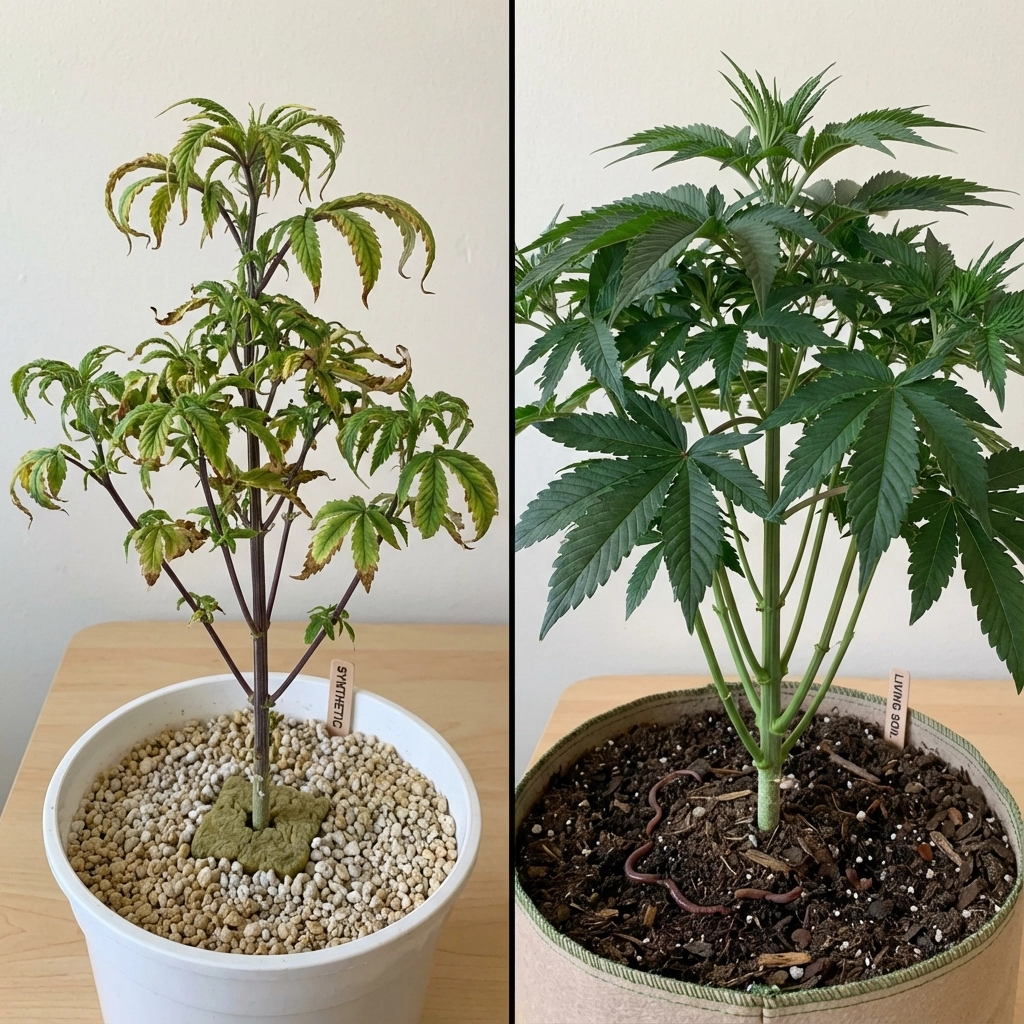
Here's the thing about living soil: it plays by completely different rules than hydroponic systems. When you're running synthetic nutrients in rockwool or coco, those dissolved salts hit your roots directly. No buffer, no processing: just pure, concentrated minerals that can easily overwhelm your plants.
Living soil? That's an entirely different ecosystem. You've got millions of beneficial bacteria, fungi, protozoa, and other microorganisms creating a complex web of nutrient processing. These microbes don't just sit there: they're actively breaking down organic matter, chelating minerals, and creating a buffered environment that can handle nutrient loads that would kill plants in sterile media.
Think of synthetic nutrients like drinking straight vodka, while living soil is more like a fine wine that's been aged and processed. Both contain alcohol, but your body handles them very differently.
The Science Behind Sky-High PPM
When we talk about 24,000 PPM in living soil, we're not talking about 24,000 PPM of immediately available salts hitting your roots. We're talking about a complex soup of organic compounds, humic acids, amino acids, and slow-release nutrients that get processed by soil biology over time.
The Law of Minimum in Action
The law of minimum states that plant growth is limited by the scarcest essential nutrient, not the most abundant one. In synthetic systems, you're trying to balance this by providing exact ratios of N-P-K and micronutrients. Miss the mark, and you get deficiencies or toxicities.
Living soil biology changes this game entirely. Beneficial microbes can:
- Store excess nutrients and release them when plants need them
- Convert unavailable nutrients into plant-accessible forms
- Protect roots from salt burn through biofilm production
- Create chelated nutrients that are easier for plants to uptake
The Law of Tolerance Expansion
The law of tolerance describes the range of environmental conditions where organisms can survive and thrive. Here's where it gets interesting: robust soil biology actually expands this tolerance range.
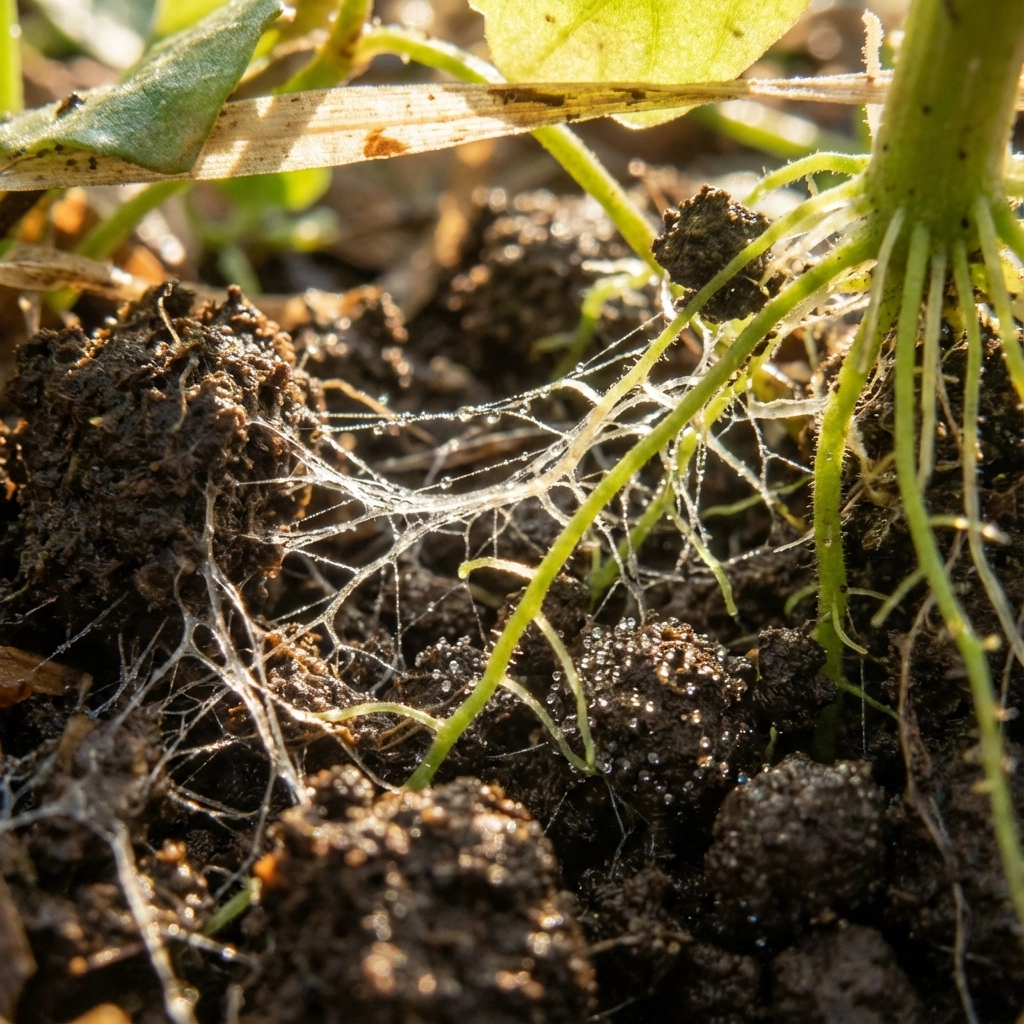
When you have a thriving microbial population, your plants can handle:
- Higher nutrient concentrations without burning
- Greater pH swings without stress
- More extreme environmental conditions
- Faster nutrient uptake without overfeeding
Why EC Meters Lie in Living Soil
Traditional EC meters measure the electrical conductivity of your solution: essentially how many dissolved salts are floating around. In hydroponic systems, this gives you a decent picture of nutrient availability because those salts are immediately accessible to plant roots.
In living soil, EC readings become nearly meaningless for several reasons:
Complex Organic Molecules Organic nutrients exist as large, complex molecules that don't conduct electricity the same way dissolved salts do. Your EC meter might read low even when your soil is loaded with available nutrition.
Time-Released Availability Just because nutrients are present doesn't mean they're available right now. Organic matter breaks down over days, weeks, or even months. That 24,000 PPM reading represents potential nutrition, not immediate availability.
Biological Buffering Soil microbes actively regulate nutrient release based on plant demand. They can hold onto excess nutrients during heavy feeding and release them during periods of high plant uptake.
Runoff Testing Is Worthless Many growers try to measure soil EC by testing runoff water, but this method provides almost no useful information. The runoff doesn't represent what's happening in your root zone: it's just what's draining away after passing through complex soil interactions.
The Microbial Workforce
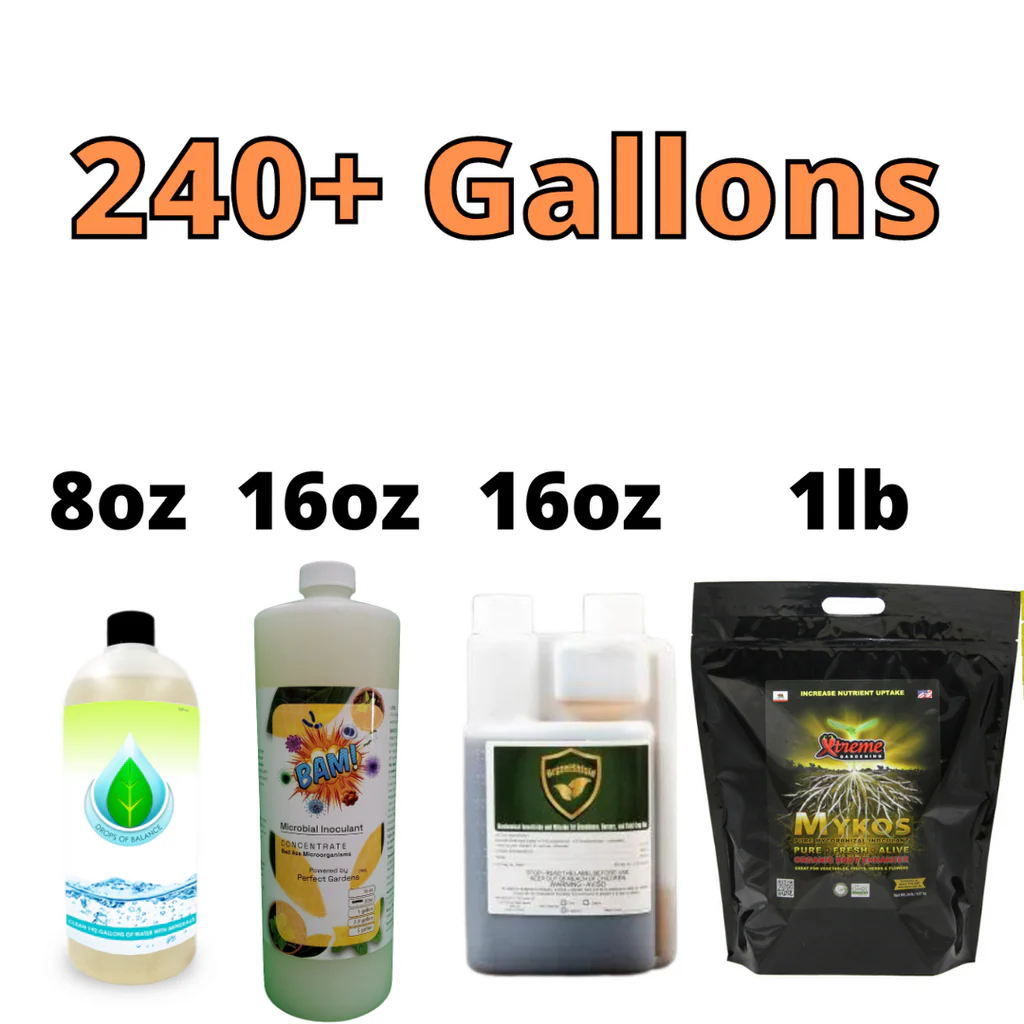
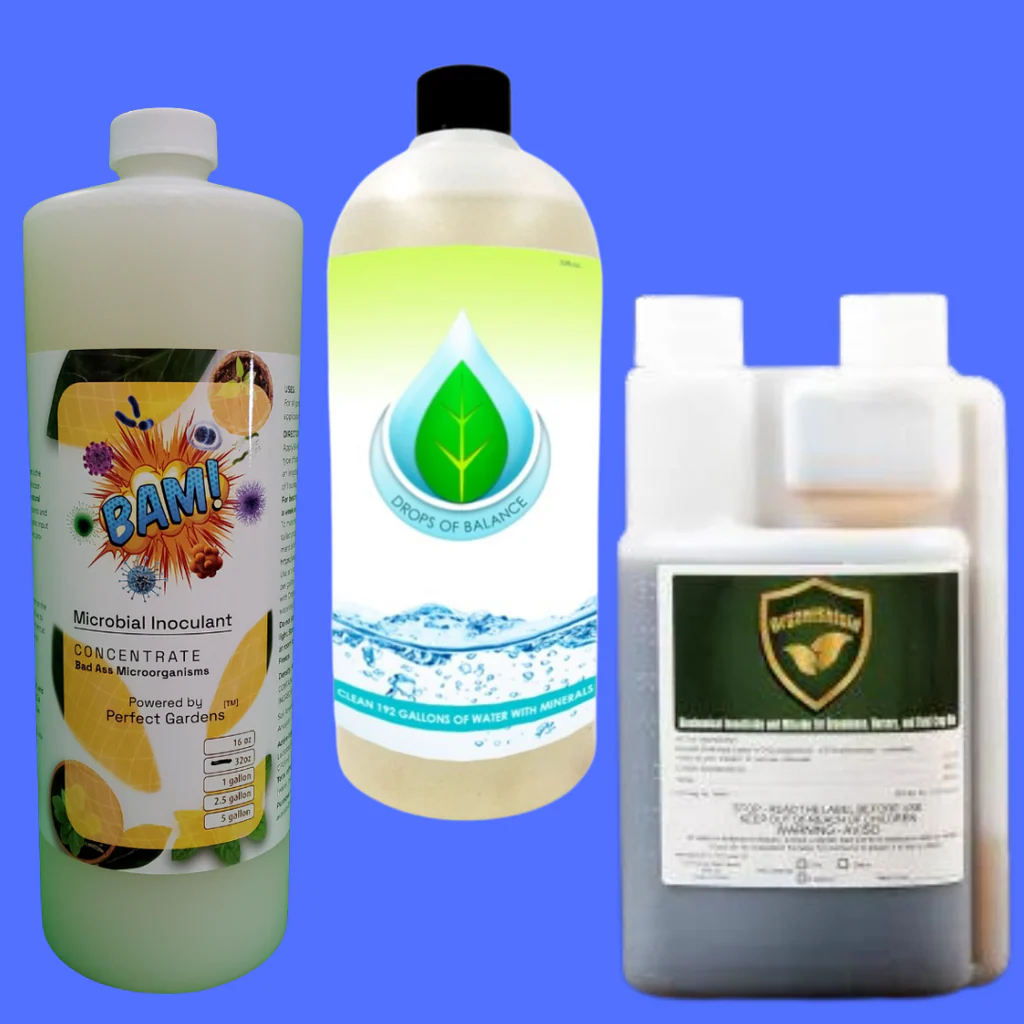
The real magic happens with soil biology. Products like BAM (Badass Microbes) introduce beneficial bacteria and fungi that create this buffered environment. These microorganisms:
- Break down complex organic matter into plant-available nutrients
- Create symbiotic relationships with plant roots
- Protect against harmful pathogens
- Regulate nutrient release based on plant signals
- Store nutrients in biomass to prevent leaching
When you combine this biological activity with water conditioning products like Drops of Balance, you create an environment where plants can access tremendous amounts of nutrition without the typical burn associated with high-salt synthetic fertilizers.
Visual Diagnosis Over Numbers
Instead of obsessing over EC readings, successful living soil growers focus on visual plant diagnosis. Your plants will tell you exactly what they need:
Healthy Signs:
- Deep green coloration without burning
- Vigorous growth and robust stems
- Abundant root development
- Strong pest and disease resistance
Deficiency Indicators:
- Yellowing leaves (often nitrogen deficiency)
- Purple stems (phosphorus deficiency)
- Brown leaf edges (potassium deficiency)
- Interveinal chlorosis (iron deficiency)
This visual approach works better in living soil because the biological processes create a more stable, forgiving environment where problems develop more gradually and plants have better recovery capacity.
The Four-Year Test
One of the most impressive aspects of properly managed living soil is its longevity. The grower in our example has been using the same soil beds for four years and they're still producing incredible yields. This demonstrates the sustainable nature of biological growing systems.
In synthetic hydroponic systems, you're constantly managing nutrient solutions, adjusting pH, and dealing with salt buildup. Living soil systems become more productive over time as organic matter builds up and microbial populations establish stable communities.
Making the Transition
If you're used to hydroponic growing, transitioning to living soil requires a mindset shift:
Start with Quality Biology Invest in proven microbial inoculants rather than cheap alternatives. The initial cost pays off through improved plant health and reduced inputs over time.
Focus on Soil Building Think long-term. Each grow cycle should improve your soil through proper composting, cover cropping, and organic matter additions.
Trust the Process Accept that you can't control every variable like you can in hydro. The biological processes need time to establish and find balance.
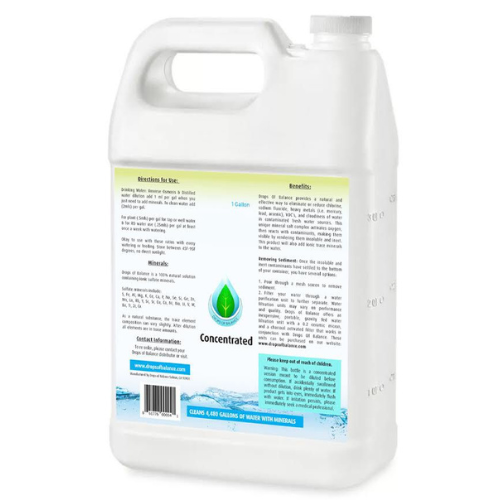
Water Quality Matters Clean, structured water becomes even more important in living soil. Chlorine and heavy metals can devastate beneficial microbe populations.
Beyond the Numbers
The bottom line is this: EC and PPM measurements that would terrify hydroponic growers are routine in healthy living soil systems. When you have robust soil biology processing nutrients, buffering extremes, and protecting plant roots, your plants can access nutrition levels that would be impossible in sterile media.
This isn't about ignoring science: it's about understanding that living soil operates under different scientific principles than hydroponic systems. The complex interactions between plants, microbes, and organic matter create an environment where traditional nutrient management rules simply don't apply.
The Real Measurement That Matters Instead of obsessing over EC meters, focus on the health and productivity of your plants. Strong growth, high yields, superior quality, and long-term soil sustainability are the metrics that actually matter in living soil systems.
When your plants are pulling 24,000 PPM from their environment and loving every minute of it, you know you've moved beyond the limitations of synthetic growing into the realm of biological abundance.
Still skeptical? Don't just take my word for it—check out the video evidence for yourself right here: https://www.youtube.com/watch?v=P6EoekXGAWk


Leave a comment
This site is protected by hCaptcha and the hCaptcha Privacy Policy and Terms of Service apply.