
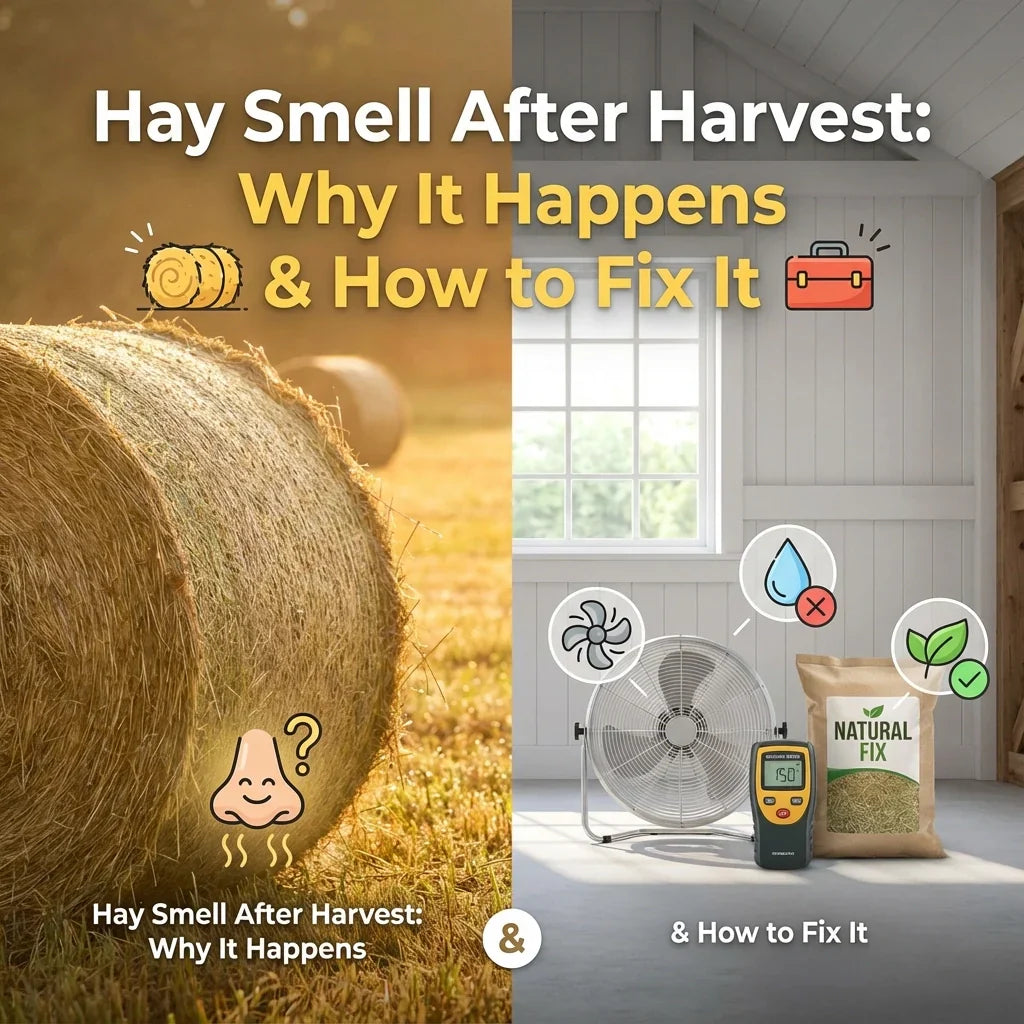
You've spent months nurturing your plants, watching them grow and develop those beautiful, fragrant buds. Then harvest day arrives, and everything seems perfect. But a few days into drying, that devastating hay smell starts creeping in, replacing those rich terpenes you worked so hard to develop.
This frustrating problem affects indoor gardeners everywhere, and it's not just about aesthetics. That hay smell signals a breakdown in your plant's quality: affecting taste, potency, and overall product value. The good news? Understanding why it happens puts you in control of preventing it.
The Science Behind That Dreaded Hay Smell
The hay smell isn't just one thing going wrong. It's actually a perfect storm of biological processes that can derail your harvest when conditions aren't quite right.
Chlorophyll Breakdown Gone Wrong
Think of chlorophyll as your plant's green machinery: it's what kept those leaves vibrant and photosynthesizing throughout the grow. After harvest, this chlorophyll needs to break down gradually and naturally. When this process gets disrupted, you end up with that grassy, hay-like odor instead of the complex terpene profiles you're after.
The breakdown should happen slowly, allowing enzymes to properly process the chlorophyll while preserving the delicate aromatic compounds. When conditions are off: too hot, too humid, or moving too fast: the chlorophyll doesn't degrade properly, and you're left with that unmistakable smell of fresh-cut grass.
Heavy Metals and Enzyme Function
Here's where things get interesting. Heavy metals in your water supply or nutrients can seriously impact how well those crucial enzymes function during the curing process. These metals interfere with the natural breakdown pathways, essentially throwing a wrench in the biological machinery that should be working to develop flavors and preserve terpenes.
This is why water quality matters so much more than many growers realize. Those trace amounts of metals might seem insignificant during the growing phase, but they become major players during harvest and curing.
The Bacterial Balance Challenge
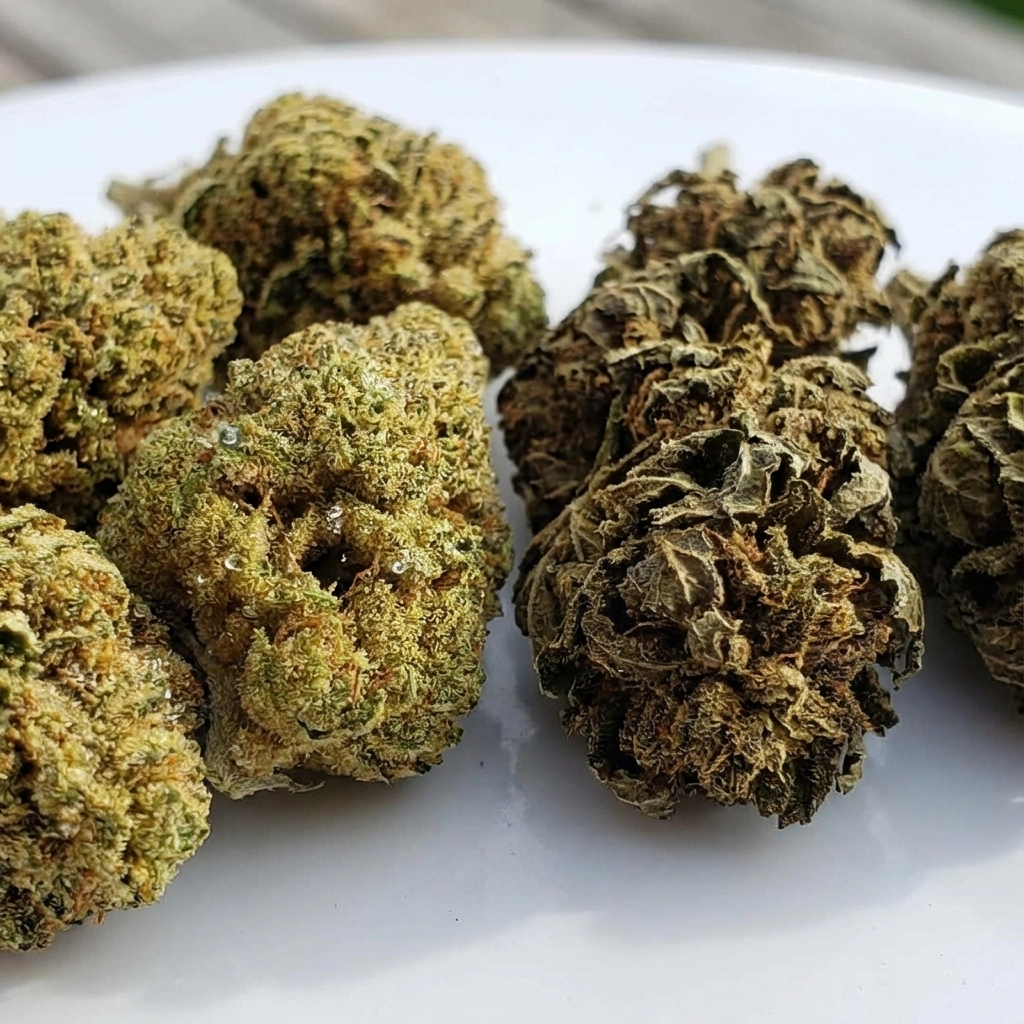
Your post-harvest environment is actually a complex ecosystem, and like any ecosystem, balance is everything. The problem isn't necessarily bacteria themselves: it's the wrong kinds of bacteria taking over when conditions favor them over the beneficial microorganisms you actually want.
When Good Bacteria Go Bad
Healthy bacteria play a crucial role in proper curing. They help break down compounds in ways that enhance flavor and aroma development. But when moisture levels spike, temperatures climb, or air circulation drops, opportunistic bacteria and mold spores move in fast.
These unwanted microorganisms don't just smell bad: they actively compete with the beneficial processes that should be happening. They consume the same resources your plants need for proper curing, essentially hijacking the entire process.
The Moisture-Speed Trap
Many growers fall into this trap: they either dry too fast (thinking faster is safer) or too slow (trying to preserve every bit of moisture). Both approaches can trigger that hay smell, but through different mechanisms.
Rapid drying might seem like it prevents bacterial issues, but it actually locks in chlorophyll and doesn't give beneficial enzymes time to work. Slow drying in poor conditions just invites the wrong kinds of microbial activity.
How Products Like Drops of Balance Make a Difference

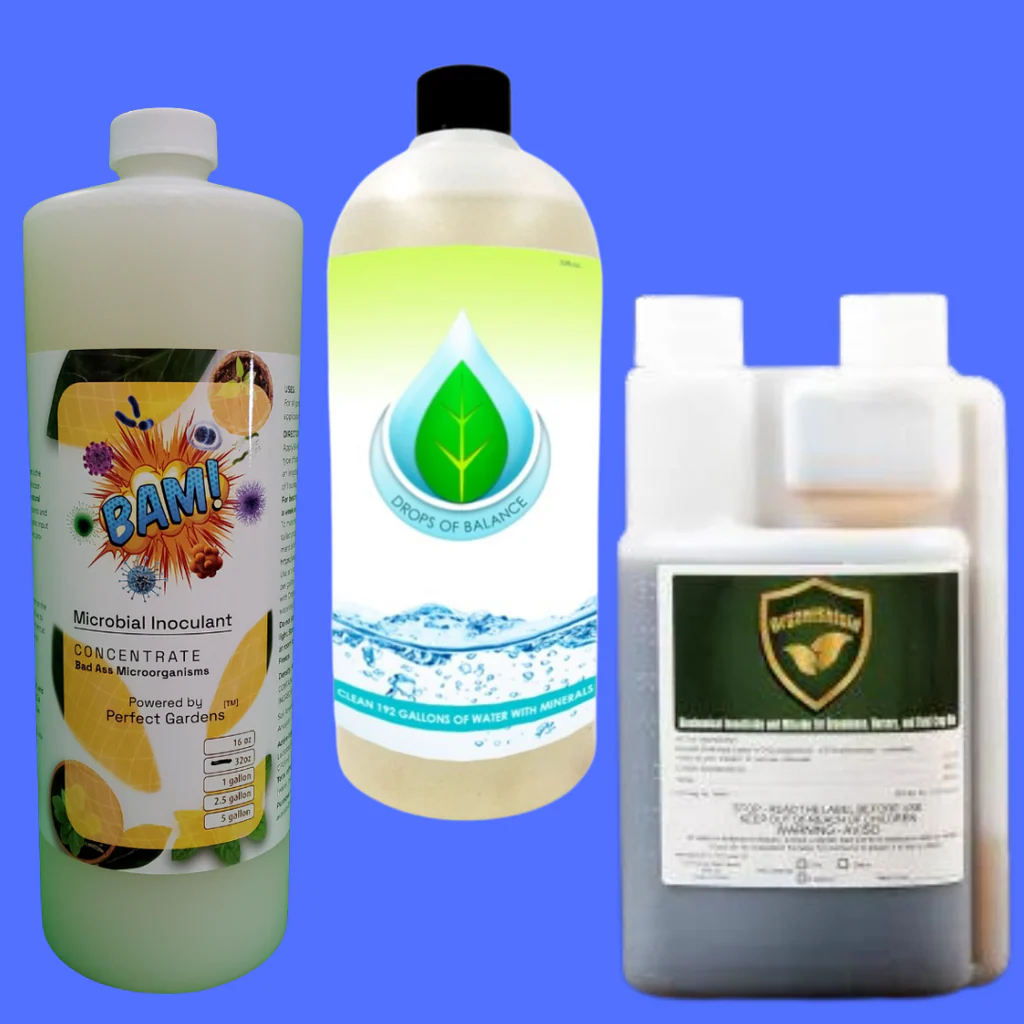
This is where understanding water quality becomes crucial for your entire harvest process. Products like Drops of Balance work by addressing those heavy metal issues that interfere with proper enzyme function.
The Water Quality Foundation
Most tap water contains trace metals that accumulate in your plants throughout the growing cycle. During harvest and curing, these metals can disrupt the delicate enzymatic processes that should be breaking down chlorophyll and preserving terpenes.
Drops of Balance helps create cleaner water conditions, which translates to better enzyme function during the critical post-harvest phase. It's not just about what you feed your plants: it's about creating the right foundation for proper curing chemistry.
Supporting Beneficial Microbial Activity
When combined with products like BAM Microbial Inoculant, you're actively supporting the beneficial bacterial populations that contribute to proper curing. These products work together to create an environment where the right biological processes can take place.
Prevention Strategies That Actually Work

Temperature and Humidity Control
Keep your drying environment between 60-70°F with humidity around 50-60%. This range discourages harmful bacteria while allowing beneficial processes to continue. Temperatures above 75°F almost guarantee microbial problems, while humidity over 65% creates perfect conditions for mold and unwanted bacteria.
Air Movement Without Overdrying
Gentle, consistent airflow prevents stagnant pockets where bacteria thrive, but avoid direct fans on your buds. The goal is circulation, not dehydration. Think of it like creating a gentle breeze rather than a windstorm.
Proper Spacing and Handling
Give your buds room to breathe. Overcrowding creates microclimates where moisture builds up and bacteria flourish. Use proper harvest storage solutions that allow for adequate spacing and protection.
The Curing Environment Setup
Container Selection and Preparation
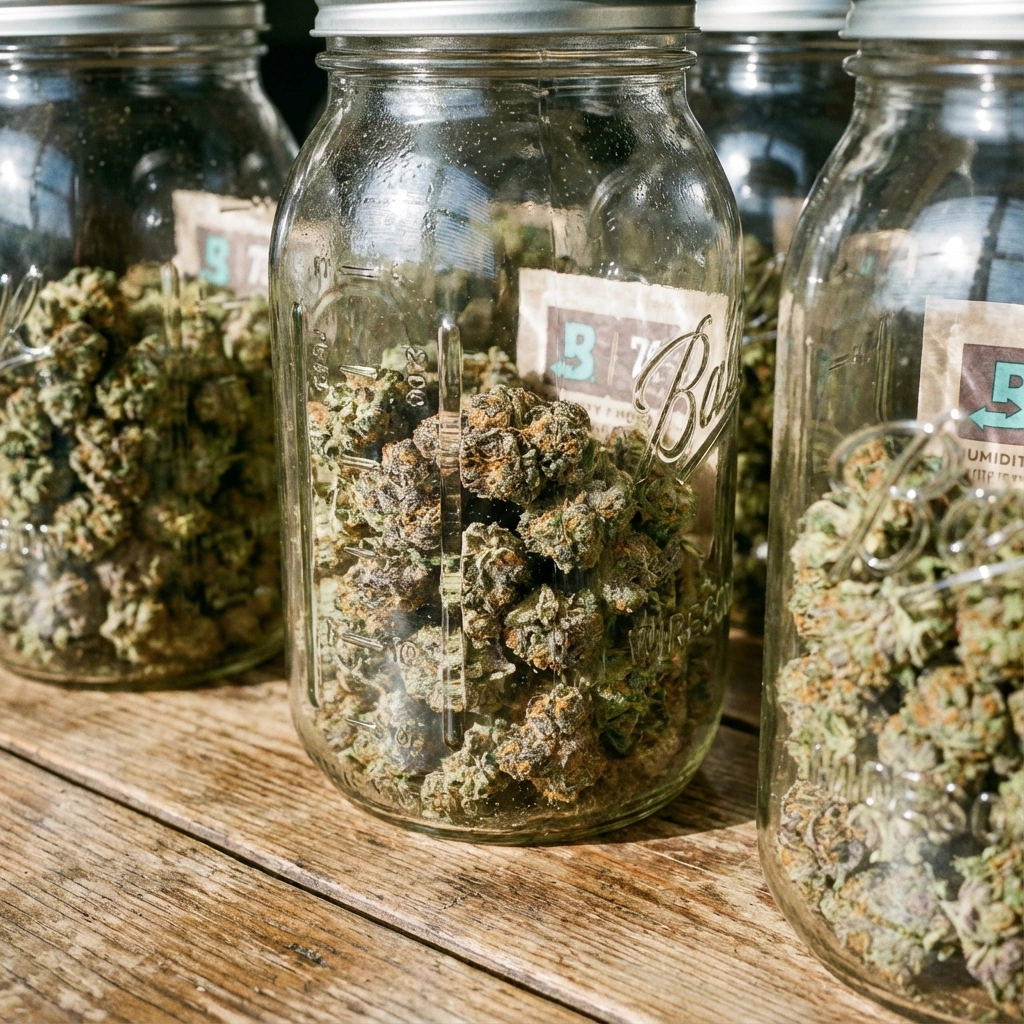
Glass jars remain the gold standard for curing, but they need to be completely clean and properly sized. Fill jars only about 75% full to allow for air circulation. Metal containers can introduce unwanted elements that interfere with the curing chemistry.
Monitoring and Adjustment
Check your curing containers daily for the first week, then every few days after that. Look for any signs of excess moisture, unusual odors, or color changes. If you detect hay smell early in the curing process, you can often reverse it by adjusting conditions.
The Role of Beneficial Additives
Consider using humidity control packs designed for botanical products. These help maintain consistent moisture levels that support proper curing while preventing the swings that encourage bacterial problems.
Salvaging Hay-Smelling Harvests
Early Intervention
If you catch hay smell in the first few days, you might be able to reverse it. Slightly increase humidity (carefully) and ensure gentle air circulation. Sometimes slowing down an overly rapid dry can allow proper processes to resume.
Re-curing Techniques
For harvests that have developed hay smell, some growers have success with controlled re-hydration using clean water and proper humidity management. This isn't guaranteed to work, but it's worth trying before considering the harvest a loss.
Learning for Next Time
Document what conditions led to the hay smell. Track temperature, humidity, air circulation, and timing. This information becomes invaluable for preventing the same issues in future harvests.
Building Your Prevention System
The key to consistently avoiding hay smell lies in understanding it as a systems problem, not just a single issue. Water quality, environmental controls, proper bacterial balance, and timing all work together.
Start with clean water using products like Drops of Balance, maintain proper environmental conditions, and support beneficial microbial activity throughout your process. This integrated approach gives you the best chance of preserving those complex terpene profiles you worked so hard to develop.
Remember, preventing hay smell isn't just about avoiding a bad odor: it's about preserving the full potential of your harvest. Every step you take to maintain proper post-harvest conditions directly impacts the final quality, potency, and value of your product.


Leave a comment
This site is protected by hCaptcha and the hCaptcha Privacy Policy and Terms of Service apply.