
Blog
Root Problems: Diagnose & Save Your Crop Fast
When root problems strike your indoor garden or hydroponic system, you've got hours: not days: to act before losing your entire crop. Root rot, pythium, pest infestations, and bacterial wilts can devastate plants faster than most growers realize. The difference between saving your harvest and watching it die comes down to quick identification and immediate response.
Root problems don't announce themselves with obvious symptoms until it's often too late. By the time you see yellowing leaves or stunted growth above ground, the damage below has already taken hold. Smart growers learn to catch these issues early through systematic diagnosis and keep treatment solutions ready.
Visual Red Flags: What to Check First
Your first line of defense is knowing what healthy roots should look like versus problematic ones. Healthy roots appear white or cream-colored, feel firm to the touch, and have a clean, earthy smell. Problem roots tell a different story entirely.
Dark, Mushy Roots: Brown or black roots that feel slimy indicate root rot or pythium infection. These pathogens thrive in oversaturated growing media and can spread through your entire system within 24-48 hours.
Swollen or Galled Roots: Unusual bumps or swellings often signal nematode infestations or bacterial infections like crown gall. These physical deformities disrupt nutrient uptake and weaken plant structure.
Surface Roots: When roots start growing above your growing medium, it usually means they're trying to escape poor conditions below: either from compaction, overwatering, or pathogen pressure.
Missing Root Mass: Sparse root development compared to plant size indicates either pest damage from aphids or root aphids, or environmental stress that's stunting growth.

Common Culprits: Know Your Enemy
Pythium and Root Rot
Pythium spreads rapidly in hydroponic systems and overwatered soil grows. This water mold creates the classic "damping off" effect in seedlings and can kill mature plants within days. It spreads through contaminated water, tools, and growing media.
Early detection means checking for slightly darker root tips and a subtle musty smell before the obvious brown, slimy stage. Once pythium establishes, it releases enzymes that break down root cell walls, creating that characteristic slime.
Root Aphids and Pest Pressure
Root aphids look like tiny white or gray insects clustered around root zones. They're often mistaken for beneficial microbes until you realize they're actually sucking nutrients directly from roots. These pests reproduce quickly and can crash plant health in a matter of days.
Unlike foliar aphids, root aphids are harder to spot until damage is significant. Look for unexplained nutrient deficiencies, slow growth despite proper feeding, and eventual plant collapse.
Bacterial Wilts
Bacterial infections create vascular blockages that prevent water and nutrient transport. Plants may look healthy one day and completely wilted the next, even in moist growing conditions. These pathogens often enter through wounds or natural openings and multiply rapidly in plant tissues.

Fast Diagnostic Techniques
The 6-Second Root Scan
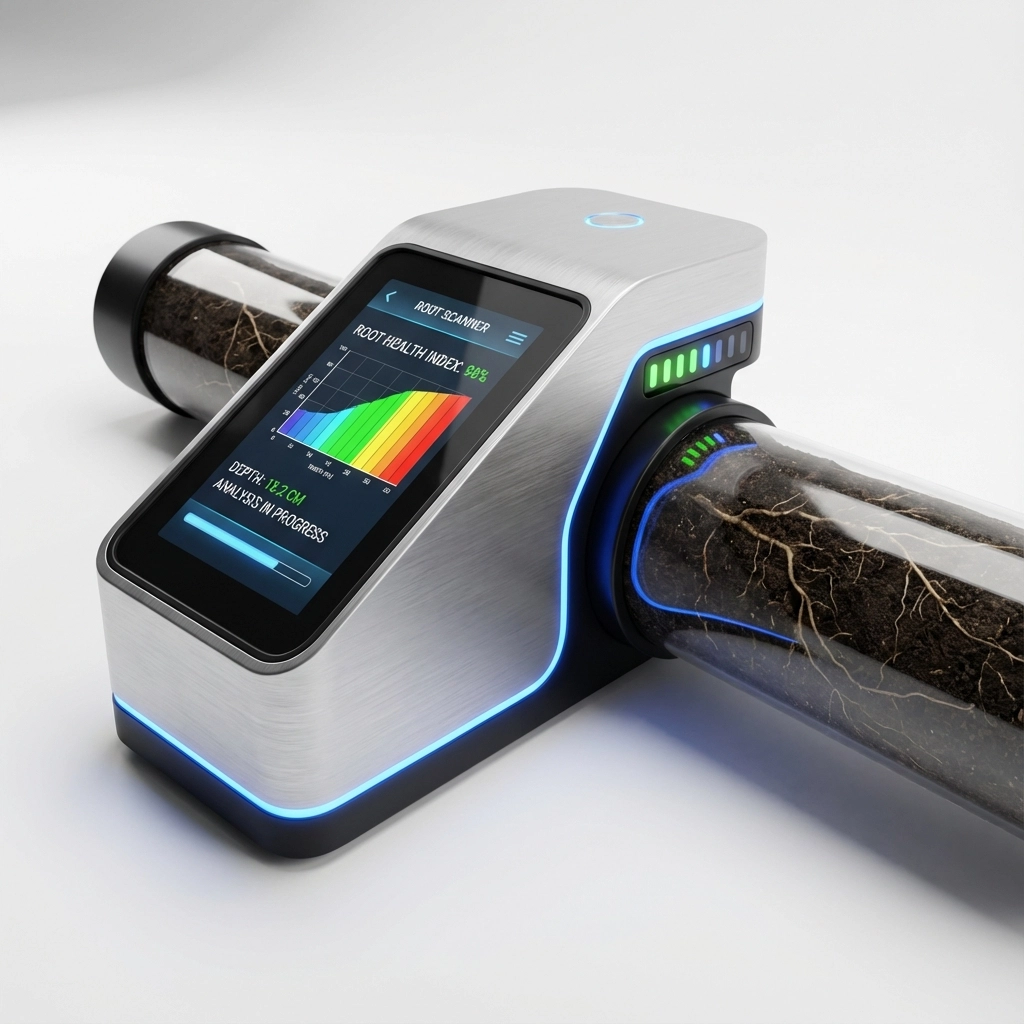
Modern root imaging technology can analyze your entire root system in just six seconds. Root imaging devices like the CI-600 series use transparent tubes inserted near plants, allowing non-destructive scanning throughout your grow cycle. The software automatically calculates root dimensions and identifies damage patterns from pest or pathogen attacks.
This technology works particularly well for hydroponic setups where you can install monitoring tubes without disturbing plant roots. For soil grows, the tubes need placement during transplant or early growth stages.
Field-Ready Tests
Lateral flow assays deliver pathogen identification in under 30 minutes using simple test strips. These antibody-based tests identify specific pathogen proteins and work at room temperature without laboratory equipment. They're ideal for confirming pythium or bacterial infections when visual symptoms aren't clear.
Spectroscopy for Early Warning
Near-infrared spectroscopy detects physiological stress before visible symptoms appear. These devices pick up changes in plant tissue composition that indicate pest or pathogen pressure days before traditional symptoms show. While more expensive, they're invaluable for commercial operations where early detection saves entire crops.
Sample Collection That Saves Time
Proper sampling determines whether your diagnostic efforts succeed or fail. For root problems, collect symptomatic tissue from multiple plant parts: roots, stems, and lower leaves: since many pathogens move throughout plant systems during their life cycle.
When dealing with herbaceous plants, submit whole plants including roots with surrounding growing media. Wrap roots in plastic bags tied at the media line to prevent cross-contamination between samples. Submit samples early in the week to avoid deterioration over weekends while waiting for laboratory analysis.
For rapid field tests, you only need ground plant tissue in extraction buffer, which speeds up the entire diagnostic process significantly.
Emergency Treatment Protocols
Immediate Isolation
The moment you suspect root problems, isolate affected plants from your main growing area. Root pathogens spread through shared water systems, contaminated tools, and even air movement in some cases. Create a quarantine zone with separate tools, growing media, and water sources.
Hydrogen Peroxide Shock Treatment
Food-grade hydrogen peroxide provides immediate pathogen control for hydroponic systems. A 3% solution kills pythium and bacterial infections while adding oxygen to root zones. For severe infections, temporary system sterilization with stronger concentrations may be necessary, followed by complete nutrient solution replacement.
Beneficial Microbe Introduction
Introducing beneficial bacteria and mycorrhizae creates competitive pressure against harmful pathogens. These beneficial organisms colonize root surfaces and compete for resources while producing natural antifungal compounds.
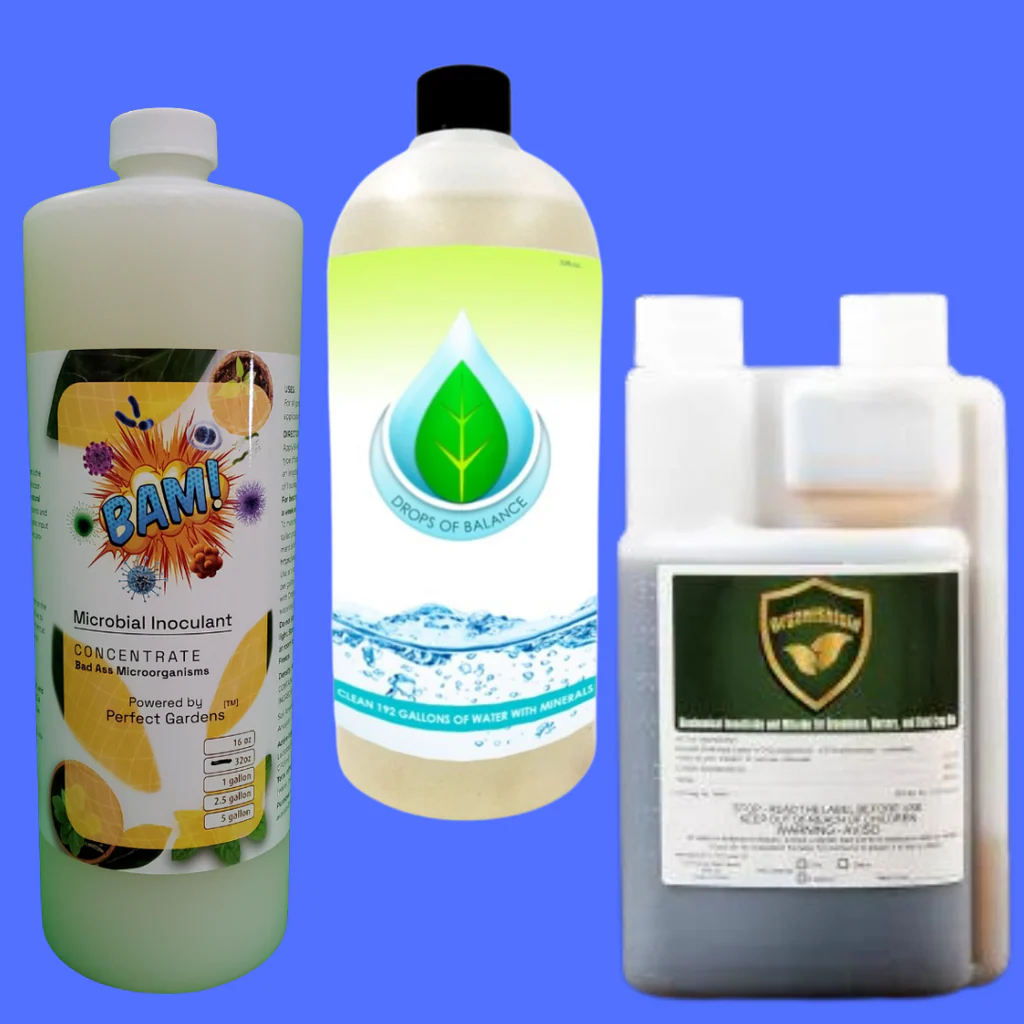
Products like BAM! Microbial Inoculant provide concentrated beneficial bacteria specifically selected for hydroponic and indoor growing conditions. These microbes establish quickly in sterile growing environments and create ongoing protection against future infections.
Prevention: Your Best Defense
Water Quality Management
Most root problems start with compromised water quality. Regular testing for pH, dissolved oxygen, and pathogen indicators prevents many issues before they start. In hydroponic systems, maintaining dissolved oxygen levels above 5 ppm creates an environment where beneficial microbes thrive while harmful anaerobic pathogens struggle.
System Sterilization Protocols
Between grows, complete system sterilization eliminates pathogen reservoirs that cause recurring problems. This includes all tubing, reservoirs, pumps, and growing containers. Food-grade hydrogen peroxide provides effective sterilization without toxic residues.
Environmental Controls
Proper temperature and humidity management creates conditions that favor plant health over pathogen development. Most root pathogens thrive in consistently wet, warm conditions with poor air circulation. Maintaining growing media temperatures below 75°F and ensuring adequate air movement around root zones significantly reduces infection risk.
Mycorrhizae Establishment
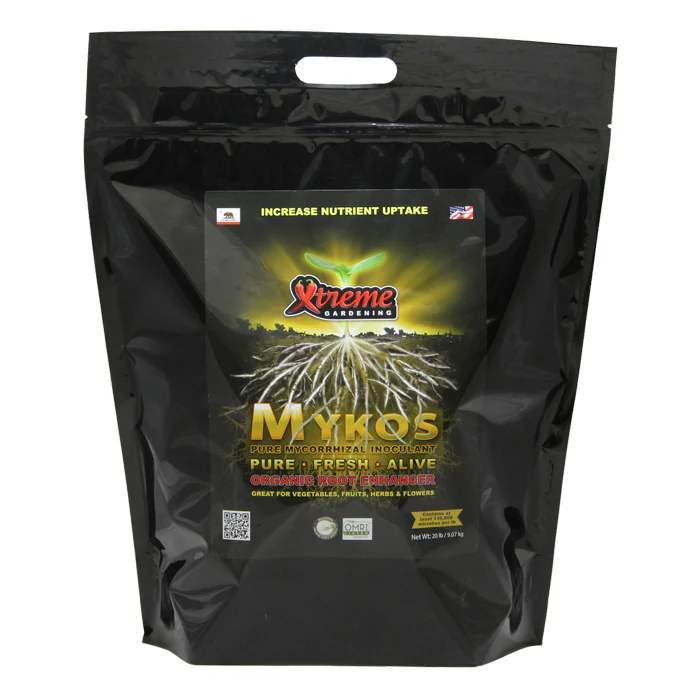
Establishing mycorrhizal partnerships early in plant development creates natural disease resistance. Products like Xtreme Gardening Mykos inoculate growing media with beneficial fungi that form symbiotic relationships with plant roots. These fungi improve nutrient uptake while providing physical and chemical protection against pathogens.
Recovery and Long-Term Health
Once you've addressed immediate root problems, focus shifts to helping plants recover and preventing future issues. Stressed plants need time to rebuild root systems and restore normal function.
Reduce nutrient concentrations temporarily while damaged roots heal. High nutrient levels can stress compromised root systems and slow recovery. Gradually increase feeding as new root growth appears and plant vigor returns.
Monitor recovered plants closely for several weeks. Root damage often creates entry points for secondary infections, and stressed plants remain vulnerable longer than healthy ones. Regular visual inspections and continued beneficial microbe applications support ongoing plant health.
Building Resilient Systems
Long-term success comes from creating growing environments that naturally resist root problems. This means investing in proper drainage, air circulation, water filtration, and biological diversity. Complete nutrient and microbial systems provide the foundation for healthy root zones that can resist pathogen pressure.
The fact of the matter is that root problems will happen to every serious grower eventually. The difference between experienced growers and beginners isn't avoiding these issues: it's catching them early and responding effectively. Quick diagnosis, immediate action, and proper prevention protocols turn potential disasters into manageable setbacks that strengthen your growing skills for the future.