

The short answer is yes, plant roots absolutely can "drown." It's one of the most misunderstood concepts in both soil and hydroponic gardening. When we talk about drowning roots, we're really discussing oxygen deprivation, and this happens more often than most growers realize.
Here's the thing: roots need to breathe just like we do. The difference is they're doing it underground or in your hydroponic reservoir, where you can't see what's happening until problems start showing up in the leaves.
Why Roots Need Oxygen to Survive
Plant roots perform cellular respiration, they're constantly consuming oxygen to convert sugars into energy for growth, nutrient uptake, and basic cellular functions. Without adequate oxygen, roots can't perform these essential processes.
In soil, oxygen reaches roots through air pockets between soil particles. In hydroponic systems, dissolved oxygen in the nutrient solution keeps roots healthy. When either of these oxygen sources gets compromised, roots start suffocating.
The misconception comes from thinking that since plants produce oxygen through photosynthesis, they don't need external oxygen. That's only partially true. While leaves produce oxygen during daylight hours, roots are net oxygen consumers 24/7.
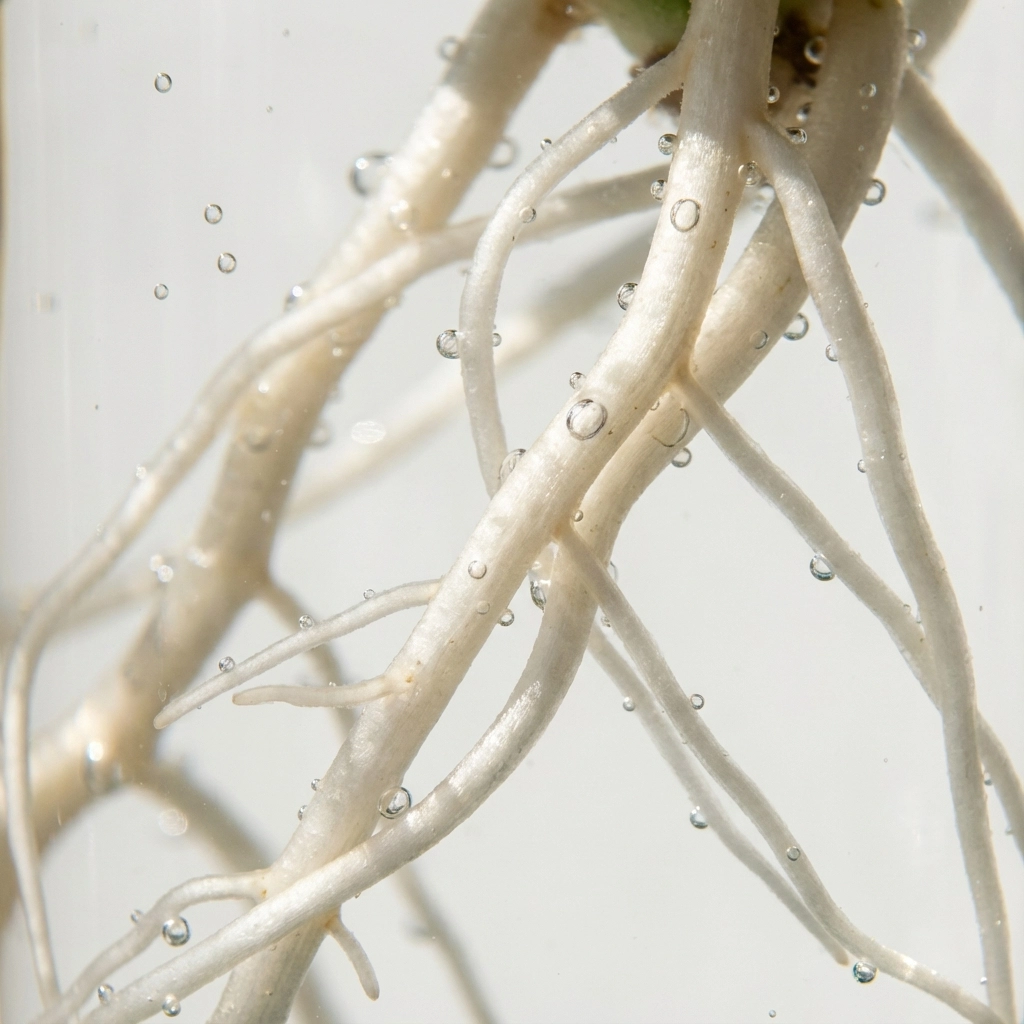
How Roots Actually "Drown"
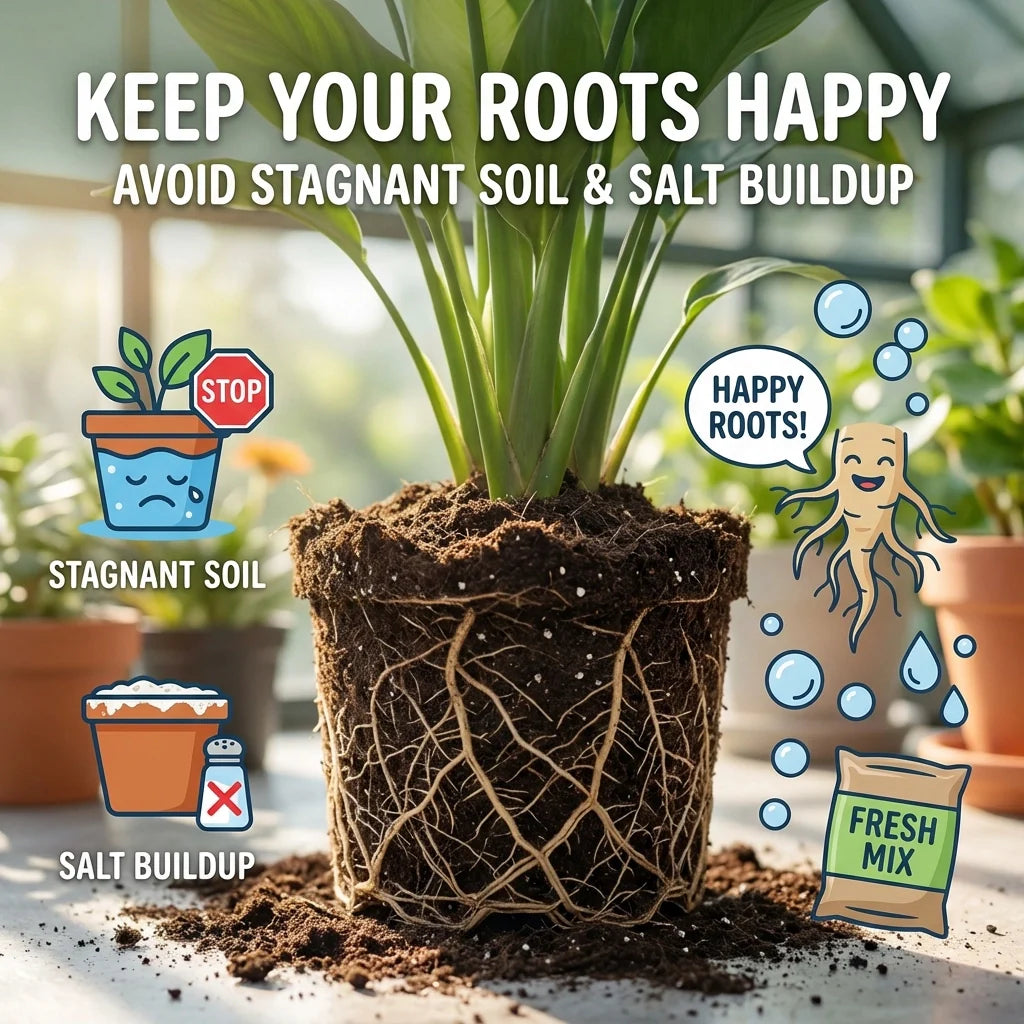
Root drowning occurs when water displaces air in the root zone. In soil, this happens when overwatering fills all the air pockets with water, creating waterlogged conditions. The soil becomes boggy, and gas exchange around the roots gets arrested.
In hydroponic systems, drowning can happen when water becomes stagnant and dissolved oxygen levels drop below what roots need to survive. Even in Deep Water Culture (DWC) systems, where roots sit directly in water, they need that water to be highly oxygenated.
When oxygen levels drop too low, roots can't respire effectively. They become stressed, stop growing, and become vulnerable to pathogenic bacteria and fungi that thrive in low-oxygen environments. These pathogens quickly turn healthy root tissue into brown, mushy rot.
DWC vs Soil: Different Oxygenation Methods
The oxygenation process works differently in hydroponic DWC systems compared to soil growing, but both rely on maintaining adequate oxygen levels in the root zone.
In Deep Water Culture:
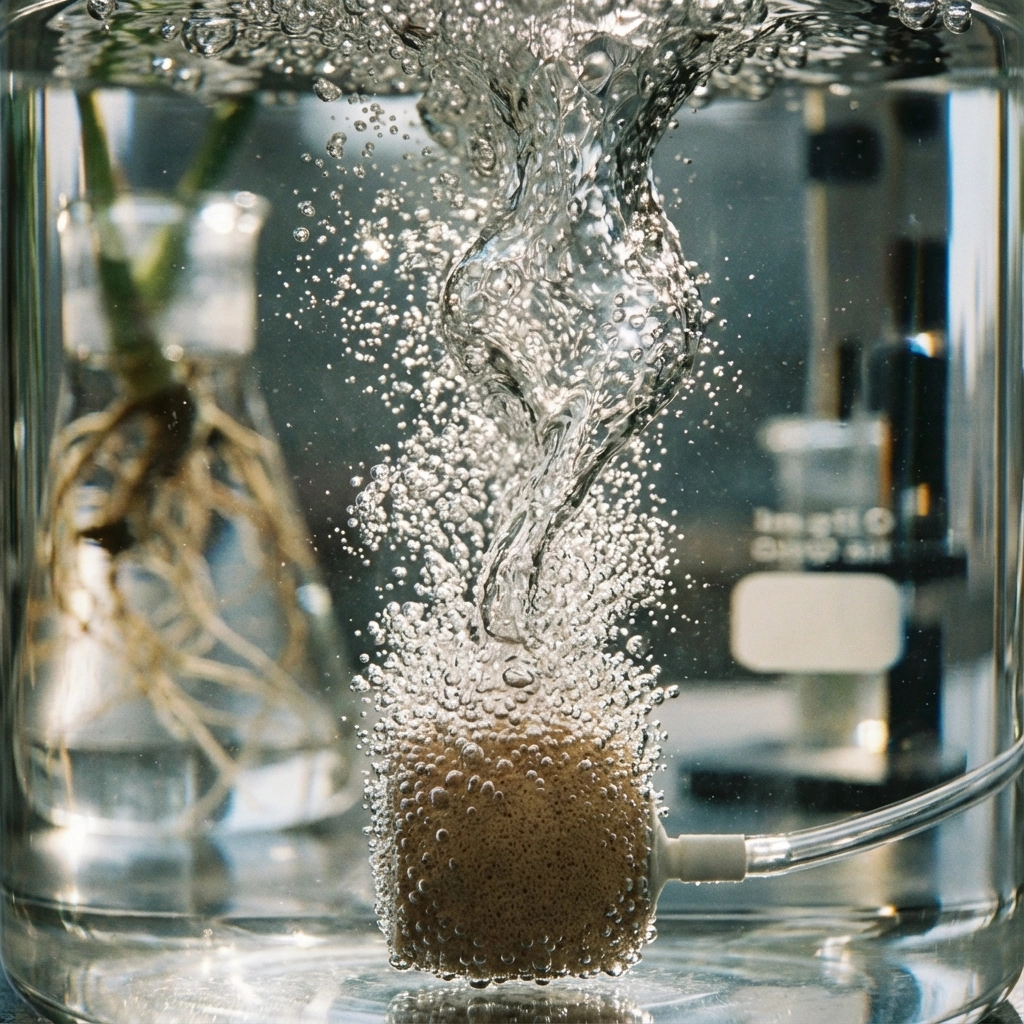
- Air pumps continuously bubble air through the nutrient solution
- This agitation dissolves oxygen into the water
- Roots absorb dissolved oxygen directly from the oxygenated nutrient solution
- Water temperature affects oxygen solubility, cooler water holds more dissolved oxygen
In Soil Growing:
- Oxygen reaches roots through air spaces between soil particles
- Proper drainage prevents water from filling these air pockets
- Root respiration releases CO2, which needs to escape through the soil
- Soil structure and composition determine air-holding capacity
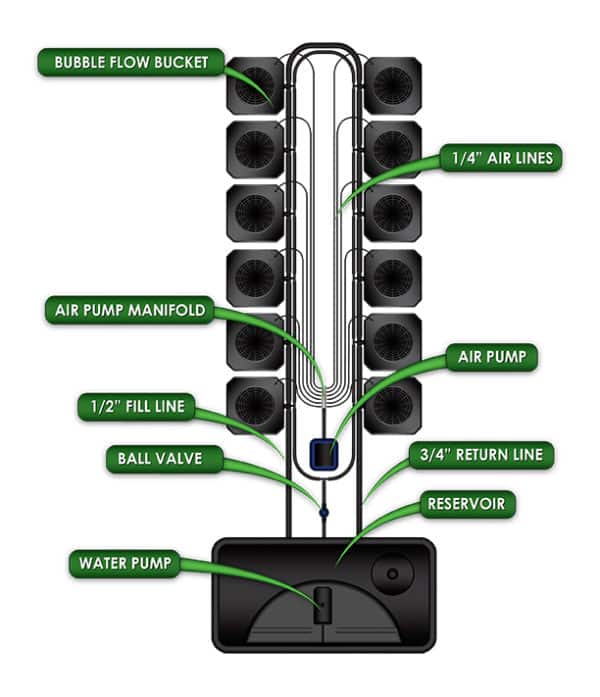
The advantage of well-designed hydroponic systems like our BubbleFlow Bucket systems is that you can control oxygenation directly. Air pumps ensure consistent dissolved oxygen levels, eliminating the guesswork involved in soil oxygenation.
The Stagnant Water Problem
Stagnant water is root death waiting to happen. Without movement or aeration, water quickly becomes depleted of dissolved oxygen. In hydroponic reservoirs, stagnant conditions create the perfect breeding ground for harmful bacteria like pythium and fusarium.
Here's what happens in stagnant water:
- Dissolved oxygen levels drop rapidly as roots consume available oxygen
- Beneficial microorganisms die off due to lack of oxygen
- Anaerobic bacteria multiply, producing toxins harmful to roots
- Water temperature increases without circulation, further reducing oxygen solubility
- Root zone pH can swing wildly without proper circulation
Even in soil, stagnant water around roots creates similar problems. Poor drainage leads to waterlogged soil where roots literally suffocate in standing water.
Recognizing Oxygen-Deprived Roots
The tricky part about root drowning is that symptoms often look like other problems. Plants with oxygen-starved roots display several telltale signs:
Early Warning Signs:
- Wilting despite wet soil or full reservoir
- Yellowing leaves starting from the bottom up
- Slower growth rates than expected
- Leaves that feel soft and limp rather than crispy (unlike underwatering)
Advanced Symptoms:
- Brown, mushy roots instead of white, firm ones
- Rotten smell from the root zone
- Stem rot at the soil line
- Leaf drop and plant collapse
- Dark, slimy buildup on roots
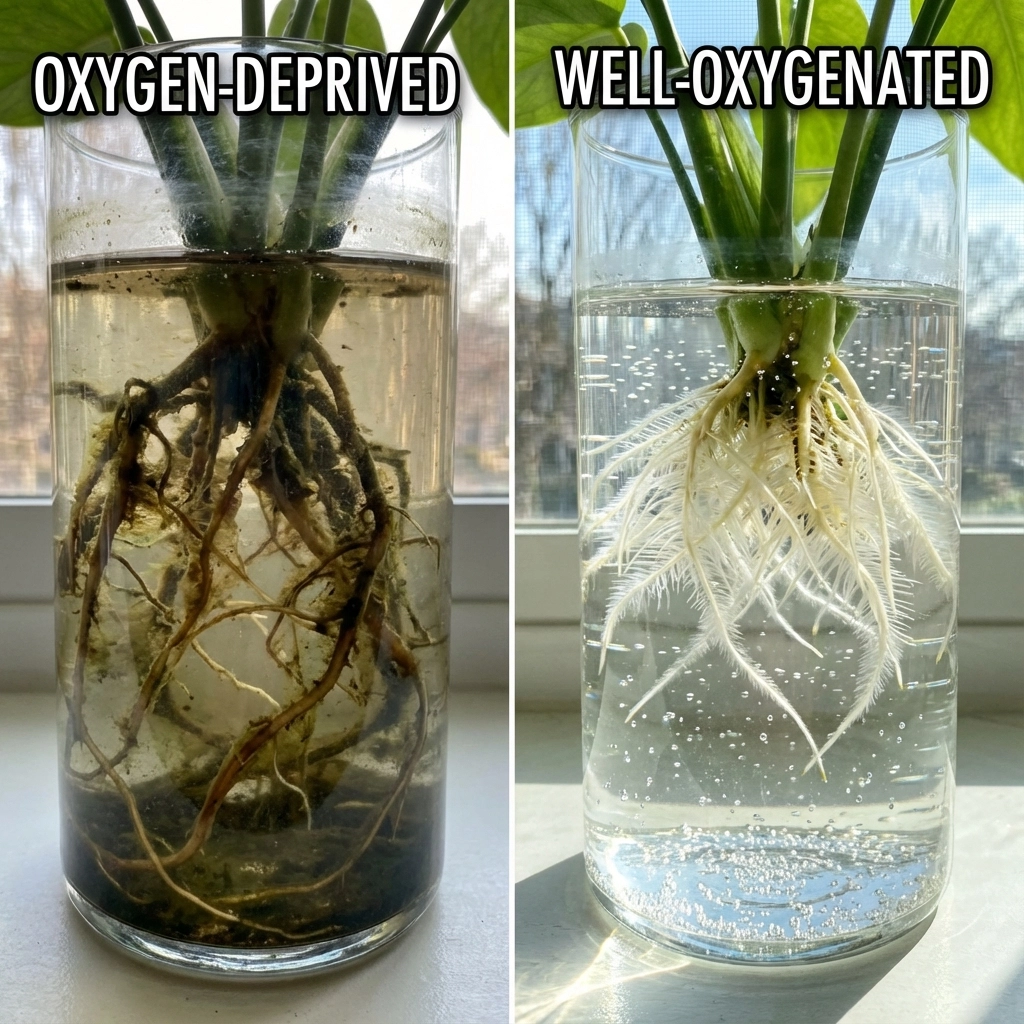
The most confusing symptom is wilting when there's plenty of water available. This happens because damaged roots can't uptake water effectively, even when surrounded by it.
Preventing Root Drowning in Soil
Soil growers can prevent root drowning through several key practices:
1. Improve Drainage Add perlite, vermiculite, or coarse sand to heavy soils. The goal is creating air pockets that won't collapse when wet. Good soil should feel like a wrung-out sponge, moist but not soggy.
2. Water Timing and Technique Water deeply but less frequently. Allow the top inch of soil to dry between waterings. This creates a wet-dry cycle that encourages deep root growth while ensuring adequate oxygenation.
3. Choose the Right Containers Use pots with drainage holes. Avoid cache pots without drainage, or use them only with properly draining inner pots. Fabric pots provide excellent aeration and prevent waterlogging.
4. Monitor Soil pH Waterlogged soils often develop pH problems that compound root stress. Keep soil pH in the proper range for your plants, typically 6.0-7.0 for most crops.
Preventing Root Drowning in Hydroponics
Hydroponic systems require active oxygenation management:
1. Maintain Proper Air Flow Air pumps should run continuously in DWC systems. Size your air pump appropriately, aim for 1 watt per gallon of nutrient solution as a starting point.
2. Control Water Temperature Keep nutrient solution between 65-72°F. Warmer water holds less dissolved oxygen, while colder water can slow root metabolism.
3. Regular Reservoir Changes Fresh nutrient solution contains more dissolved oxygen than old solution. Change reservoirs every 1-2 weeks depending on plant size and consumption.
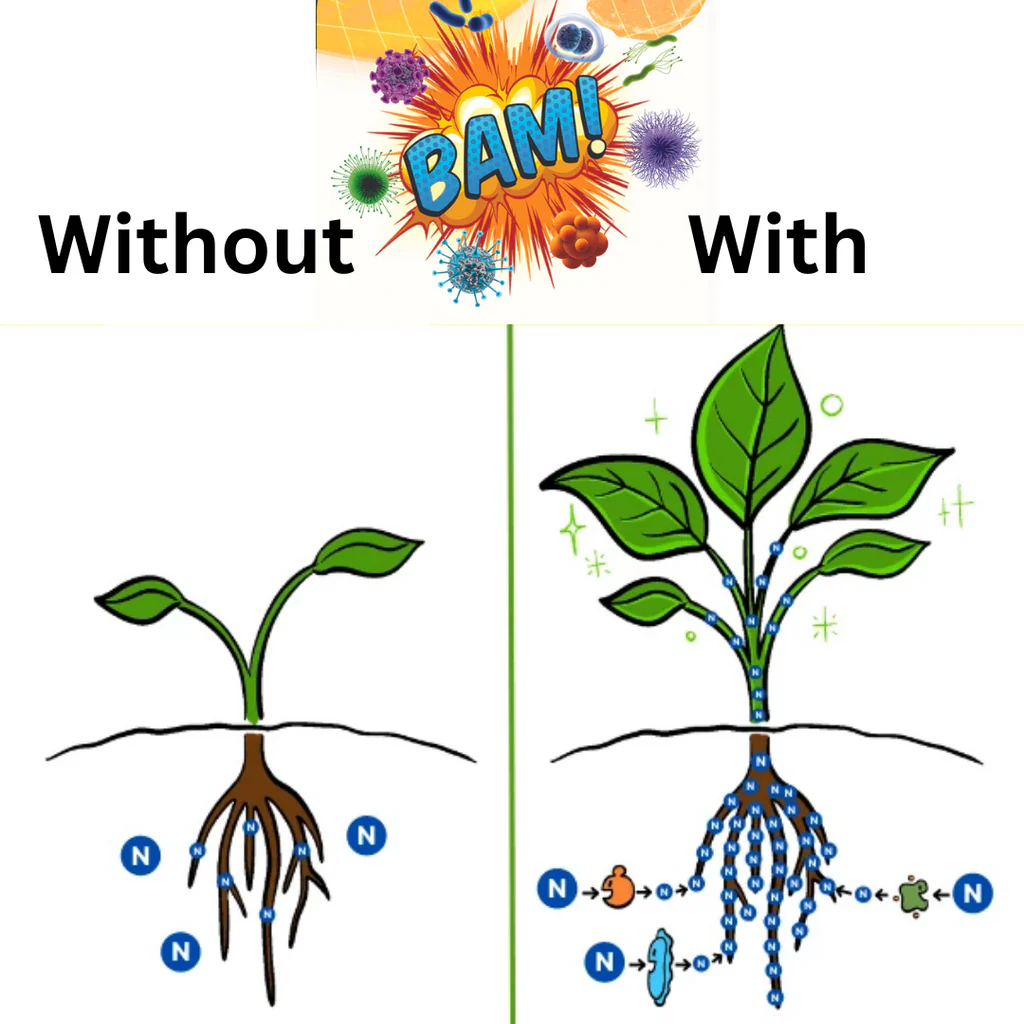
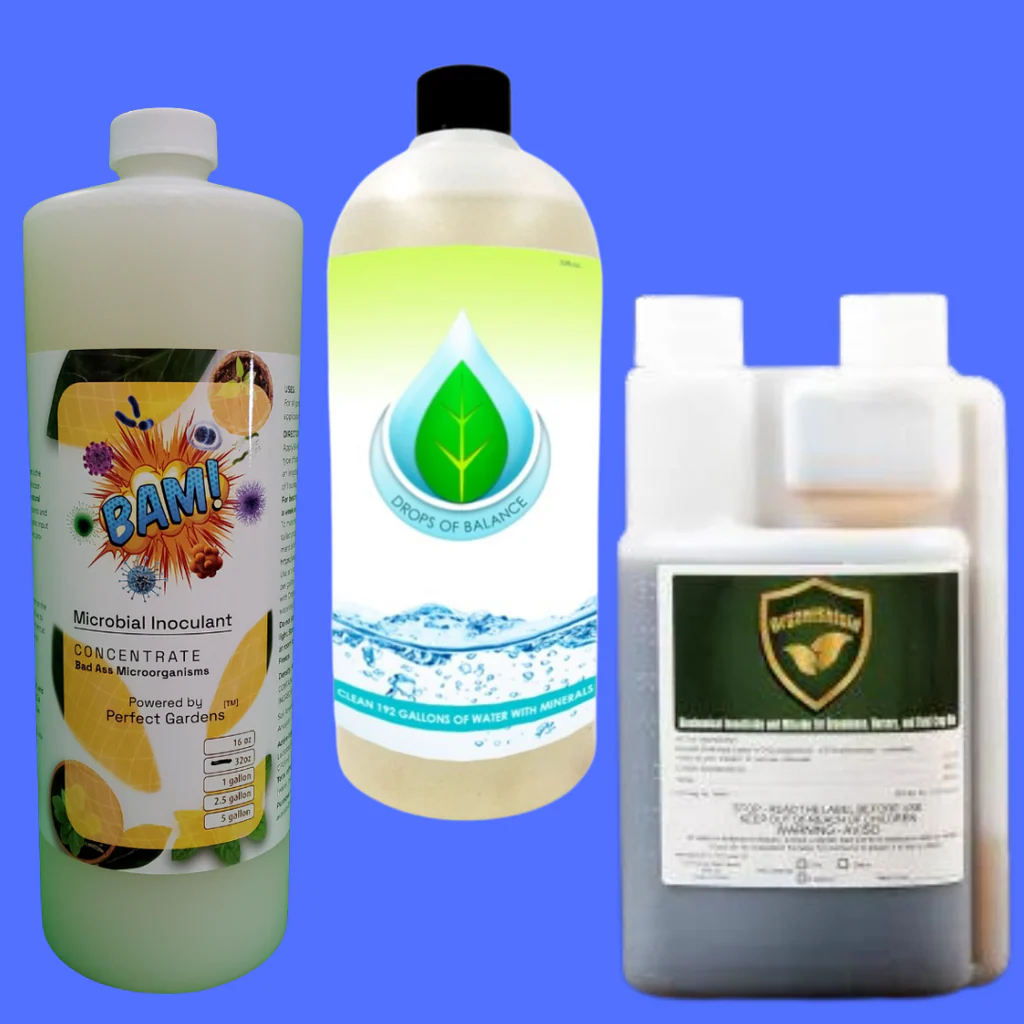
4. Use Beneficial Microbes Products like our BAM! Microbial Inoculant help maintain healthy root zones by outcompeting harmful bacteria and improving nutrient uptake efficiency.
Emergency Treatment for Drowning Roots
If you suspect your roots are drowning, act quickly:
For Soil Plants:
- Stop watering immediately
- Improve drainage by repotting in better-draining soil
- Trim away any brown, mushy roots
- Allow soil to dry out more than usual between waterings
For Hydroponic Plants:
- Increase air pump output or add additional air stones
- Lower water temperature if above 72°F
- Change nutrient solution completely
- Reduce nutrient concentration temporarily while roots recover
- Consider adding beneficial bacteria to restore root zone health
The Role of Water Quality
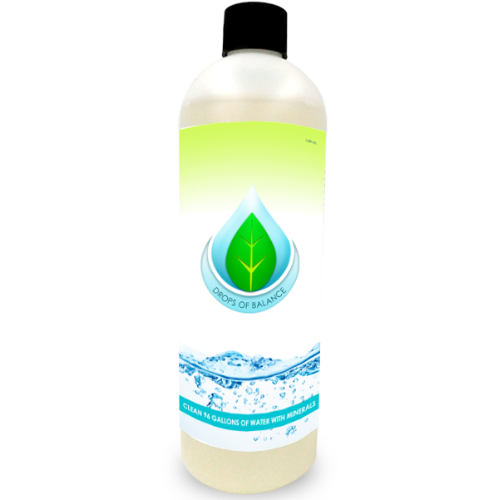
Water quality significantly impacts root oxygenation. Chlorinated tap water can kill beneficial microorganisms that help maintain healthy root zones. Our Drops of Balance water conditioner removes chlorine and chloramines while adding essential minerals that support both plant health and beneficial microbial activity.
Poor water quality can also lead to mineral buildups that interfere with oxygen absorption. Regular water testing and proper conditioning ensure your plants get both the nutrients and oxygen they need.
Building Resilient Root Systems
The best defense against root drowning is building strong, resilient root systems from the start. This means providing consistent but not excessive moisture, maintaining proper oxygenation, and supporting beneficial microbial communities in the root zone.
In hydroponic systems, this resilience comes from proper equipment setup and maintenance. Quality air pumps, appropriately sized reservoirs, and regular monitoring prevent most oxygen-related problems before they start.
For soil growers, building resilient roots means focusing on soil structure, drainage, and watering practices that encourage deep, healthy root development rather than shallow, oxygen-dependent surface roots.
Understanding that roots can indeed "drown" helps explain many common growing problems. Whether you're running a DWC setup or growing in soil, adequate oxygenation isn't optional: it's fundamental to plant health. The key is matching your oxygenation method to your growing system and maintaining it consistently throughout your growing cycle.
Remember: healthy roots are white, firm, and smell fresh. If your roots are brown, slimy, or smell rotten, oxygen deprivation is likely the culprit, and immediate action is needed to save your plants.

Leave a comment
This site is protected by hCaptcha and the hCaptcha Privacy Policy and Terms of Service apply.