

Your plants' root system is essentially their lifeline: it's where all the magic happens for nutrient uptake, water absorption, and overall plant health. But when soil becomes stagnant or salt builds up around those critical root zones, you're looking at stunted growth, nutrient lockout, and potentially losing your entire crop. The good news? Understanding proper watering techniques and soil management can prevent these problems before they start.
Why Stagnant Soil Kills Root Health
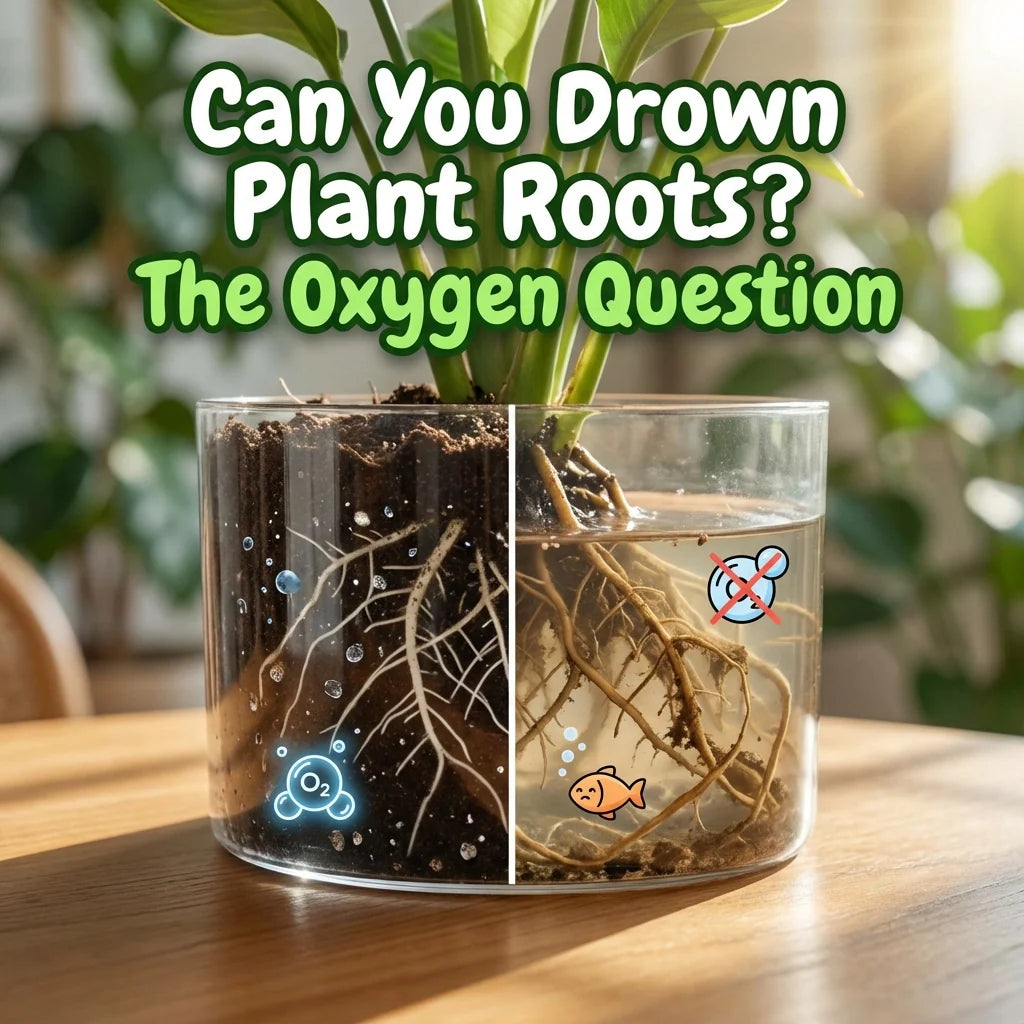
Stagnant soil creates an oxygen-starved environment that suffocates roots and invites pathogen problems. When water sits in your growing medium without proper drainage, it pushes out the air spaces that roots desperately need. This leads to anaerobic conditions where harmful bacteria and fungi thrive, while beneficial microorganisms die off.
The signs are usually obvious once you know what to look for: yellowing leaves that start from the bottom up, musty or sour smells coming from your soil, and roots that appear brown, mushy, or slimy instead of white and firm. By the time you see these symptoms, you're already fighting an uphill battle.
What makes this particularly frustrating is that many growers accidentally create these conditions through well-intentioned but misguided watering practices. Overwatering is the most common culprit, but poor soil composition and inadequate drainage systems play major roles too.
The Salt Buildup Problem
Salt accumulation presents a different but equally serious threat to root health. When you repeatedly add nutrients to your growing medium without proper flushing, mineral salts build up around the root zone. This creates a hostile environment where roots can't absorb water effectively, even when plenty of moisture is present.
The osmotic pressure from excessive salts actually draws water out of plant roots, leading to dehydration symptoms even in well-watered plants. You'll notice leaf burn, stunted growth, and eventually plant death if the problem isn't addressed. Hydroponic systems are particularly susceptible to this issue, but soil growers face it too, especially when using synthetic fertilizers repeatedly.
Mastering Watering Techniques for Healthy Roots
Proper watering isn't just about frequency: it's about creating the right moisture cycles that keep roots healthy while preventing both stagnation and salt accumulation. The key is understanding that roots need both water and air, and your watering schedule should provide both.
The Wet-Dry Cycle Approach
Instead of maintaining constantly moist soil, allow the growing medium to partially dry between waterings. This creates the wet-dry cycle that encourages healthy root development and prevents anaerobic conditions. For most plants, you want the top inch or two of soil to dry out before watering again.
When you do water, do it thoroughly. Light, frequent watering actually encourages shallow root development and can worsen salt buildup problems. Deep, less frequent watering encourages roots to grow deeper and helps flush excess salts from the root zone.
Water Quality Matters
The quality of your water plays a huge role in preventing both stagnation and salt problems. Hard water or water high in dissolved solids contributes to faster salt accumulation. Using filtered or purified water, then remineralizing it with quality products, gives you better control over what goes into your growing medium.
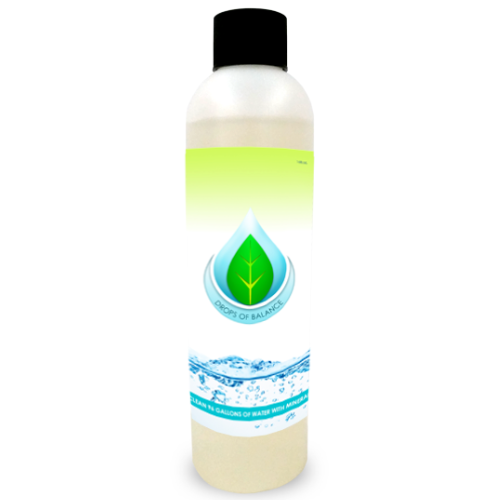
Products like Drops of Balance help optimize water quality by providing essential minerals without the excess salts that cause problems. This approach lets you feed your plants what they need while avoiding the accumulation of harmful compounds.
Building Better Soil Structure
Prevention starts with creating a growing medium that naturally resists both waterlogging and salt accumulation. This means focusing on soil structure, drainage, and biological activity from the beginning.
Organic Matter and Drainage
Incorporating plenty of organic matter: compost, worm castings, aged bark: creates the pore spaces that allow both water and air to move freely through your growing medium. These materials also provide slow-release nutrients and support beneficial microbial communities that help prevent pathogen problems.
For container growing, adding perlite or pumice improves drainage without compromising water retention. The goal is creating a medium that holds moisture when plants need it but allows excess water to drain freely.
Living Soil Benefits
Living soil systems, rich in beneficial microorganisms, naturally resist many of the problems associated with stagnant conditions and salt buildup. These microbes help break down organic matter, cycle nutrients, and create soil structure that promotes healthy drainage.

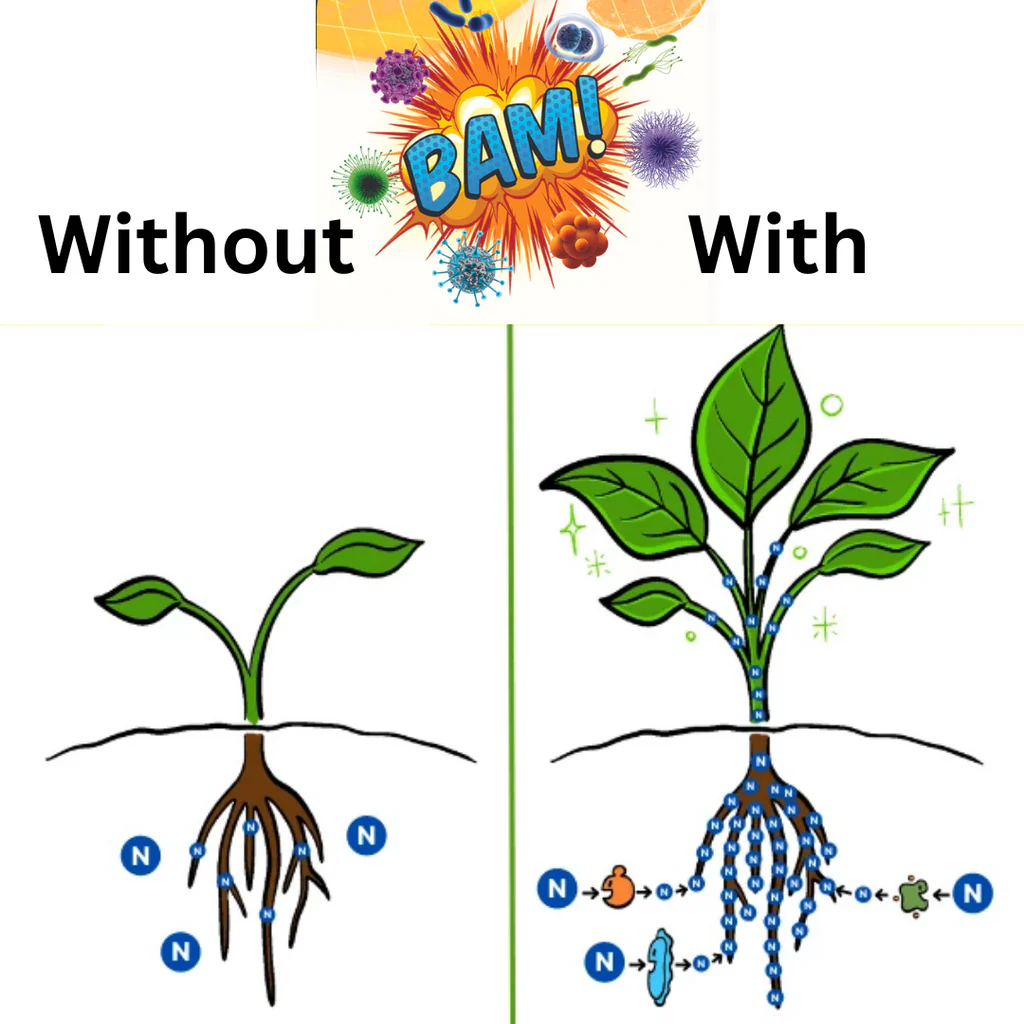
Microbial inoculants like BAM! introduce beneficial bacteria and fungi that establish these healthy soil communities. These microorganisms form symbiotic relationships with plant roots, improving nutrient uptake while protecting against harmful pathogens.
Managing Salt Accumulation
Even with good watering practices, some salt buildup is inevitable, especially in container growing situations. The key is managing it before it becomes problematic.
Regular Flushing
Periodic flushing with clean, pH-adjusted water helps remove accumulated salts from the root zone. For hydroponic systems, this might mean weekly reservoir changes. For soil growers, it means occasionally watering until you see runoff, then checking that runoff with an EC meter to monitor salt levels.
The timing of flushing depends on your feeding schedule and water quality. Heavier feeding programs require more frequent flushing, while organic, living soil systems typically need less intervention.
Monitoring and Testing
Regular testing of your growing medium helps you stay ahead of problems. EC meters measure the electrical conductivity of your soil or nutrient solution, giving you early warning when salt levels climb too high. Most plants thrive with EC levels between 1.0-2.0, though this varies by growth stage and plant type.
Beneficial Microorganisms for Root Health
The most sustainable approach to preventing both stagnation and salt problems involves cultivating beneficial microbial communities in your root zone. These microorganisms create conditions that naturally resist the problems we've been discussing.
Mycorrhizal Fungi
Mycorrhizal fungi form symbiotic relationships with plant roots, essentially extending the root system and improving nutrient uptake efficiency. They also help protect against pathogenic organisms and improve soil structure.
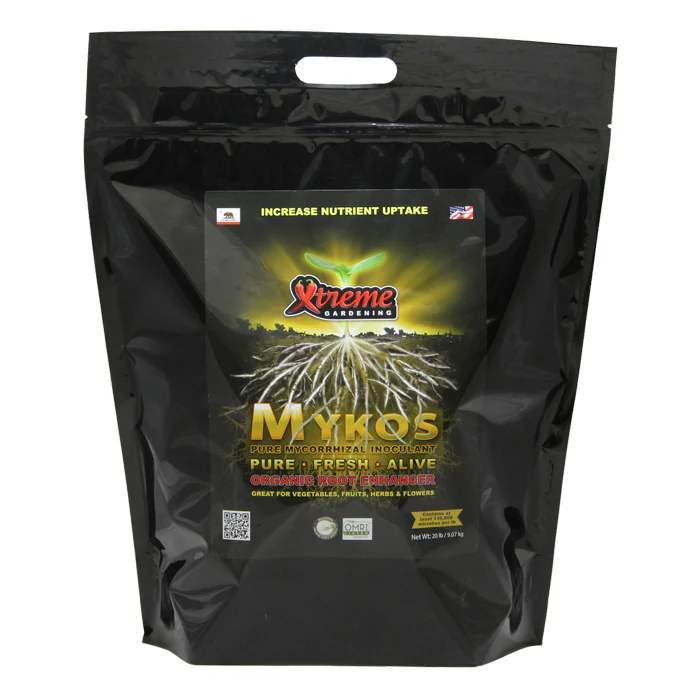
Products like Xtreme Gardening Mykos provide pure mycorrhizal inoculants that establish these beneficial relationships. The fungi help plants access nutrients more efficiently, reducing the need for heavy feeding that contributes to salt buildup.
Nitrogen-Fixing Bacteria
Nitrogen-fixing bacteria reduce dependency on synthetic nitrogen sources, which are major contributors to salt accumulation. These bacteria convert atmospheric nitrogen into forms plants can use, providing a steady, gentle nitrogen source that doesn't overwhelm the root zone.
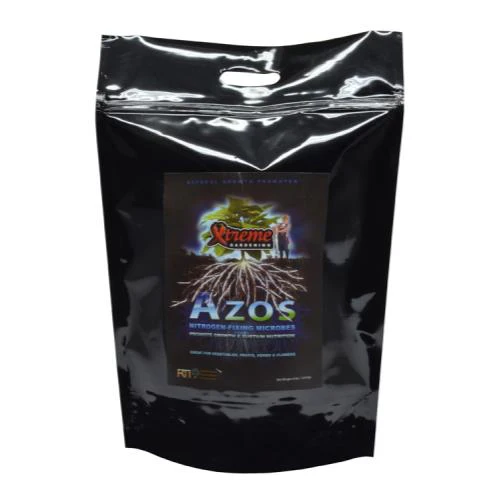
Azos nitrogen-fixing microbes establish populations that continuously provide nitrogen throughout the growing cycle. This reduces the boom-and-bust cycle of heavy synthetic feeding that often leads to salt problems.
Tools and Systems for Optimal Root Zones
Creating the perfect root environment often requires some specialized tools and systems, especially for serious growers who want consistent results.
Irrigation Systems
Automated irrigation systems help maintain proper wet-dry cycles without the guesswork. Drip irrigation, in particular, delivers water directly to the root zone while minimizing waste and reducing the risk of overwatering surface areas.
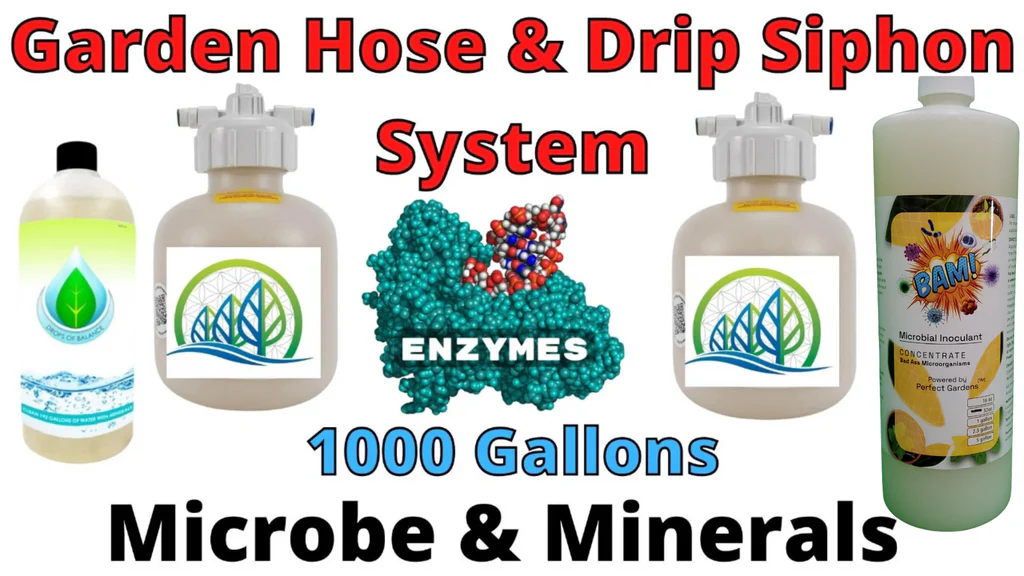
Systems that integrate microbial inoculants and mineral supplements into the irrigation process ensure your plants receive beneficial inputs with every watering. This approach maintains healthy microbial populations while preventing the accumulation of harmful compounds.
Comprehensive Soil Health Kits
For growers serious about soil health, comprehensive kits that include water optimizers, microbial inoculants, and protective compounds provide everything needed to establish and maintain healthy root zones.
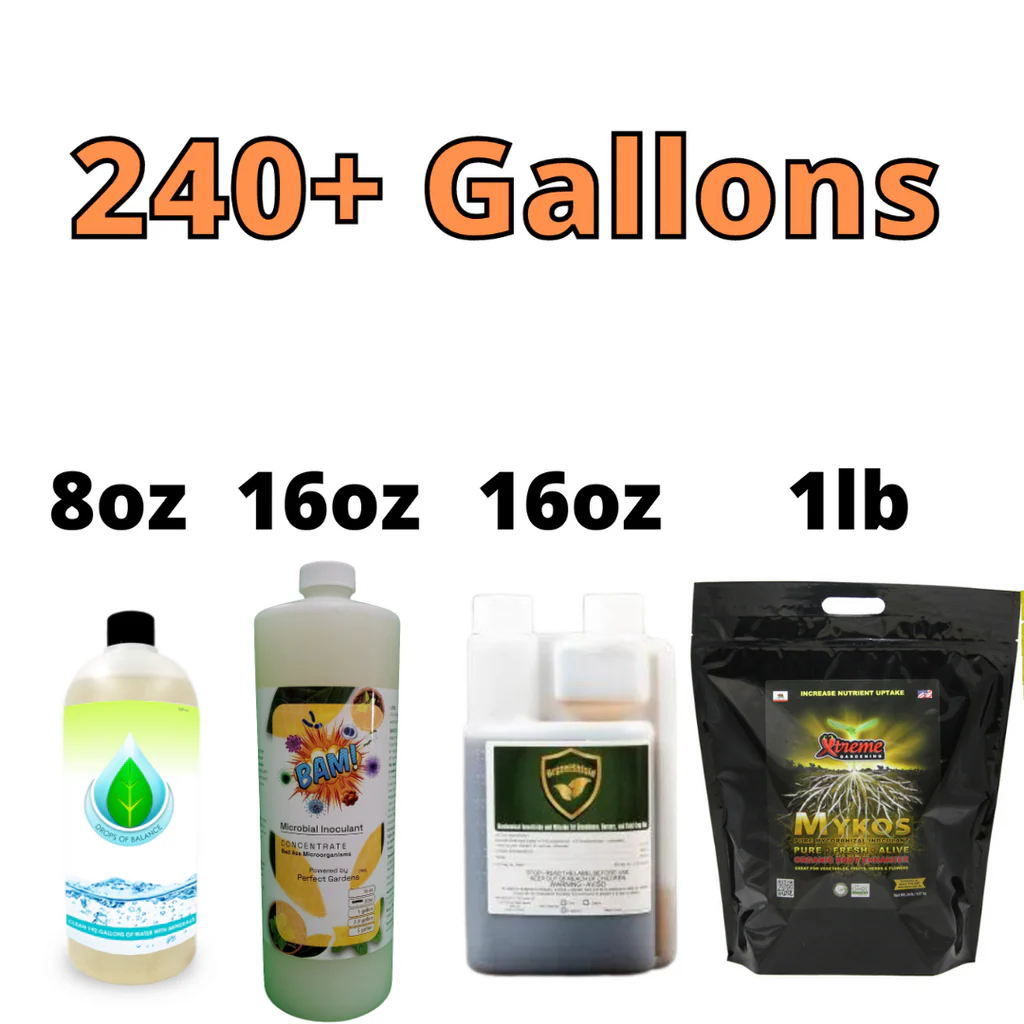
These kits typically include products for water optimization, beneficial microbe establishment, and root protection, providing a complete approach to root zone management that addresses both prevention and ongoing maintenance.
Putting It All Together
Healthy roots require a balanced approach that addresses water management, soil structure, and biological activity. The most successful growers understand that preventing problems is always easier than fixing them after they develop.
Start with quality growing medium that provides good drainage while supporting beneficial microbial life. Establish proper watering practices that create healthy wet-dry cycles. Monitor your system regularly to catch problems early. And most importantly, focus on building living soil communities that naturally resist the problems we've discussed.
The investment in proper root zone management pays dividends throughout the entire growing cycle. Plants with healthy root systems are more resilient, produce better yields, and require less intervention overall. When you keep your roots happy, everything else becomes much easier.

Leave a comment
This site is protected by hCaptcha and the hCaptcha Privacy Policy and Terms of Service apply.