
pH swings drive growers crazy. One day your nutrient solution sits perfectly at 6.2, the next morning it's jumped to 7.8 or crashed to 5.1. These fluctuations aren't just numbers on a meter: they directly impact nutrient uptake, plant health, and ultimately your harvest quality.
The frustrating part? Many growers experience the most dramatic pH swings right after adding water conditioners like Drops of Balance, expecting stability but getting the opposite. Understanding why this happens and how to manage it properly can save you weeks of plant stress and lost yields.
Why pH Swings Happen (Even with Water Conditioners)
pH fluctuations occur through multiple mechanisms working simultaneously in your growing system. When you add a water conditioner like Drops of Balance, you're introducing minerals that temporarily shift the chemical equilibrium of your solution. This isn't a product failure: it's basic chemistry in action.
Initial Mineral Release Creates Temporary Spikes
Water conditioners work by releasing essential minerals like calcium, magnesium, and trace elements into your solution. During the first few hours after application, these minerals create ionic reactions that can push pH upward, especially if your starting water has low buffering capacity. This explains why many growers see their pH jump from 6.0 to 7.5 within hours of adding their water treatment.

Microbial Activity Drives Secondary Changes
As beneficial microorganisms in your system process the newly available minerals, they produce organic acids and other metabolic byproducts. This biological activity can swing pH in the opposite direction, sometimes creating the confusing pattern of initial rise followed by gradual decline that puzzles many growers.
Plant Uptake Patterns Shift the Balance
Your plants don't absorb nutrients uniformly throughout the day. During peak photosynthesis periods, rapid nutrient uptake can leave behind either excess acids or bases, depending on which nutrients your plants are consuming most heavily. This creates natural daily pH cycles that become more pronounced when mineral availability changes.
What Water Stabilization Actually Means
True water stabilization goes beyond simply hitting a target pH number. It involves creating a buffered system that resists dramatic swings while maintaining optimal nutrient availability. Many growers misunderstand this concept, thinking stabilization means pH should never move: but that's neither realistic nor beneficial for plant growth.
Buffering Capacity vs. Fixed pH
Stabilized water has sufficient buffering capacity to absorb small chemical changes without massive pH swings. Think of it like a shock absorber in your car: the road still has bumps, but the ride stays smooth. In growing systems, this means having enough mineral content to neutralize acids produced by plant roots and beneficial bacteria without locking pH so tightly that nutrient availability suffers.
The Role of Dissolved Minerals
Proper stabilization requires balanced mineral content. Calcium and magnesium act as primary buffers, while trace elements support the complex ionic exchanges that maintain stability. This is why products like Drops of Balance focus on mineral delivery rather than pH adjustment chemicals: they're building long-term stability rather than forcing short-term corrections.

Time-Release Mineral Action
Quality water conditioners don't dump all their minerals at once. They're designed to release minerals gradually, allowing your system to reach equilibrium naturally over 24-48 hours. This explains why patience is crucial after adding water treatments: the full stabilizing effect develops over time, not instantly.
How Sodium Affects Your pH Game
Sodium creates some of the most stubborn pH problems in growing systems, yet many growers overlook its impact. High sodium levels don't just affect plant health: they actively interfere with pH stability and make other minerals less available.
Sodium Displaces Beneficial Minerals
In your growing medium and nutrient solution, sodium competes with calcium and magnesium for binding sites. When sodium wins this competition, it reduces the buffering capacity of your system. This displacement effect explains why water high in sodium (common in well water and some municipal supplies) creates persistent pH instability even when you're adding quality mineral supplements.
pH Lock-Up in High Sodium Conditions
Excessive sodium can lock pH at levels above 8.3, creating alkaline conditions that make essential nutrients like iron, manganese, and zinc unavailable to plants. This doesn't just affect growth: it creates deficiency symptoms that many growers mistake for nutrient shortages, leading them to add more fertilizers and worsen the pH problem.
Breaking the Sodium Cycle
The most effective approach involves displacing sodium with calcium through products like gypsum or calcium-rich water conditioners. As calcium replaces sodium on exchange sites, the displaced sodium can be leached away, gradually restoring proper pH dynamics. This process takes time but creates lasting stability.
Actionable Solutions That Actually Work
Real pH management requires systematic approaches rather than daily pH adjustments. The most successful growers focus on creating stable baseline conditions, then make minimal corrections as needed.
Start with Quality Water Treatment
Begin every nutrient mix with properly conditioned water. Products like Drops of Balance provide the mineral foundation necessary for pH stability, but timing and dosage matter significantly. Add your water conditioner first, allow 2-4 hours for initial reactions to settle, then check pH before adding nutrients.

Use the 24-Hour Rule
Avoid making pH adjustments within 24 hours of changing nutrient solutions or adding water conditioners. Most pH swings during this period are temporary chemical reactions that resolve naturally. Premature adjustments often create overcorrection cycles that make stability harder to achieve.
Monitor Patterns, Not Just Numbers
Track your pH readings over several days to identify patterns. Consistent daily swings might indicate plant uptake rhythms, while random spikes suggest water quality or contamination issues. Understanding these patterns helps you distinguish between normal variations and problems requiring intervention.
Build Buffer Strength Gradually
If your system lacks buffering capacity, build it slowly over several water changes rather than trying to fix everything at once. Gradual mineral addition allows your system to reach stable equilibrium without the dramatic swings that shock both plants and beneficial microorganisms.
Address Root Causes First
Before reaching for pH adjustment products, check for underlying issues: Are your nutrients properly mixed? Is your water source consistent? Are algae or other contaminants affecting your system? Fixing these fundamentals prevents many pH problems from developing.
Advanced Troubleshooting for Persistent Problems
Test Your Water Source
Municipal water composition changes seasonally, and well water can shift due to aquifer conditions. Regular water testing reveals when your baseline conditions change, allowing you to adjust your treatment approach accordingly. Focus on testing for sodium, chlorine/chloramine, and total dissolved solids.
Consider Reverse Osmosis Pre-Treatment
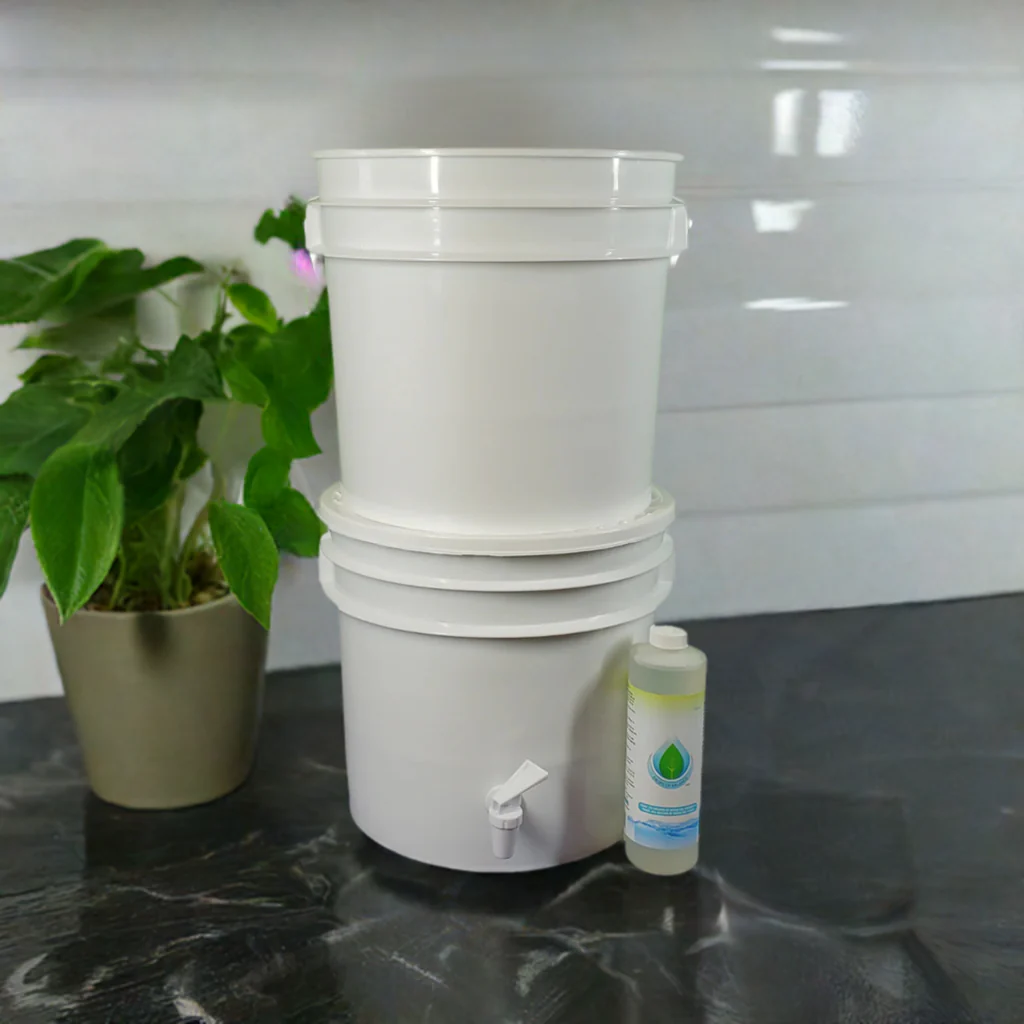
For growers dealing with extremely problematic source water, reverse osmosis filtration creates a blank slate for mineral addition. While this requires additional equipment investment, it eliminates variables that make pH management difficult and ensures consistent starting conditions.
Optimize Nutrient Timing
The sequence and timing of nutrient additions affects pH stability. Generally, add water conditioners first, allow settling time, add base nutrients, then supplements. This sequence minimizes chemical reactions that create pH swings.
Microbial Balance Matters
Beneficial bacteria and fungi in your growing system process minerals and organic matter in ways that affect pH. Maintaining healthy microbial populations through products like inoculants helps stabilize long-term pH patterns by creating consistent biological processing of nutrients.
The Bottom Line on pH Management
Successful pH management combines understanding the science with practical patience. Most pH problems develop from reactive management: constantly chasing numbers instead of building stable baseline conditions.
Focus on creating proper mineral balance through quality water treatment, allow time for chemical equilibrium to develop, and make corrections based on patterns rather than daily readings. The growers who master this approach spend less time fighting pH swings and more time enjoying healthy, productive plants.
Remember that perfect stability isn't the goal: manageable variation within optimal ranges is. Your plants can handle pH movements between 5.8 and 6.8 much better than they can handle constant chemical adjustments trying to lock pH at exactly 6.2.
Start with the fundamentals: quality water treatment, proper timing, and systematic monitoring. These basics solve most pH problems without expensive equipment or daily chemistry lessons.



Leave a comment
This site is protected by hCaptcha and the hCaptcha Privacy Policy and Terms of Service apply.