

Picture this: you walk into your grow room and notice your prized plants looking sad and droopy. Your first instinct? "They need water!" But here's where many growers get tripped up – overwatered plants look almost identical to underwatered ones. This confusion has led to countless plant casualties and frustrated growers who can't figure out why their "solution" keeps making things worse.
The fact of the matter is, both overwatering and underwatering cause the same visible symptom: wilting, drooping foliage. Understanding why this happens and how to tell the difference can save your plants and your sanity.
The Science Behind the Droop
Why Underwatering Causes Drooping
When plants don't get enough water, the process is pretty straightforward. Plants rely on water pressure inside their cells (called turgor pressure) to stay upright and firm. Think of it like a balloon – when it's full of air, it's rigid and holds its shape. Deflate it, and it becomes limp and floppy.
Without adequate water, plant cells lose this internal pressure, causing leaves, stems, and flowers to droop and collapse. The plant essentially goes into survival mode, shutting down non-essential functions to conserve what little moisture remains.
Why Overwatering Also Causes Drooping
Here's where it gets tricky. Overwatering kills plants through a completely different mechanism, but the end result looks the same. When soil becomes waterlogged, it drives out all the air spaces that roots need to breathe. Yes, roots need oxygen just like we do.
Drowning roots can't absorb water or nutrients effectively. Even though there's plenty of water in the soil, the plant can't access it because its root system is essentially suffocating. The result? The same droopy, wilted appearance you'd see from drought stress.
How to Tell the Difference
Check the Soil First
The most reliable way to diagnose the problem is examining your growing medium. Stick your finger about 2 inches into the soil near the base of the plant.
- Underwatered plants: Soil feels dry and pulls away from container edges. You might see cracks in the soil surface.
- Overwatered plants: Soil feels soggy, waterlogged, or has standing water. It might smell musty or have a funky odor from anaerobic bacteria.
Observe the Timeline
Underwatering typically shows gradual symptoms over several days as soil moisture depletes. Overwatering symptoms can appear more suddenly, especially if drainage is poor and roots have been sitting in water.
Look at the Leaves
While both conditions cause drooping, there are subtle differences:
- Underwatered plants: Leaves often feel thin, papery, or crispy. They might curl or fold inward.
- Overwatered plants: Leaves tend to be soft and mushy, sometimes developing yellow spots or edges.
The Recovery Process
Recovering from Underwatering
The good news about underwatered plants is they usually bounce back quickly with proper care:
- Water gradually: Don't flood the plant. Add water slowly until you see it draining from the bottom holes.
- Monitor closely: Recovery should begin within a few hours to a day.
- Adjust your schedule: Figure out what went wrong with your watering routine.
Using a quality water conditioner like Drops of Balance can help optimize water uptake during recovery by balancing mineral content and improving water quality.
Recovering from Overwatering
Overwatered plants take longer to recover and require more intervention:
- Stop watering immediately: Let the soil dry out significantly before watering again.
- Improve drainage: If possible, add perlite or other amendments to increase soil aeration.
- Check for root rot: Healthy roots are white or cream-colored. Brown, mushy roots need to be trimmed away.
- Be patient: Recovery can take weeks, not days.
Prevention Strategies That Actually Work
Establish a Proper Watering Schedule
Rather than watering on a calendar schedule, water based on soil moisture. Most plants prefer the soil to dry out slightly between waterings. The "finger test" is your best friend here.
Invest in Quality Growing Medium
Good drainage is crucial for preventing overwatering issues. Look for soil mixes that contain perlite, vermiculite, or coconut coir for better water retention and aeration balance.
Consider Automated Systems
For consistent results, automated watering systems can eliminate guesswork. The Blumat Automatic Watering System provides steady, controlled moisture levels that prevent both overwatering and underwatering scenarios.
Perfect Gardens Watering Regimen
Week 1-2: Establishment Phase
- Water when top inch of soil feels dry
- Use room temperature water treated with Drops of Balance
- Monitor daily for the first week
Week 3+: Growth Phase
- Increase watering frequency as plants establish root systems
- Watch for signs of nutrient deficiency alongside watering issues
- Maintain consistent moisture without waterlogging
Flowering/Harvest Phase
- Reduce watering frequency slightly
- Pay extra attention to humidity levels
- Continue using balanced water throughout the cycle
Essential Tools for Water Management
Water Quality Matters
Using Drops of Balance water conditioner in your watering routine helps optimize nutrient uptake and prevents mineral buildup that can interfere with root function. This is especially important in hydroponic systems where water quality directly impacts plant health.
Storage Solutions
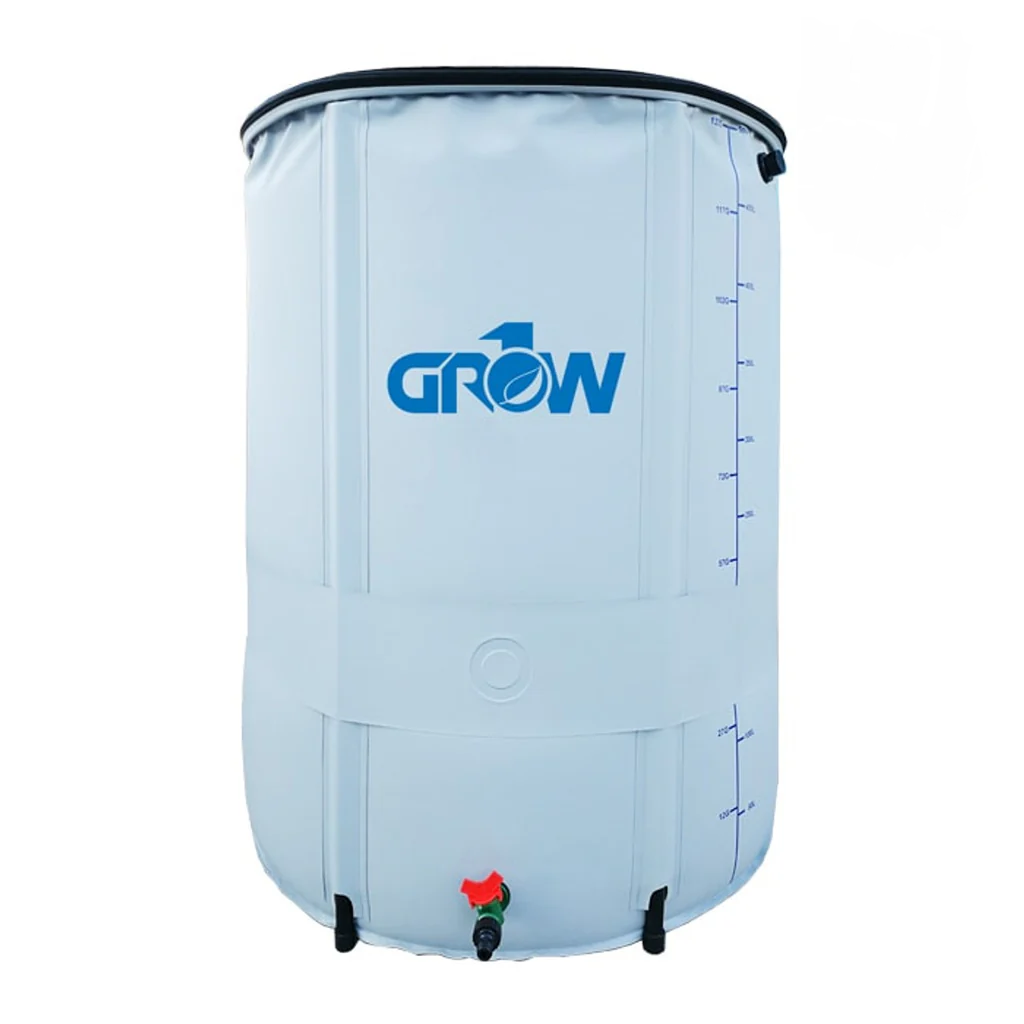
The Grow1 collapsible water storage tank allows you to pre-treat larger quantities of water, ensuring consistent quality for your entire garden. Having treated water ready to go prevents the temptation to use straight tap water during emergency watering situations.
Red Flags to Watch For
Warning Signs of Overwatering:
- Soil that never seems to dry out
- Mushrooms or mold growing on soil surface
- Sweet or sour smell from the growing medium
- Yellowing leaves that feel soft and mushy
Warning Signs of Underwatering:
- Soil pulling away from container edges
- Leaves that feel crispy or papery
- Rapid onset of drooping during lights-on periods
- Soil that's hard and difficult to penetrate
The Bottom Line
The confusion between overwatering and underwatering has probably killed more plants than pests and diseases combined. But once you understand the underlying mechanisms and know what to look for, the mystery disappears.
Remember: when in doubt, check the soil first. Your fingers are more reliable than your eyes when it comes to diagnosing watering issues. And if you're still struggling with consistent watering, consider investing in automated systems or quality water conditioners that take the guesswork out of the equation.
The key is developing a systematic approach to watering rather than relying on visual cues alone. With the right tools and knowledge, you'll never confuse these two common problems again.
For growers looking to eliminate watering inconsistencies entirely, check out our complete watering solutions that include everything from automated systems to water conditioning products designed to keep your plants thriving.




Leave a comment
This site is protected by hCaptcha and the hCaptcha Privacy Policy and Terms of Service apply.