

When it comes to feeding your soil, you've got two main approaches: mixing amendments directly into your growing medium or top dressing them on the surface. While both methods work, understanding the differences and mastering the art of top dressing can dramatically improve your soil health and plant performance. Let's dive into the secrets that experienced growers use to maximize their soil's potential.
Top Dressing vs. Mixing: Why Surface Application Wins
The fundamental difference between top dressing and mixing lies in how nutrients become available to your plants. When you mix dry amendments directly into soil, you create an immediate but often uneven distribution of nutrients. Top dressing, on the other hand, allows for a slow, controlled release that mimics how nutrients naturally occur in forest floors and grasslands.
Top dressing creates a feeding zone right where your plants need it most: near the surface where feeder roots concentrate. This method prevents the shock that can occur when roots encounter pockets of concentrated amendments mixed throughout the soil. Instead, nutrients gradually work their way down through the soil profile as you water, creating a steady supply rather than feast-or-famine conditions.
The surface application method also gives you better control over timing. You can observe how your plants respond and adjust accordingly, rather than being locked into whatever you mixed into the soil months earlier. This flexibility becomes crucial as plants move through different growth stages with varying nutritional needs.
Understanding Dry Amendments: The Foundation of Soil Health
Dry amendments form the backbone of sustainable soil feeding systems. Unlike liquid fertilizers that provide immediate but short-lived nutrition, dry amendments work with soil biology to create lasting improvements in soil structure and fertility.
The most effective dry amendments include kelp meal, neem cake, fish bone meal, bat guano, and various rock dusts. Each brings unique benefits: kelp meal provides over 60 trace minerals, neem cake adds pest-deterrent properties while feeding beneficial microbes, and fish bone meal delivers slow-release phosphorus perfect for flowering plants.
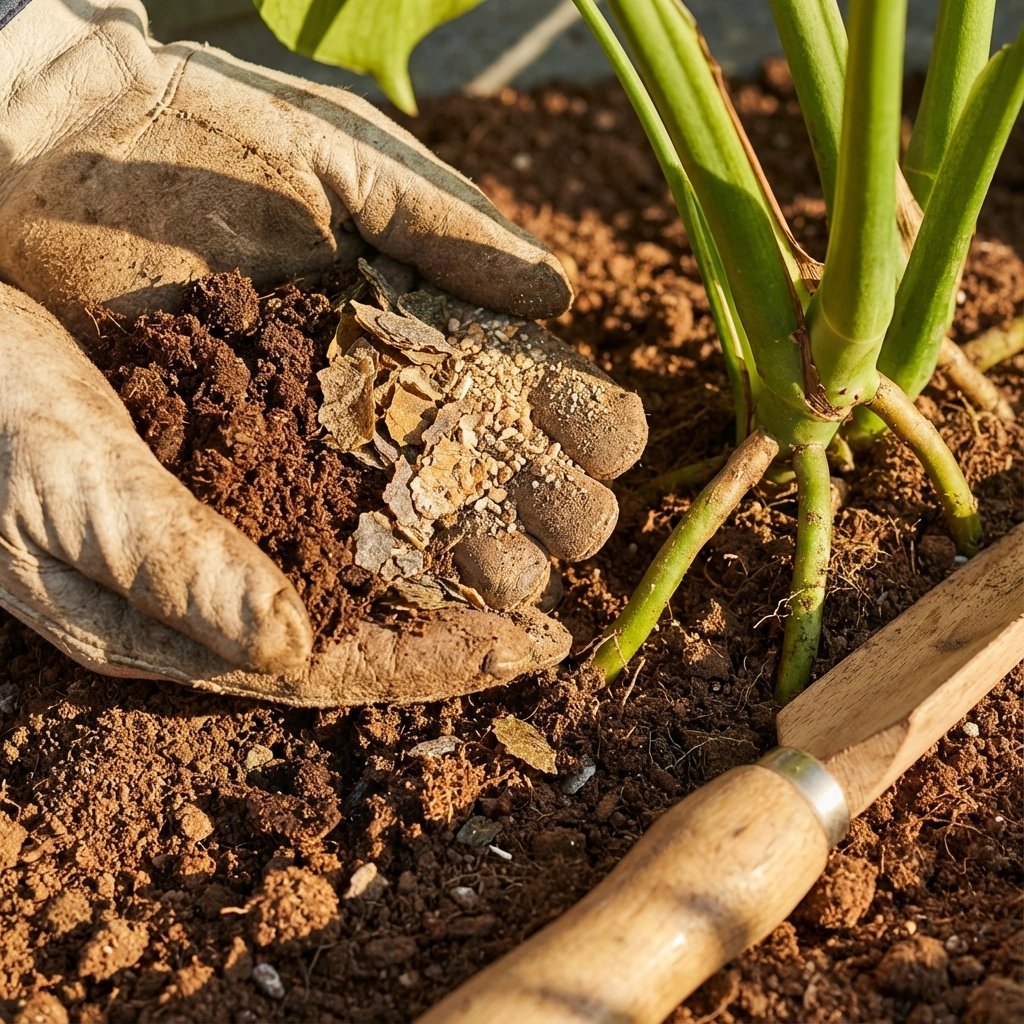
The key to success with dry amendments lies in understanding their release rates. Fast-acting amendments like blood meal can provide nitrogen within days, while slow-release options like rock phosphate may take months to become fully available. This is where the art of blending comes in: combining fast and slow-release materials creates both immediate plant response and long-term soil building.
Quality matters enormously with dry amendments. Look for materials that feel substantial and smell earthy rather than chemical-like. Avoid anything with synthetic additives or fillers that don't contribute to soil health. The best amendments often come from sustainable sources and maintain their natural mineral profiles.
The Bacterial Breakdown: How Microbes Unlock Nutrients
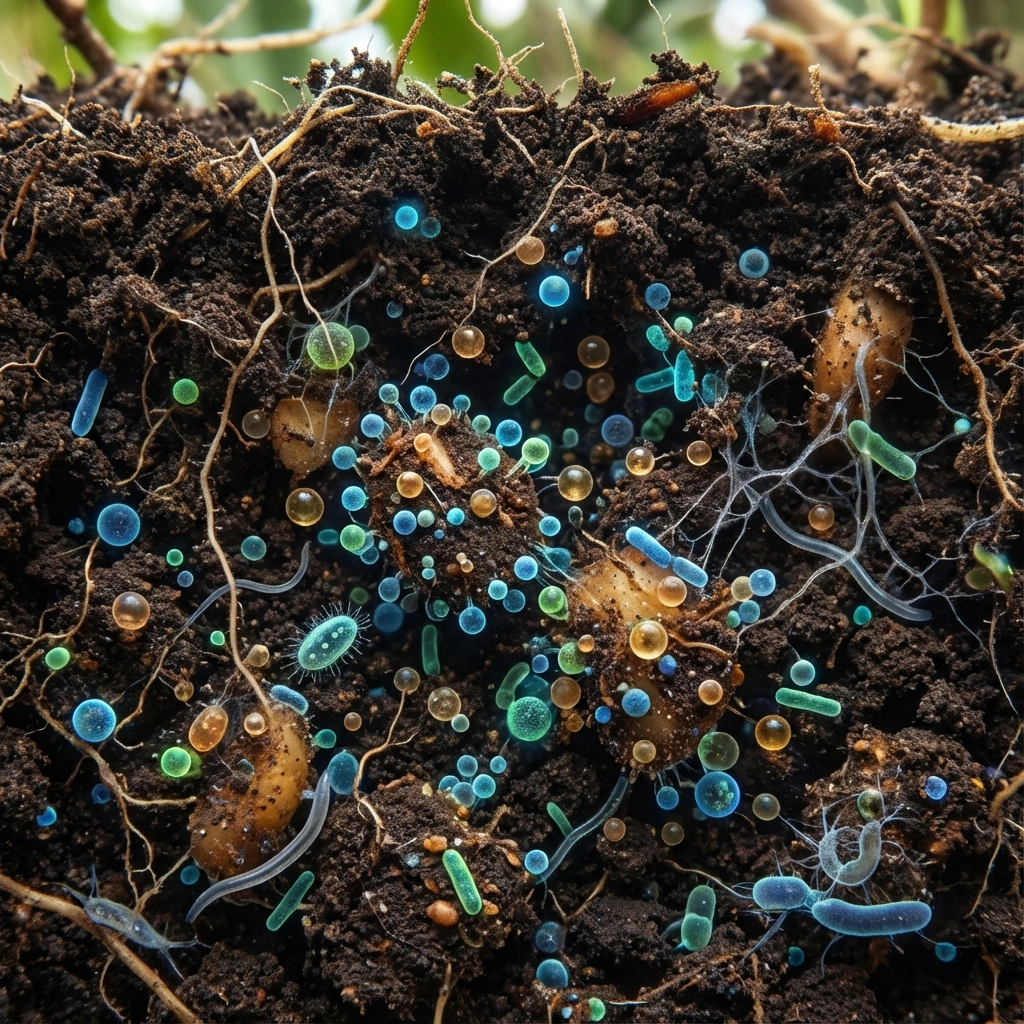
Here's where many growers miss the mark: they focus on the amendments themselves but ignore the biological processes that make nutrients available to plants. Bacteria and other microorganisms are the true workers in your soil, breaking down organic matter and releasing nutrients in forms plants can actually absorb.
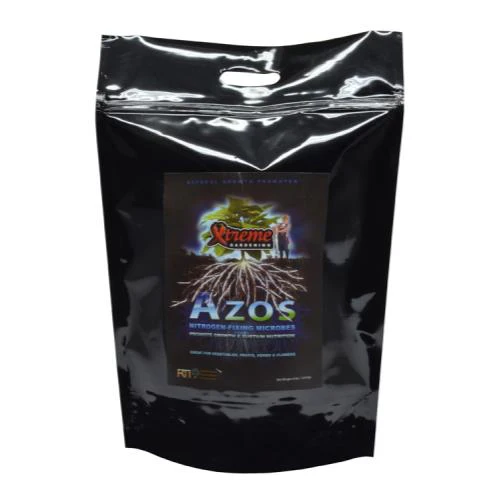
When you apply dry amendments through top dressing, you're essentially feeding the soil microbes first. These beneficial bacteria then process the organic matter, releasing nutrients gradually over time. This biological process requires specific conditions: adequate moisture, proper pH, and sufficient oxygen levels.
The bacterial breakdown process explains why organic amendments often outperform synthetic fertilizers in the long run. While synthetic fertilizers bypass soil biology entirely, organic amendments enhance it. Each feeding cycle builds the microbial population, creating a more robust and self-sustaining soil ecosystem.
Different types of bacteria specialize in breaking down specific materials. Nitrogen-fixing bacteria work on protein-rich amendments like fish meal, while phosphorus-solubilizing bacteria unlock rock phosphate and bone meal. This is why diverse amendment blends work better than single-ingredient approaches: they support diverse microbial communities.
Moisture Management: The Make-or-Break Factor
The most critical aspect of successful top dressing that many growers overlook is moisture management. Dry amendments sitting on top of dry soil accomplish nothing. They need consistent moisture to activate the microbial processes that make nutrients available.
Here's the secret: amendments need to stay damp, not wet, for optimal breakdown. Too much water creates anaerobic conditions that favor harmful bacteria and can lead to nutrient lockout. Too little water means the beneficial microbes can't do their job effectively.
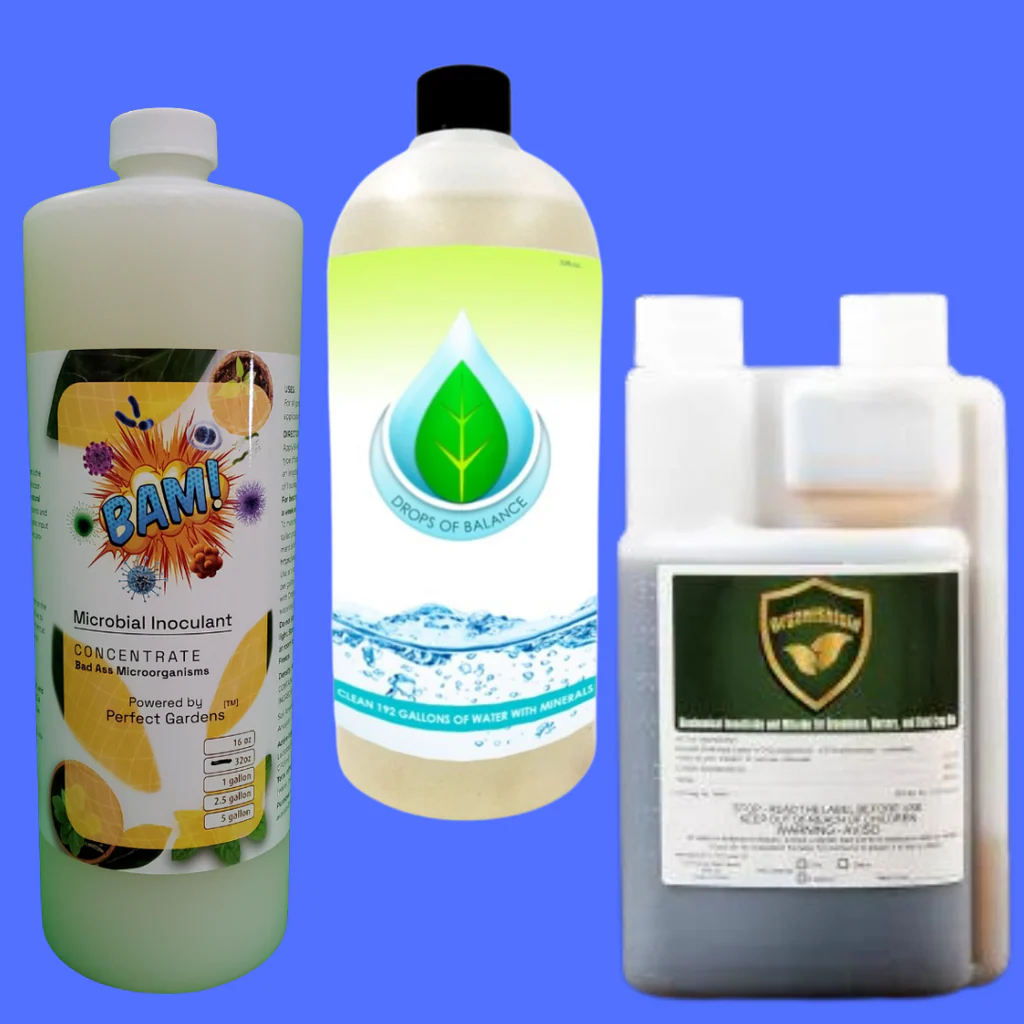
The ideal moisture level feels like a wrung-out sponge: moist to the touch but not dripping. Achieve this by watering gently after application, then maintaining consistent soil moisture through your regular watering routine. Many successful growers lightly scratch their top dressing into the surface inch of soil to improve water penetration and prevent amendments from washing away.
Seasonal timing affects moisture management significantly. Spring applications benefit from natural rainfall and increasing temperatures that boost microbial activity. Fall applications work well in most climates but require more attention to moisture levels as temperatures drop and microbial activity slows.
Practical Application Techniques That Work
Start with clean, weed-free soil surface for best results. Remove any debris or thick mulch layers that might prevent amendment contact with soil. Apply amendments evenly using a broadcast spreader for large areas or by hand for smaller plots and containers.
The general rule for application rates is 1-2 pounds per 100 square feet for most dry amendments, but this varies significantly based on soil conditions and plant needs. Sandy soils typically require higher application rates since nutrients leach through quickly, while clay soils need lighter applications to prevent nutrient buildup.
Timing your applications around plant growth cycles maximizes effectiveness. Early spring applications support vigorous growth, while mid-season applications can address specific deficiencies or prepare plants for flowering. Avoid heavy applications during dormant periods when plants can't utilize the nutrients effectively.
Layer different amendments strategically rather than mixing them all together. Start with slower-release materials like rock dust directly on the soil, followed by medium-release amendments like kelp meal, topped with faster-acting materials like fish emulsion powder. This creates a feeding gradient that provides both immediate and long-term nutrition.
Tools and Products for Success
The right tools make top dressing easier and more effective. A quality broadcast spreader ensures even distribution for larger areas, while a simple scoop and your hands work fine for container gardens and raised beds. Stainless steel screens help you achieve consistent particle sizes when preparing your own amendment blends.
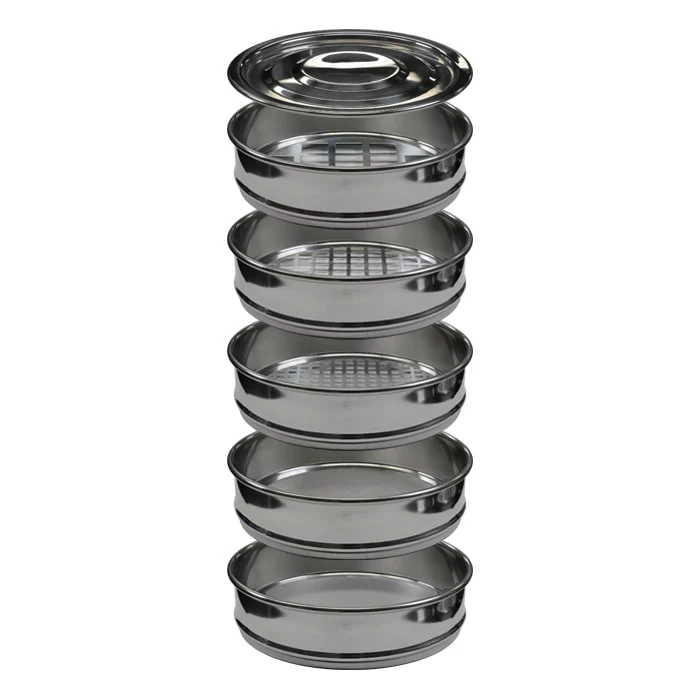
Consider investing in soil testing equipment to track your progress. Simple pH and moisture meters help you maintain optimal conditions for microbial activity. More advanced growers benefit from periodic soil analysis to monitor nutrient levels and adjust their programs accordingly.
Water management tools become crucial for maintaining proper moisture levels in your amendments. Drip irrigation systems provide consistent, gentle watering that won't wash away surface applications. For smaller areas, a watering can with a fine rose attachment gives you precise control over water application.
Building Your Amendment Program
Start simple with a basic blend of kelp meal, neem cake, and a quality compost. This foundation provides broad-spectrum nutrition while building soil biology. As you gain experience, add specific amendments to address particular needs: rock phosphate for flowering plants, azomite for trace minerals, or beneficial bacteria inoculants to jumpstart microbial activity.
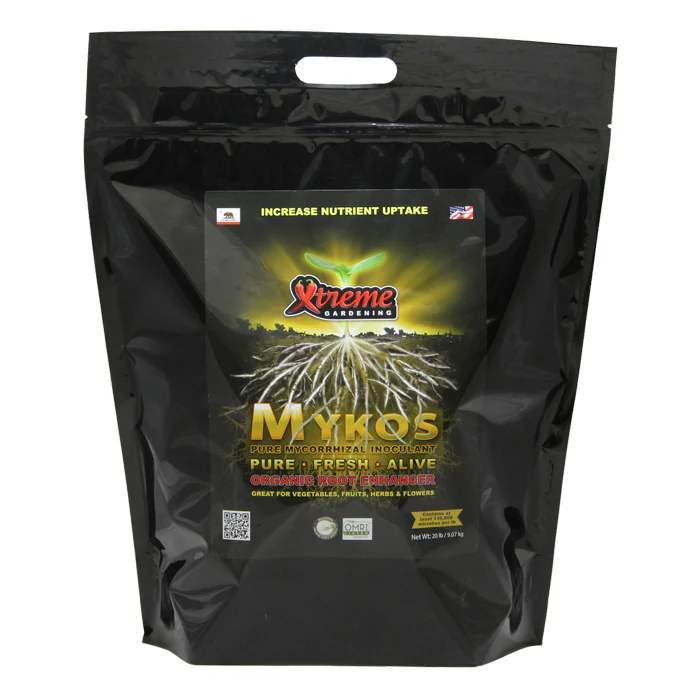
Keep detailed records of what you apply, when you apply it, and how your plants respond. This information becomes invaluable for refining your program and troubleshooting issues. Note environmental conditions like temperature and rainfall, as these significantly affect amendment performance.
The most successful soil feeding programs evolve gradually based on observation and results. Start conservative with application rates and timing, then adjust based on plant response and soil conditions. Remember that building soil health is a long-term process: dramatic improvements may take several seasons to fully manifest.
Top dressing with dry amendments represents a return to natural soil building principles that have sustained agriculture for centuries. By working with soil biology rather than against it, maintaining proper moisture levels, and applying amendments strategically, you create living soil that supports healthier plants and more abundant harvests season after season.



Leave a comment
This site is protected by hCaptcha and the hCaptcha Privacy Policy and Terms of Service apply.