
Blog
7 Mistakes You're Making with Your Grow Lights (and How to Fix Them)
So you invested in a quality LED grow light, set it up, and expected your plants to thrive. But something's off. Maybe your seedlings are stretching like they're trying to escape. Maybe your leaves are curling up and looking crispy. Or perhaps your yields just aren't hitting the numbers you expected.
Here's the thing: grow lights aren't a "set it and forget it" situation. Even the best LED panels on the market can work against you if you're making common setup and maintenance mistakes.
At Perfect Gardens, we see these issues all the time. The good news? They're all fixable. Let's walk through the seven most common grow light mistakes and how to correct them before they cost you a harvest.
1. Hanging Your Lights at the Wrong Height
This is probably the most common mistake we see, and it goes both ways.
Too close: Your plants get blasted with intensity they can't handle. You'll see leaf burn, bleached tips, and curled-up leaves: especially on the canopy tops closest to the light. It looks like heat stress, and in a way, it is.
Too far: Your plants stretch toward the light source, developing weak, spindly stems. They're literally reaching for more photons because they're not getting enough. This leads to lanky plants that can't support heavy flowers or fruit.
The Fix: Always check the manufacturer's recommended hanging height for your specific model. For seedlings and early veg, keep lights 18-24 inches above the canopy and dim to 30-50% power. As plants mature, you can lower the light and increase intensity gradually. Watch your plants: they'll tell you if something's wrong.
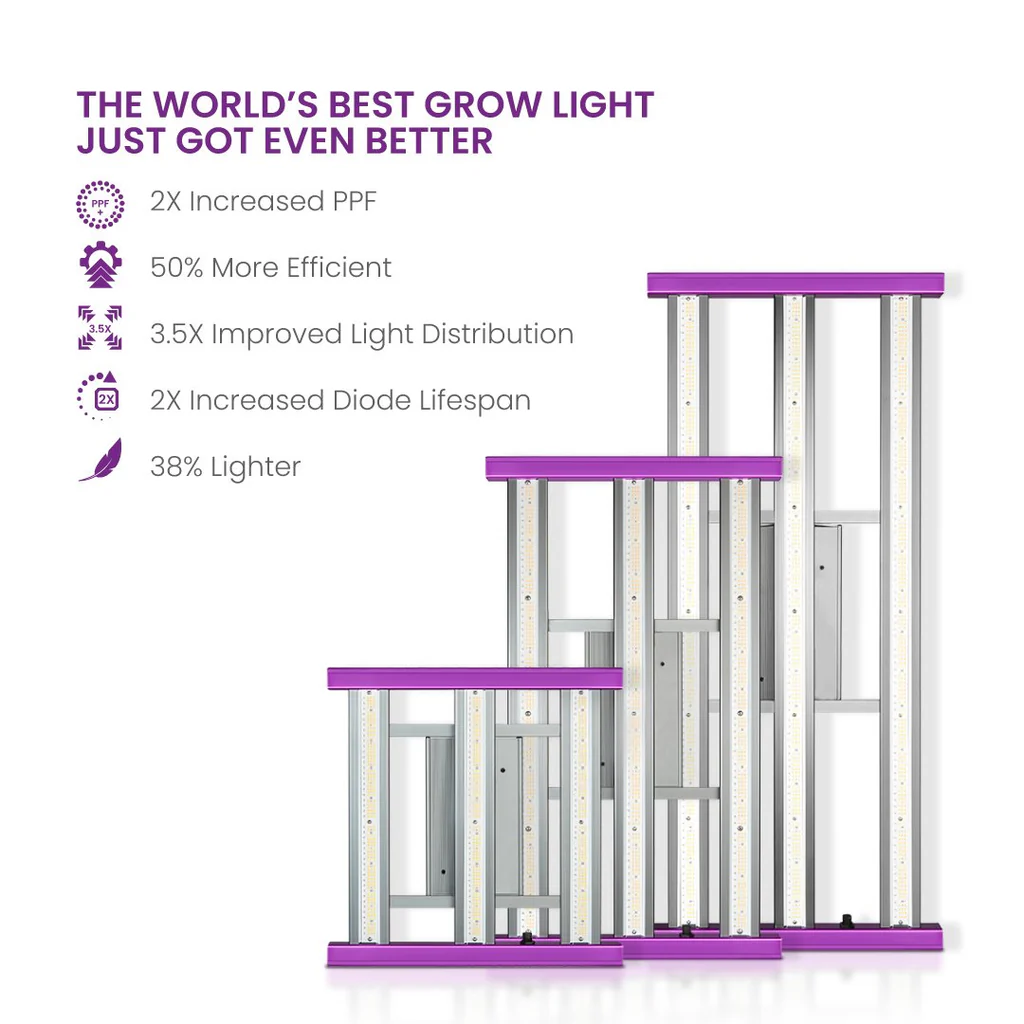
Quality lights like the KIND LED X420 or KIND LED X330 come with clear guidelines on hanging distance for each growth stage. Following those specs makes a real difference.
2. Using the Wrong Spectrum for the Growth Stage
Plants don't need the same light throughout their entire life cycle. Seedlings and vegetative plants thrive under cooler, blue-heavy spectrum light. Flowering plants want warmer, red-heavy wavelengths to trigger and support bloom development.
The Mistake: Running a bloom spectrum during veg, or vice versa. Your plants won't die, but they won't perform optimally either. You might see delayed flowering, stretched internodes during bloom, or just underwhelming results overall.
The Fix: Invest in a full-spectrum LED that covers the entire growth cycle, or use a light with adjustable spectrum settings. Many modern LEDs: like those in our KIND LED collection or Medic Grow lineup: offer spectrum tuning so you can dial in exactly what your plants need at each stage.
3. Forgetting About Heat Management
There's a common misconception that LEDs don't produce heat. They produce less heat than HPS or MH lights, sure. But high-powered LED panels still generate significant warmth: especially at the driver and heat sink.
The Mistake: Assuming your grow space doesn't need ventilation or airflow because you're running LEDs. This leads to heat pockets forming at the canopy, stressed plants, and inconsistent growth across your garden.
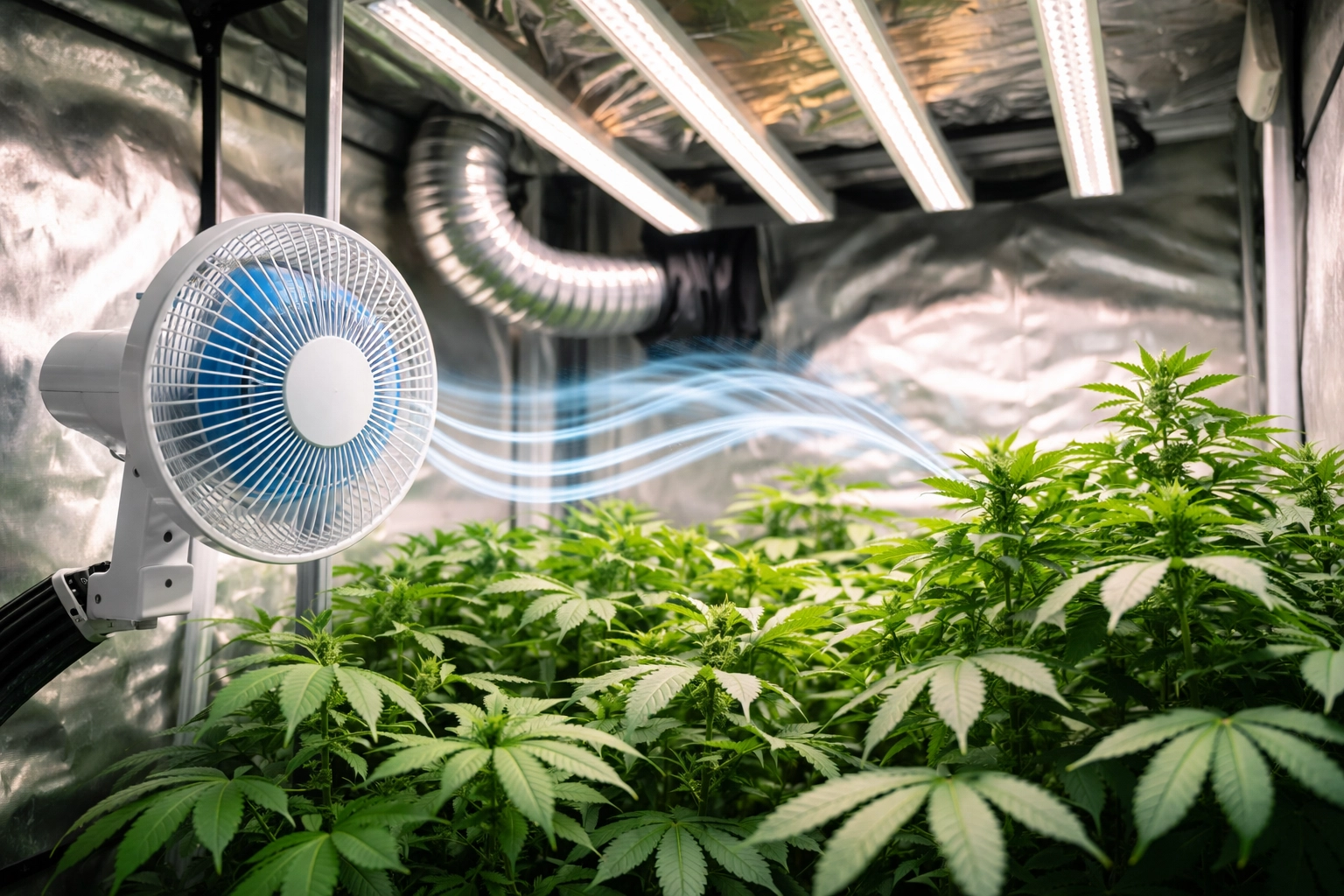
The Fix: Always ensure adequate airflow in your grow space. Oscillating fans, inline exhaust fans, and proper tent ventilation are still essential with LEDs. Position fans to move air across the canopy and around your light fixtures. Your plants: and your equipment: will last longer.
4. Overwatering Because You're Used to HPS
This one catches a lot of growers off guard, especially those transitioning from HID lighting.
HPS lights run hot. That heat causes significant evaporation from your growing medium and transpiration from your plants. You get used to watering frequently.
LEDs run cooler. Your plants don't transpire as much. The medium stays wet longer.
The Mistake: Sticking to your old watering schedule under LEDs. The result? Overwatered plants, root rot, nutrient lockout, and a host of problems that look like deficiencies but are actually drainage issues.
The Fix: Adjust your watering frequency when switching to LEDs. Let your medium dry out more between waterings. Lift your pots to check weight. Use your finger to test soil moisture. Your plants will thank you.
5. Ignoring Light Leaks During Dark Periods
Photoperiod plants need uninterrupted darkness to trigger and maintain flowering. We're not talking "dim": we're talking total blackout.
The Mistake: Small light leaks from zippers, vent flaps, indicator lights on equipment, or even a cracked door. These interruptions can confuse your plants, delay flowering, cause hermaphroditism, or revert plants back to vegetative growth.
The Fix: Get inside your grow space during the dark period and look for any light sources. Seal zipper gaps with light-proof tape. Cover equipment LEDs with electrical tape. Make sure doors and flaps close completely. If you can see your hand in front of your face after 5 minutes of adjusting, it's not dark enough.
6. Obsessing Over Wattage Instead of PPFD/PAR
Wattage tells you how much electricity a light draws. That's it. It doesn't tell you how much usable light actually reaches your plants.
The Mistake: Shopping for grow lights based purely on wattage. A 300W light from a no-name brand might deliver half the photons of a well-designed 200W fixture from a reputable manufacturer.
The Fix: Focus on PPFD (Photosynthetic Photon Flux Density) and PAR (Photosynthetically Active Radiation). These metrics tell you how many usable light photons are hitting your canopy per second. Quality brands publish PPFD maps showing light distribution across different hanging heights.
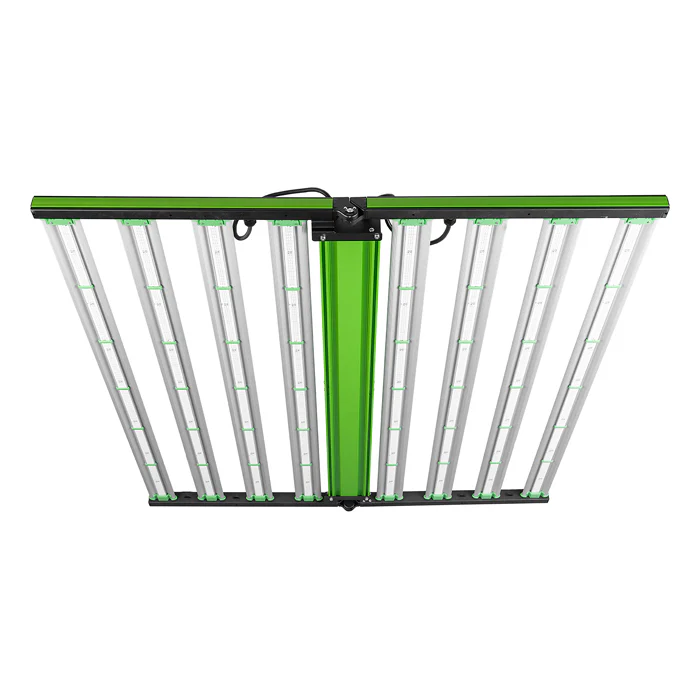
This is why we stock brands like KIND LED and Medic Grow: they provide transparent data on light output, efficiency, and coverage. The KIND LED X220 is a great entry point for smaller spaces where efficiency matters.
7. Letting Dust Build Up on Lenses and Reflectors
This one's easy to overlook, but it matters more than you'd think.
Dust, dirt, and residue accumulate on your light's lenses and reflectors over time. Every particle blocks photons from reaching your plants. Over months, you could be losing 10-20% of your light output without even realizing it.
The Mistake: Never cleaning your grow lights. You're essentially paying for light that never reaches your canopy.
The Fix: Wipe down your light fixtures regularly: at least once a month during active grows. Use a soft, dry microfiber cloth. For stubborn residue, a slightly damp cloth works, but make sure the light is off and cool first. Check reflectors, lenses, and LED bars. Keep them clean, keep your photons flowing.
Bonus: Not Asking for Help
Look, dialing in a grow light setup isn't always intuitive. There are a lot of variables: tent size, plant count, growth stage, ambient temperature, airflow. It can feel overwhelming.
The Fix: Ask someone who's done it before. At Perfect Gardens, we offer grow tent consulting sessions specifically for situations like this. A 30-minute conversation can save you weeks of trial and error and help you get your light dialed in from the start.
Wrapping It Up
Grow lights are one of the best investments you can make for an indoor garden: but only if you're using them correctly. Avoid these seven mistakes, and you'll see healthier plants, better yields, and fewer headaches.
Quick recap:
- Hang at the right height : follow manufacturer specs
- Match spectrum to growth stage : blue for veg, red for bloom
- Manage heat : LEDs still need airflow
- Adjust watering : LEDs mean less evaporation
- Eliminate light leaks : total darkness means total
- Focus on PPFD, not wattage : usable light matters
- Clean your lights : dust blocks photons
If you're shopping for a reliable LED setup, check out our KIND LED and Medic Grow collections. And if you need help figuring out what's right for your space, we're always here to help you dial it in. 🌱