
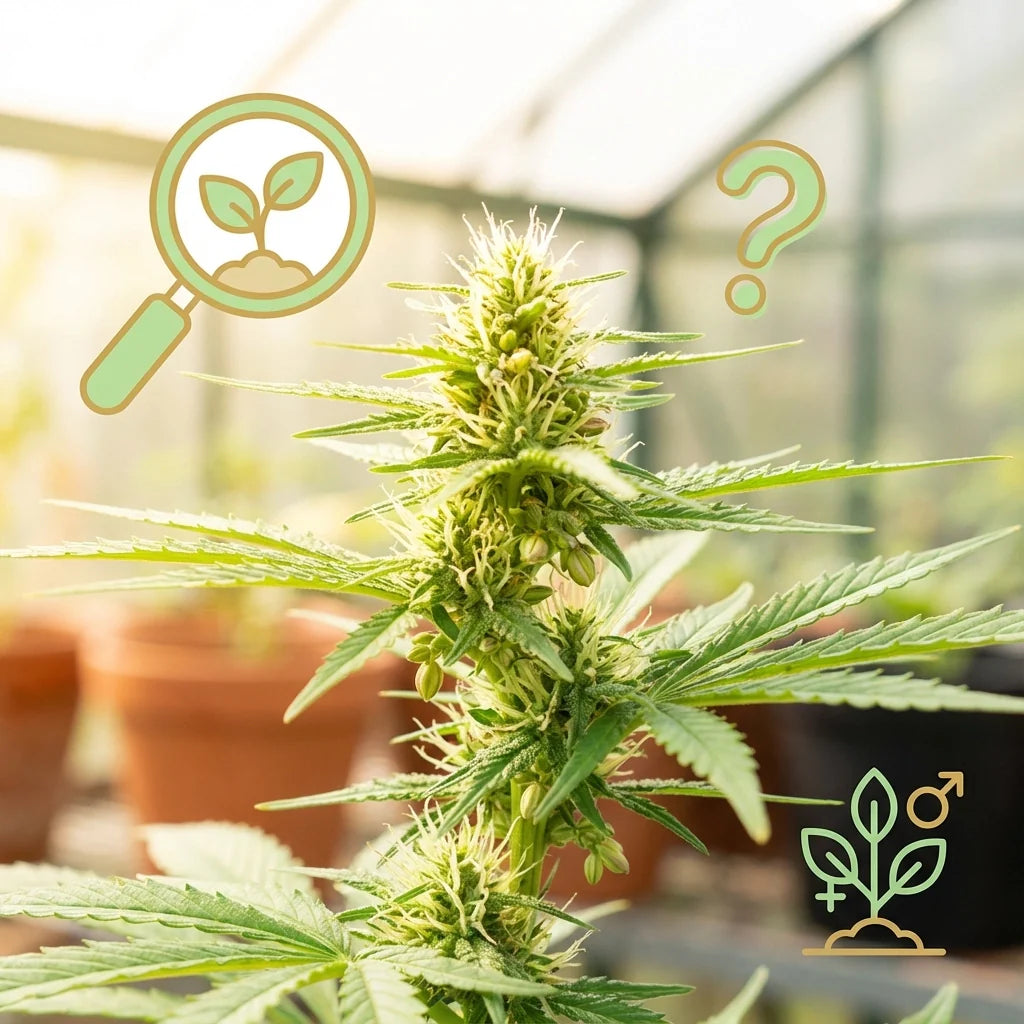
One of the most common questions we get at Perfect Gardens is about hermaphrodite seeds, specifically, whether you should grow them or toss them in the trash. It's a frustrating situation that many growers face, especially when you've invested time and money into a crop only to discover some plants have developed both male and female characteristics.
The short answer? Yes, you technically can grow hermie seeds. But whether you should depends on several factors that we'll break down in detail.
The Simple vs. Complex Answer
Let's start with the straightforward approach. If hermie seeds are all you have access to: maybe you can't get new genetics, don't want to purchase fresh seeds, or you're simply curious about the outcome: you absolutely can grow them. They'll germinate, develop roots, and produce plants just like any other cannabis seed.
However, the reality is more nuanced than that simple yes or no answer. The success of growing hermie seeds largely depends on why the original plant hermaphrodited in the first place.
Understanding the Root Cause
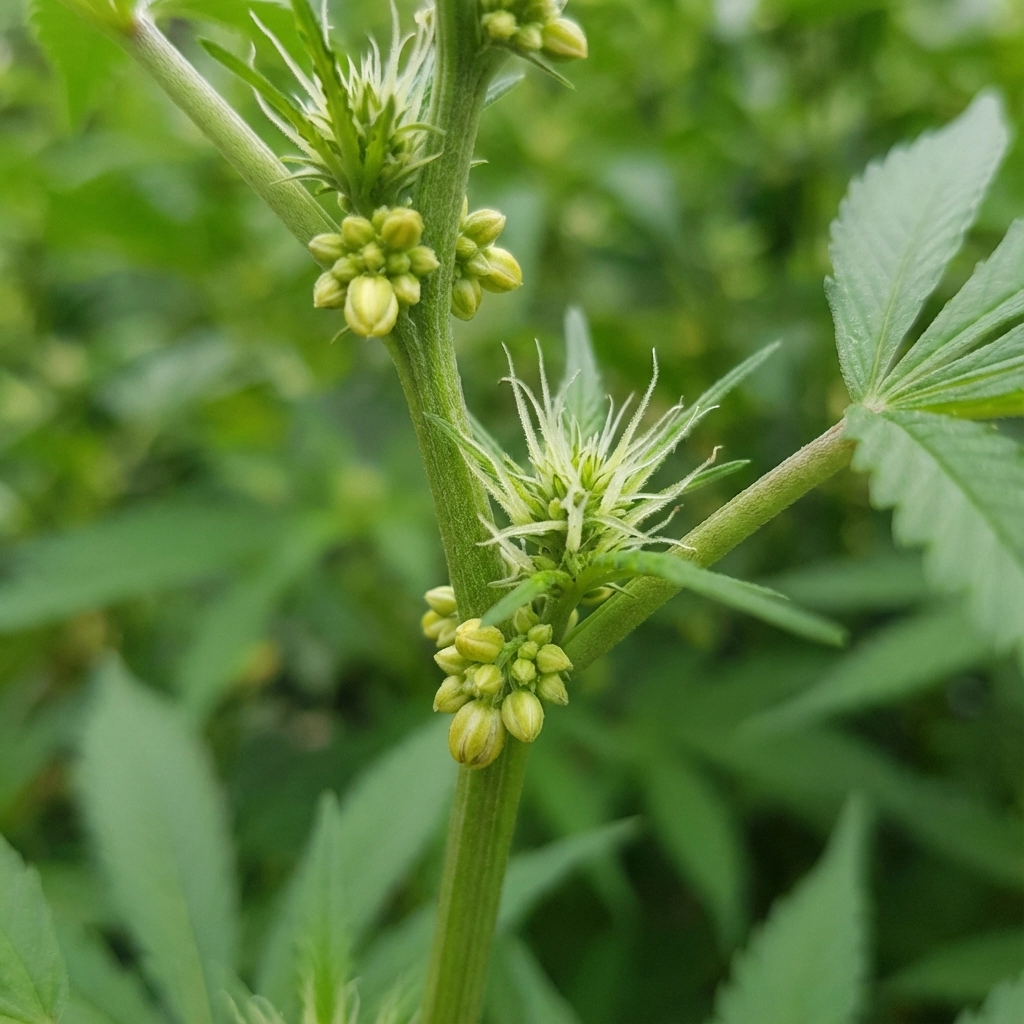
The key to making an informed decision lies in understanding what caused the parent plant to develop hermaphrodite characteristics. There are two primary scenarios:
High-Stress Hermaphrodites: When a plant hermies due to environmental stress: like heat stress, light leaks, nutrient deficiencies, or physical damage: there's actually a decent chance the offspring won't exhibit the same behavior under proper growing conditions. In this case, the hermaphroditism was a survival response rather than a genetic predisposition.
Low-Stress Hermaphrodites: If a plant develops both male and female flowers under ideal growing conditions with minimal stress, this suggests a genetic tendency toward hermaphroditism. Seeds from these plants are much more likely to produce hermaphrodite offspring, regardless of how well you treat them.
The challenge is that you might not always know which category your hermie seeds fall into, especially if you acquired them from another grower or found them in purchased flower.
When It Might Be Worth the Risk
If you decide to move forward with hermie seeds, here's the most important advice: limit your plant count. Growing one or two plants from hermie genetics is manageable. Growing a dozen is asking for trouble.
Why such a small number? Because managing hermaphrodite plants requires constant vigilance and immediate action. You'll need to inspect your plants daily during the flowering phase, looking for the telltale signs of male pollen sacs developing alongside female flowers.
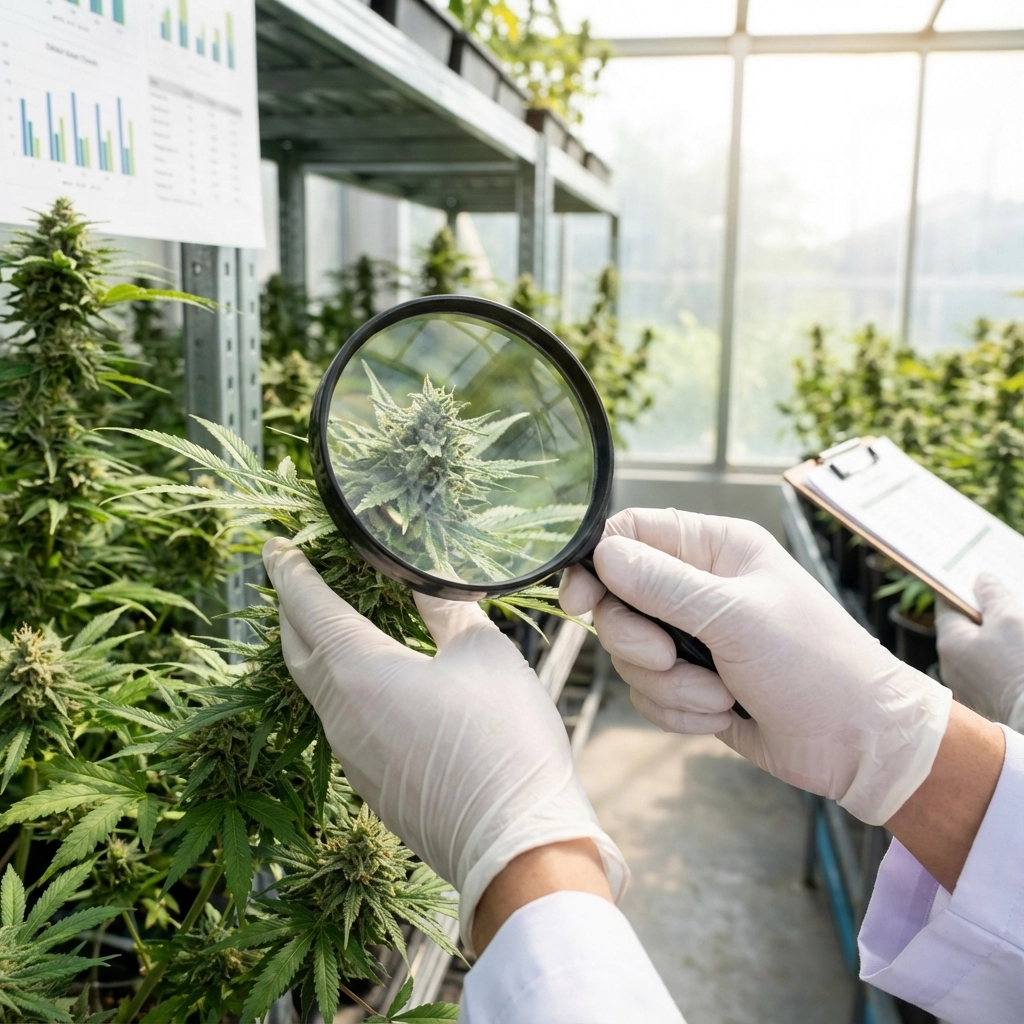
When you spot male pollen sacs: and you will if the genetics lean that way: you have roughly 36 hours to remove them before they open and release pollen. Miss this window, and you'll end up with seeded flower and potentially pollinated neighboring plants.
This daily inspection and removal process is time-consuming and requires experience to do effectively. Most growers find that after managing one hermaphrodite plant through a full flowering cycle, their attention to detail diminishes significantly on subsequent plants. It's mentally exhausting work that demands precision.
The Management Protocol
If you're committed to growing hermie seeds, here's your action plan:
Week-by-Week Monitoring: Start daily inspections around week 3-4 of flowering. Male pollen sacs typically appear as small, round clusters that look different from the elongated female pistils.
Swift Removal: Use clean, sharp scissors or tweezers to remove pollen sacs immediately upon discovery. Be gentle to avoid accidentally rupturing them during removal.
Quarantine Approach: Keep hermie plants separate from your main crop whenever possible. This isolation prevents accidental pollination of your premium genetics.
Documentation: Keep notes about when and where hermie traits appear. This information helps you understand the genetic patterns and make better decisions about future generations.
When It's Absolutely Not Worth It
Here's where we need to be brutally honest: if you're running a serious grow operation with multiple plants and access to quality genetics, growing hermie seeds is a terrible idea. The risk-to-reward ratio simply doesn't make sense.
Consider this scenario: you're growing 20 plants of premium genetics, and you decide to include 2-3 hermie plants "just to see what happens." If those hermie plants release pollen, they can pollinate your entire crop, turning what should have been high-quality, seedless flower into seeded, lower-potency material.
No matter how good the original genetics were or how much you want to preserve those particular traits, it's not worth jeopardizing an entire harvest. The financial loss from a pollinated crop far exceeds any potential gains from successfully growing hermie genetics.
The Science Behind Hermie Seeds
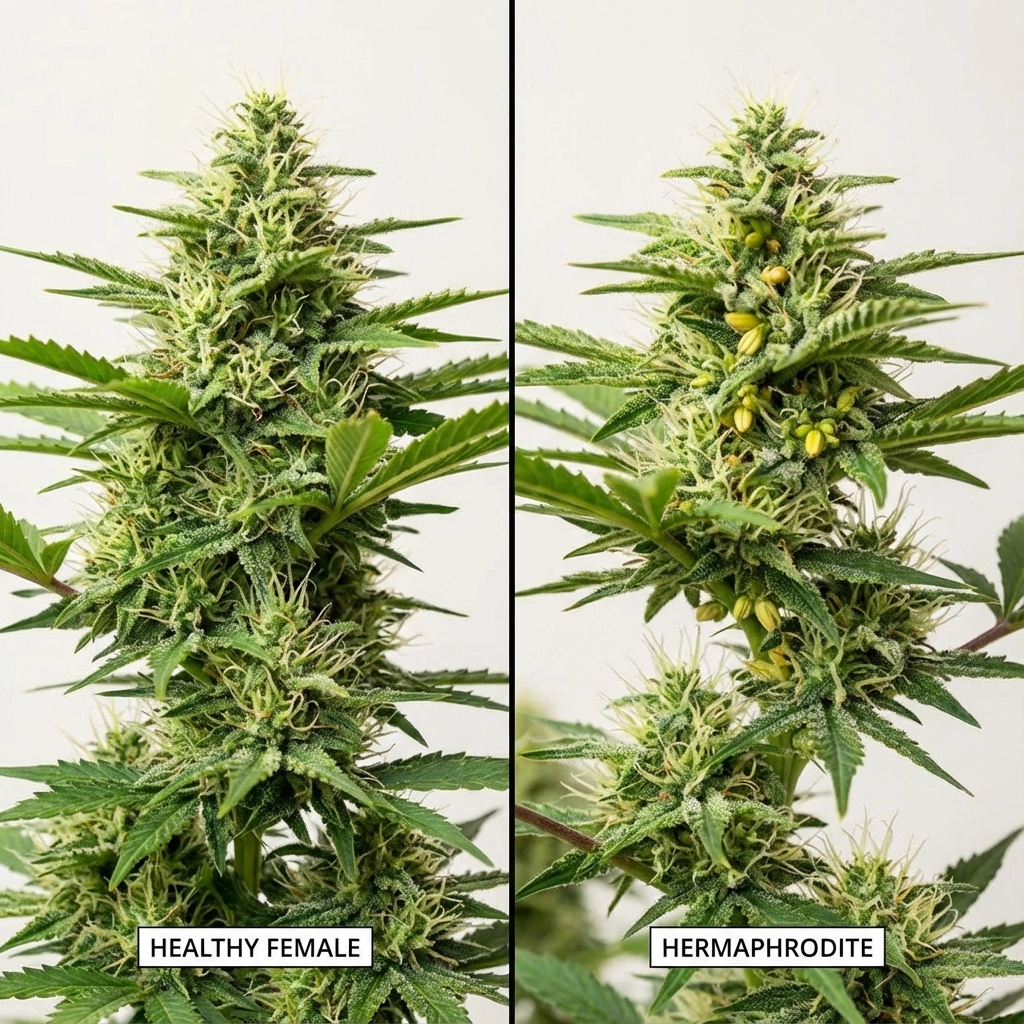
Research shows that seeds from hermaphrodite plants do carry a higher tendency to produce hermaphrodite offspring. However, some studies suggest that under specific conditions, hermie seeds can produce entirely female plants. The genetics are complex, and environmental factors play a significant role in expression.
What we know for certain is that hermaphrodite traits can be both genetically inherited and environmentally triggered. This dual nature makes hermie seeds unpredictable, which is why experienced growers generally avoid them for commercial operations.
Better Alternatives and Prevention
Rather than gambling with hermie seeds, invest in proven genetics from reputable sources. Feminized seeds from established breeders undergo extensive testing to minimize hermaphrodite tendencies. Regular seeds from quality breeding programs offer genetic diversity without the hermie risks.
For those interested in seed production, consider learning proper breeding techniques using stable male and female plants. This approach gives you control over the genetics while avoiding the complications that come with hermaphrodite breeding.
Environmental Factors That Matter
If you do proceed with hermie seeds, creating optimal growing conditions becomes even more critical. Maintain consistent temperatures, eliminate light leaks, provide proper nutrition, and minimize physical stress to the plants. Any environmental stressor can trigger hermaphrodite development in genetically predisposed plants.
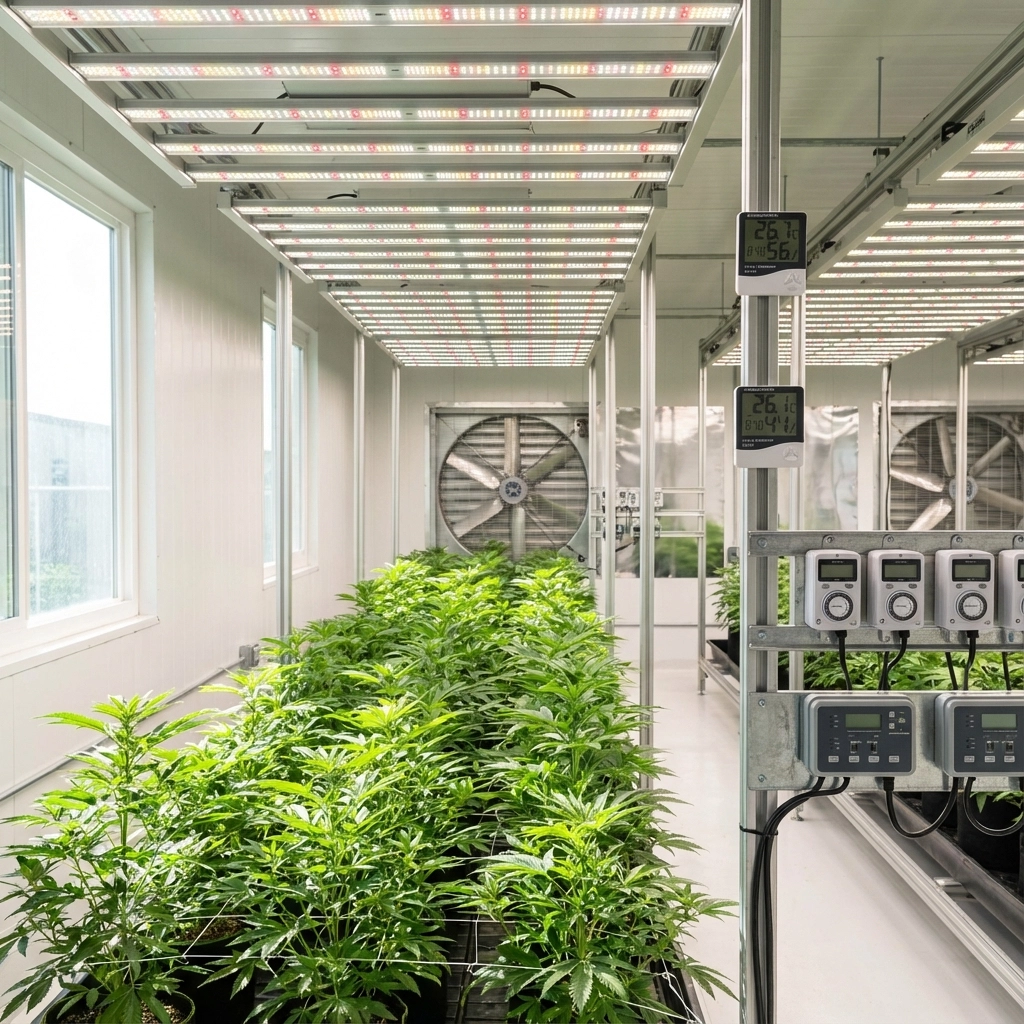
Monitor your grow environment closely with quality controllers and timers to maintain stability. The 240V Single Outlet Mechanical Timer can help maintain consistent lighting schedules, reducing one potential stress factor.
The Bottom Line
Growing hermie seeds comes down to risk tolerance and resources. If you're a hobbyist grower with limited plant counts, curious about genetics, and willing to put in the daily monitoring work, you might find success with hermie seeds: especially if you suspect the original hermaphroditism was stress-induced.
However, for most growers, the time, energy, and risk involved simply aren't worth it. Quality genetics are more accessible than ever, and the peace of mind that comes with stable, tested strains far outweighs any potential benefits of growing hermie genetics.
The decision ultimately comes down to your specific situation, but remember: in cultivation, consistency and reliability typically trump curiosity and experimentation, especially when your entire crop hangs in the balance.
If you're serious about growing, invest in your genetics the same way you invest in your equipment. Your future harvests will thank you for making the smart choice upfront rather than learning these lessons the hard way.



Leave a comment
This site is protected by hCaptcha and the hCaptcha Privacy Policy and Terms of Service apply.