
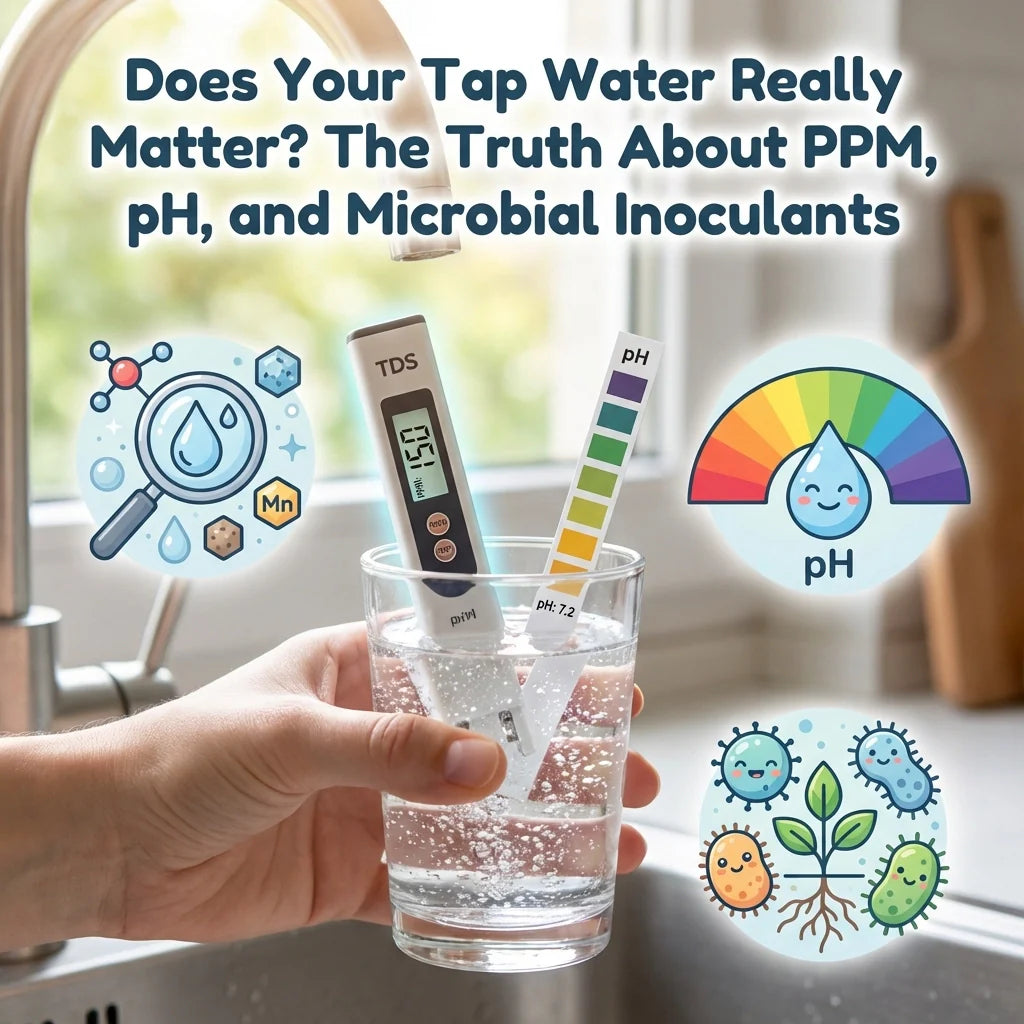
Here's the reality most growers don't want to hear: your tap water might actually be better for your plants than that expensive RO system you've been considering. The key isn't about getting the "purest" water possible, it's about understanding what's already in your water and how to work with it.
Over the years, I've taught countless growers how to successfully use their tap water, well water, rainwater, and even river water for their plants. The secret isn't in throwing out what nature provides; it's in treating what you have properly.
Understanding Your Starting Point: PPM Basics
Before you can optimize any water source, you need to know your input parts per million (PPM). This single measurement will determine everything about how you approach your nutrient strategy.
Parts per million tells you the concentration of dissolved minerals and compounds in your water. It's not just a number: it's the foundation of your entire growing approach because it directly affects your soil biology.
The magic number to remember? 800-900 PPM maximum for synthetic fertilizers if you want to keep your soil biology active and thriving.
The Synthetic Fertilizer Threshold That Changes Everything
Here's where most growers get confused about synthetic versus organic. When I talk about synthetic fertilizers, I mean chemical fertilizers: not anything that's been altered by man. Even bagged soil could technically be considered "synthetic" because it's been removed from its original state.
But for practical purposes, we're talking about chemical fertilizers that don't come directly from sulfated minerals. Once you understand this distinction, you can start working with your water instead of against it.
The 800-900 PPM rule exists for one critical reason: soil biology.
Push past this threshold, and your beneficial bacteria and microbes start slowing down dramatically. They become less effective at breaking down nutrients and making them available to your plants. Once you hit 1,300-1,800 PPM or higher, you're essentially relying on yourself rather than your soil ecosystem.
Treating High PPM Tap Water (1,500+ PPM)
If your tap water tests at 1,500 PPM or higher, don't panic. You can absolutely work with it, but you'll need to adjust your approach.
Treatment protocol for high PPM water:
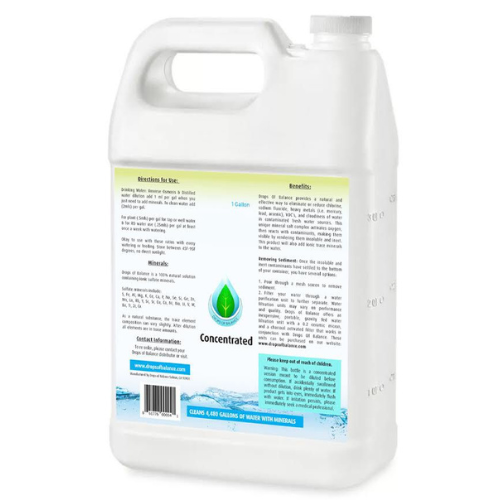
- Use 2-3 ml per gallon of water treatment solution
- Consider a settling tank system where inert materials can settle out
- Draw water from the top of your settling tank
- Allow extra time for the treatment process
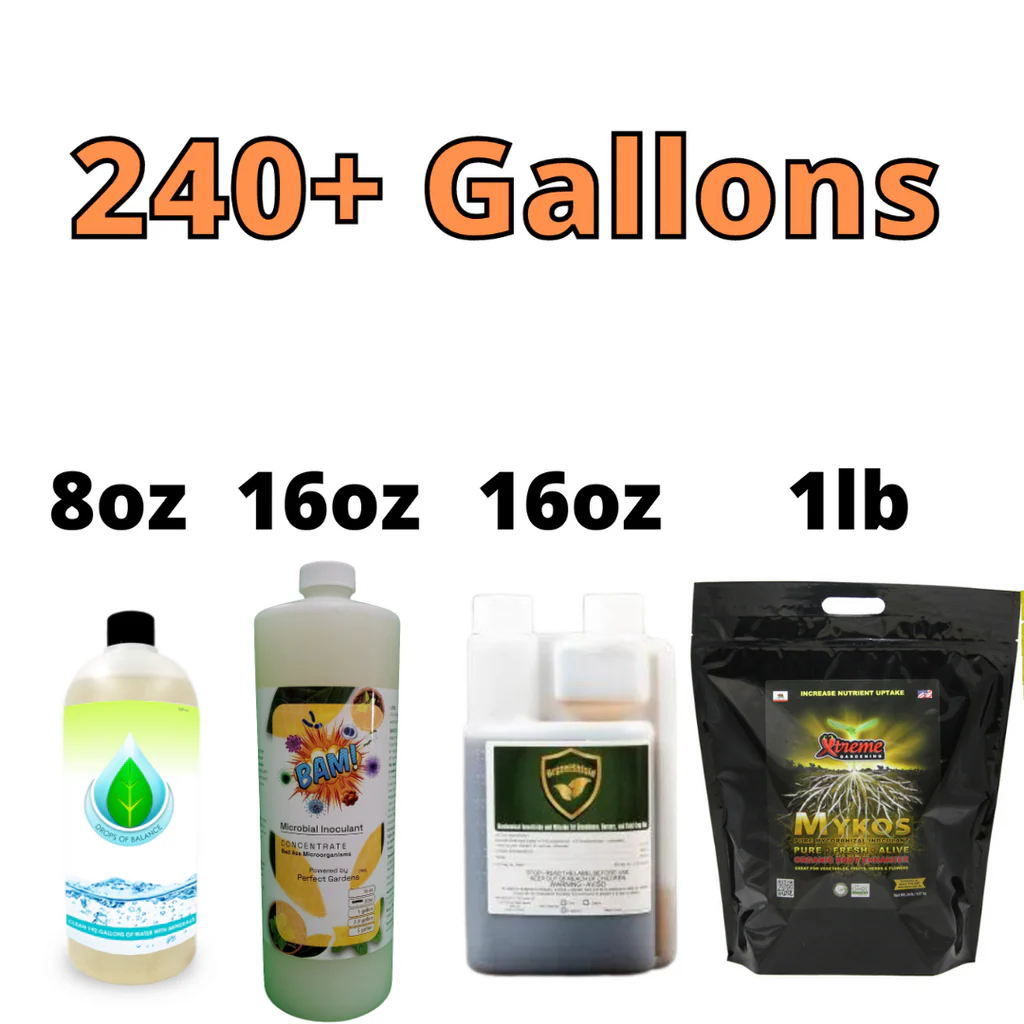
The PPM numbers won't change dramatically, but the chemistry absolutely will. You're neutralizing the heavy metals and toxins that interfere with plant growth while making the beneficial nutrients readily available.
At this point, you might find your treated tap water contains enough minerals to support healthy plant growth with minimal additional fertilizers. Add some dry amendments to your soil, throw in a biology product, and you could be set.
Working With Low PPM Water Sources (100-200 PPM)
Low PPM water sources like rainwater or some well water require a different strategy entirely.
Treatment protocol for low PPM water:
- Start with 1 ml per gallon of treatment solution
- You have room to add up to 600-700 PPM of additional synthetic fertilizers
- This brings your total to that sweet spot of 800-900 PPM
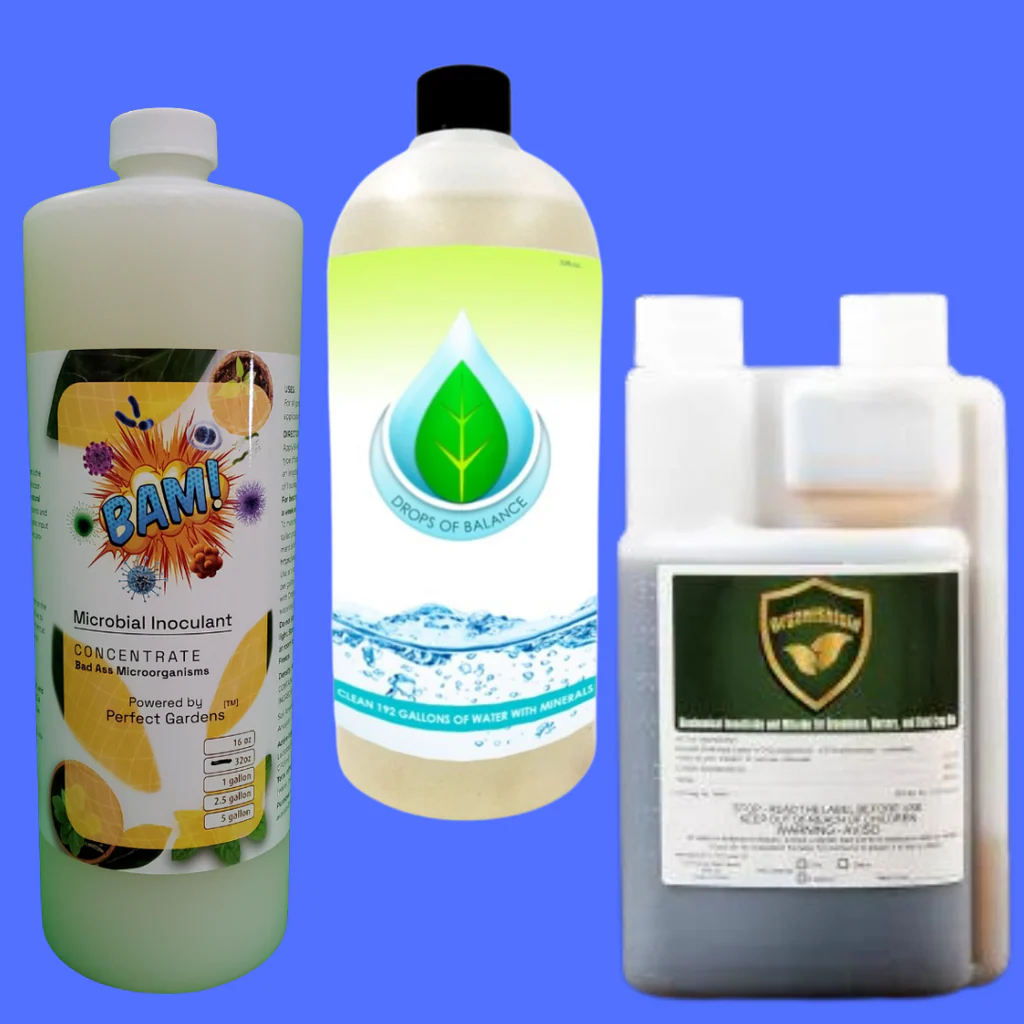
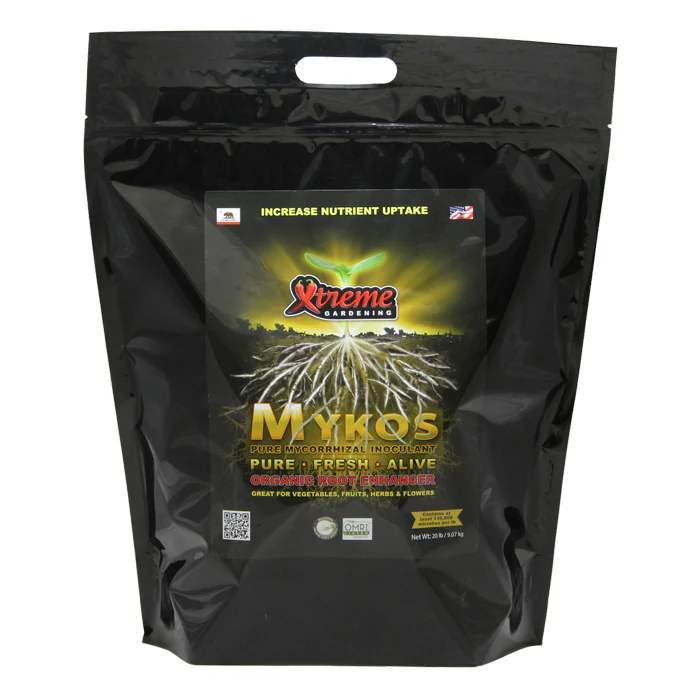
- Always include a microbial inoculant to maximize nutrient utilization
The beauty of starting with low PPM water is flexibility. You're not fighting against existing minerals: you're building a custom nutrient profile that works perfectly with your soil biology.
The Soil Biology Connection
Here's what the fertilizer industry doesn't want you to understand: healthy soil biology can convert almost anything your plants need to grow. The bacteria and microbes in your soil are incredibly efficient workers when they're not being suppressed by chemical overload.
Think about this logically. Scientists have determined the exact mineral density and mass requirements for plant growth. It's not actually that much. Most of the time, there are more than enough materials in your soil that can be broken down: if your soil biology is functioning properly.
What makes soil biology dormant:
- Excessive synthetic fertilizer concentrations
- Heavy metals and toxins from untreated water
- Chemical additives that disrupt microbial communities
- pH imbalances that stress beneficial organisms
The RO System Reality Check
You probably don't need that expensive reverse osmosis system. Before investing in RO equipment that strips everything from your water, consider a less expensive system that reduces your PPM from 1,500-1,600 down to 400-500 PPM.
Alternative to full RO systems:
- Partial filtration systems (less expensive)
- Reduces PPM without complete mineral removal
- Treat the filtered water with 1-1.5 ml per gallon of treatment solution
- Leaves room for 300-400 PPM of additional nutrients if needed
This approach saves money while preserving beneficial minerals that your plants can actually use.
Practical Application: Step-by-Step Water Treatment
Step 1: Test Your Water Know your starting PPM before doing anything else. This single measurement determines your entire strategy.
Step 2: Choose Your Treatment Ratio
- High PPM (1,500+): 2-3 ml per gallon
- Medium PPM (500-800): 1.5 ml per gallon
- Low PPM (100-200): 1 ml per gallon
Step 3: Treat and Wait Allow time for the treatment to neutralize toxins and make minerals bioavailable.
Step 4: Add Biology Include microbial inoculants to maximize nutrient utilization from your treated water.
Step 5: Supplement Carefully Add dry amendments or additional nutrients only as needed, staying within your 800-900 PPM total threshold.
The Economics of Working With Your Water
Consider this scenario: your tap water tests at 800 PPM, and after proper treatment, it contains enough minerals to support healthy plant growth without any additional fertilizer purchases.
The cost savings are substantial. Not just for individual growers, but imagine the long-term savings for farmers who could reduce or eliminate synthetic fertilizer dependence by working with their existing water sources.
This isn't just about saving money: it's about building sustainable growing systems that work with natural processes instead of fighting against them.
When Higher PPM Makes Sense
There are situations where pushing beyond the 800-900 PPM threshold makes sense, but you need to understand what you're getting into.
Advanced nutrient stacking (1,300-3,000 PPM):
- Requires deep understanding of plant nutrition
- Must master watering practices and dry-back timing
- Soil biology becomes less active
- You become responsible for most nutrient delivery
- Suitable for experienced growers with time for precise management
Making the Right Choice for Your Setup
The bottom line is simple: work with what you have before spending money on what you think you need.
Your tap water probably contains valuable minerals that can support healthy plant growth. The key is neutralizing the harmful additives while preserving the beneficial ones.
Start by testing your water's PPM. Treat it appropriately. Add biology products to maximize efficiency. Then see how your plants respond before investing in expensive filtration systems or exotic nutrient formulations.
Most growers are surprised by how well their plants perform when they stop fighting their water source and start working with it instead.
The truth about water quality isn't about achieving some theoretical perfect number. It's about understanding what you're starting with and optimizing from there. Your tap water might just be the foundation of your most successful grow yet.



Leave a comment
This site is protected by hCaptcha and the hCaptcha Privacy Policy and Terms of Service apply.