

Finding seeds in your harvest can be frustrating, especially after months of careful cultivation. Understanding why this happens is crucial for preventing future issues and ensuring you get the seedless, potent buds you're working toward.
The Science Behind Seeded Buds
Cannabis plants naturally want to reproduce. Female plants produce buds (flowers) that contain cannabinoids and terpenes, but when stressed or exposed to certain conditions, they can develop male reproductive parts and self-pollinate. This process, called hermaphroditism, results in seeded buds that are less potent and harsh to consume.
The key factors that trigger seed development include environmental stress, genetic instability, and light disruption during the flowering phase. Let's break down each cause and how to prevent them.
Light Leaks: The Silent Harvest Killer
Why Light Leaks Cause Problems
During the flowering stage, cannabis plants require complete darkness for 12 hours each day. Even small amounts of light during this dark period can confuse the plant's internal clock and trigger stress responses that lead to hermaphroditism.
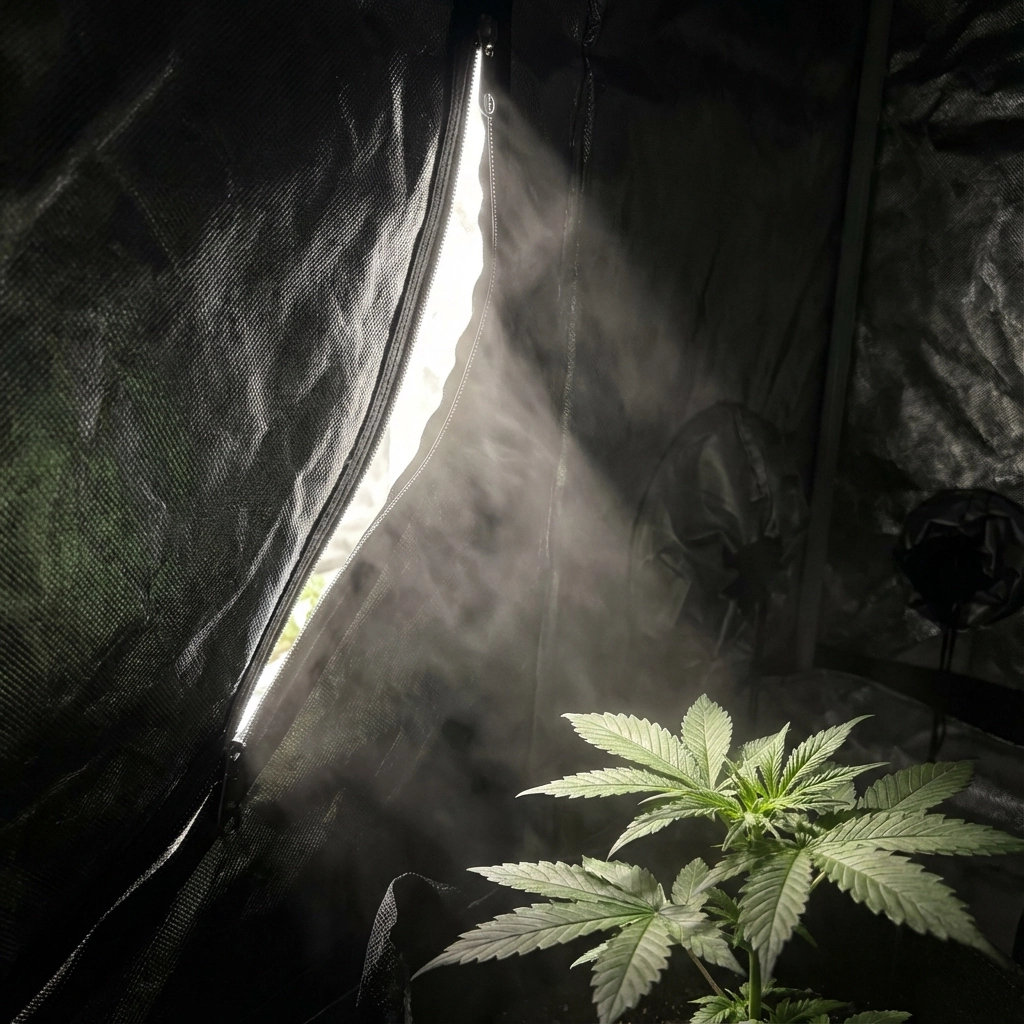
Light leaks don't have to be obvious. A tiny LED indicator on equipment, light seeping through tent zippers, or even moonlight through a window can be enough to cause problems. The plant interprets this as a signal that seasons are changing, prompting it to produce seeds for survival.
Common Sources of Light Leaks
- Equipment indicator lights (timers, fans, dehumidifiers)
- Poorly sealed grow tent zippers and seams
- Light from adjacent rooms seeping under doors
- Reflective surfaces bouncing light into the growing area
- Window light during outdoor grows in urban areas
Testing for Light Leaks
Turn off all lights in your grow space and let your eyes adjust for 10-15 minutes. Any visible light sources need addressing. Pay special attention to:
- Equipment lights - Cover with electrical tape or choose equipment with no LED indicators
- Tent seams - Check all zippers and connection points
- Ventilation openings - Ensure ducting doesn't allow light to travel between spaces
- Timer switches - Some mechanical timers have small indicator lights
Genetic Instability: When Plants Are Predisposed to Problems
Understanding Genetic Factors
Some cannabis genetics are naturally more prone to hermaphroditism than others. This instability can come from:
- Poor breeding practices
- Stress during the plant's genetic lineage
- Unstable hybrid crosses
- Seeds from plants that previously hermied
Plants with weak genetics may show hermaphrodite traits even under perfect conditions. This is why seed selection matters tremendously for successful grows.
Identifying Unstable Genetics
Warning signs include:
- Plants that herm easily under minor stress
- Inconsistent growth patterns between plants of the same strain
- Seeds that produce widely varying phenotypes
- Previous hermaphrodite issues with the same genetic line
Choosing Stable Genetics
Work with reputable seed banks that:
- Test their breeding stock extensively
- Provide detailed strain information
- Have positive reviews from experienced growers
- Offer feminized seeds from stable mother plants
Environmental Stress Factors
Temperature Fluctuations
Extreme temperature swings stress plants and can trigger survival responses. Keep temperatures stable:
- 65-80°F during lights on
- No more than 10-15°F drop during lights off
- Avoid hot spots from equipment or cold drafts
Humidity Issues
Both high and low humidity can stress plants:
- Vegetative stage: 60-70% RH
- Early flowering: 50-60% RH
- Late flowering: 40-50% RH
Nutrient Stress
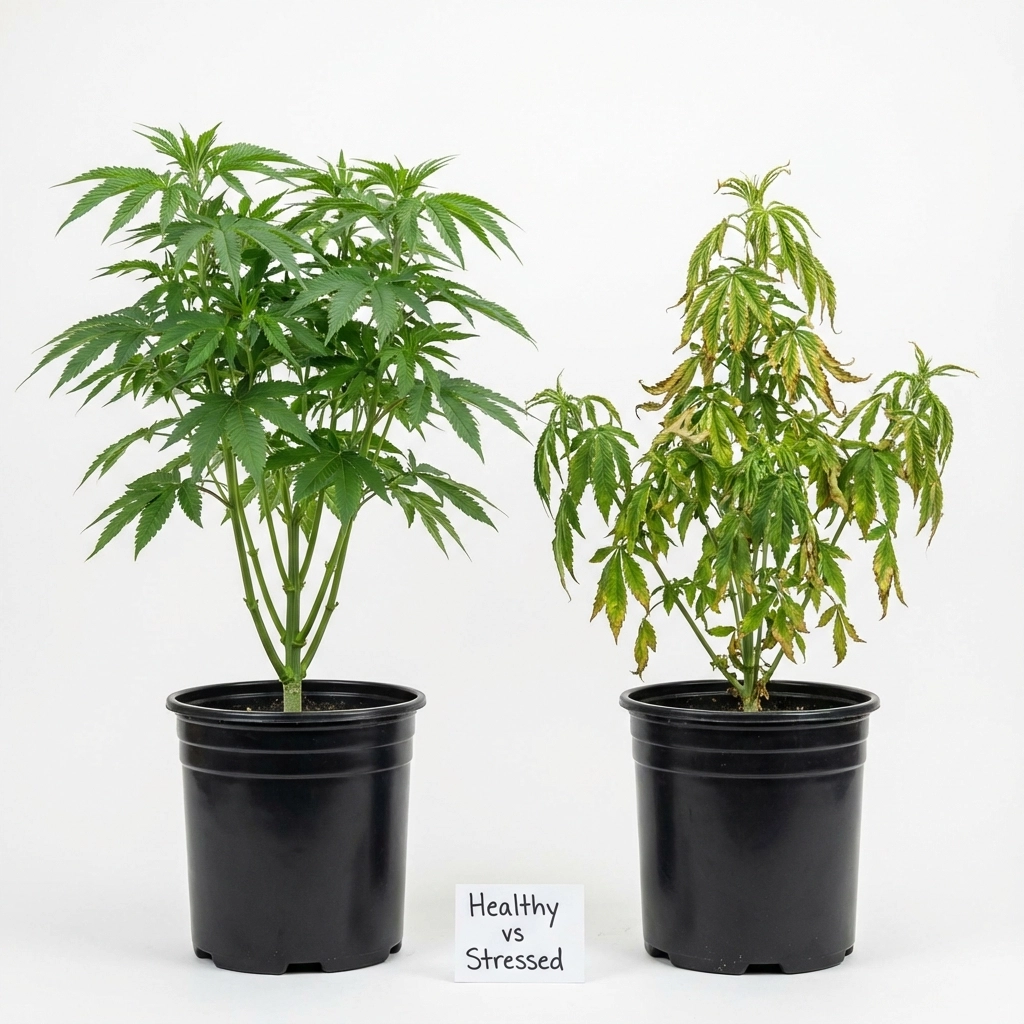
Overfeeding or nutrient deficiencies signal the plant that growing conditions aren't optimal:
- Follow feeding schedules appropriate for your growing medium
- Monitor pH levels (6.0-7.0 for soil, 5.5-6.5 for hydro)
- Watch for nutrient burn or deficiency symptoms
Physical Damage and Training Stress
Excessive Training
While training techniques like LST and topping can improve yields, overdoing it during flowering can stress plants enough to cause hermaphroditism. Avoid:
- Heavy defoliation during flowering
- Aggressive bending after week 3 of flower
- Topping after the flowering transition begins
- Root disturbance during flowering
Timing Training Properly
Most training should happen during vegetative growth. If you must train during flowering, stick to:
- Light leaf tucking
- Gentle LST adjustments in early flower only
- Removing only necessary fan leaves blocking bud sites
Setting Up Your Grow Space to Prevent Seeds
Proper Lighting Systems
Invest in quality grow lights with reliable timers. KIND LED grow lights offer consistent performance without the hot spots that can stress plants.
Use mechanical timers rather than digital ones when possible - they're less likely to malfunction and maintain more consistent light cycles.
Environmental Controls
Stable environmental conditions are crucial. Consider upgrading your grow tent setup with proper ventilation and monitoring equipment.
Key environmental tools include:
- Quality exhaust fans with variable speed controls
- Humidity controllers
- Temperature monitoring with min/max readings
- Carbon filters to manage odors without stress
Growing Medium Considerations
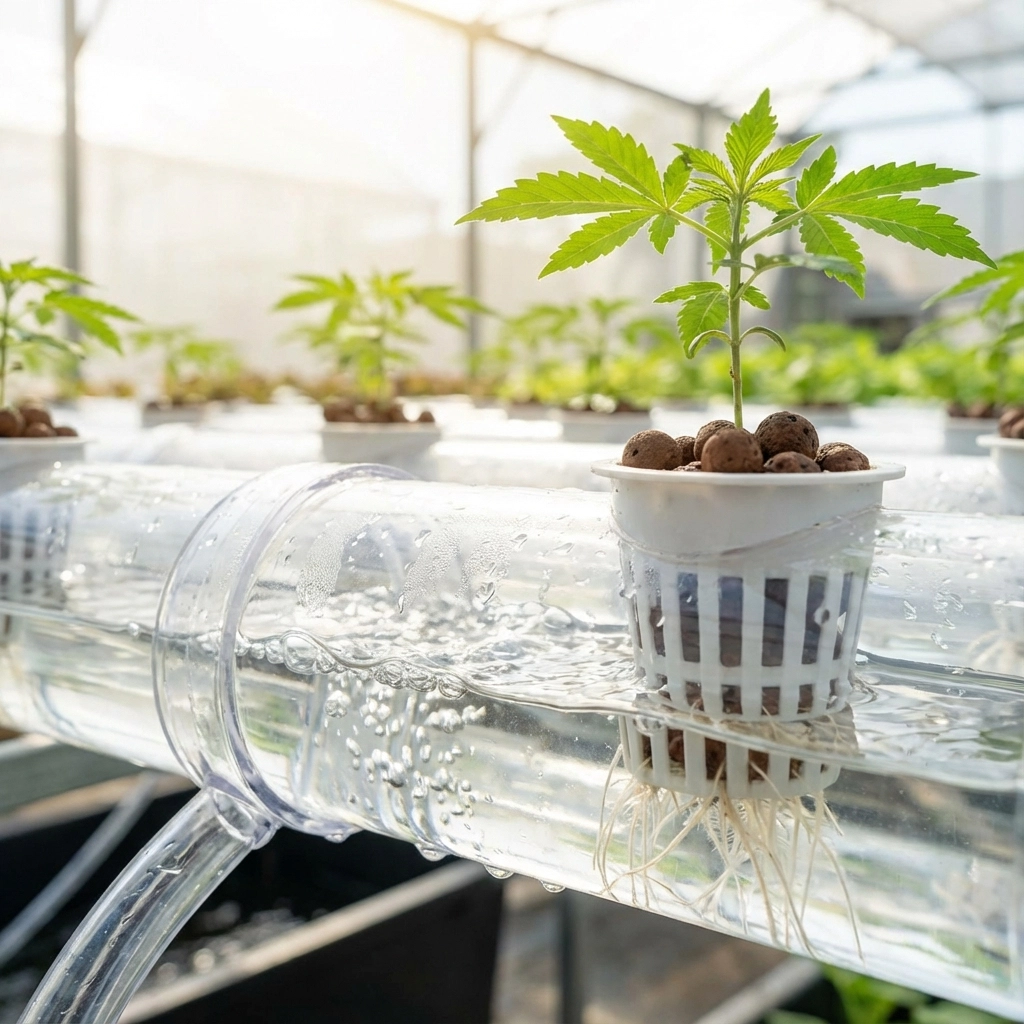
Hydroponic systems can provide more stable nutrient delivery, reducing one source of plant stress. However, they require more monitoring to prevent pH and nutrient fluctuations.
For soil growers, quality potting mixes with good drainage prevent root stress that can contribute to hermaphroditism.
Prevention Strategies That Work
Create a Consistent Schedule
Plants thrive on consistency. Establish and maintain:
- Exact 12/12 light cycles during flowering
- Consistent watering schedules
- Regular feeding intervals
- Stable environmental conditions
Monitor Plants Daily
Check your plants every day during flowering for:
- Male flowers (bananas) developing
- Pollen sacs forming
- Environmental changes
- Equipment malfunctions
Early detection allows you to remove problem plants before they pollinate others.
Start with Quality Genetics
This cannot be overstated - starting with stable, well-bred genetics prevents most hermaphrodite issues. Research strains known for stability and buy from reputable sources.
What to Do if You Find Seeds
Immediate Actions
If you discover seeds forming:
- Identify the source - look for male flowers or pollen sacs
- Remove affected plants if hermaphroditism is widespread
- Check other plants for signs of pollination
- Review your growing conditions for stress factors
Salvaging Your Harvest
Even seeded buds can be useful:
- Lower potency but still smokeable
- Good for making edibles or concentrates
- Seeds can be used for future grows (though genetics may be unstable)
- Extraction equipment can help process seeded material
Learning for Next Time
Document what went wrong:
- Environmental data during the grow
- Genetic information about problem plants
- Timeline of when issues appeared
- Changes you'll make for future grows
Building a Seed-Free Growing System
Preventing seeds requires attention to detail and quality equipment. Focus on:
Stable genetics from proven sources
Consistent environmental control with quality equipment
Proper light management including leak prevention
Regular monitoring and quick response to issues
The investment in proper setup pays off with consistent, high-quality harvests. Consider consulting services if you're struggling with recurring issues - sometimes an expert eye can identify problems you've missed.
Remember, finding a few seeds doesn't mean your entire grow is ruined. Learn from each experience and gradually dial in your system for consistently seed-free harvests.


Leave a comment
This site is protected by hCaptcha and the hCaptcha Privacy Policy and Terms of Service apply.