

Every grower has experienced that sinking feeling when their prized plants start showing strange flowering behavior. Whether it's unexpected hermaphroditic traits, stunted flower development, or complete flowering failure, these issues often trace back to three key factors: environmental stress, poor timing of pruning techniques like lollipopping, and underlying genetic instability.
Understanding these interconnected causes: and more importantly, how to prevent them: can mean the difference between a successful harvest and a disappointing season. Let's break down exactly what's happening when your plants start acting weird during flowering.
The Genetics-Stress Connection: Why Some Plants Herm
Hermaphroditic plants (hermies) don't just appear randomly: they're typically the result of unstable genetics combined with environmental stress. When you purchase seeds or cuttings, some varieties naturally carry genetic instability that makes them more prone to developing both male and female reproductive organs under pressure.
This genetic predisposition becomes problematic when plants encounter stress during critical growth phases. The combination of poor genetics and environmental pressure creates a perfect storm for hermaphroditic development.
Key stress factors that trigger hermie responses include:
- Inconsistent lighting schedules or light leaks
- Temperature fluctuations beyond optimal ranges
- Nutrient deficiencies or toxicities
- Water quality issues with high chlorine or heavy metals
- Physical damage from aggressive pruning
- Root zone problems from poor drainage or compaction
The timing of stress exposure matters significantly. Plants are most vulnerable during growth surges: particularly the transition from vegetative growth to early flowering when cellular activity peaks.

When Lollipopping Goes Wrong: Timing Is Everything
Lollipopping: the practice of removing lower branches and leaves to redirect energy to top colas: can trigger stress responses if timed poorly. The most critical period to avoid aggressive pruning is late week 2 through early week 3 of flowering, when plants experience their most intense growth surge.
During this phase, plants undergo rapid cellular division and hormone shifts. Removing significant plant material creates physical trauma that forces the plant to redirect energy from flower development to wound healing and recovery.
Safe lollipopping practices:
- Complete major pruning before flowering begins or during the first week maximum
- Limit removal to 20-30% of plant material in a single session
- Use clean, sharp tools to minimize tissue damage
- Provide optimal conditions for 48-72 hours post-pruning
- Monitor plants closely for signs of stress or hermie development
Plants with stable genetics typically handle moderate pruning stress without major issues. However, genetically unstable varieties may respond to late-flowering lollipopping by developing hermaphroditic traits as a survival mechanism.
The Science Behind Stress-Induced Flowering Problems
Environmental stress affects flowering through multiple biological pathways. Research shows that stress-induced flowering represents a distinct category of plant reproductive response, separate from photoperiod and temperature-based flowering triggers.
When plants experience stress, several physiological changes occur:
Hormonal disruption: Stress alters the balance of flowering hormones, particularly affecting salicylic acid (SA) and phenylalanine ammonia-lyase (PAL) enzyme activity. These compounds regulate metabolic pathways controlling flowering initiation and development.
Cellular damage: Abiotic stress impairs reactive oxygen species (ROS) signaling networks, affecting microspore development, pollen tube growth, and pollen release. This cellular disruption can lead to malformed reproductive organs or hermaphroditic development.
Resource reallocation: Stressed plants prioritize survival over optimal reproduction, leading to reduced flower size, decreased nectar production, and altered reproductive organ development.
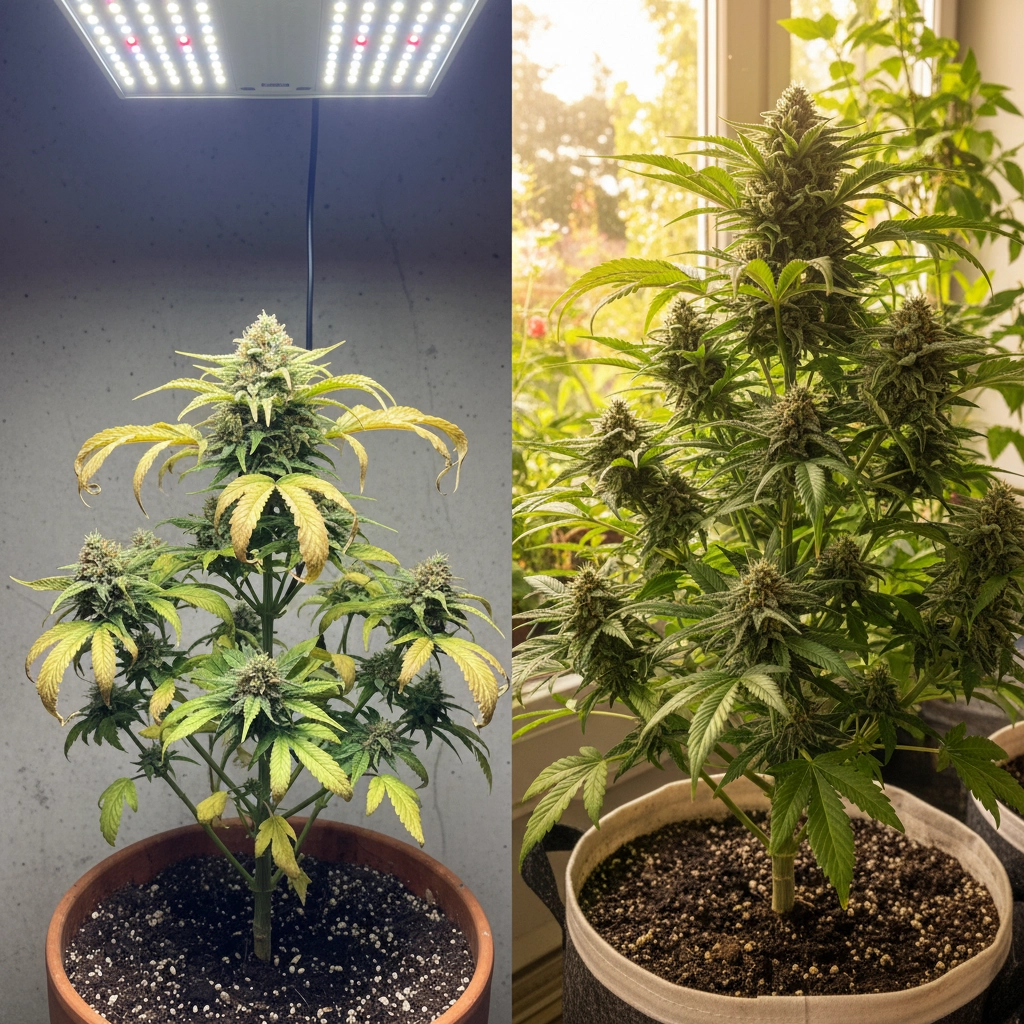
Water Quality: The Hidden Stress Factor
Poor water quality represents one of the most overlooked stress factors in plant cultivation. Chlorinated tap water, high mineral content, and pH imbalances create constant low-level stress that weakens plant resilience over time.
Plants growing in poor-quality water show increased susceptibility to hermaphroditic development because their systems are already compromised. When additional stressors like aggressive pruning occur, these weakened plants lack the resilience to maintain stable reproductive development.
Common water quality issues:
- Chlorine and chloramines that disrupt beneficial microbial populations
- High mineral content creating nutrient lockout conditions
- pH fluctuations affecting nutrient availability
- Heavy metal contamination causing cellular damage
- Inadequate dissolved oxygen limiting root function
Addressing water quality issues significantly improves plant stress tolerance and reduces hermie risk, even in genetically unstable varieties.
Solutions: Building Plant Resilience
The key to preventing flowering problems lies in building plant resilience through optimal growing conditions. Rather than simply avoiding stress, focus on creating conditions that help plants tolerate inevitable environmental fluctuations.

Water treatment forms the foundation of stress prevention. Products like Drops of Balance address multiple water quality issues simultaneously by removing chlorine, balancing mineral content, and improving overall water structure. This creates optimal conditions for nutrient uptake and cellular function.
Comprehensive stress prevention strategies:
- Treat water quality first using appropriate filtration and conditioning
- Maintain consistent environmental conditions with proper ventilation and climate control
- Time pruning activities to avoid critical growth phases
- Choose genetically stable varieties from reputable sources
- Monitor plants daily for early stress indicators
- Provide optimal nutrition with balanced, pH-appropriate nutrients

The Recovery Protocol: When Problems Occur
When plants show early signs of stress or hermie development, immediate intervention can often prevent complete crop loss. The key is acting quickly while maintaining stable conditions.
Emergency stress reduction steps:
- Stabilize environment immediately - eliminate temperature swings, light leaks, or other obvious stressors
- Improve water quality if not already optimized
- Reduce feeding intensity temporarily to avoid nutrient stress
- Increase monitoring frequency to catch developing issues early
- Remove hermie flowers carefully to prevent pollen spread
- Document changes to identify successful interventions
Some plants that would normally develop hermaphroditic traits under stress never do when grown in optimized conditions. This demonstrates the powerful impact of proper environmental management on genetic expression.
Choosing the Right Approach
Prevention remains far more effective than treatment when dealing with flowering problems. Investing in water quality improvement, environmental control, and genetic stability pays dividends throughout the growing cycle.
For new growers, starting with genetically stable varieties and focusing on basic environmental stability provides the best foundation for success. Advanced growers can experiment with more challenging genetics once they've mastered stress prevention techniques.
The three-pillar approach to stable flowering:
- Genetic stability - choose proven varieties from reputable sources
- Environmental consistency - maintain optimal growing conditions
- Proper timing - coordinate pruning and other interventions with plant development cycles
Remember that even the most experienced growers occasionally encounter flowering problems. The difference lies in early recognition, quick response, and systematic prevention strategies that build long-term growing success.
Understanding the interconnected nature of genetics, stress, and timing gives you the tools to maintain healthy flowering plants regardless of the challenges your growing environment presents. Focus on building resilience rather than just avoiding problems, and you'll see consistently better results across all your plants.



Leave a comment
This site is protected by hCaptcha and the hCaptcha Privacy Policy and Terms of Service apply.