
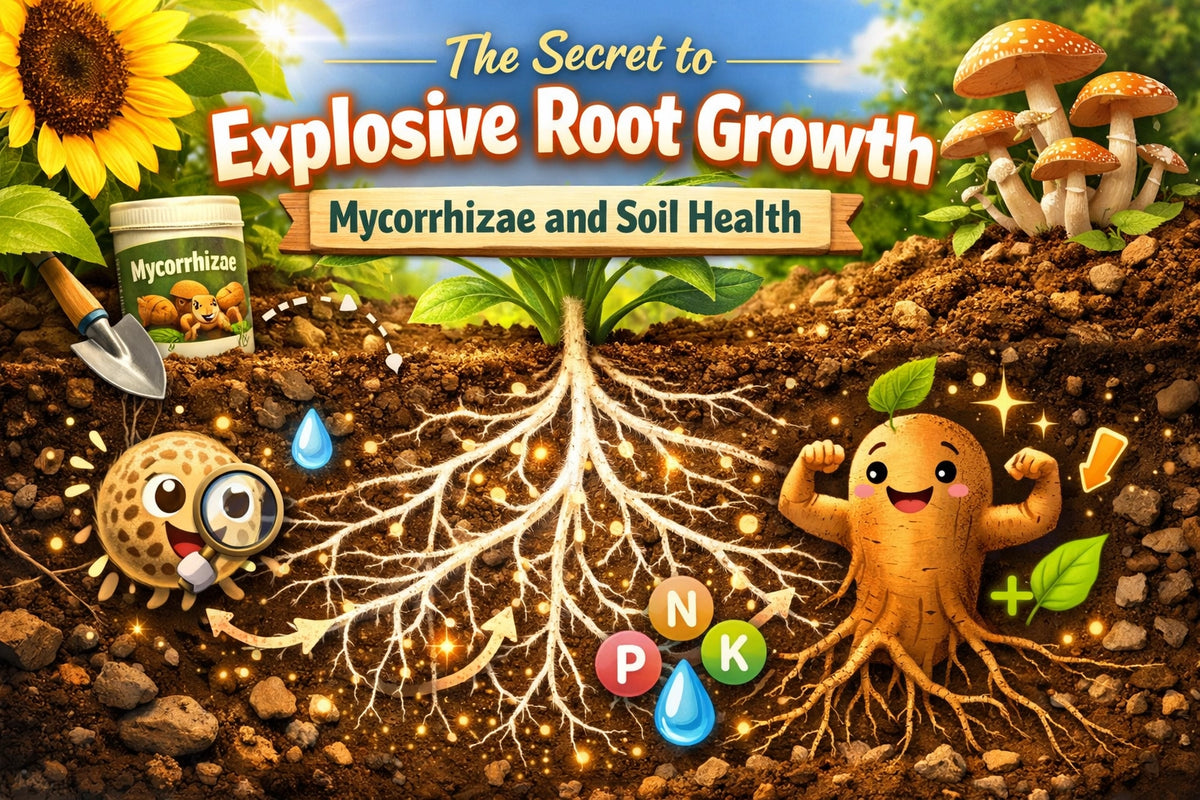
When most people start their first indoor garden, they spend all their time staring at the leaves. They’re checking for spots, measuring the height of the plant, and obsessing over the color of the canopy. While that’s understandable, after all, the top of the plant is what you eventually harvest, the real magic is happening where you can’t see it.
The secret to a massive harvest isn't just about what you spray on the leaves or the intensity of your grow lights. It’s about the roots. More specifically, it’s about the biological "workforce" living in your soil or coco coir. If you want explosive growth, you need to stop thinking about your soil as just a "holding tank" for water and start thinking about it as a living ecosystem.
At the heart of that ecosystem is a powerhouse called Mycorrhizae.
What Exactly is Mycorrhizae?
The word "mycorrhiza" literally means "fungus-root." It describes a symbiotic relationship between specialized fungi and plant roots. This isn’t a parasitic relationship where the fungus steals from the plant; it’s a mutual partnership that has existed for millions of years.
In nature, plants provide the fungi with sugars (carbon) produced during photosynthesis. In exchange, the fungi act as a massive extension of the plant's root system. The fungi grow long, microscopic threads called hyphae. These hyphae are significantly thinner than even the smallest root hairs, allowing them to wiggle into tiny pores in the soil that a plant root could never reach.
The fact of the matter is, without these fungi, your plants are essentially working with one hand tied behind their back. When you introduce mycorrhizae, you are effectively giving your plants a high-speed internet connection to the nutrients in the soil.
The "Extension Cord" Effect: Expanding the Root Zone
One of the most mind-blowing stats in gardening is how much these fungi actually expand a plant's reach. Research shows that mycorrhizal fungi can increase the absorptive surface area of a root system by up to 700 times.
Imagine your plant's roots are like a straw in a glass of water. Now, imagine attaching a thousand tiny microfiber threads to the end of that straw, spreading out through the entire room. That is what mycorrhizae does.
Because the hyphae are so much longer and more numerous than the roots themselves, they can access pockets of water and minerals that would otherwise stay locked away. This makes your plants incredibly resilient to drought. If you miss a watering or your reservoir runs a bit low, a plant with a healthy mycorrhizal network is much more likely to survive because it has a deeper, wider reach into the medium.
Nutrient Mining: Phosphorus and Beyond
If you’ve been following our grow help videos, you know that phosphorus is essential for root development and flower production. However, phosphorus is notoriously "lazy." It doesn't move easily through the soil. A plant often uses up the phosphorus in its immediate "rhizosphere" (the area right around the root) and then struggles to find more.
Mycorrhizae are expert phosphorus miners. They produce enzymes that dissolve phosphorus from the soil particles, making it "plant-available." They also help with the uptake of:
- Zinc
- Copper
- Magnesium
- Nitrogen
By making these nutrients more accessible, you often find that you can use fewer bottled nutrients while achieving better results. You aren't just dumping salt-based fertilizers on the plant; you’re teaching the plant how to feed itself more efficiently.
The Role of Microbial Inoculants
While mycorrhizae are the stars of the root zone, they don't work alone. This is where microbial inoculants come into play. Think of mycorrhizae as the "hardware" and microbial inoculants as the "software" that keeps everything running smoothly.
Products like BAM! (Beneficial Ancient Microorganisms) are designed to boost the microbial activity in the root zone. These inoculants contain a variety of beneficial bacteria and fungi that break down organic matter and cycle nutrients.

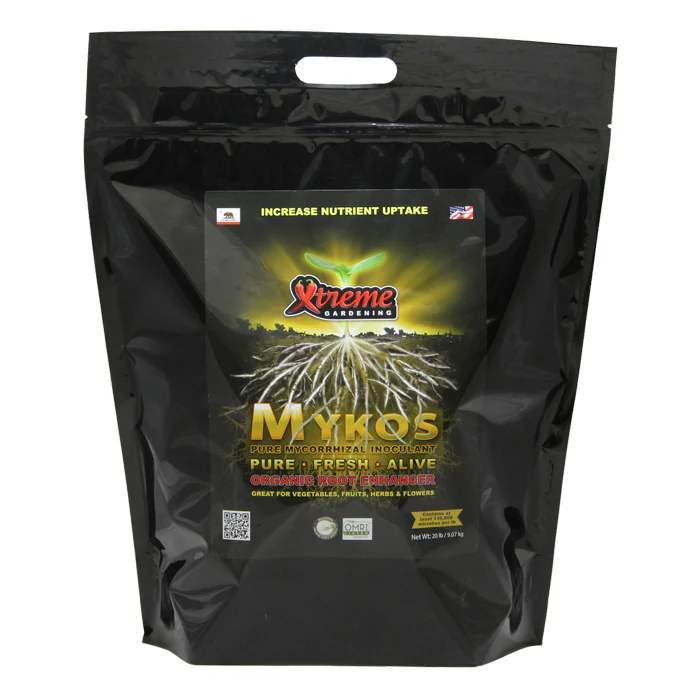
When you combine a pure mycorrhizal product like Xtreme Gardening Mykos with a diverse microbial inoculant, you’re creating a "probiotic" environment for your plants. Just like humans take probiotics to help with digestion and immune health, plants need these microbes to process food and fight off "bad" bacteria.
Natural Defense: Soil Health as a Shield
A healthy root zone isn't just about growth; it’s about protection. When your roots are colonized by mycorrhizal fungi, they create a physical barrier. The fungal filaments wrap around the roots so densely that it becomes difficult for pathogenic fungi (like Pythium or Fusarium) to get a foothold.
Furthermore, these beneficial fungi produce natural antibiotics that suppress soil-borne diseases. It’s a classic case of "the best defense is a good offense." If the root zone is already crowded with "good guys," there’s no room for the "bad guys" to move in.
This is especially critical for indoor growers using tents and film where temperatures and humidity can sometimes fluctuate. If your root zone is biologically active, your plants can handle those environmental stresses much better than plants grown in a sterile environment.
How to Apply Mycorrhizae for Best Results
Timing is everything when it comes to fungi. Since mycorrhizae need to physically touch the roots to colonize them, the best time to apply them is during transplanting or when starting seeds.
- Direct Contact: When you’re moving a clone or seedling into a larger pot, sprinkle the mycorrhizal powder directly onto the root ball and into the planting hole.
- Seed Starting: You can dust your seeds or the starting plugs with the inoculant. This ensures the very first root that emerges is immediately "infected" with the beneficial fungi.
- Feeding the Fungi: Microbes are living organisms: they need food. Adding a source of carbohydrates, like RAW Cane Molasses, helps kickstart the microbial colony. It’s like giving the "good guys" a sugar rush to help them establish their network faster.

Common Pitfalls: Why Your Microbes Might Be Dying
It seems like more is always better, but there are a few ways you can accidentally kill your beneficial microbes.
- High Phosphorus Fertilizers: Ironically, if you use a fertilizer with a massive phosphorus "bloom booster" number (like a 0-50-30), the plant might stop sending sugars to the mycorrhizae. The plant thinks, "I have plenty of phosphorus right here, why should I pay the fungi?" This can cause the symbiotic relationship to shut down.
- Chlorinated Water: If you’re using straight tap water, the chlorine or chloramines designed to kill bacteria in the pipes can also kill the beneficial bacteria in your soil. Let your water sit out for 24 hours or use a filter to remove these chemicals.
- Fungicides: This one is obvious, but it happens. If you treat a soil drench with a chemical fungicide to kill a pathogen, you will also wipe out your mycorrhizal network.
The Side-by-Side Reality
If you’re skeptical, the best thing you can do is run a side-by-side test. Take two identical clones, give one the "standard" treatment, and give the other a full suite of mycorrhizae and microbial inoculants.
The difference isn't usually seen in the first week. It shows up in the "stretch" phase of flowering. The inoculated plant will generally have thicker stems, lusher leaves, and a much more robust "comeback" after each watering.
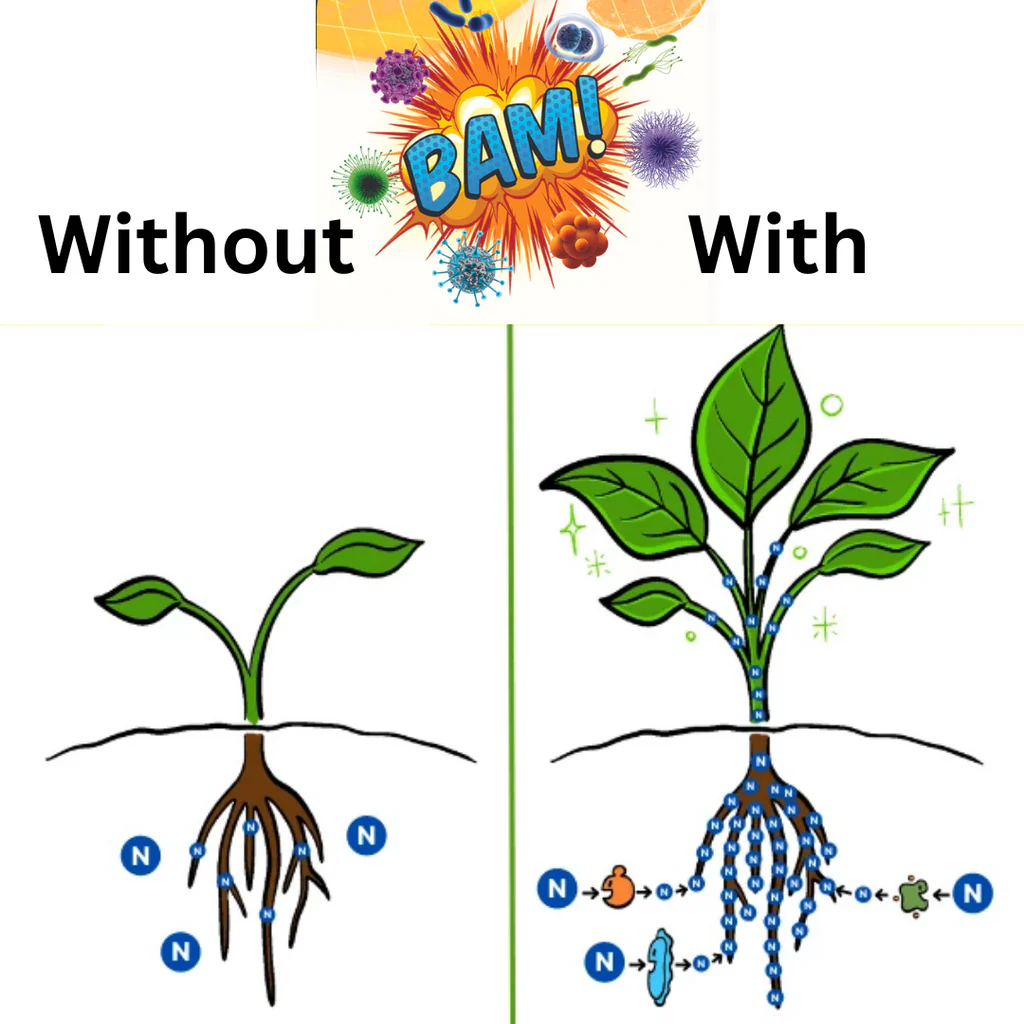
The root systems tell the real story. When you harvest, pull the root ball out of the pot. A plant without mycorrhizae will often have roots that just circle the pot. A plant with a healthy fungal network will have a "fuzzy" appearance to the roots: that fuzziness is the fungal hyphae working hard.
Join the Army of Growers
Understanding soil health is a journey, not a destination. Whether you are growing in soil, coco, or even certain hydroponic setups, the biological side of the equation is what separates the beginners from the masters.
If you’re looking to dive deeper into how to optimize your garden, check out our Army of Growers page. We’re a community dedicated to sharing what actually works in the grow room, from the latest LED tech to the ancient science of soil microbes.
The fact of the matter is that nature has already perfected the "growth formula" over millions of years. Our job as gardeners is simply to provide the right environment for that biology to thrive. Start focusing on your roots today, and your canopy will thank you tomorrow.



Leave a comment
This site is protected by hCaptcha and the hCaptcha Privacy Policy and Terms of Service apply.