
When most people start their first indoor garden, they spend hours obsessing over the perfect LED grow lights or the most expensive nutrient line they can find. But here is the thing: they often overlook the very thing holding their plants together: the pot.
The container you choose is the "house" for your plant's root system. If the house is cramped, hot, and lacks oxygen, it doesn’t matter how much "super-juice" or light you throw at the leaves; the plant is going to struggle. In the world of modern gardening, the debate usually boils down to the classic plastic pot versus the modern fabric grow pot.
At Perfect Gardens, we’ve seen thousands of grows, and the fact of the matter is that while plastic has its place, fabric pots: specifically high-quality ones like Grassroots Fabric Pots: are a game-changer for root health. Let's dive into why your roots need to breathe and which container actually wins the heavyweight title.
The Plastic Problem: The "Spiral of Death"
Plastic pots have been the industry standard for decades because they are cheap, durable, and hold moisture for a long time. However, they have a fundamental design flaw when it comes to plant physiology: they are airtight.
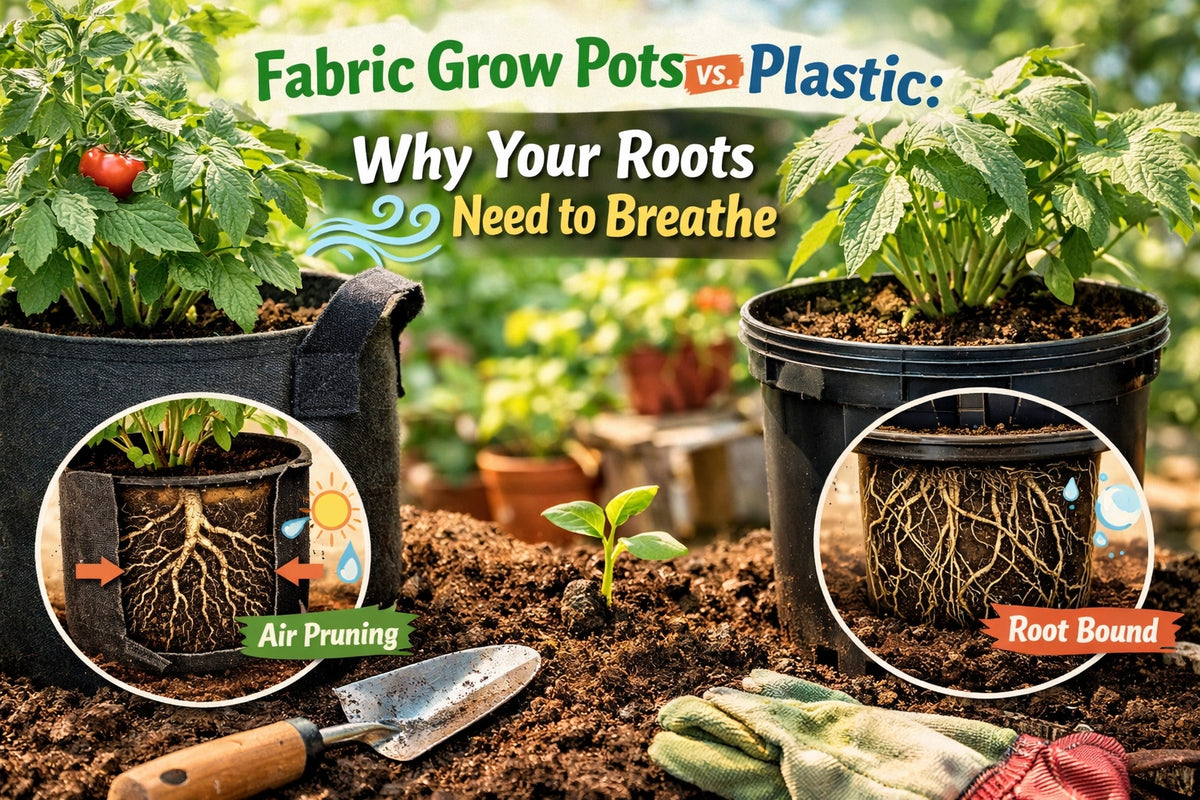
When a root grows in a plastic container and hits the side wall, it has nowhere to go. It can’t go through the plastic, so it does the only thing it can: it turns and starts growing in a circle. This is what we call "root circling" or becoming "root-bound."

As the roots continue to circle, they eventually form a thick, woody "dreadlock" around the edge of the pot. This is problematic for a few reasons:
- Reduced Nutrient Uptake: The most efficient parts of the root for absorbing nutrients are the tiny root hairs at the tips. In a plastic pot, those tips are all smashed against the plastic wall rather than being spread out through the soil.
- The Choke-Out: Eventually, the roots can become so tightly wound that they actually begin to choke each other out, restricting the flow of water and nutrients to the rest of the plant.
- Heat Trapping: Plastic acts as an insulator. In a hot grow room or under intense sun, the soil temperature inside a plastic pot can skyrocket, literally "cooking" the delicate root system.
The Fabric Solution: Air Pruning and Oxygen
Fabric pots solve the "Spiral of Death" through a process called air pruning.
When a root tip reaches the side of a fabric pot, it senses the air moving through the porous material. Instead of turning and circling, the root tip naturally dries out and stops growing. This might sound bad, but it’s actually exactly what you want.
When the main root tip is "pruned" by the air, it sends a signal to the plant to start growing hundreds of new, secondary feeder roots from the center of the root ball. Instead of a few long roots circling the drain, you end up with a massive, dense, fibrous root system that utilizes every square inch of the growing medium.
Temperature Control: The "Sweat" Effect
One of the biggest advantages of fabric pots is their ability to regulate temperature. Because the material is breathable, water can evaporate through the sides of the pot. This creates an evaporative cooling effect, similar to how humans sweat to stay cool.
In the heat of mid-summer or under high-intensity discharge lights, the root zone in a fabric pot can stay significantly cooler than in a plastic pot. Keeping roots cool is essential for maintaining high levels of dissolved oxygen, which prevents root rot and keeps the plant’s metabolism moving fast.

Why Grassroots Fabric Pots are Different
Not all fabric pots are created equal. If you’ve ever used the cheap, thin black fabric pots found on discount sites, you know they have a major flaw: they dry out too fast. In fact, the outer two inches of soil often become so dry that no roots can live there, effectively wasting 30% of your soil volume.
This is where Grassroots Fabric Pots changed the game. They utilize a specialized moisture liner on the interior of the pot. This liner allows for air pruning at the bottom and top, but it prevents the sides from drying out too quickly.
By directing the moisture downward rather than letting it all escape out the sides, Grassroots pots maintain a consistent moisture level throughout the entire soil column. This allows your biology: like your microbial inoculants: to stay alive and active all the way to the edges of the container.
The Tradeoff: Watering and Maintenance
We have to be honest: fabric pots require a bit more attention than plastic. Because they breathe, they dry out faster. If you are used to watering your plastic pots once every four days, you might find yourself watering fabric pots every two days.
For many growers, this is a deal-breaker: but it shouldn't be. The solution isn't to go back to inferior plastic; the solution is to automate.
The best way to manage the increased evaporation of a fabric pot is by using a Blumat Automatic Watering System. Blumats sense the moisture level in the soil and only release water when the plant actually needs it. This keeps the soil in that "Goldilocks" zone: not too wet, not too dry: allowing the air pruning of the fabric pot to work its magic without you having to be a slave to the watering can.

Roots and Microbes: The Hidden Synergy
A healthy root zone isn't just about the roots themselves; it’s about the relationship between the roots and beneficial microbes. In a plastic pot with poor aeration, the environment can often become anaerobic (low oxygen). This is the birthplace of pathogens like Pythium (root rot).
In a fabric pot, the high oxygen levels create the perfect playground for aerobic beneficials like Mycorrhizae. When you use a product like Xtreme Gardening Mykos, the fungi attach to the root system and extend "hyphae" into the soil, essentially acting as an auxiliary root system.
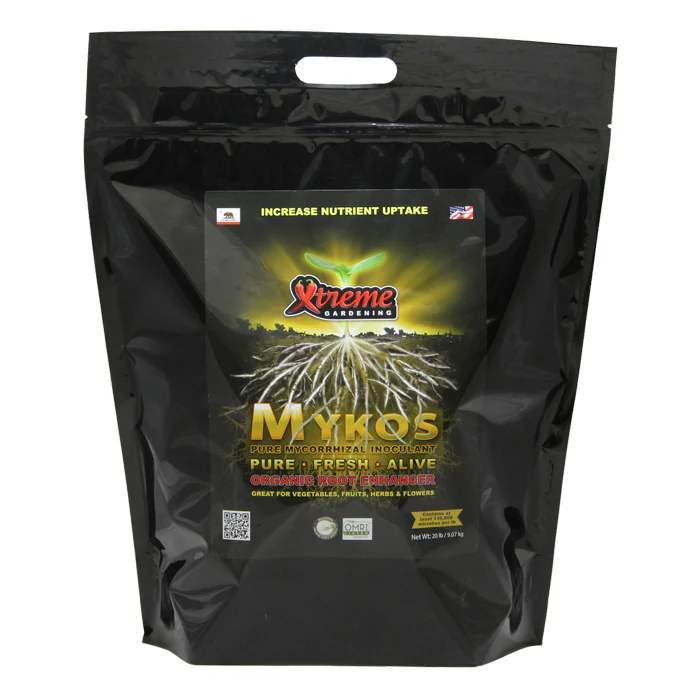
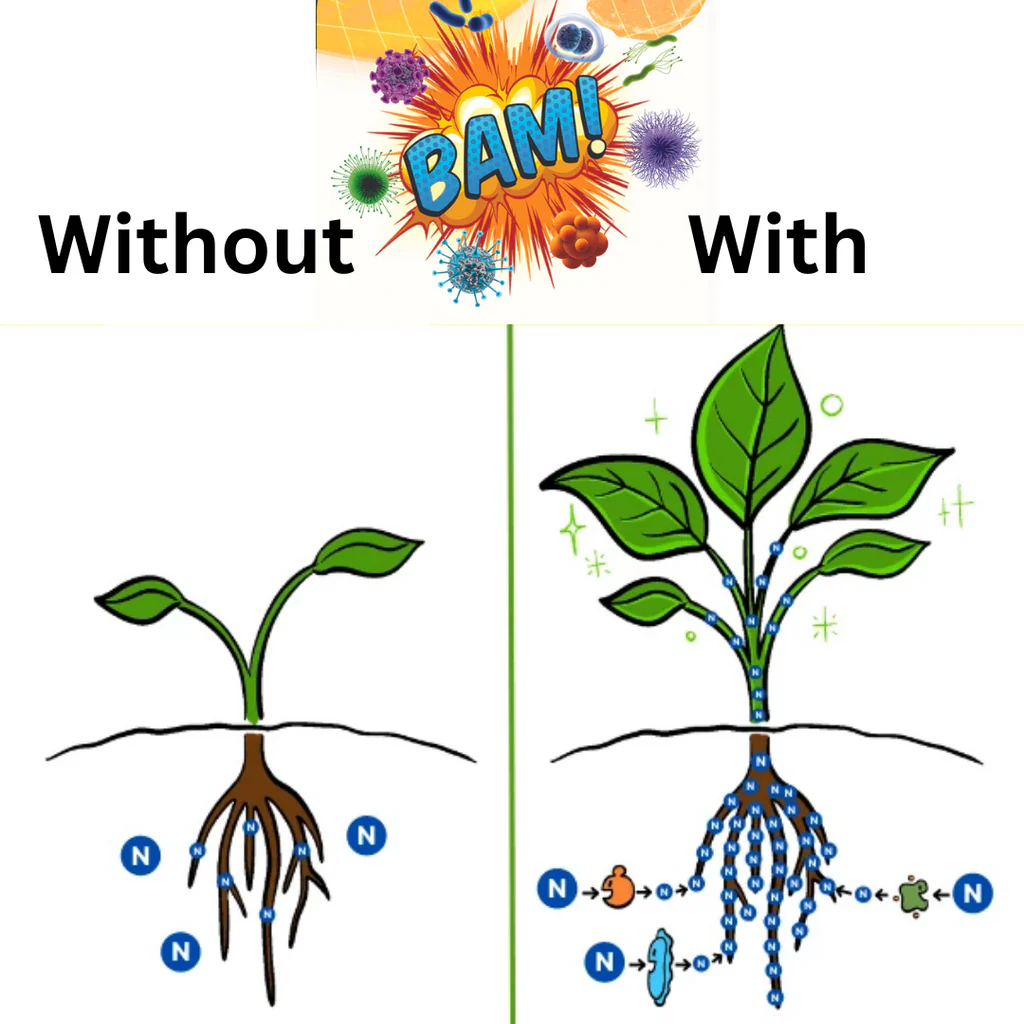
Because fabric pots encourage a dense, fibrous root mass, there is significantly more "surface area" for these microbes to latch onto. When you combine the air pruning of a Grassroots pot with the power of a microbial inoculant like BAM!, you are creating a biological powerhouse that can't be replicated in a standard plastic bucket.
Comparison at a Glance: Fabric vs. Plastic
To help you decide, let's break down the pros and cons in a straightforward way:
| Feature | Plastic Pots | Fabric Pots (Grassroots) |
|---|---|---|
| Root Health | High risk of root circling/binding. | Excellent air pruning; fibrous roots. |
| Oxygen Levels | Low; oxygen only enters from the top. | High; oxygen penetrates from all sides. |
| Temperature | Traps heat; can stress roots. | Naturally cools via evaporation. |
| Watering | Retains moisture longer (less frequent). | Dries faster (requires more frequency). |
| Durability | Can crack over time but reusable. | Durable and washable; last many seasons. |
| Best For | High-moisture annuals / Budget setups. | High-value crops / Living soil / Maximum yield. |
The Verdict: Which Should You Choose?
The fact of the matter is, if you are looking for the absolute highest quality and yield from your indoor garden, fabric pots are the clear winner. The science of air pruning is undeniable, and the health of the root system is the primary driver of the health of your canopy.
However, if you are a "lazy" gardener who doesn't want to automate and doesn't want to water every day, you might find fabric pots frustrating. But then again, if you are looking for shortcuts, you probably aren't aiming for the best harvest possible anyway.
If you’re ready to level up, we recommend starting with a few Grassroots fabric pots and a Blumat starter kit. It’s the closest thing to "set it and forget it" while still achieving professional-grade results.
Still not sure which size or setup is right for your tent? You can always check out our Grow Help Videos for a deeper dive into container sizes and soil volumes, or reach out to us directly. We’ve helped thousands of growers in our Army of Growers community dial in their root zones, and we’re happy to help you too.
The roots are the brain of the plant. Stop suffocating them in plastic and let them breathe!

Leave a comment
This site is protected by hCaptcha and the hCaptcha Privacy Policy and Terms of Service apply.