

When you get your municipal water report and see a laundry list of contaminants, copper, chlorine, fluoride, uranium, even pharmaceuticals, it's natural to panic about whether this water is safe for your plants. The good news? Most of those scary-sounding chemicals on your water report won't hurt your plants. But some definitely will, and knowing the difference can save you from stunted growth, nutrient lockout, and unhappy plants.
Let's break down what's actually in your water, what you need to fix, and how to treat it properly for optimal plant health.
The Real Culprits in Municipal Water
Not all contaminants are created equal when it comes to plant health. While your water report might list dozens of detected substances, only a handful actually interfere with plant growth and soil biology.
The Big Problems:
- Chlorine and Chloramine - These disinfectants kill beneficial soil microbes and can inhibit root development
- High sodium levels - Accumulates in soil and blocks nutrient uptake
- Excessive fluoride - Can cause leaf burn and interfere with photosynthesis
- High alkalinity/pH - Makes nutrients unavailable to plants
- Heavy metals (lead, mercury, copper in high concentrations) - Toxic to plants and soil life
What You Can Usually Ignore:
- Trace pharmaceuticals (typically measured in parts per billion)
- Very low levels of uranium or other radioactive elements
- Most organic compounds in trace amounts
- Nitrates (unless extremely high - plants actually use these as nutrients)
The key is understanding concentration levels. Many contaminants show up on reports because testing equipment is incredibly sensitive, but the actual levels are far below what would harm plants.
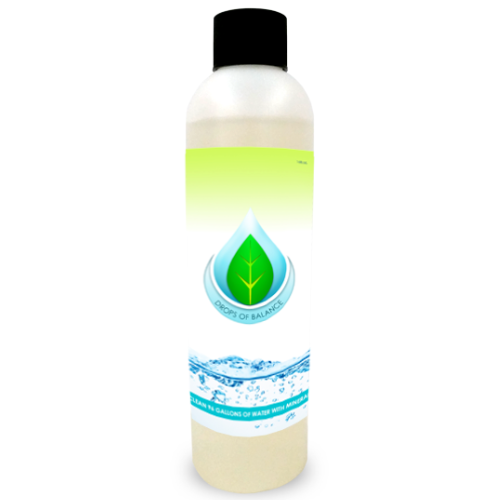
How Drops of Balance Actually Works
Drops of Balance isn't just another water conditioner, it's a concentrated formulation of ionic mineral salts that actively neutralizes over 250 different contaminants while adding beneficial minerals back to your water.
The Science Behind It:
The ionic charge in Drops of Balance causes harmful contaminants to precipitate out of solution, essentially making them inert. This process can reduce agricultural and industrial chemicals by up to 99.9% and pharmaceuticals by 99.5%, often to non-detectable levels.
But here's what makes it special for plants: while it's removing the bad stuff, it's simultaneously adding back essential trace minerals that plants need. Think of it as a two-step process happening at once, detoxification and remineralization.
Dosage Guidelines:
- Tap water: 1 ml per gallon (cleans and re-mineralizes)
- RO or distilled water: 0.5 ml per gallon (adds minerals only)
- Foliar applications: 4 ml per gallon
A single 2-ounce bottle treats approximately 60 gallons of tap water, making it incredibly cost-effective for home growers.
Step-by-Step Water Treatment for Home Growers
Here's exactly how to treat your water for optimal plant health:
Step 1: Test Your Starting Water Before treating anything, know what you're working with. Test for:
- pH level
- Total dissolved solids (TDS)
- Chlorine/chloramine presence
Step 2: Calculate Your Dosage
- For most tap water: 1 ml Drops of Balance per gallon
- If using RO water: 0.5 ml per gallon
- Mix thoroughly and let sit for 15-30 minutes
Step 3: Adjust pH if Needed Critical point: Drops of Balance works best when water pH is below 7.0. If your water is above 7.0, the ionic minerals become neutralized and lose effectiveness. Adjust pH first if necessary.
Step 4: Re-test After Treatment Wait at least 30 minutes, then test again. You should see:
- Reduced chlorine readings (often to zero)
- Stabilized pH
- Improved TDS balance
Step 5: Apply to Plants Your treated water is now ready for irrigation or nutrient mixing. Remember: because Drops of Balance makes nutrients more bioavailable, you may need to reduce your fertilizer dosage by 25-50%.

Understanding Water and Soil Biology
Water quality affects more than just what your plants drink, it influences the entire soil ecosystem. Chlorinated water kills beneficial bacteria and mycorrhizal fungi that help plants absorb nutrients. Even small amounts of chloramine can disrupt this delicate balance over time.
When you treat water with Drops of Balance, you're not just removing toxins; you're preserving the biological activity in your soil or growing medium. Beneficial microbes can thrive, creating a symbiotic relationship with your plants' root systems.
pH Considerations: Treated water typically stabilizes at a plant-friendly pH range (6.0-7.0), but always verify with testing. Stable pH means:
- Better nutrient uptake
- Healthier root zone
- More predictable feeding schedules
Filter Build-Up and Maintenance Notes
If you're using other filtration systems alongside Drops of Balance, you might notice changes in how your filters perform. The precipitation process can cause some buildup in mechanical filters, which is actually a good sign, it means contaminants are being removed.
Replace pre-filters more frequently when using Drops of Balance with heavy contamination. This isn't a problem; it's evidence the system is working.
Safety and Peace of Mind
One common concern: "If it's removing all these chemicals, is it safe?" The answer is yes. Drops of Balance uses food-grade mineral salts that occur naturally. The process mimics what happens in natural water sources when water flows over mineral-rich rocks.
Unlike harsh chemical treatments, there's no waiting period after treatment. You can use the water immediately for plants, and there are no toxic residues or harmful byproducts.
Real-World Results: Growers consistently report dramatic improvements in water test results within hours of treatment. Municipal water that showed high chlorine, fluoride, and contaminant levels often tests clean after proper Drops of Balance application.
When to Use and When Not to Use
Perfect for:
- Municipal tap water with chlorine/chloramine
- Well water with high mineral content
- Areas with known water quality issues
- Hydroponic systems requiring consistent water quality
Less necessary for:
- Already clean well water
- RO water (though minimal dosing adds beneficial minerals)
- Emergency situations where any water is better than none
Making the Investment Worth It
A quality water treatment system pays for itself through:
- Healthier, more vigorous plant growth
- Reduced nutrient lockout issues
- Better soil biology
- More predictable growing results
- Reduced need for expensive filtration equipment
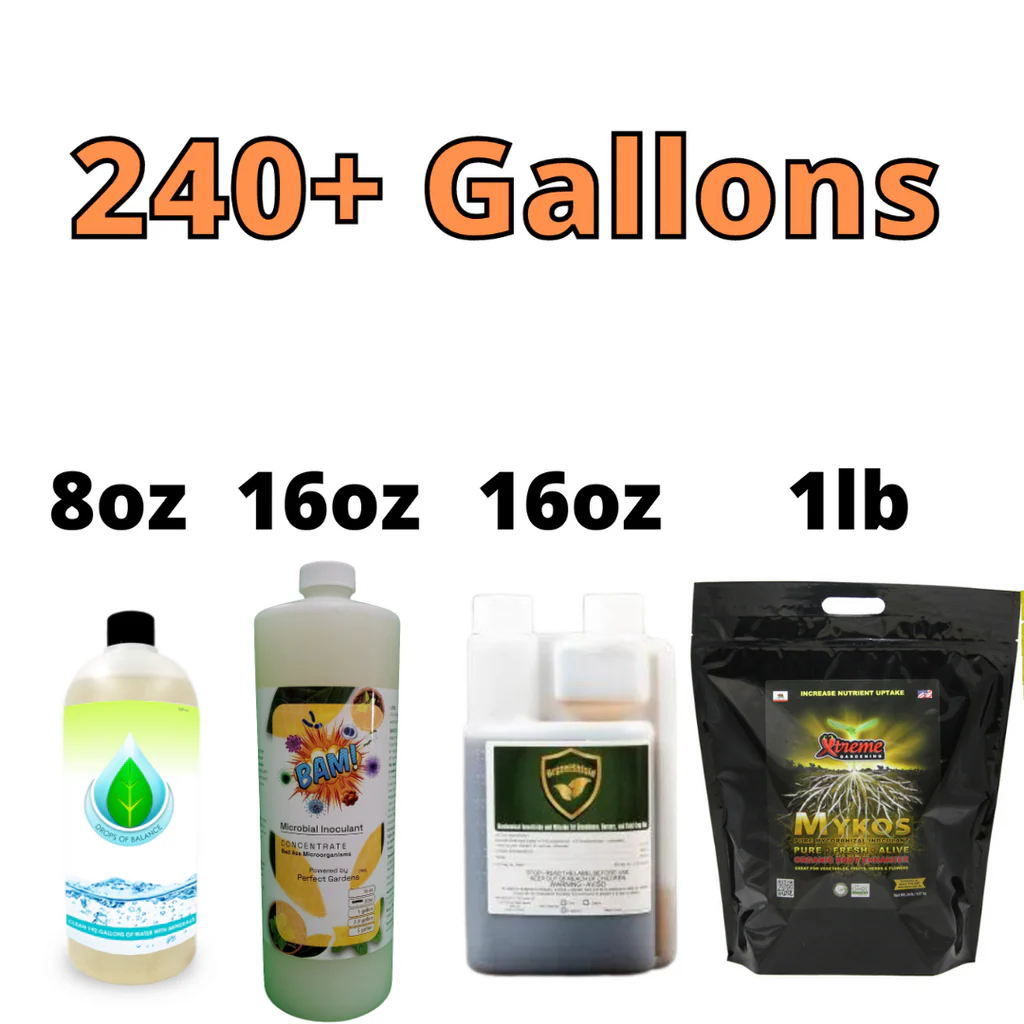
For most home growers, starting with an 8-ounce bottle of Drops of Balance provides enough treatment for months of growing while you evaluate the results.
The Bottom Line on Water Safety
Your municipal water report might look scary, but most of those contaminants won't hurt your plants. Focus on the real issues: chlorine, high alkalinity, excessive sodium, and heavy metals: and address them systematically.
Drops of Balance offers a simple, effective solution that tackles multiple problems at once: removing harmful contaminants while adding beneficial minerals. It's not magic, but it's solid science applied to a common growing problem.
Start by testing your water, treat it appropriately, and monitor your plants' response. Most growers see improvements within the first few waterings: healthier root development, better nutrient uptake, and more vigorous growth overall.
Remember: great plants start with great water, and great water doesn't have to be complicated to achieve.



Leave a comment
This site is protected by hCaptcha and the hCaptcha Privacy Policy and Terms of Service apply.