
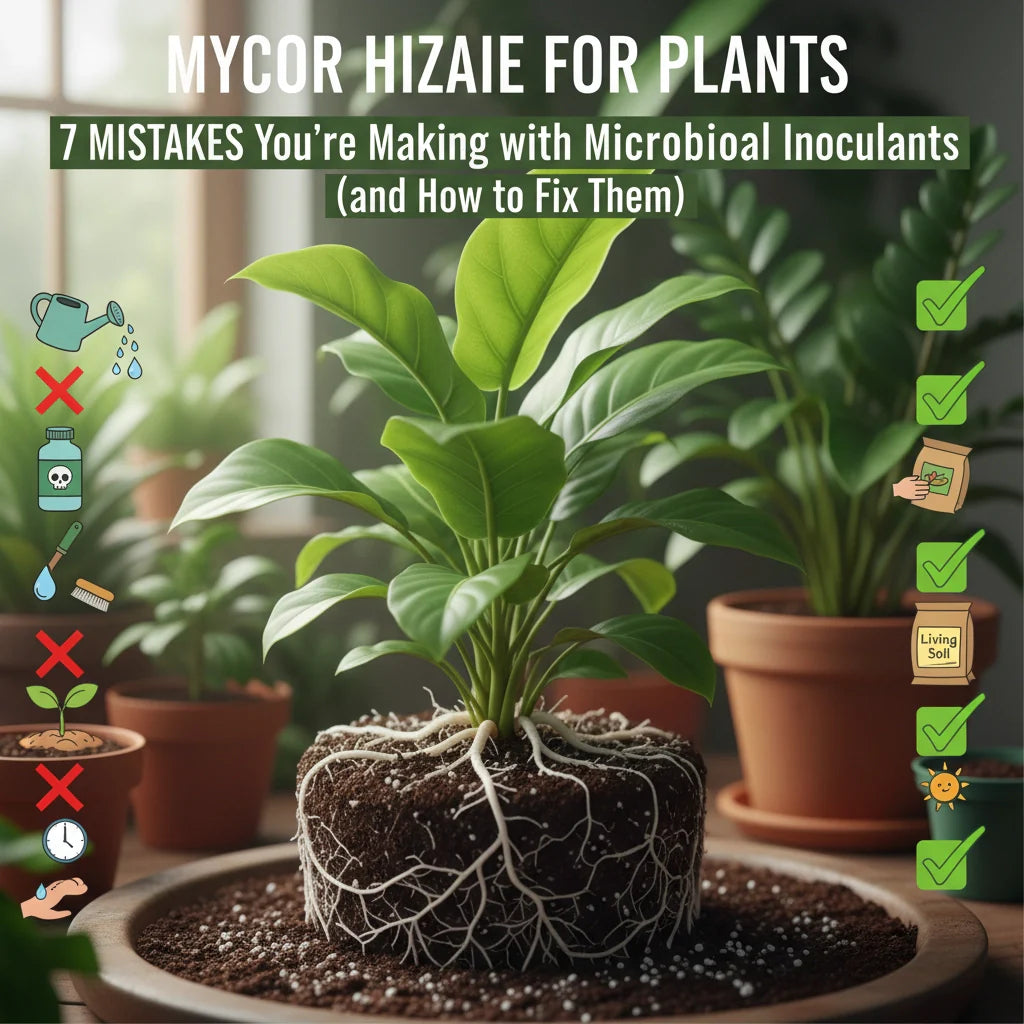
Mycorrhizal inoculants represent one of the most promising developments in sustainable gardening and hydroponics. These beneficial fungi form symbiotic relationships with plant roots, dramatically improving nutrient uptake and plant health. However, despite their incredible potential, most growers make critical mistakes that prevent these microbial allies from establishing successfully.
The fact of the matter is, mycorrhizae aren't just another fertilizer you can throw at your plants. They're living organisms that require specific conditions and proper application methods to thrive. Understanding these common pitfalls: and how to avoid them: can mean the difference between thriving plants and wasted money.
What Are Mycorrhizal Inoculants?
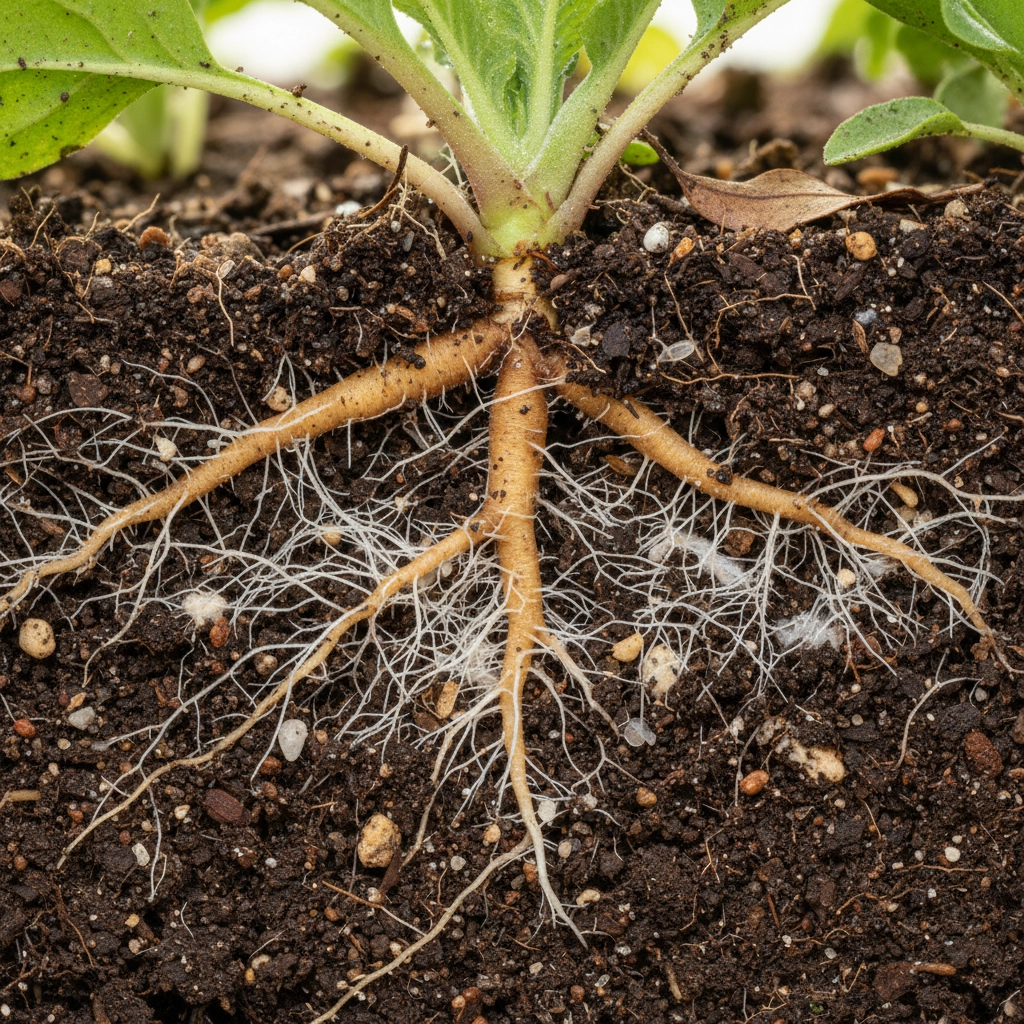
Before diving into the mistakes, let's clarify what we're working with. Mycorrhizal fungi form beneficial partnerships with plant roots, creating extensive networks that dramatically expand a plant's ability to absorb water and nutrients. In return, plants provide the fungi with carbohydrates from photosynthesis.
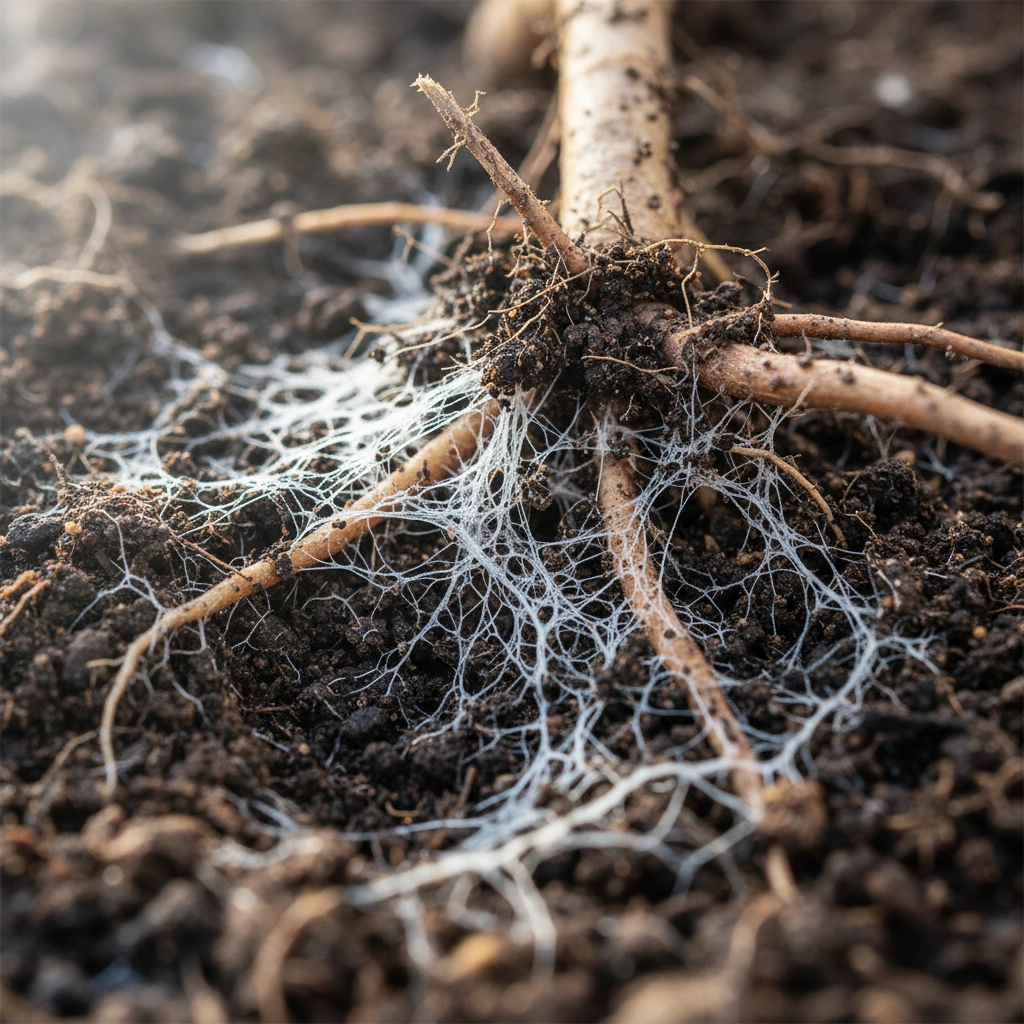
This symbiotic relationship has existed for over 400 million years, yet modern agricultural practices often disrupt these natural partnerships. That's where commercial inoculants come in: they reintroduce beneficial fungi to sterile or depleted growing environments.
This video provides additional insights into mycorrhizal relationships and proper application techniques that complement the strategies discussed in this article.
Mistake #1: Ignoring Your Soil's Starting Conditions
The biggest mistake growers make is treating all growing media the same. Mycorrhizal fungi are incredibly sensitive to environmental conditions, and applying inoculants without first assessing your soil is like planting seeds in concrete.
pH matters more than you think. Most beneficial mycorrhizae prefer neutral to slightly acidic conditions between 6.0 and 7.0 pH. Highly alkaline soils above pH 8.0 can severely limit fungal establishment, while overly acidic conditions below pH 5.5 create equally hostile environments.
Soil structure creates roadblocks. Compacted soils restrict both root growth and fungal hyphal development. Heavy clay that lacks proper drainage or sandy soils without organic matter provide poor foundations for mycorrhizal networks.
The Fix: Test your growing medium before inoculation. Adjust pH using lime for acidic conditions or sulfur for alkaline soils. Improve soil structure by incorporating quality compost and ensuring adequate drainage. For hydroponic systems, ensure your growing medium provides adequate surface area for fungal attachment.
Mistake #2: Over-Inoculating Already Healthy Soils
Many growers waste money applying inoculants to soils that already contain robust populations of native mycorrhizal fungi. This approach is like adding more cooks to a kitchen that's already running perfectly.
Native fungal populations often outperform commercial inoculants because they're adapted to local conditions. Healthy, undisturbed soils typically contain diverse mycorrhizal communities that have established efficient relationships with existing plant life.
The Fix: Reserve inoculation for specific situations: sterile potting mixes, newly disturbed sites, areas previously treated with fungicides, or hydroponic systems. If you're gardening in natural soil that hasn't been heavily disturbed, test for existing fungal presence before investing in inoculants.
Featured Product: BAM® Microbial Inoculant
- Specifically formulated for depleted growing environments
- Contains multiple species of beneficial mycorrhizae
- Perfect for hydroponic and soilless growing systems
- Shop BAM® Microbial Inoculant Now

Mistake #3: Terrible Timing Ruins Everything
Timing your inoculant application incorrectly can doom even the highest-quality products to failure. Many growers apply mycorrhizae like they're applying fertilizer: randomly and repeatedly throughout the growing cycle.
Late application fails consistently. Mature plants with established root systems and existing microbial communities resist new fungal colonization. The window for successful establishment shrinks dramatically as plants age.
Stress timing compounds problems. Applying inoculants during droughts, extreme temperatures, or other environmental stress reduces both fungal survival and plant receptivity to new microbial partnerships.
The Fix: Apply inoculants early in the growing process: ideally at seed starting, during transplanting, or immediately after establishing young plants. Ensure environmental conditions remain favorable with adequate moisture and moderate temperatures during the establishment period.
Mistake #4: Treating Inoculants Like Fertilizer
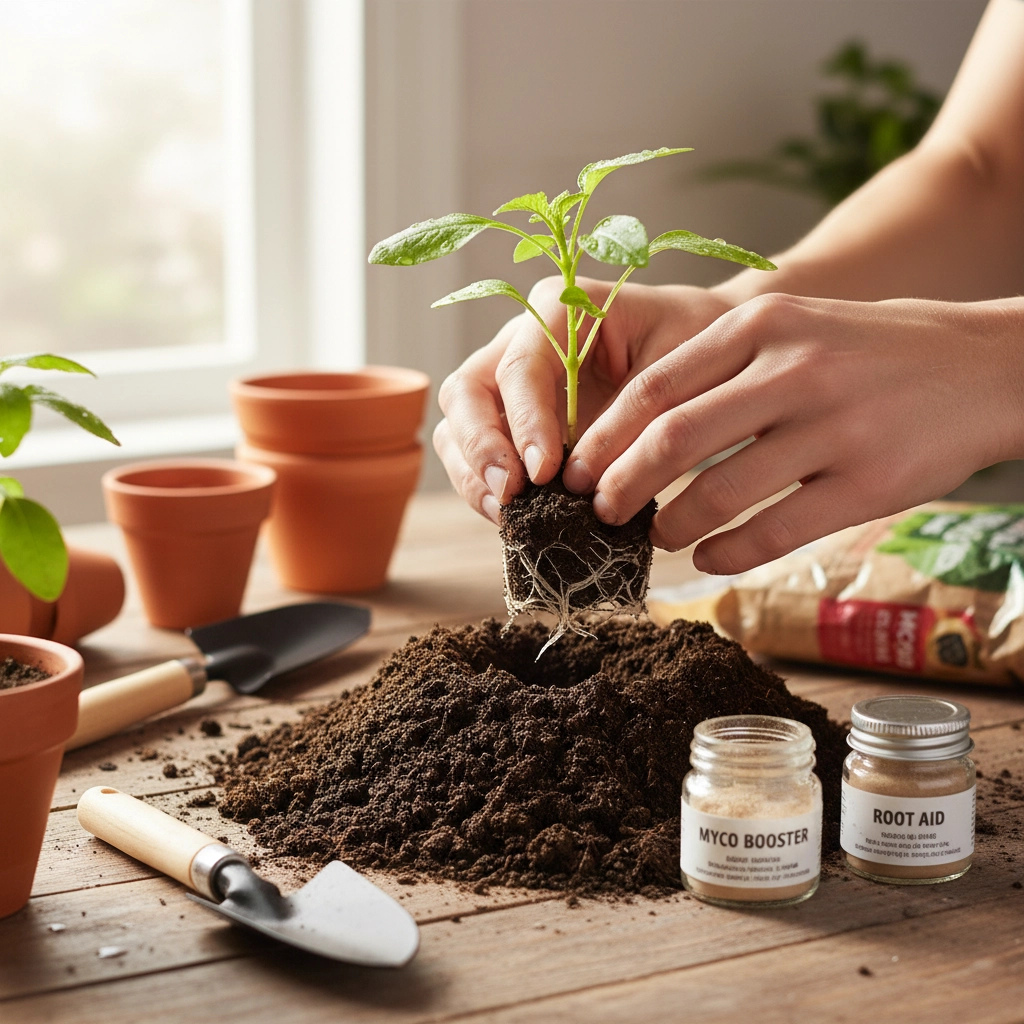
Perhaps the most fundamental misunderstanding involves application methods. Mycorrhizal fungi aren't fertilizers that can be broadcast or foliar fed: they're living organisms requiring direct root contact to establish symbiotic relationships.
Surface applications without root contact accomplish nothing. The fungi must physically touch plant roots to begin the colonization process and form the beneficial partnerships that improve nutrient uptake.
Foliar application wastes everything. Some growers attempt foliar feeding with mycorrhizal solutions, completely missing the point. These fungi work exclusively at the root level where the symbiotic exchange occurs.
The Fix: Always apply inoculants directly to the root zone. For transplants, dust root balls with dry inoculant powder before planting. For seeds, mix inoculants directly with seeds before sowing. For established plants, apply inoculants during soil cultivation or watering, ensuring the fungi reach active root zones.
Mistake #5: Using the Wrong Fungal Species
Not all mycorrhizal fungi work with all plants. Using incompatible species results in complete establishment failure, regardless of application quality or environmental conditions.
Endomycorrhizal fungi (arbuscular mycorrhizae) form relationships with over 90% of plant species, including most vegetables, herbs, cannabis, and many ornamentals. These fungi penetrate root cell walls to form internal structures.
Ectomycorrhizal fungi work with only about 5% of plants, primarily conifers and certain deciduous trees like oaks and birches. These fungi form external sheaths around root tips.
The Fix: Match your inoculant type to your crops. For vegetable gardens, herbs, and most hydroponic applications, choose endomycorrhizal products. For mixed plantings or uncertainty about plant compatibility, select broad-spectrum inoculants containing multiple fungal species.
Recommended Growing Support:
- Drops of Balance - Optimizes water quality for healthy microbial establishment
- Organishield - Protects beneficial organisms while controlling harmful pests
These products work synergistically with mycorrhizal inoculants to create optimal growing conditions.
Mistake #6: Chlorinated Water Kills Your Investment
Water quality significantly impacts inoculant survival, yet many growers unknowingly use chlorinated tap water that kills beneficial microorganisms before they establish.
Municipal water supplies typically contain 1-4 ppm chlorine, levels sufficient to harm both bacteria and fungi in inoculant preparations. Even brief chlorine exposure reduces fungal viability and establishment success rates.
Chloramines create additional problems. Many water treatment facilities now use chloramines instead of chlorine, and these compounds don't evaporate readily like chlorine does.
The Fix: Use dechlorinated water for all inoculant applications. Allow tap water to sit uncovered for 24-48 hours to evaporate chlorine, or invest in carbon filtration systems that remove both chlorine and chloramines. For hydroponic applications, this becomes even more critical since your entire nutrient solution affects fungal survival.
Mistake #7: Repeated Applications Waste Money
Many growers treat mycorrhizal inoculants like fertilizers requiring regular reapplication throughout the growing season. This approach wastes money and can actually disrupt established beneficial relationships.
Successfully established mycorrhizal networks should persist throughout a plant's entire lifecycle. These fungal networks can even survive plant death and readily colonize new plants in the same growing area.
Multiple applications may backfire. Introducing new fungal strains to areas with established mycorrhizal communities can create competition that disrupts existing beneficial relationships.
The Fix: Apply mycorrhizal inoculants once during establishment, then focus on maintaining conditions that support existing fungal networks. Avoid practices that harm established fungi: excessive tillage, fungicide applications, or allowing growing media to dry completely.
Maximizing Your Mycorrhizal Success
Successfully utilizing mycorrhizal inoculants requires understanding that you're working with living organisms, not simple fertilizers. These beneficial fungi need specific environmental conditions, proper application methods, and ongoing care to establish and thrive.
Focus on creating optimal soil environments with proper pH, adequate organic matter, and good drainage. Apply inoculants early in the growing process with direct root contact using appropriate fungal species for your crops. Use quality water free from chlorine and chloramines, and avoid repeated applications that disrupt established relationships.
The bottom line: Mycorrhizal inoculants represent powerful tools for improving plant health and nutrient efficiency, but only when used correctly. Avoid these seven common mistakes, and you'll unlock the full potential of these remarkable microbial partnerships in your growing operation.
By understanding and avoiding these pitfalls, you're setting yourself up for the kind of robust plant health and impressive yields that make mycorrhizal inoculants worth the investment. Take the time to do it right the first time, and your plants will reward you with stronger growth, better nutrient uptake, and increased resistance to environmental stress.



Leave a comment
This site is protected by hCaptcha and the hCaptcha Privacy Policy and Terms of Service apply.