

As the calendar turns toward December, most gardeners: even those with high-tech indoor setups: notice a shift. The air gets drier, the floor of the grow room gets colder, and plants seem to "slow down." While we often focus on keeping the canopy warm with LED lights, the real struggle is happening beneath the surface.
Cold soil or nutrient solutions can lead to metabolic sluggishness, making it harder for plants to take up the fuel they need to thrive. This is where mycorrhizae for plants becomes an absolute game-changer. Often called the "Wood Wide Web," these beneficial fungi form a symbiotic relationship with your plant’s roots that acts as a literal life-support system during the harsh winter months.
In this guide, we’re going to break down why mycorrhizae is your secret weapon for maintaining root health during cold snaps and how it optimizes nutrient uptake when your indoor garden needs it most.
What Exactly is Mycorrhizae?
The term "mycorrhizae" (pronounced my-cor-ri-zee) comes from the Greek words for "fungus" and "root." It isn’t just a supplement; it’s a biological partnership. When you introduce these fungi to your growing medium, they attach themselves to the plant’s roots.
The deal is simple: the plant provides the fungi with sugars (carbohydrates) produced during photosynthesis. In exchange, the fungi act as an extension of the root system, reaching deep into the soil or substrate to grab water and nutrients that the plant couldn't reach on its own.
Why Winter Changes the Rules for Your Roots
Even if you are growing in a climate-controlled grow tent, winter presents unique challenges.
- Cold Floor Syndrome: Heat rises. While your thermometer at canopy level might read a perfect 75°F, the floor of your basement or garage might be a chilling 55°F. This creates a temperature gradient in your pots that can shock roots and slow down nutrient processing.
- Reduced Metabolism: Plants are naturally attuned to seasonal cycles. In lower temperatures, their internal "pumps" move slower.
- Nutrient Lockout: Certain minerals, especially Phosphorus, Zinc, and Magnesium, become much harder for a plant to absorb when temperatures drop.
Mycorrhizae helps bypass these hurdles by physically expanding the "reach" of the root zone. Research shows that while a standard plant root might only be 1–2 mm long in its fine hair stage, fungal hyphae can extend up to 15 mm or more. This massive increase in surface area ensures that even if the plant's metabolism is sluggish, the fungi are still out there "mining" for resources.
Benefit 1: Insulation and Resilience Against Cold Snaps
We often think of insulation in terms of blankets or foam, but in the microbial world, insulation is biological. Mycorrhizal fungi produce a glycoprotein called glomalin. This substance acts as a "glue" that improves soil structure and aggregate stability.
Better soil structure means better air-to-water ratios. In winter, overwatering is a common mistake because water evaporates slower. Poorly structured soil becomes waterlogged and cold, which is a death sentence for roots. Mycorrhizae helps keep the soil porous and resilient, protecting the delicate root tips from the physical stress of temperature fluctuations.
Furthermore, plants colonized by mycorrhizae have been shown to have higher concentrations of certain solutes (like sugars and amino acids) in their tissues. These act like a biological "antifreeze," lowering the freezing point of the liquid inside the plant cells and helping them survive unexpected temperature drops.
Benefit 2: Maximizing Nutrient Uptake in Indoor Grows
If you’re running a winter harvest, you want every drop of your hydroponic nutrients to count. Mycorrhizae for plants are particularly efficient at scavenging for Phosphorus: the "P" in your N-P-K ratio that is crucial for bloom and root strength.
Because Phosphorus is a relatively "immobile" nutrient in the soil, the plant usually has to grow a root directly to it. In the winter, root growth slows down. The fungal hyphae take over this job, transporting Phosphorus directly back to the root hub. This ensures that your plant doesn't experience a deficiency just because the roots are too cold to move.

Benefit 3: Protecting Against Winter Pathogens
Cold, damp soil is the playground for pathogens like Pythium (root rot) and Fusarium. These "bad microbes" love to attack stressed, cold-shrunk roots.
Mycorrhizae provides protection in two ways:
- Physical Barrier: The fungi literally coat the root surface, leaving no room for pathogenic fungi to latch on.
- Chemical Defense: The presence of beneficial fungi triggers the plant’s natural immune system (Systemic Acquired Resistance), making it more prepared to fight off infections.
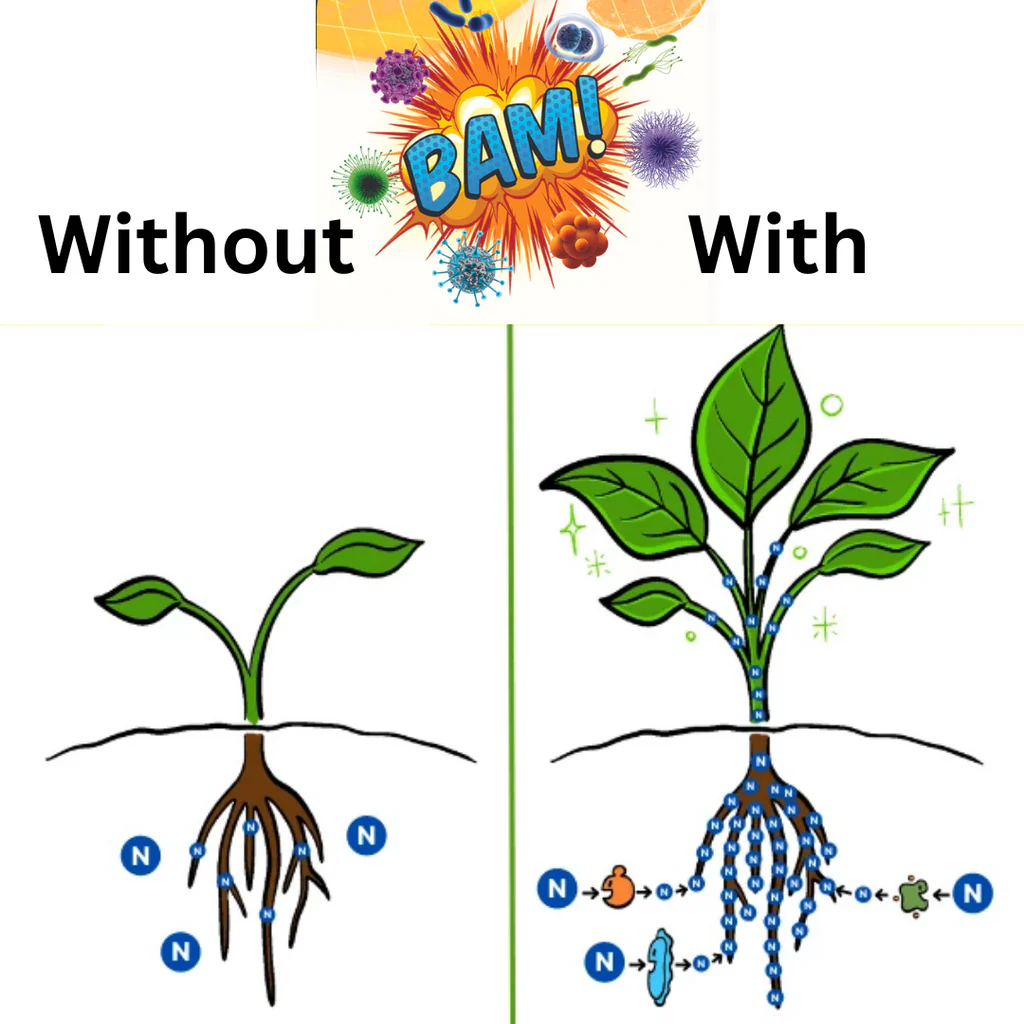
If you are worried about root health, combining mycorrhizae with a high-quality microbial inoculant like BAM! can create a diverse ecosystem that makes it nearly impossible for pathogens to take hold.

How to Apply Mycorrhizae in the Winter
To get the most out of your mycorrhizae, you need to remember one rule: Direct Root Contact. These aren't like liquid fertilizers that you just pour near the plant; the spores need to physically touch the roots to begin the colonization process.
During Transplanting
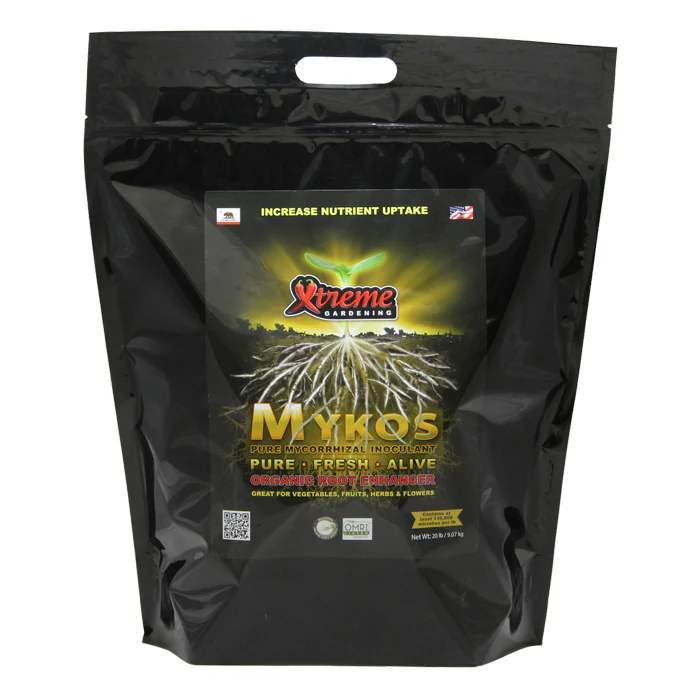
This is the best time to apply. When moving a seedling to a larger pot, sprinkle the mycorrhizal powder (like Mykos) directly onto the root ball and into the new planting hole. This ensures the new roots grow immediately through a layer of beneficial fungi.
For Established Plants
If your plants are already in their final pots, you can use a "core" method. Take a pencil or a thin stake and poke 3–4 holes around the base of the plant, deep enough to reach the root zone. Pour the inoculant down these holes and water it in.
Feeding the Fungi
Remember, mycorrhizae are living organisms. They need food to thrive. Adding a small amount of Cane Molasses to your watering schedule provides the simple sugars that fungi crave. This is especially helpful in winter when the plant might be producing fewer sugars on its own due to shorter light cycles or cooler temperatures.
The Perfect Winter Root Kit
If you want to take the guesswork out of winter root health, look into a comprehensive kit. Products that combine mycorrhizae, nitrogen-fixing microbes (like Azos), and mineral balancers ensure that your "biological engine" is firing on all cylinders regardless of the weather outside.

Common Pitfalls to Avoid
While mycorrhizae for plants is incredibly hardy, there are a few things that can kill your "secret weapon" before it has a chance to work:
- High Phosphorus Fertilizers: Ironically, if you use a synthetic fertilizer with extremely high Phosphorus (like some "Bloom Boosters"), the plant may decide it doesn't "need" the fungi and will stop feeding them. Keep your P levels moderate to encourage the symbiosis.
- Chlorinated Water: Heavy chlorine or chloramine in city water can suppress microbial life. Using a product like Drops of Balance can help neutralize these chemicals before they hit your soil.
- Fungicides: It sounds obvious, but using a soil-drench fungicide will kill your beneficial fungi right along with the bad ones. If you must use a fungicide, you will need to re-inoculate your soil afterward.
Final Thoughts: Planning for a Strong 2027
Winter is often seen as a time of dormancy, but for the proactive gardener, it’s a time to build a foundation. By using mycorrhizae now, you aren't just helping your plants survive a cold December; you are building a robust, massive root system that will explode with growth come spring.
The fact of the matter is that gardening is 90% what happens below the soil. If you take care of the microbes, the microbes will take care of the plants.
Have questions about which mycorrhizae is right for your specific setup? Check out our About Us page to learn more about our philosophy on biological gardening, or browse our full Hydroponics Collection to find the tools you need for a successful winter grow.



Leave a comment
This site is protected by hCaptcha and the hCaptcha Privacy Policy and Terms of Service apply.