
Blog
10 Reasons Your Hydroponic System Isn’t Working (And How to Fix It)
There is nothing quite as frustrating as walking into your grow room expecting to see a lush, vibrant canopy, only to find drooping stems, yellowing leaves, or: even worse: the dreaded smell of rotting roots. When a hydroponic system works, it feels like magic; plants grow faster and bigger than you ever thought possible. But when things go south, they go south fast.
Because hydroponics relies on a controlled environment, any small variable that slips out of range can cause a chain reaction. The fact of the matter is that most hydroponic failures come down to a few common culprits. The good news? Almost all of them are preventable and fixable.
Here are the top 10 reasons your hydroponic system might be failing and the practical steps you can take to get your garden back on track.
1. Improper pH Balance (The Number One Killer)
If you aren't checking your pH daily, you aren't really growing hydroponically: you’re just guessing. pH is the measure of how acidic or alkaline your nutrient solution is. For most hydroponic crops, the "sweet spot" is between 5.5 and 6.5.
When the pH drifts outside of this range, "nutrient lockout" occurs. This means that even if your water is full of high-quality minerals, the plant literally cannot absorb them. It’s like being at a buffet with your mouth taped shut.
The Fix: Invest in a high-quality digital pH meter. Don't rely on cheap paper strips if you want precision. Check your reservoir every single day. If the pH is too high, use a "pH Down" solution; if it’s too low, use "pH Up." Avoid using household items like vinegar or baking soda, as they are unstable and will cause your pH to swing wildly within hours.
2. Poor Water Quality and High TDS
Many new growers assume that if tap water is safe for them to drink, it’s safe for their plants. This is not always the case. Tap water often contains chlorine, chloramines, fluoride, and heavy minerals that can mess with your nutrient balance.
If your starting water has a high TDS (Total Dissolved Solids), you’re already "filling the cup" with junk before you even add your nutrients. This can lead to toxicities or imbalances that are hard to diagnose.
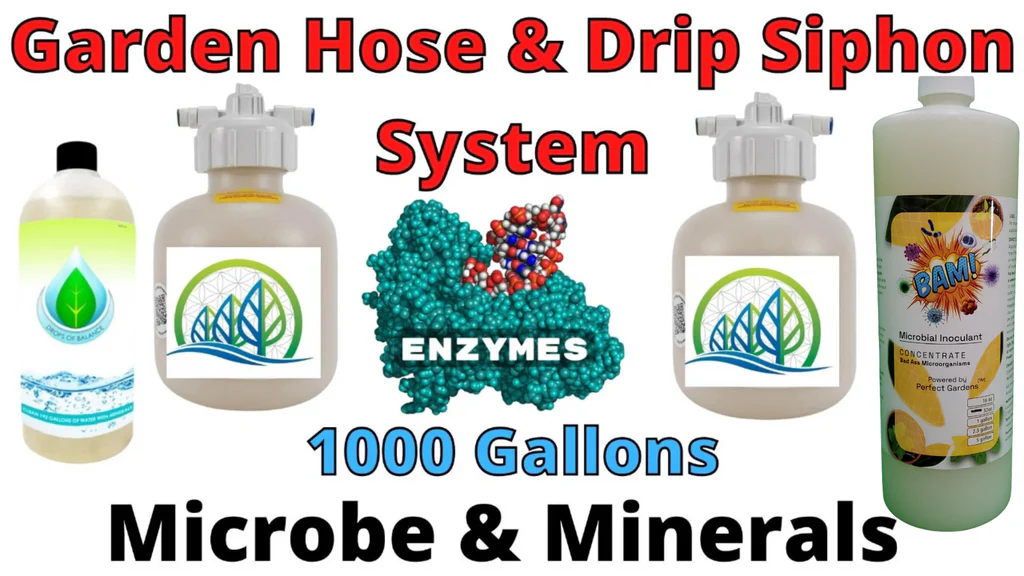
The Fix: Use a filtration system or a water treatment solution. Products like Drops of Balance can help mineralize and clean your water source, ensuring you start with a blank canvas.
3. Nutrient Deficiencies and Imbalances
It’s tempting to think that "more is better" when it comes to plant food. In reality, overfeeding is just as dangerous as underfeeding. High nutrient concentrations (measured as EC or PPM) can cause "nutrient burn," where the tips of the leaves turn brown and crispy. Conversely, using a nutrient line that isn't designed for hydroponics can leave out essential micronutrients like calcium or magnesium.
The Fix: Always use a complete hydroponic nutrient package. Follow the feeding chart provided by the manufacturer, but start at 50% strength for young plants. Every two weeks, you should perform a full reservoir change to prevent salts from building up and causing imbalances.
4. Reservoir Temperature Out of Range
This is an often-overlooked factor. The temperature of your nutrient solution dictates how much dissolved oxygen the water can hold. If your reservoir gets too hot (above 75°F/24°C), the oxygen levels drop, creating a breeding ground for pathogens. If it’s too cold (below 60°F/15°C), the plant’s metabolism slows down to a crawl.
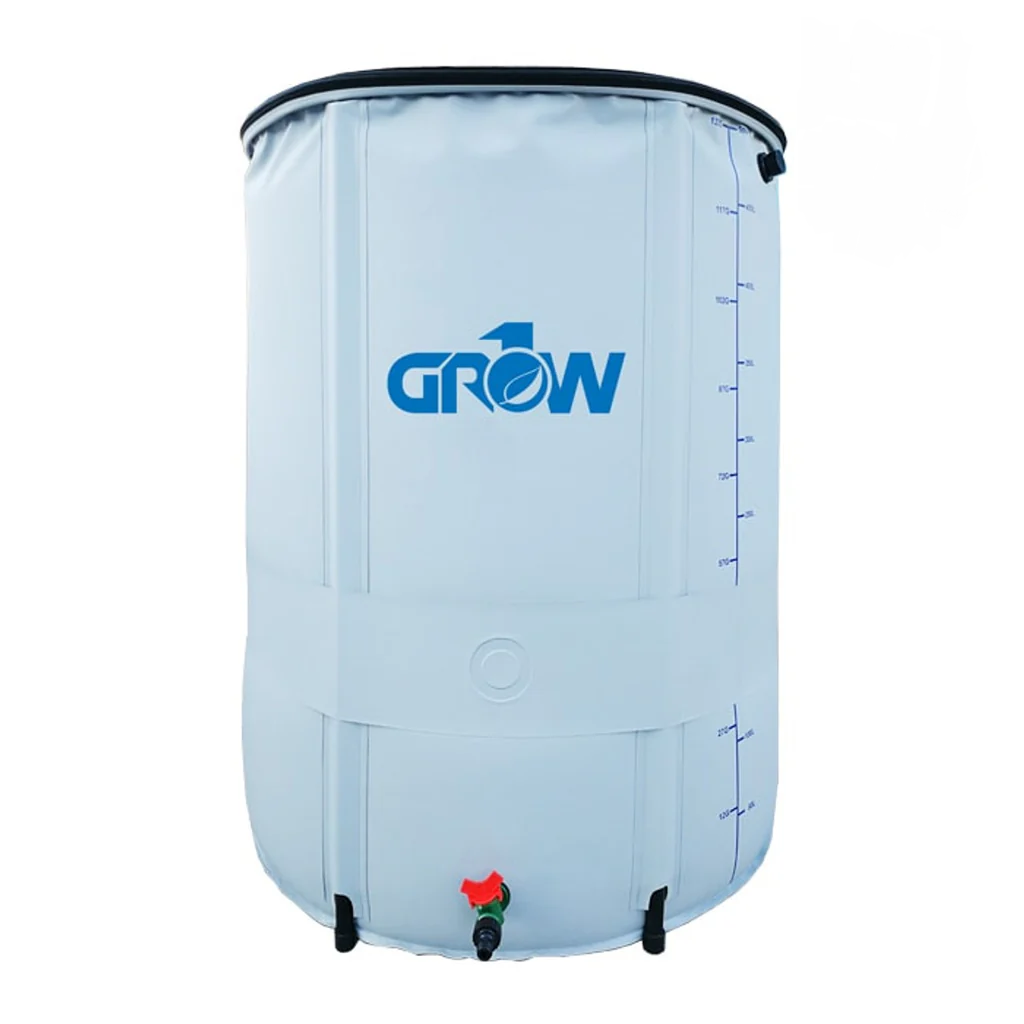
The Fix: Keep your reservoir between 65°F and 72°F. If your grow room is naturally hot, consider using a water chiller or insulating your reservoir. Using a collapsible storage tank can sometimes help with temperature management if placed on a cool concrete floor rather than a heat-absorbing surface.
5. Oxygen Deprivation (Drowning Your Roots)
In a soil garden, air pockets in the dirt provide oxygen to the roots. In hydroponics, the roots are submerged in water. If that water isn't highly oxygenated, the plants will effectively drown. This leads to wilting that looks like under-watering, even though the roots are sitting in liquid.
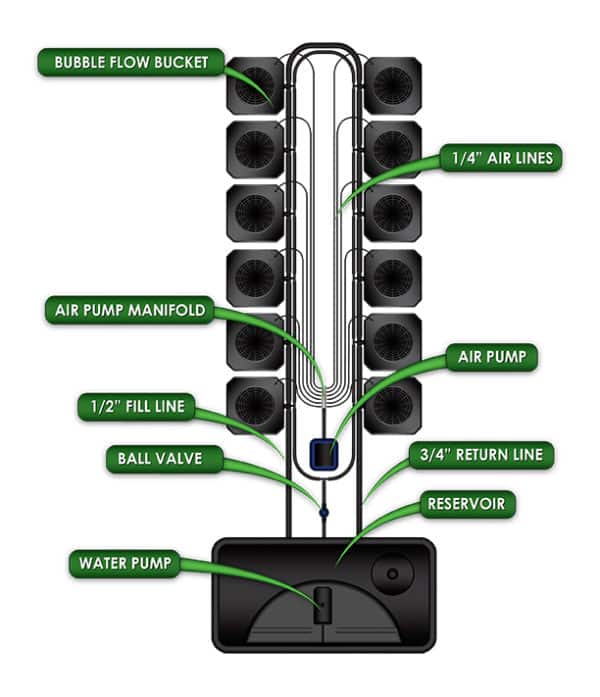
The Fix: Ensure your air pump is powerful enough for your reservoir size. You should see a "rolling boil" effect from your air stones. If you are using a Deep Water Culture (DWC) system, the bubbles are your plants' lifeline.
6. Pathogens and Root Rot
If you open your reservoir and smell something like old gym socks or swamp water, you have a problem. Pythium, or root rot, is a fungal-like organism that attacks stressed roots. Healthy roots should be bright white and firm; diseased roots look brown, slimy, and "mushy."
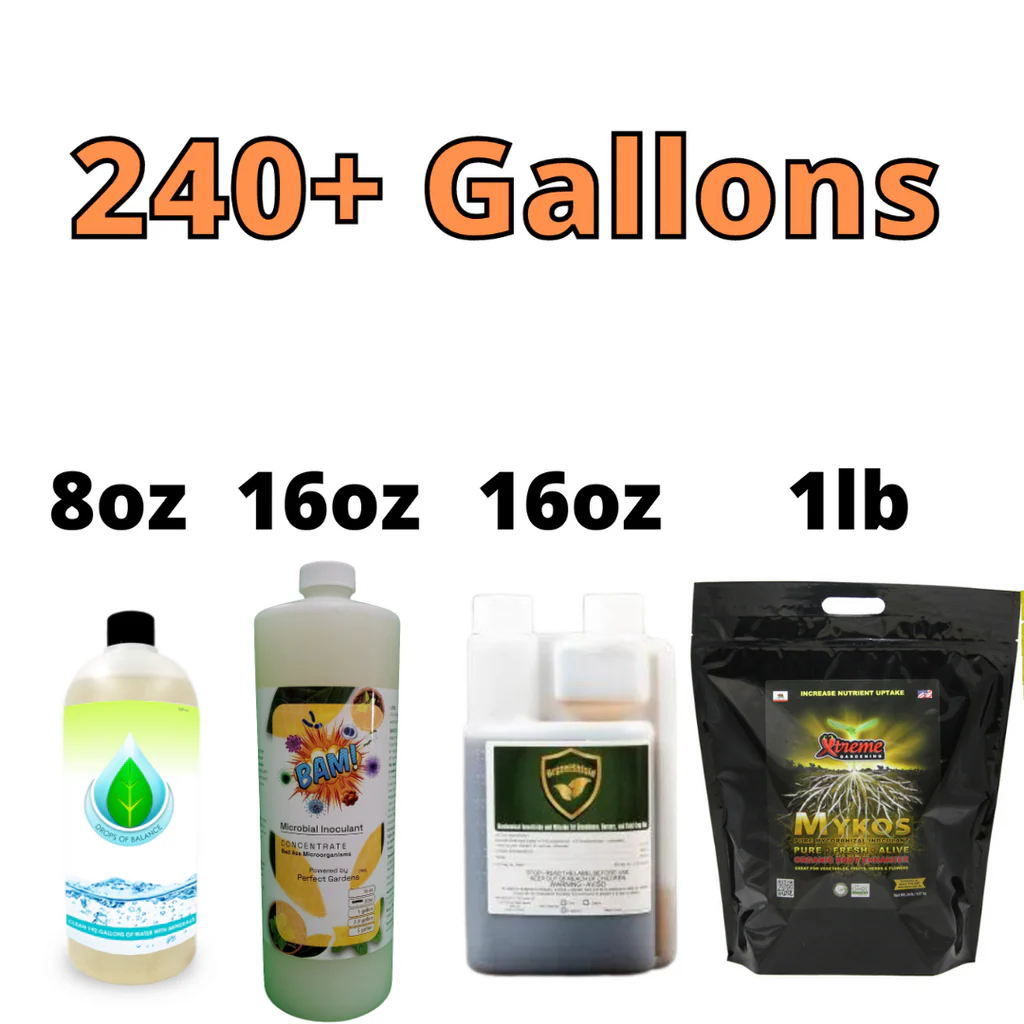
The Fix: Cleanliness is everything. Sanitize your equipment between grows with hydrogen peroxide or a food-safe disinfectant. To fight off bad bacteria, introduce beneficial microbes. A Microbial Inoculant Kit helps establish an "army" of good bacteria that protects the root zone from invaders.
7. Inadequate Lighting
Your hydroponic system provides the "food," but the lights provide the "energy" to process that food. If your lights are too far away, the plants will become "leggy": stretching and developing weak stems. If the lights are too close or too intense, you’ll see light bleach or heat stress.
The Fix: Match your light intensity to the stage of growth. Seedlings need much less light than flowering plants. Use a LUX meter or PAR meter to ensure your plants are getting exactly what they need. If you're unsure about your setup, check out our grow help videos for lighting placement tips.
8. System Clogs and Mechanical Failures
Hydroponic systems rely on pumps, timers, and tubing. It only takes one clogged emitter or a failed submersible pump to kill a crop in a matter of hours, especially in systems like Aeroponics or NFT (Nutrient Film Technique) where there is no growing medium to hold moisture.
The Fix: Create a weekly maintenance checklist. Check your pumps for debris and ensure your timers are actually firing. If you use organic nutrients, be extra vigilant, as they tend to be thicker and can "gunk up" small tubes more easily than synthetic mineral salts.

9. Algae Overgrowth
Algae loves the same things your plants love: water, nutrients, and light. If light hits your nutrient solution, algae will grow. Not only does algae consume the nutrients meant for your plants, but it also clogs pumps and can attract pests like fungus gnats.
The Fix: Make sure your system is light-proof. Use black-and-white "Panda Film" to cover reservoirs or lids. If you see green film growing on your rockwool cubes or inside your tubes, you have a light leak that needs to be sealed immediately.
10. Poor Air Circulation and Humidity
Indoor gardens are closed ecosystems. Without proper airflow, "micro-climates" form around the leaves. If the humidity is too high, the plant stops transpiring (sweating), which slows down nutrient uptake. High humidity also invites powdery mildew and bud rot.
The Fix: Use oscillating fans to keep the air moving around the plants, not just at them. Ensure you have an exhaust fan that is venting old, humid air out of the room and bringing fresh CO2-rich air in. Aim for a relative humidity (RH) of 40-60% depending on the growth stage.
Summary: Don't Panic, Just Troubleshoot
The transition to hydroponics has a learning curve, and it’s okay to hit some speed bumps. The most important thing is to be observant. Your plants will tell you exactly what’s wrong if you know how to read the signs.
If you're feeling overwhelmed, start with the basics:
- Check your pH.
- Check your Water Temp.
- Check your Roots.
If those three things are dialed in, you’ve already solved 90% of potential problems. For those who want to take the guesswork out of the equation, using a comprehensive Nutrient and Microbial Kit is the best way to ensure your plants have the biological protection and mineral balance they need to thrive.
Still having trouble? Don't hesitate to reach out to us at our contact page or join our Army of Growers to get advice from a community of experts who have seen it all. Happy growing!