
If you’ve spent any time in the gardening community lately, you’ve heard the buzz about "microbial inoculants." They are marketed as the holy grail of plant growth, a magic powder or liquid that will transform your garden into a lush jungle overnight. But here’s the thing: most people use them, and most people don’t see the results they were promised.
The fact of the matter is that there is a massive gap between the marketing hype and the biological reality of how these microbes behave once they hit your soil or reservoir. At Perfect Gardens, we’ve spent years testing these products and talking to experts on Perfect Gardens TV, and we’ve uncovered some truths that the big-box manufacturers aren't exactly shouting from the rooftops.
In this deep dive, we’re going to peel back the curtain on why most inoculants fail and how you can actually make them work to achieve explosive root health and nutrient uptake.
The "Secret" Why Most Inoculants Fail
It’s frustrating to spend $50 on a premium bottle of microbes only to see zero change in your plant’s vigor. Research in the agricultural field has shown that a staggering number of commercial inoculants fail to establish themselves in the soil. There are four main reasons for this:
1. The 3% Rule
Scientists estimate that we can only currently cultivate fewer than 3% of the microbial species found in soil within a laboratory setting. This means that when you buy an inoculant, you are getting a tiny fraction of the species that actually exist in nature. Manufacturers choose these specific microbes not necessarily because they are the "best" for your plants, but because they are the easiest to keep alive in a fermentation tank and stable on a store shelf.
2. Environmental Shock
Imagine being raised in a climate-controlled room with unlimited food, and then suddenly being dropped into the middle of the Sahara Desert. That is what happens to lab-grown microbes. They go from a nutrient-rich, temperature-stable fermentation tank to your garden, where the pH might be off, the temperature fluctuates, and the moisture levels are inconsistent. Most of them simply die before they can do any work.
3. The "Native" Turf War
Your soil isn't empty. It is already populated by billions of native microbes that have evolved to survive in your specific environment. When you dump in a foreign inoculant, the native microbes see it as an invasion. These "local" microbes are better adapted and will often outcompete the expensive "store-bought" strains for resources, effectively killing off your investment within days.
4. The One-Size-Fits-All Fallacy
Many companies sell the same microbial blend for every type of plant and every type of environment. Biology doesn't work that way. What works for a corn field in Iowa might not work for a hydroponic lettuce setup in a basement in Denver.
Why You Still Need Them: The Benefits of Success
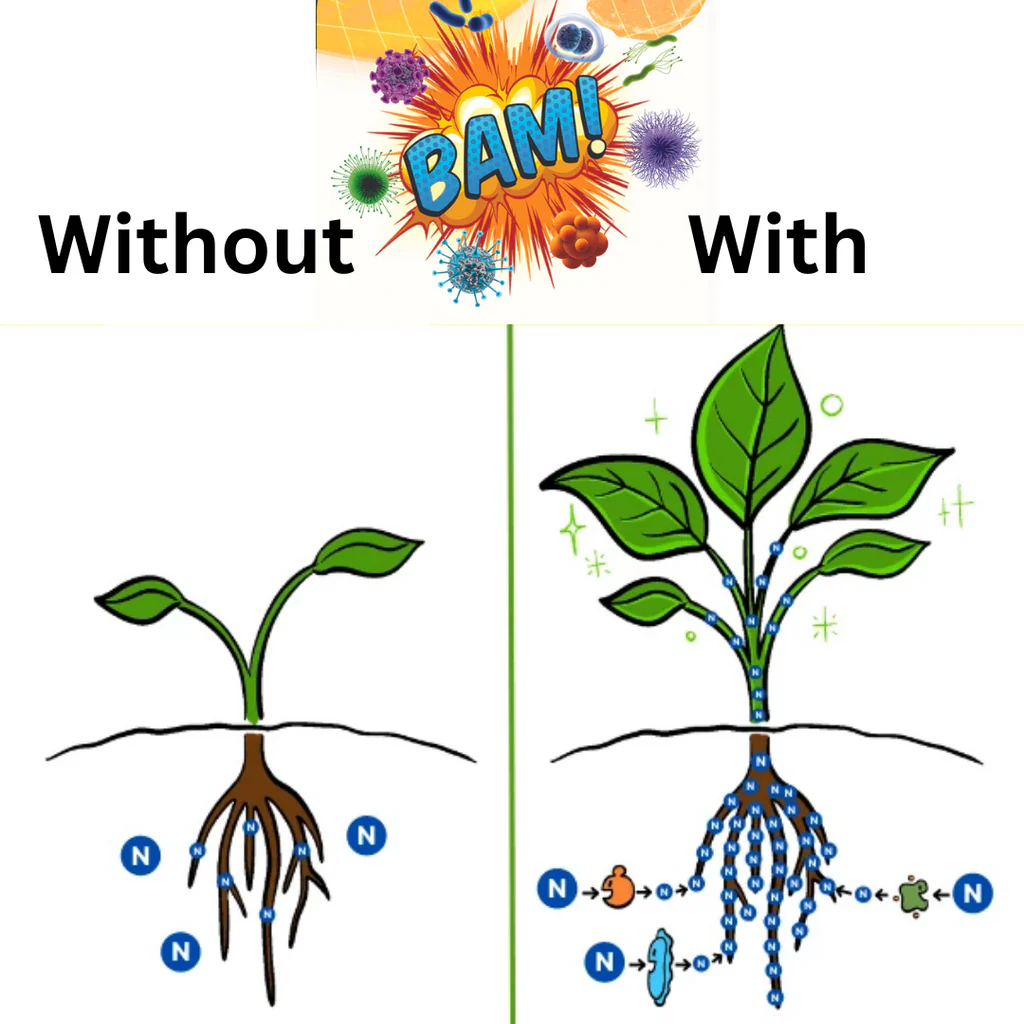
Despite the challenges mentioned above, when you do get microbial inoculants to take hold, the results are nothing short of transformative. This is the difference between a plant that is merely surviving and a plant that is thriving.
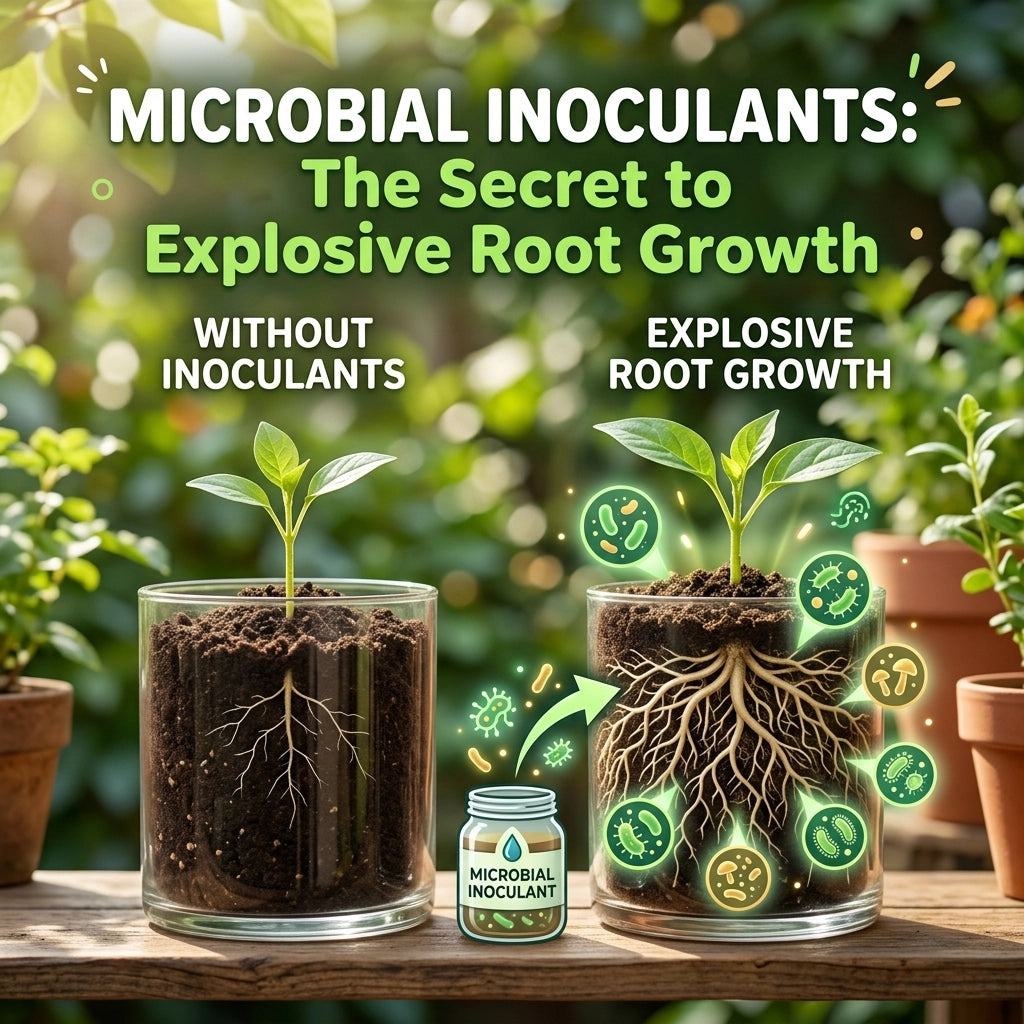
Explosive Root Health
Microbes like mycorrhizae act as an extension of the plant's root system. They grow thin filaments called hyphae that reach into tiny pores in the soil that roots are too thick to access. This effectively increases the surface area of your roots by hundreds of times, allowing the plant to drink more water and stay hydrated under stress.
Unlocking Locked-Up Nutrients
You can dump all the nutrients you want into your soil, but if they aren't "bio-available," your plant can't eat them. This is especially true for Phosphorus. Microbes produce enzymes and acids that break down mineral bonds, turning "locked-up" nutrients into a form the plant can immediately absorb.
Better Nutrient Uptake and Nitrogen Fixation
Products like Xtreme Gardening Azos contain specialized bacteria that can actually pull nitrogen from the air and convert it into a form the plant can use. This reduces your dependency on synthetic fertilizers and creates a more self-sustaining ecosystem in your grow bags.
How to Make Your Microbes Actually Work
Knowing that the odds are stacked against you, how do you ensure your microbes survive and thrive? It comes down to preparation and feeding.
Don't Just Apply, Inoculate
Application is just pouring it on. Inoculation is making sure it stays. To do this, you need to create a "hospitable" environment. This means checking your pH levels before you apply your microbes. If your water is too acidic or too alkaline, you’ll kill them on contact. Using a mineral purifier like Drops of Balance can help clean your water and provide the trace minerals that microbes need to establish their colonies.
Feed the Beast: The Role of Molasses
Microbes are living organisms; they need to eat. One of the biggest secrets to success is providing a carbon source, usually in the form of sugars. Using something like RAW Cane Molasses provides a quick-hit energy source for the microbes, allowing them to multiply rapidly and gain a foothold before the native species can push them out.

Consistency is Key
Because of the "Native Turf War" we mentioned earlier, you can't just apply microbes once and walk away. You need to re-apply them every 1-2 weeks. This constant "reinforcement" ensures that even if some die off, there is always a fresh population ready to continue the work of nutrient cycling.
Choosing the Right Products
Not all inoculants are created equal. You want to look for products that have a high "CFU" (Colony Forming Units) count and a diverse range of species.
One of our top recommendations is BAM! Microbial Inoculant. It’s designed specifically to handle the rigors of indoor and hydroponic gardening, which are often more sterile and demanding than traditional outdoor soil.

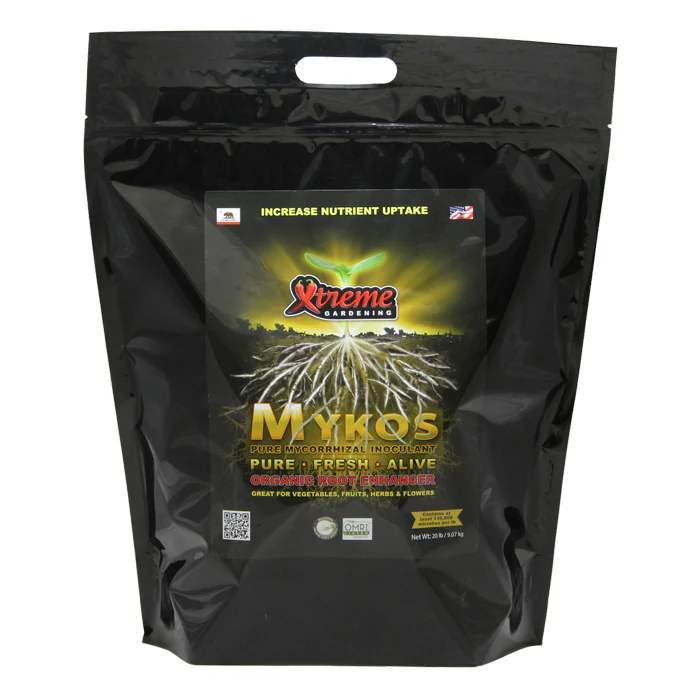
If you are looking for a more specialized approach to root development, Xtreme Gardening Mykos is the industry standard for pure mycorrhizal inoculants. It is OMRI-listed and specifically targets root expansion, making it a favorite for organic growers.
Perfect Gardens TV: Expert Insights
On our YouTube channel and our Grow Help section, we’ve discussed the "Microbial Secret" at length. One recurring theme from our most successful growers is the "Microbial Tea."
Instead of just pouring the powder into the soil, they "brew" it. By placing your inoculants in a bucket with an air stone and some molasses for 24 hours, you allow the microbial population to explode in a controlled environment. By the time you pour that tea onto your plants, you are delivering an army that is already active, hungry, and ready to colonize.
A Balanced Approach to Gardening
While we love microbes, we also caution growers not to see them as a "fix" for bad gardening habits. If your lights are too close, your ventilation is poor, or you are overwatering, no amount of microbes will save your harvest.
Microbial inoculants should be viewed as the "optimization" layer of your garden. You get your environment right first, then you use these biological tools to push your plants to their absolute genetic potential.
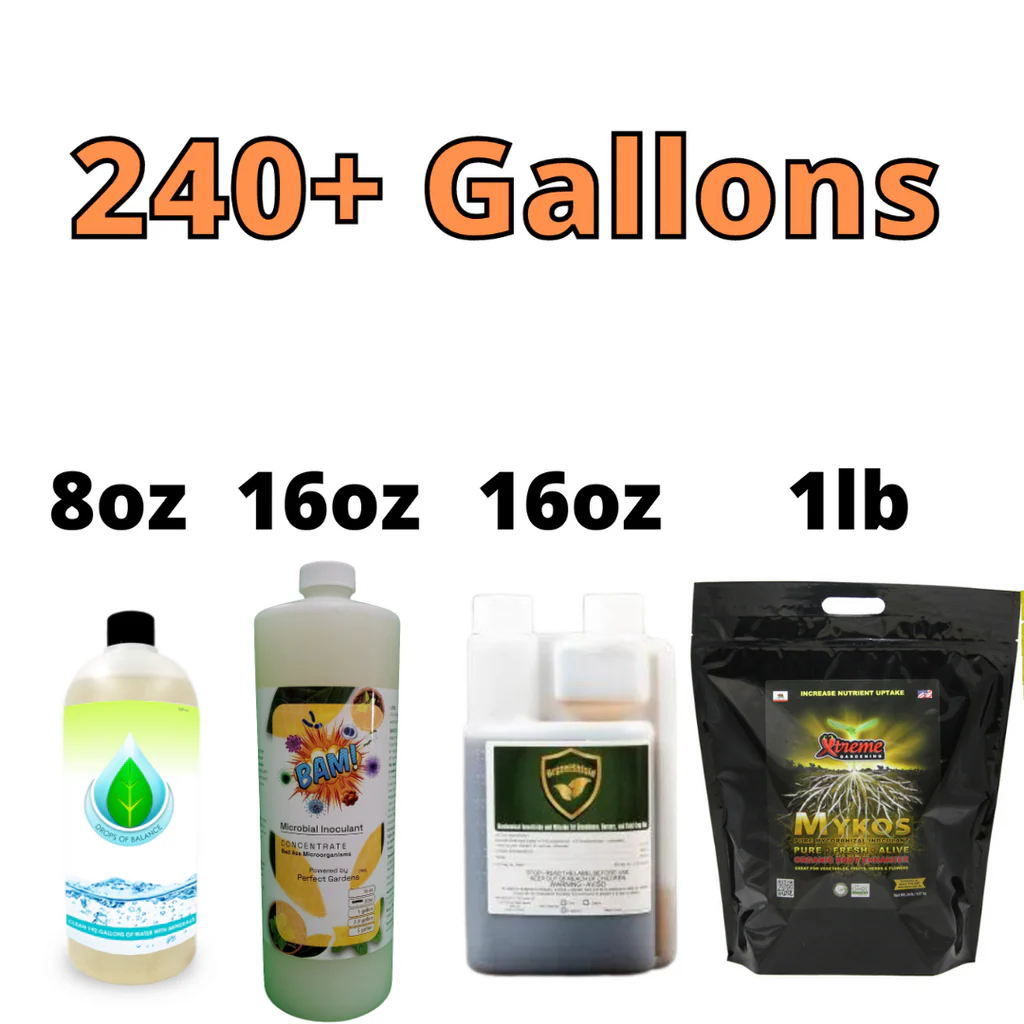
If you're overwhelmed by all the choices, we often recommend starting with a Nutrient and Microbial Inoculant Kit. These kits are designed to work together, ensuring that the minerals, microbes, and food sources are all in balance.
Summary Checklist for Microbial Success
To wrap things up, if you want to stop wasting money and start seeing results with microbial inoculants, follow these steps:
- Check Your Water: Use Drops of Balance or a similar product to ensure your water is free of chlorine and heavy metals that kill microbes.
- Choose Quality: Look for specialized products like BAM! or Mykos rather than generic "garden boosters."
- Feed Them: Always include a carbohydrate source like molasses to give the microbes energy.
- Brew if Possible: Use a compost tea brewer or a simple air stone to "activate" the microbes before application.
- Be Consistent: Re-apply every 7 to 14 days to maintain a dominant colony in the root zone.
The secrets of the microbial world aren't really secrets: they’re just biology. Once you understand the challenges these tiny organisms face, you can help them overcome those obstacles and reap the rewards of a truly healthy, high-yielding garden.
For more tips and deep dives into the science of growing, check out our About Us page or join the Army of Growers community today!

Leave a comment
This site is protected by hCaptcha and the hCaptcha Privacy Policy and Terms of Service apply.