

For many gardeners, the arrival of winter means cleaning the tools, draining the hoses, and retreating to the warmth of the living room until spring. But for those of us running indoor setups, grow tents, or hydroponic systems, the "off-season" is just a change in the calendar, not a stop in the production cycle.
One of the most common mistakes indoor growers make during the winter months is neglecting the biological health of their medium. We focus on the LED lights and the temperature, but we forget the microscopic city living beneath the surface of the soil or inside the reservoir.
The truth is, your plants need active biology more than ever when they are cooped up indoors. This is where a compost tea brewer becomes your most valuable asset. Often called "Liquid Gold," compost tea is a concentrated dose of beneficial bacteria, fungi, and protozoa that can transform a struggling winter grow into a thriving indoor jungle.
Why Biology Matters in the Winter "Off-Season"
When you move your gardening indoors, you are creating an artificial environment. While this allows for year-round harvests, it also removes the natural cycles that replenish soil biology. In an outdoor garden, worms, insects, and seasonal shifts help move nutrients around. Indoors, your plants are entirely dependent on what you provide.
In winter, several factors can stress indoor plants:
- Low Humidity: Central heating often dries out the air, which can stress the plant and the top layer of the growing medium.
- Temperature Fluctuations: Even with heaters, root zones can get chilly if pots are sitting on cold concrete floors.
- Pathogen Pressure: Closed environments with stagnant air are breeding grounds for "the bad guys" like Pythium (root rot).
By using a compost tea brewer, you are actively outcompeting pathogens. When you saturate your root zone with beneficial microbes, there is simply no "room at the inn" for harmful fungi or bacteria to take hold. You aren't just feeding the plant; you are building an immune system.
The Science of the Brew: Aerobic vs. Anaerobic
A compost tea brewer isn't just a bucket of water with some dirt in it. The "brewer" part is critical because of oxygen.
There are two ways organic matter breaks down: anaerobically (without oxygen) and aerobically (with oxygen). Anaerobic environments: like a swamp or a stagnant bucket: tend to produce pathogens and alcohols that can actually kill your roots. Aerobic environments, created by high-output air pumps and air stones in a professional brewer, cultivate the "good guys."
Beneficial microbes thrive in highly oxygenated water. When you use a compost tea brewer, you are multiplying the population of these microbes by the billions over a 24-to-48-hour period.

Caution: The Temperature Trap
Research indicates that brewing in cold environments (below 50°F or 60°F) can be risky. While high-temperature composting kills pathogens, a "cold brew" in a garage during December might actually encourage the growth of harmful bacteria. To avoid this, always keep your compost tea brewer in a temperature-controlled area, preferably near your grow tents. Aim for a water temperature between 65°F and 75°F for the most stable microbial growth.
How to Set Up Your Winter Brewing Station
To start brewing your own "Liquid Gold," you don't need a PhD, but you do need the right equipment. A basic setup includes:
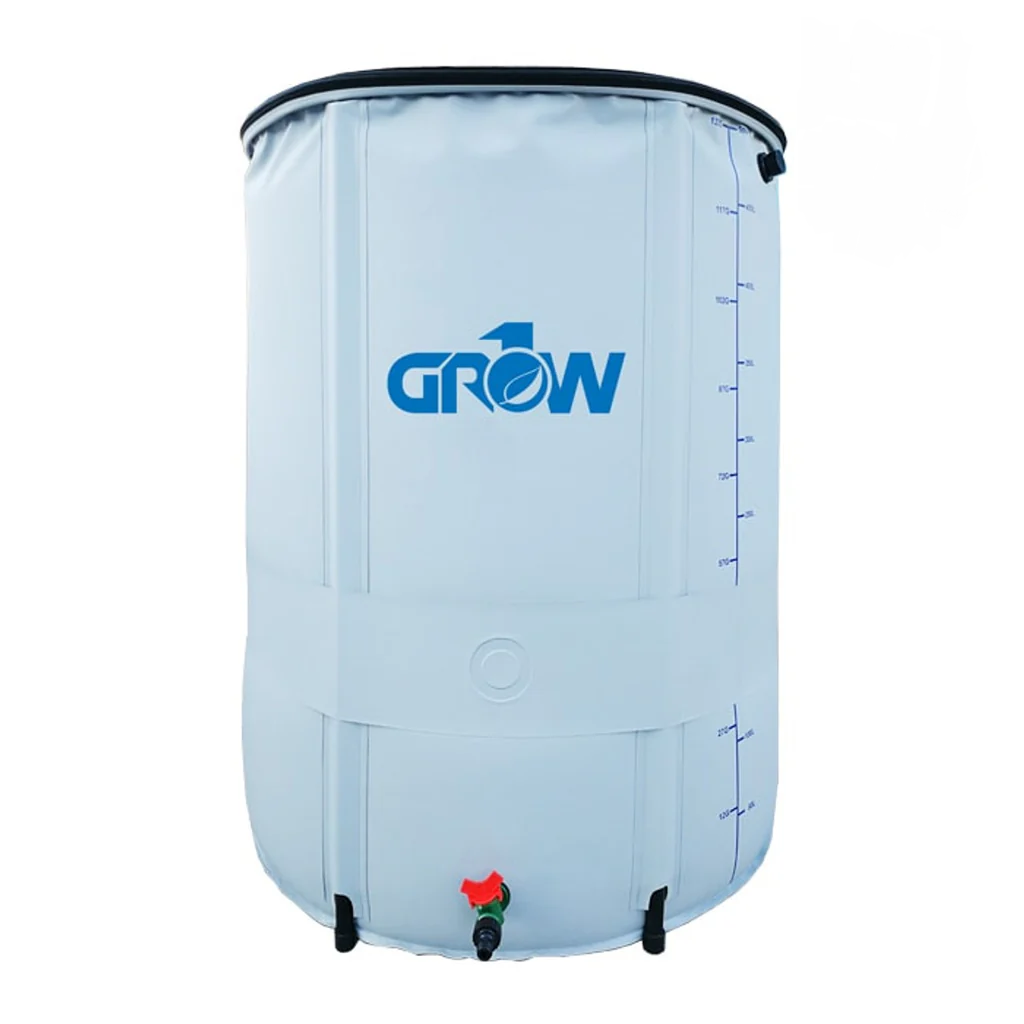
- A Reservoir: A Grow1 collapsible water storage tank or a clean 5-gallon bucket.
- An Air Pump: This needs to be powerful enough to keep the water "boiling" with bubbles.
- A Brew Bag: A fine mesh bag to hold your compost or castings.
- Microbial Starters: This is where products like BAM! or Mykos come into play.
The Recipe for Success
- Start with Clean Water: If you are using tap water, let it sit for 24 hours to outgas the chlorine, or use a product like Drops of Balance to neutralize toxins and add essential minerals.
- The Base: Use high-quality worm castings or finished compost. This provides the initial "seed" population of microbes.
- The Food: Microbes need energy to multiply. A tablespoon of unsulphured blackstrap molasses or a kelp-based nutrient provides the sugars they need to go into a feeding frenzy.
- The Inoculant: For the best results, add a specialized microbial inoculant.
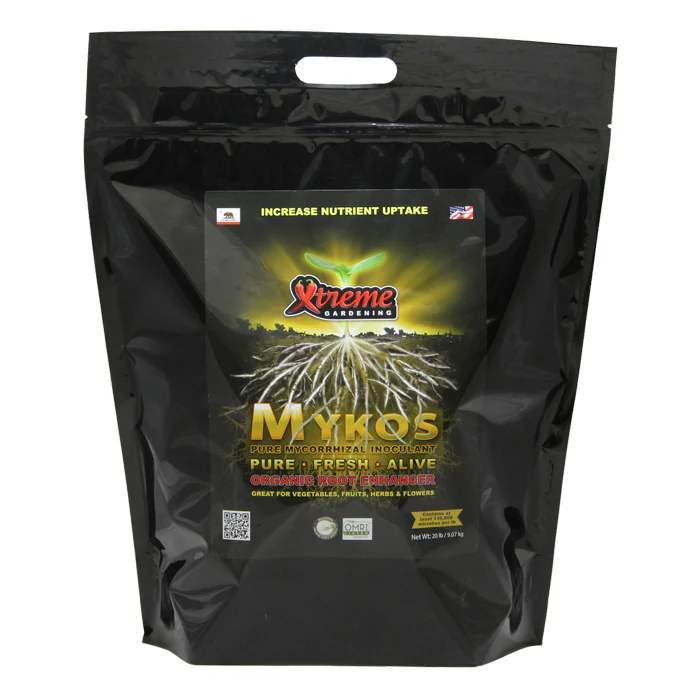
Using a product like Xtreme Gardening Mykos or Azos ensures that you are introducing specific, high-performance strains of mycorrhizae or nitrogen-fixing bacteria into your brew. These are often more effective than what you’ll find in generic backyard compost.
Benefits of Compost Tea in Hydroponics
While soil growers have long praised compost tea, hydroponic growers are often hesitant. There is a fear that organic material will "clog the lines." However, using an aerated compost tea brewer allows you to extract the biological benefits without the heavy particulate matter.
In a hydroponic system, compost tea acts as a bio-filter. It helps break down any decaying root matter into usable nutrients. It also chelates minerals, making them easier for the plant to absorb through the cell walls. If you are worried about clogs, simply strain your tea through a 400-micron filter bag before adding it to your main reservoir.

Timing is Everything: The 24-Hour Rule
The most important thing to remember about compost tea is that it is a living product. Unlike bottled nutrients that can sit on a shelf for months, compost tea has a very short "peak."
Once you turn off the air pump in your compost tea brewer, the oxygen levels in the water begin to drop rapidly. As the oxygen disappears, the aerobic microbes begin to die off. You generally have a window of 2 to 4 hours to apply the tea to your plants once the brewing cycle is complete.
If you let the tea sit overnight without bubbles, it will go anaerobic. You’ll know this has happened because it will go from smelling like "sweet earthy forest floor" to "rotten eggs." If it smells bad, do not put it on your plants. Dump it on the lawn (even if it's frozen) and start over.
Maximizing Your Winter Yields
The goal of any indoor gardener is to maximize the efficiency of their space. When you use a compost tea brewer, you are ensuring that every drop of nutrient solution is being utilized by the plant.

By combining a regular brewing schedule with a Nutrient and Microbial Inoculant Kit, you create a synergistic effect. The minerals in the kit provide the building blocks, while the microbes in the tea act as the construction workers, putting those blocks exactly where they need to go.
1. Enhanced Nutrient Uptake
During the winter, plants can be "lazy" with their metabolism. Beneficial microbes stimulate the roots and increase the surface area for absorption, forcing the plant to work more efficiently even when the external environment is dull.
2. Disease Suppression
Indoor winter gardens are prone to powdery mildew and root rot due to restricted airflow and humidity spikes. A foliar spray of compost tea can put beneficial bacteria directly on the leaves, creating a biological shield against mildew spores.
3. Stress Recovery
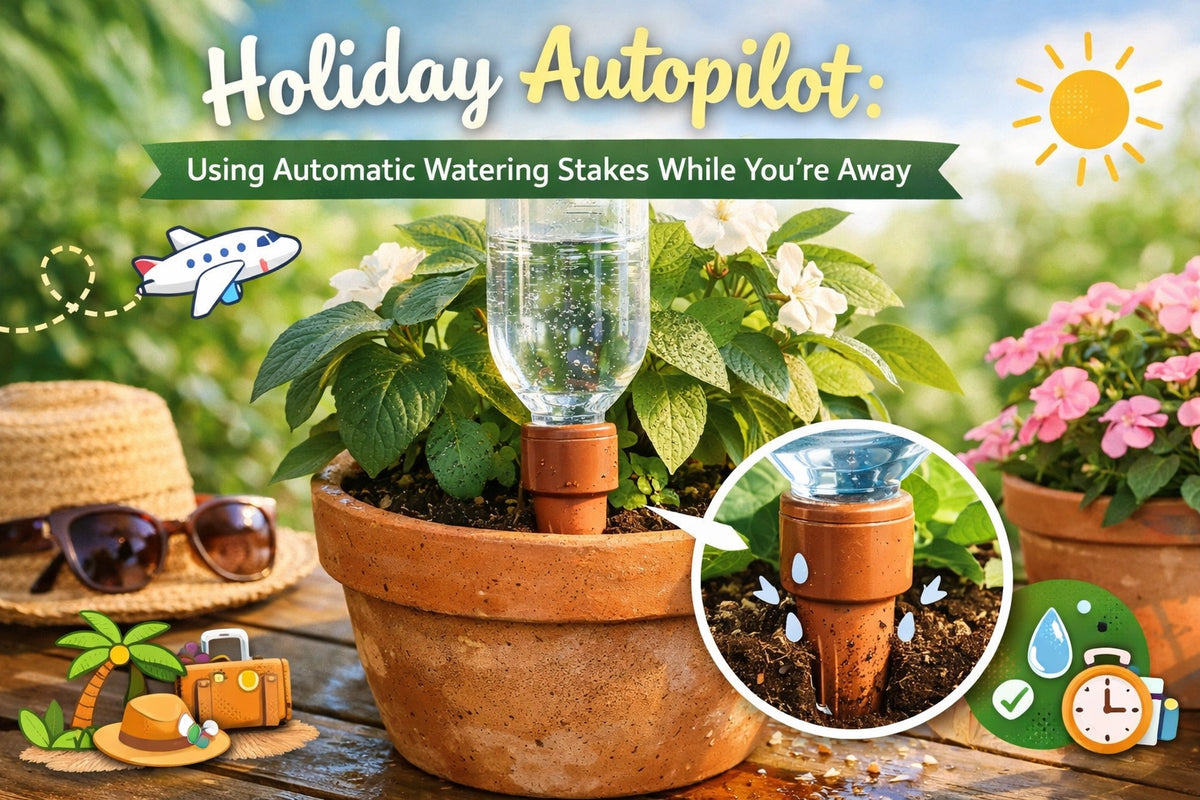
If you’ve accidentally let your Automatic Watering Stakes run dry or your tent got too cold one night, a fresh dose of compost tea can help the plant recover from the stress by providing immediate, bio-available nutrition and hormonal triggers for growth.

Maintenance and Best Practices
To keep your "Liquid Gold" factory running all winter, you must maintain your equipment. Biofilm (a slimy layer of bacteria) will eventually build up on your air stones and hoses. If left unchecked, this film can harbor bad bacteria that will ruin future batches.
- Clean after every brew: Use a mild solution of hydrogen peroxide or citric acid to scrub the bucket and soak the air stones.
- Replace air stones: They are inexpensive but vital. If they get clogged, your oxygen levels will drop, and your brew will suffer.
- Monitor your compost: Keep your source material (worm castings/compost) in a sealed, cool, but not frozen container to keep the indigenous microbes alive until you're ready to brew.
Final Thoughts for the Winter Grower
The fact of the matter is that gardening doesn't have a "stop" button unless you choose to press it. Investing in a compost tea brewer is one of the most effective ways to elevate your indoor game during the cold months. It bridges the gap between synthetic feeding and organic health, providing a level of plant vitality that "bottles only" growers rarely achieve.
Whether you are trying to squeeze out one last harvest before the New Year or you are prepping your mother plants for spring cloning, active biology is the key. Don't let your soil go dormant just because the ground outside is frozen. Keep the bubbles going, keep the microbes fed, and enjoy the "Liquid Gold" your plants will thank you for.
Ready to start your winter brew? Check out our full range of microbial inoculants and minerals to give your brewer the best possible start. 🌿✨


Leave a comment
This site is protected by hCaptcha and the hCaptcha Privacy Policy and Terms of Service apply.