
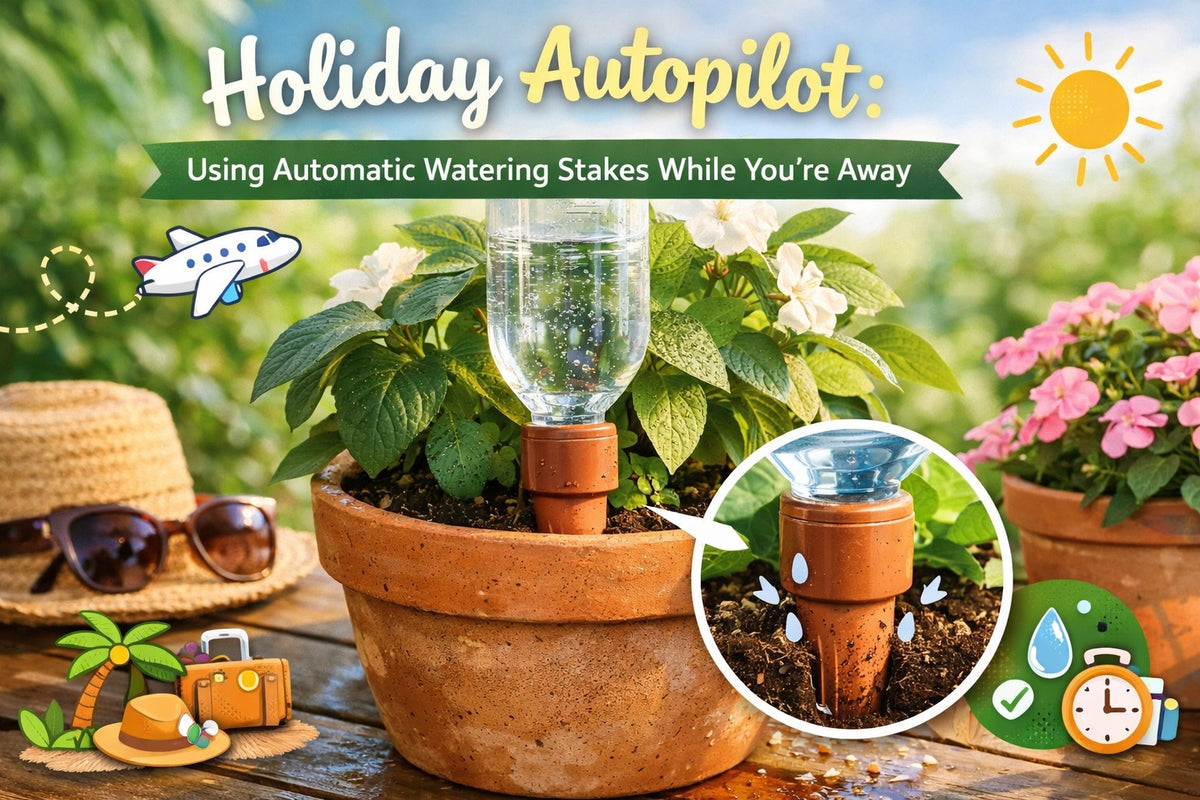
The holiday season is usually a time for relaxation, family, and travel, but for an indoor gardener, it can be a source of significant anxiety. You’ve spent months dialing in your LED lights, perfecting your nutrient ratios, and watching your canopy flourish. The thought of leaving your "babies" unattended for a week or two feels like a gamble. While you could ask a neighbor to swing by, not everyone understands the nuances of a high-performance grow room.
This is where automatic watering stakes become the unsung heroes of the holiday season. Unlike complex electronic irrigation systems that require pumps and timers: which can fail or leak if not calibrated perfectly: watering stakes rely on the simple laws of physics to keep your plants hydrated. In this guide, we’ll break down how to put your garden on "holiday autopilot" so you can enjoy your vacation without worrying about returning to a room full of wilted leaves.
How Automatic Watering Stakes Actually Work
It might look like magic, but the science behind automatic watering stakes is straightforward. Most high-quality stakes, such as those from the Blumat line, consist of a ceramic or terracotta cone attached to a cap and a thin piece of flexible tubing.
The system operates on a vacuum principle. When the soil around the ceramic cone dries out, it exerts a "suction" force. Because the ceramic is porous, water inside the cone is pulled out into the soil. This creates a weak vacuum inside the stake, which then draws fresh water from a nearby reservoir (like a bucket or tank) through the tubing to replace what was lost.
The beauty of this system is that it is "demand-based." Your plants aren’t being watered on a fixed timer regardless of their needs; they are receiving moisture exactly when the soil tension indicates they need it. This significantly reduces the risk of overwatering or root rot, which are common issues when beginners try to "soak" their plants before leaving for a trip.

The Setup: Getting It Right Before You Leave
Success with automatic watering stakes isn't about the hardware alone; it’s about the preparation. You cannot simply shove a dry stake into the dirt and walk out the door. If there is air inside the ceramic cone or the line, the vacuum won't form, and your plants will dry out.
1. The Pre-Soak (Crucial Step)
Before assembly, you must submerge the ceramic cones in water for at least 15 to 30 minutes. This ensures the porous material is completely saturated and all air is driven out of the "pores" of the ceramic. While the cones are underwater, screw the caps on tightly. The goal is to ensure that when you lift the stake out of the water, it is completely full of liquid with zero air bubbles trapped inside.
2. Positioning the Stakes
Carefully push the stake into the soil near the root zone of your plant. You want the ceramic part to be fully buried to ensure maximum contact with the medium. If you are using large fabric grow pots, you might need two or even three stakes per pot to ensure even moisture distribution across the entire root mass.
3. The Reservoir Placement
The height of your water reservoir relative to the stakes is the "manual adjustment" of this system.
- For moisture-loving plants: Place the water source slightly higher than the top of the stakes. This allows gravity to assist the vacuum, keeping the soil consistently damp.
- For drought-tolerant plants: Place the reservoir at the same level or slightly lower than the stakes. The vacuum will have to work harder to pull the water, meaning the soil will need to get a bit drier before the system triggers.
Choosing the Right Reservoir
Your automatic watering stakes are only as good as the "gas tank" they are connected to. For a long holiday weekend, a 5-gallon bucket might suffice for a few plants. However, if you have a full hydroponic setup or a large tent, you need something more substantial.
The fact of the matter is that plants in peak flower can drink a surprising amount of water. A single large plant can easily go through a gallon of water every two days. If you’re leaving for ten days, a 5-gallon bucket for four plants simply won't cut it.
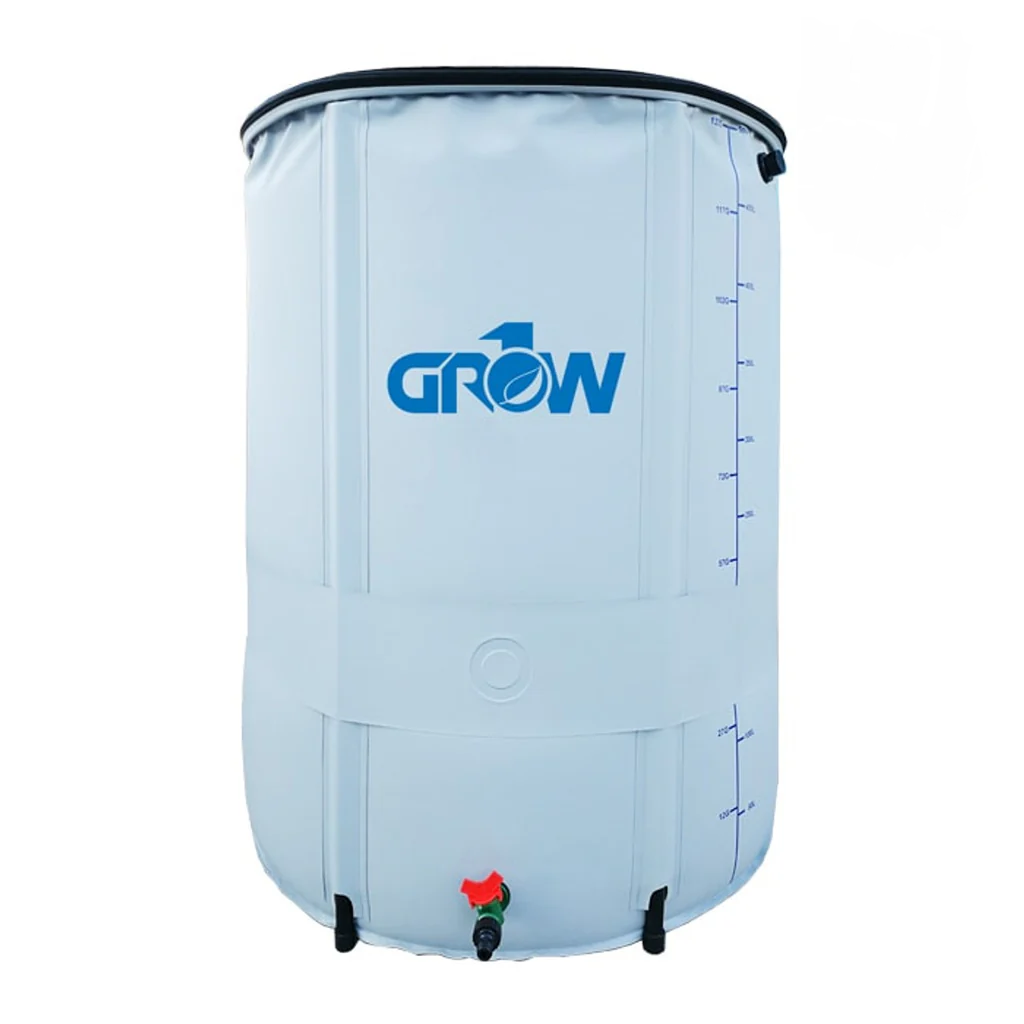
We recommend using a dedicated, durable container like the Grow1 Collapsible Water Storage Tank. These tanks are ideal because they are easy to clean, hold a significant volume, and often feature a bottom spigot that makes connecting multiple lines much easier than draping them over the top of a bucket.
Water Quality and Nutrition on Autopilot
One mistake many growers make is filling their holiday reservoir with heavy nutrient solutions. Over a week or two, nutrients can settle, or the pH can drift significantly, potentially leading to nutrient lockout or clogged lines.
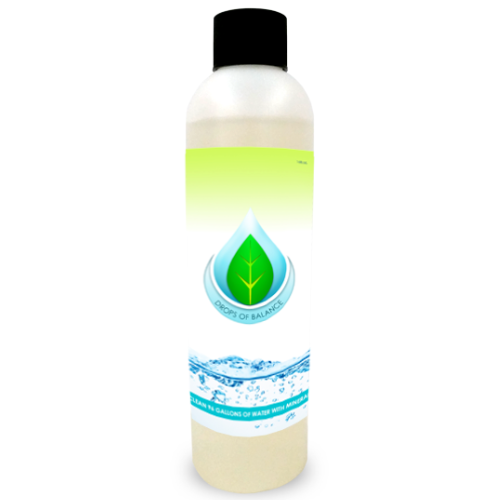
When using automatic watering stakes for a vacation, it is often safer to use a "cleaner" solution. Focus on water purification and mineralization rather than high-octane feeding. Using a product like Drops of Balance can help keep the water stable and provide essential trace minerals without the risk of heavy salt buildup in the ceramic pores of the stakes.
If you are worried about your plants missing their microbes while you are gone, you can pre-treat your soil with a microbial inoculant or a high-quality mycorrhizae before you leave. This builds a "biological buffer" that helps the plants access existing nutrients in the medium even if you are only providing mineralized water through the stakes.
Common Pitfalls and How to Avoid Them
While automatic watering stakes are highly reliable, they aren't completely "set it and forget it" for the first-time user. Here are a few things that can go wrong:
- Air Bubbles in the Line: If the tubing is allowed to loop too high or if the reservoir runs dry, air enters the system. Once air is in the line, the vacuum breaks and the water stops flowing. Always secure your lines so they have a direct, downward or level path to the stake.
- Siphoning: If your reservoir is significantly higher than your plants, you might accidentally create a siphon that keeps flowing even when the soil is wet. This can lead to a flooded tent. Always test your height levels 2-3 days before you actually leave.
- Clogging: If you use organic teas or thick nutrients in your reservoir, the fine pores of the ceramic stakes will eventually clog. Stick to clean, mineralized water for the duration of your trip. You can catch up on heavy feeding when you return.
The "Dry Run" Strategy
The most important piece of advice for vacation-proofing your grow room is to never set up a new system the day you leave.
It seems more like common sense, but many growers find themselves rushing on the morning of their flight. Instead, install your automatic watering stakes at least 5 to 7 days before your departure. This "dry run" period allows you to:
- Observe if the plants are getting too much or too little water.
- Adjust the reservoir height.
- Check for leaks in the tubing connections.
- Ensure your controllers and environmental sensors are playing nice with the increased humidity that comes from consistent soil moisture.

Scaling Up for Larger Gardens
If you have a larger operation, individual bottle-style stakes might be too tedious. In these cases, moving toward a gravity-fed manifold system is the way to go. You can connect multiple stakes to a single distribution line fed by a large central reservoir. This mimics the efficiency of a commercial hydroponic system while maintaining the simplicity of the vacuum-stake mechanism.
By using a central reservoir, you also gain the ability to monitor your total water usage more accurately. If you know your reservoir drops by 5 gallons every three days, you can calculate exactly how much water you need for a 14-day trip with total confidence.
Final Thoughts for a Stress-Free Holiday
The goal of using automatic watering stakes is to buy yourself peace of mind. Gardening should be a joy, not a shackle that keeps you from enjoying the holidays with your loved ones. By understanding the physics of vacuum-based watering, preparing your stakes correctly, and choosing a high-quality reservoir, you can ensure your plants stay healthy and hydrated.
When you return, you won't be greeted by crispy leaves or stagnant soil. Instead, you'll find plants that have been steadily "sipping" exactly what they needed, ready for you to flip to flower or begin your final harvest prep. For more information on maintaining your garden during the winter months, check out our latest blog posts or browse our collection of irrigation tools.
Safe travels and happy growing!


Leave a comment
This site is protected by hCaptcha and the hCaptcha Privacy Policy and Terms of Service apply.