
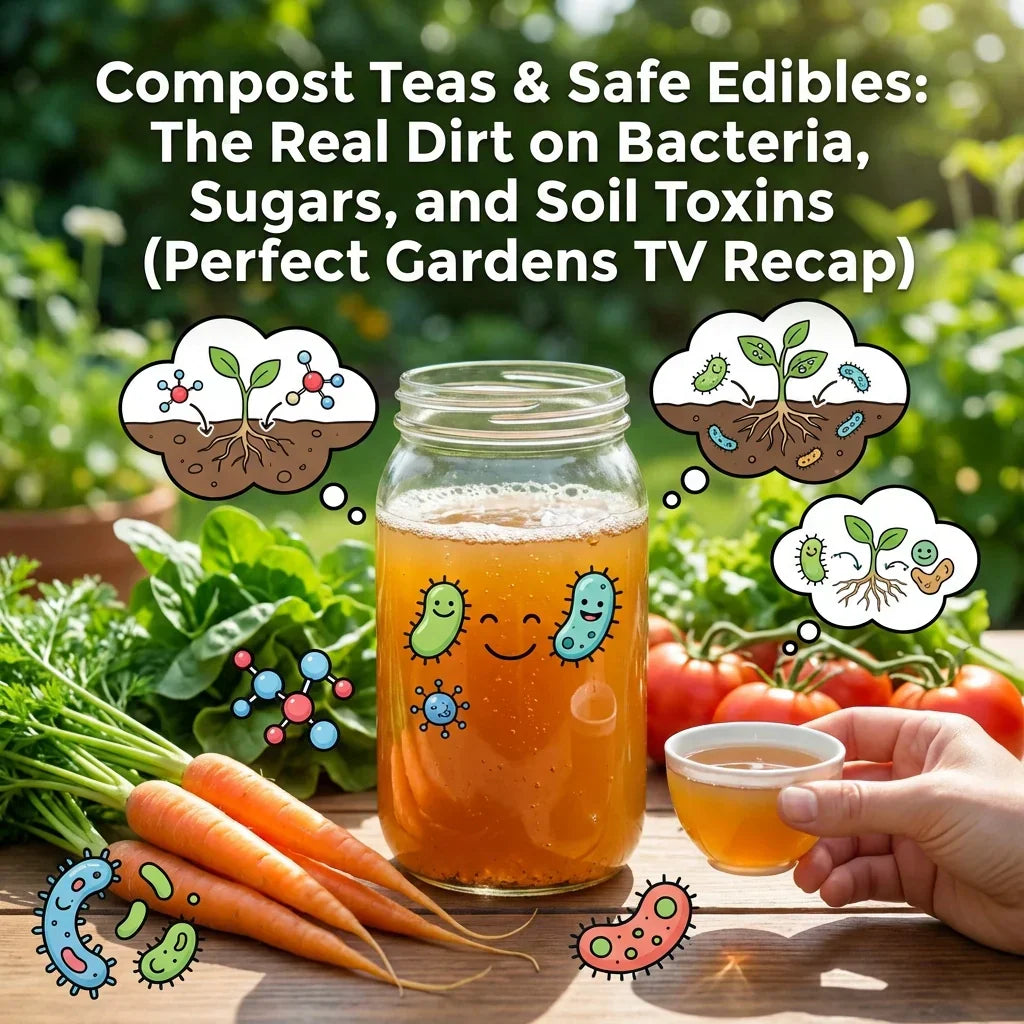
Growing your own edibles should give you peace of mind, not cause for concern. But when it comes to compost teas and soil amendments, there's more lurking beneath the surface than most home gardeners realize. Mark's latest Perfect Gardens TV episode dives deep into the hidden risks of compost teas, the science behind plant bioaccumulation, and why that innocent-looking sugar-heavy tea might be doing more harm than good to your lettuce and tomatoes.
Let's break down the real dirt on keeping your edible garden both productive and safe.
The Compost Tea Safety Problem Most Gardeners Ignore
Compost teas have gained massive popularity among organic gardeners, and for good reason. They're marketed as natural, beneficial, and a way to boost plant health without synthetic chemicals. But here's what the marketing materials don't tell you: not all compost teas are created equal, and some can actually introduce serious risks to your edible crops.
The fundamental issue lies in what goes into your compost pile and how those materials break down. Heavy metals, pathogens, and chemical residues don't magically disappear during composting: they concentrate. When you brew these materials into a tea and apply it directly to your soil, you're potentially delivering a cocktail of contaminants straight to your plant roots.

The Hidden Contaminant Problem
Most home composters mix grass clippings (often from chemically treated lawns), kitchen scraps (which may contain pesticide residues), and organic matter from unknown sources. During the brewing process, these contaminants become more bioavailable: meaning your plants can absorb them more easily.
This is particularly problematic for leafy greens like lettuce, spinach, and kale, which have a higher tendency to accumulate heavy metals in their tissues. What starts as a well-intentioned effort to feed your plants naturally can end up compromising the very safety you're trying to achieve.
How Plants Bioaccumulate Toxins: The Science You Need to Know
Plants are remarkably efficient at absorbing whatever's available in their soil environment: both the good and the bad. This process, called bioaccumulation, means that contaminants in your soil don't just stay put; they move up through the root system and into the parts of the plant you actually eat.
The Concentration Effect
Here's where it gets concerning: plants often concentrate certain toxins at levels higher than what exists in the surrounding soil. Lead, cadmium, and other heavy metals can accumulate in plant tissues at concentrations 10-100 times higher than soil levels. For edible crops, this creates a direct pathway for these contaminants to reach your dinner table.
Root vegetables like carrots and potatoes are particularly susceptible, as are leafy greens with their large surface area for absorption. Even worse, some of these contaminants are virtually impossible to wash off because they're incorporated into the plant's cellular structure.
Why Traditional Soil Testing Isn't Enough
Standard soil tests typically measure total heavy metal content, but they don't tell you how bioavailable these metals are to your plants. A soil might test "acceptable" for lead levels, but if that lead is in a form your plants can easily absorb, you still have a problem.
This is where understanding soil chemistry becomes crucial for edible gardening safety.
The Sugar Problem: Why Sweet Compost Teas Can Turn Sour
One of the most common mistakes in compost tea brewing is adding too much sugar or molasses to "feed the beneficial bacteria." While the intention is good, the execution often creates more problems than solutions.
Bacterial Imbalance and Pathogen Risk
Flooding your compost tea with sugar creates an environment where harmful bacteria can thrive alongside beneficial ones. The sugar doesn't discriminate: it feeds everything, including potential pathogens that could contaminate your edibles.
Worse yet, sugar-heavy teas can disrupt the natural bacterial balance in your soil. Beneficial soil microbes work in complex relationships with each other and with plant roots. When you flood the system with simple sugars, you can actually crowd out the beneficial organisms you're trying to promote.
The Anaerobic Problem
High sugar concentrations can also lead to anaerobic conditions in your compost tea, especially if the brewing process isn't properly aerated. Anaerobic decomposition produces compounds that are not just unpleasant-smelling but potentially harmful to both plants and soil biology.
These conditions favor the growth of harmful bacteria like E. coli and Salmonella, which can survive on plant surfaces and create serious food safety risks.
Understanding Bacteria and Enzyme Balance in Soil Biology
Healthy soil is like a thriving city: it needs the right balance of residents to function properly. Beneficial bacteria, enzymes, and other microorganisms work together in complex relationships that support plant health and nutrient uptake.
The Enzyme Connection
Soil enzymes are the workhorses that break down organic matter, making nutrients available to plants. But these enzymes are sensitive to changes in soil chemistry and can be disrupted by poorly made compost teas or contaminated amendments.
When enzyme activity is compromised, nutrient cycling slows down, and plants become more susceptible to stress and disease. This creates a cascade effect where your well-intentioned soil improvements actually weaken your plants' natural defenses.
Building Beneficial Microbial Communities
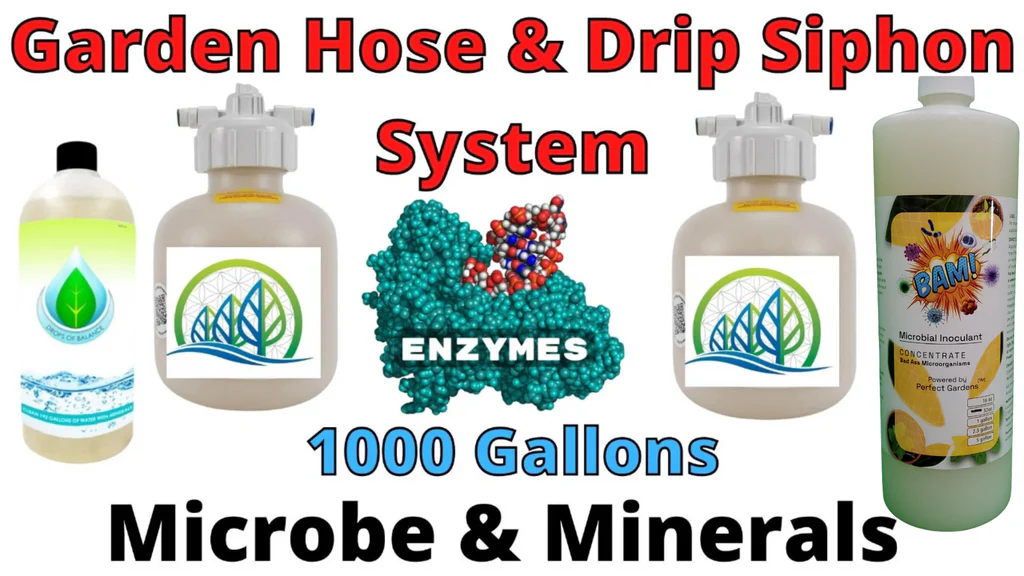
Instead of flooding soil with sugar-heavy teas, successful edible gardening requires building stable, diverse microbial communities. This means introducing beneficial bacteria and fungi in controlled ways, with proper ratios and without the contamination risks associated with homemade compost teas.
Professional-grade microbial inoculants offer a safer, more predictable way to enhance soil biology without the guesswork and risks of DIY brewing.
The Drops of Balance Solution: Neutralizing Heavy Metals and Toxins
This is where science-based soil management becomes essential for serious edible gardeners. Drops of Balance represents a targeted approach to soil contamination: instead of hoping your amendments don't introduce problems, you actively address existing contamination issues.

How Metal Chelation Works
Drops of Balance uses natural chelation to bind heavy metals and make them unavailable for plant uptake. This doesn't remove the metals from your soil entirely, but it essentially locks them up so they can't move into your plants' root systems.
The process works by providing organic molecules that have a stronger attraction to heavy metals than plant roots do. When metals bind to these chelating agents, they form stable complexes that plants can't absorb.
Beyond Heavy Metals: Water Quality and Nutrient Balance
The product also addresses water quality issues that can compound contamination problems. Hard water, chlorine, and other common water contaminants can stress plants and make them more susceptible to absorbing toxins from soil.
By optimizing water quality and providing essential trace minerals in proper ratios, Drops of Balance creates an environment where plants can thrive without the elevated contamination risks.
Safe Practices for Edible Garden Soil Management
Moving beyond the problems, let's focus on solutions that actually work for home growers who want both safety and productivity.
Professional-Grade Microbial Inoculants
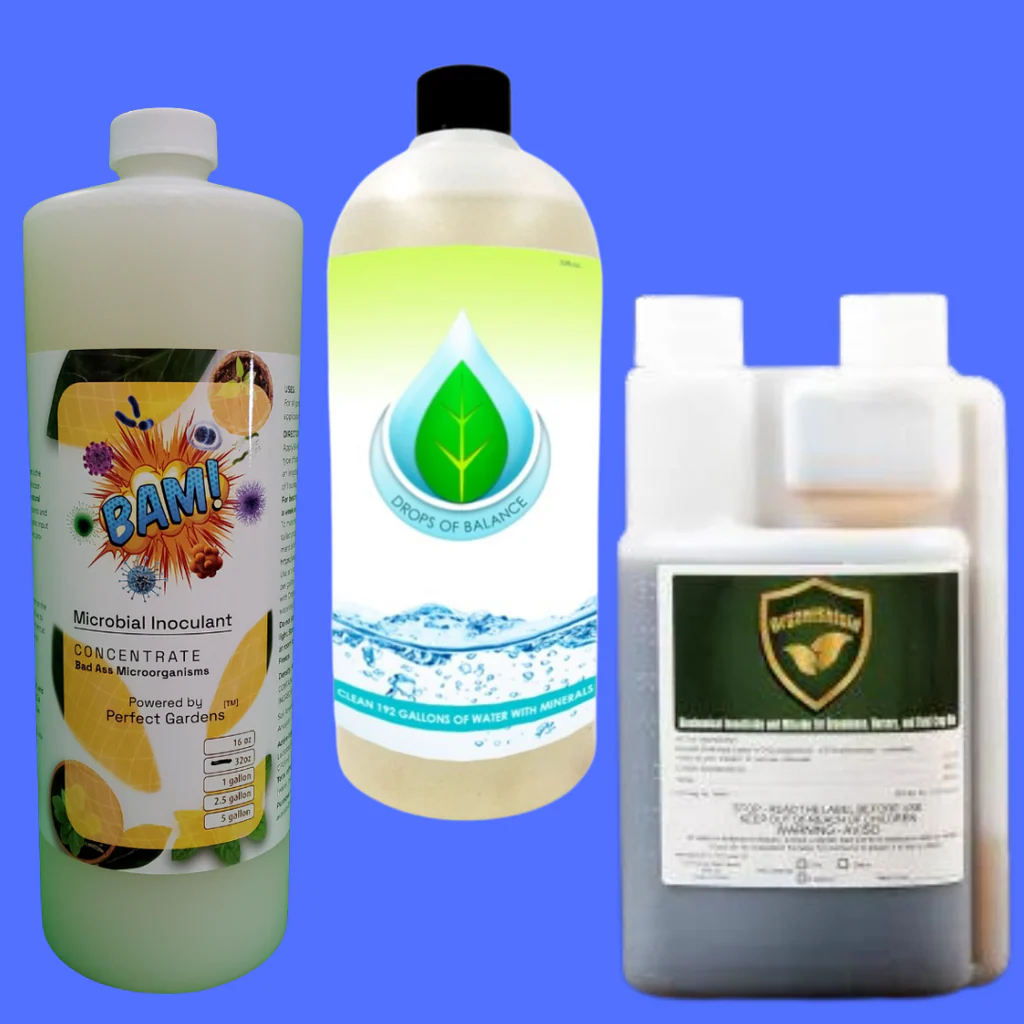
Instead of risky homemade compost teas, consider professional microbial products like BAM (Beneficial Active Microbes). These products provide known quantities of beneficial bacteria and fungi without the contamination risks associated with unknown compost sources.
The Testing and Monitoring Approach
Regular soil testing should include both chemical analysis and biological activity measurements. This gives you a complete picture of what's happening in your growing environment and allows you to make informed decisions about amendments and treatments.
Pay particular attention to pH levels, organic matter content, and heavy metal concentrations. These baseline measurements help you track improvements over time and identify potential problems before they affect your crops.
Integrated Soil Management
The most effective approach combines multiple strategies: contamination prevention, active remediation where needed, and ongoing biological enhancement. This might include:
- Source control: Using only known-clean organic matter and amendments
- Active remediation: Products like Drops of Balance for existing contamination
- Biological enhancement: Professional microbial inoculants for soil health
- Ongoing monitoring: Regular testing to track progress and identify issues
Building Your Safe Edible Garden System
For home gardeners ready to move beyond guesswork and into science-based growing, consider starting with a comprehensive approach that addresses both soil biology and contamination concerns.
The Nutrient and Microbial Inoculant Kit provides everything needed for a systematic approach: Drops of Balance for contamination control, BAM Microbial Inoculant for soil biology, and supporting products for comprehensive soil health.
This integrated approach costs more upfront than mixing your own compost teas, but it eliminates the guesswork and risk factors that can compromise both plant health and food safety.
Starting Small and Scaling Up
Begin with your most important edible crops: the ones your family eats most frequently. Apply the integrated approach to these priority areas first, then expand as you see results and gain confidence with the system.
Document your results with both plant performance metrics and periodic soil testing. This creates a feedback loop that helps you fine-tune your approach and demonstrates the value of investing in soil health.
The reality is that growing safe, productive edibles requires more than good intentions and organic materials. It requires understanding the science behind soil biology, contamination risks, and plant nutrition. By moving beyond risky DIY approaches and toward proven, professional-grade solutions, you can create an edible garden that delivers both peace of mind and exceptional harvests.
Your family's health is worth the investment in getting soil management right from the start.


Leave a comment
This site is protected by hCaptcha and the hCaptcha Privacy Policy and Terms of Service apply.