

If you had walked into my grow room five years ago, you would have seen a man on the edge of a nervous breakdown. I was standing over a 50-gallon reservoir with a digital pH pen in one hand, a bottle of pH Down in the other, and a look of pure desperation on my face.
At that time, I was a self-proclaimed "hydroponic nerd." I lived by the numbers. If my pH wasn't exactly 5.8, I felt like the world was ending. I spent more time calibrating my equipment than I did actually looking at my plants. I thought that by controlling every single chemical variable, I was being a "master grower."
The reality? My plants were stressed, I was exhausted, and one small slip-up with a nutrient dose would send my entire system into a tailspin. I was chasing a moving target, and I was losing.
Then, everything changed. I stopped treating my hydroponics system like a sterile laboratory and started treating it like an ecosystem. I stopped chasing the "perfect" pH number and started chasing the microbes.
The Problem with the "Sterile" Mindset
For decades, the standard advice in hydroponics was to keep everything sterile. The idea was that if you killed off all the bacteria, you’d prevent root rot and have total control over nutrient uptake.
The problem with a sterile system is that it has zero "buffer." In a sterile environment, the pH is incredibly volatile. Without the presence of organic life to help regulate the environment, every time your plants drink water or take up a specific mineral, the pH swings wildly. You become a slave to the reservoir, constantly adding acids or bases to keep the numbers in range.
It’s like trying to balance a pencil on its tip. It’s possible, but it takes constant effort, and the second you look away, it falls over.
The Turning Point: Discovering the "Wood Wide Web"
I started reading about soil biology and how plants grow in nature. In the wild, there isn't a guy with a pH pen running around the forest floor. Yet, the plants are massive, healthy, and resilient. How?
The answer is the "Wood Wide Web", a massive, invisible network of beneficial bacteria and fungi that live in the root zone. These microbes don't just sit there; they are active participants in the plant's life. They break down nutrients, protect the roots from pathogens, and, crucially for us indoor growers, they act as a biological buffer for pH.
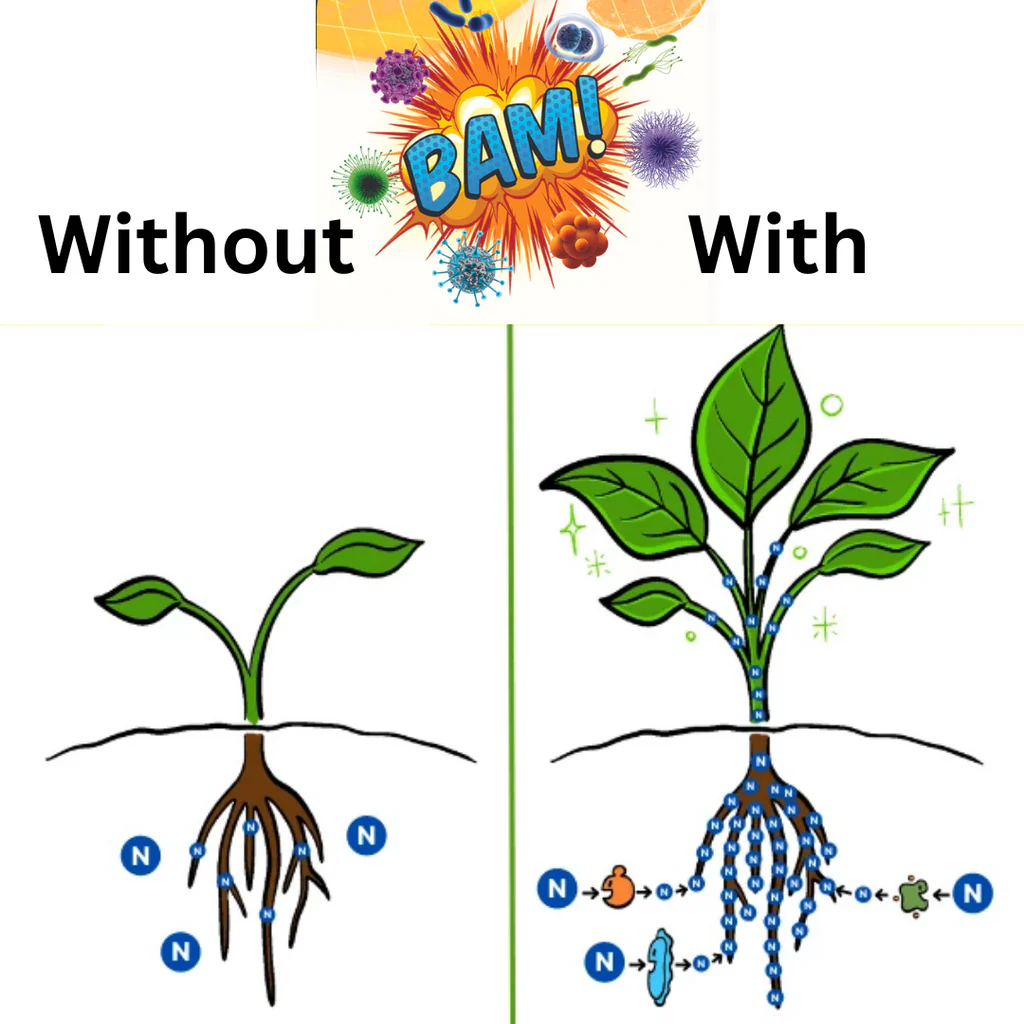
When I finally introduced beneficial microbes into my system, the "rollercoaster" stopped. The pH still moved, but it didn't "crash." The plants looked more vibrant, and for the first time in years, I actually enjoyed going into my grow room.
Why Microbes are the Ultimate "Cheat Code"
If you are still stuck in the "chemical-only" mindset, here is why you need to consider the biological approach.
1. Increased Nutrient Bioavailability
Plants can be picky eaters. Just because you put nitrogen or phosphorus into the water doesn't mean the plant can actually "see" it or absorb it. Beneficial microbes like Mycorrhizae act as an extension of the root system. They reach out into the water or substrate, grab the nutrients, and "hand-feed" them to the plant in a form the plant can easily use.
2. The pH Safety Net
While the "ideal" range for most hydro crops is 5.5 to 6.5, microbes help the plant thrive even when you wander outside those lines. Because the microbes are facilitating the nutrient exchange, the plant becomes less dependent on the exact chemical state of the water. They create a "micro-environment" around the roots that stays stable even if the main reservoir is acting up.
3. Disease Suppression
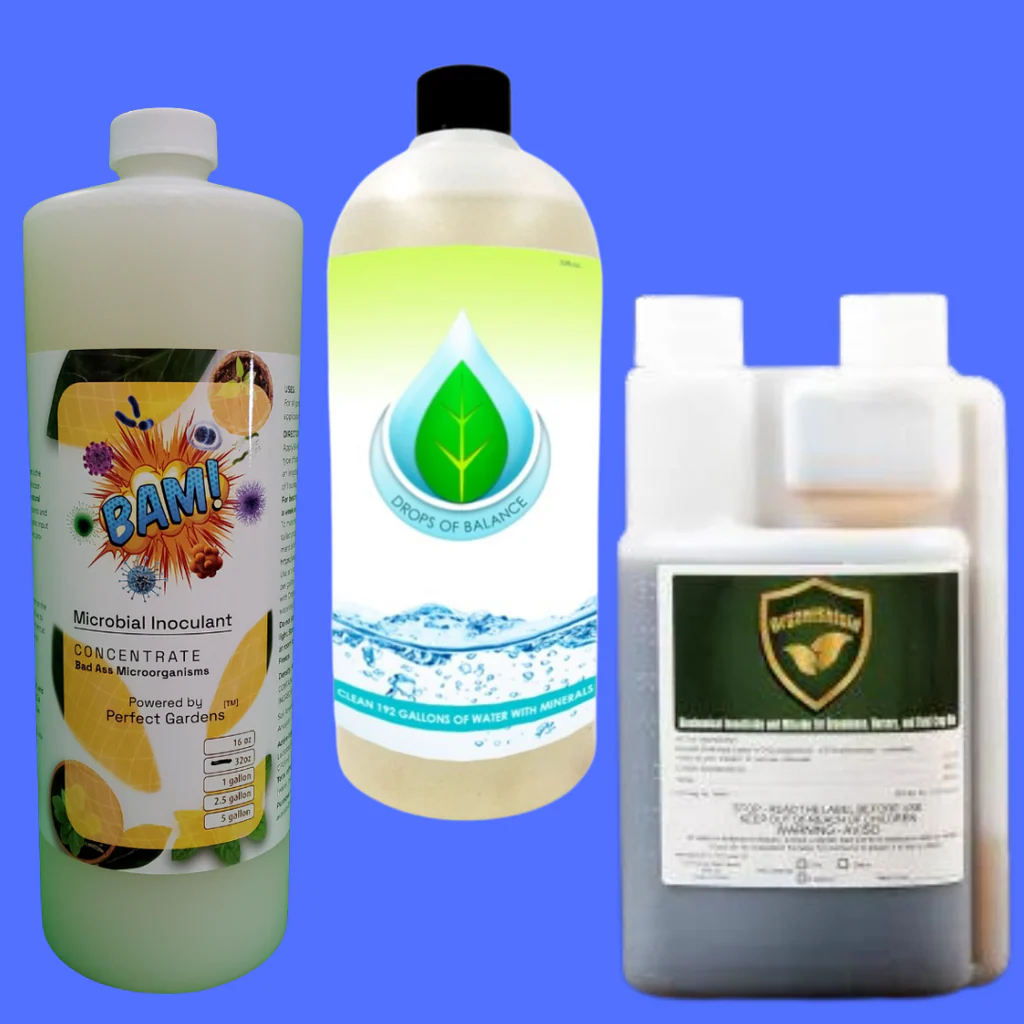
In a sterile system, the first "bad" bacteria that enters the tank wins. It’s like an empty house; anyone can walk in and squat. By using a product like BAM! Microbial Inoculant, you are essentially filling that "house" with a private security team. The beneficial bacteria occupy the space and consume the resources, leaving no room for pathogens like Pythium (root rot) to take hold.
Meet the "Big Three" of My Grow Room
Transitioning from a chemical nerd to a microbial nerd meant I had to change my toolkit. I stopped buying gallons of pH adjusters and started investing in high-quality inoculants. If you want to make the switch, these are the three I swear by:
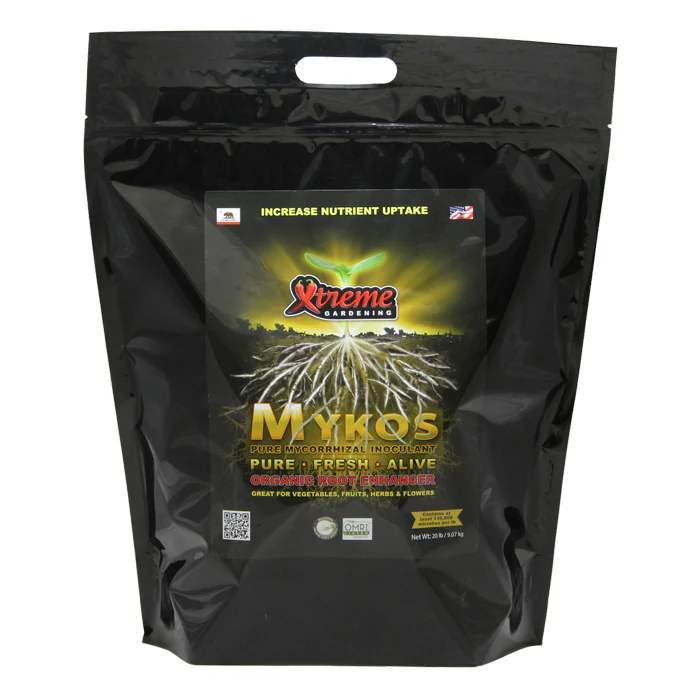
- Xtreme Gardening Mykos: This is a pure mycorrhizal inoculant. It’s all about the roots. It helps the plant develop a massive, fuzzy root system that can handle much more stress than a standard "naked" root.
- Xtreme Gardening Azos: These are nitrogen-fixing bacteria. They take nitrogen from the environment and turn it into a form the plant can use, which is especially helpful during the vegetative stage for explosive growth.
- BAM! (Beneficial Ancient Microbes): This is my "all-in-one" solution. It contains a diverse range of beneficial bacteria and fungi that work together to keep the system clean and the plants happy.
Does pH Matter at All Anymore?
Now, I don't want to mislead you. I haven't thrown my pH pen in the trash. As our research indicates, pH still matters because it dictates the basic solubility of minerals. If your pH hits 8.5, even the best microbes in the world will struggle to get iron into the plant.
The difference is my philosophy.
Instead of trying to force the pH to be exactly 5.8 every single day, I aim for a "zone." If it’s between 5.7 and 6.3, and my microbes are healthy, I leave it alone. I trust the biology to do the heavy lifting. This "lazy" approach has actually resulted in higher yields and better terpene profiles than my "obsessive" approach ever did.
How to Make the Switch Without Breaking Your System
If you’re currently running a standard chemical salt program, you can’t just dump microbes in and expect magic. You have to create an environment where they can actually live.
Step 1: Check Your Water Quality
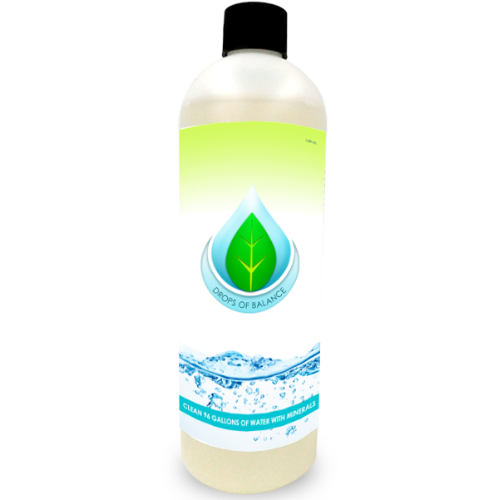
Before adding life, you need to make sure your water isn't toxic to that life. Tap water is often full of chlorine or chloramine, which is designed to kill bacteria. I recommend using Drops of Balance to help mineralize and clean up your water source before adding your microbes.
Step 2: Choose "Microbe-Friendly" Nutrients
Some heavy chemical nutrients are very "hot" (high salt index), which can shrivel up your beneficial fungi. Look for plant nutrient packages that are designed to work alongside biology. Organic-mineral hybrids are often the "sweet spot" for hydroponic growers moving toward microbes.
Step 3: Stop Over-Adjusting
This is the hardest part for the nerds out there. When you see the pH move slightly, resist the urge to "correct" it immediately with harsh acids. Give the microbes a chance to stabilize the environment. You’ll be surprised at how often the pH will drift up and then naturally settle back down once the biological activity kicks in.
A More Resilient Future
The greatest benefit of "chasing microbes" isn't just the plant health: it's the peace of mind.
When you focus on biology, your grow becomes more resilient. If your power goes out for a few hours, or if you get busy and can't check your reservoir for two days, the microbes act as a buffer that protects your plants from disaster.
If you're tired of the "pH rollercoaster" and want to get back to the joy of growing, I highly recommend checking out some grow help resources or diving into the world of microbial inoculants.
At the end of the day, we aren't really growing plants; we are growing the "life" that grows the plants. Once you get the biology right, everything else just falls into place.
Are you ready to stop being a "chemist" and start being a "biologist"? Your plants (and your stress levels) will thank you. If you need help picking out the right starter kit, check out our nutrients and microbial inoculant kits to get your ecosystem started on the right foot.



Leave a comment
This site is protected by hCaptcha and the hCaptcha Privacy Policy and Terms of Service apply.