
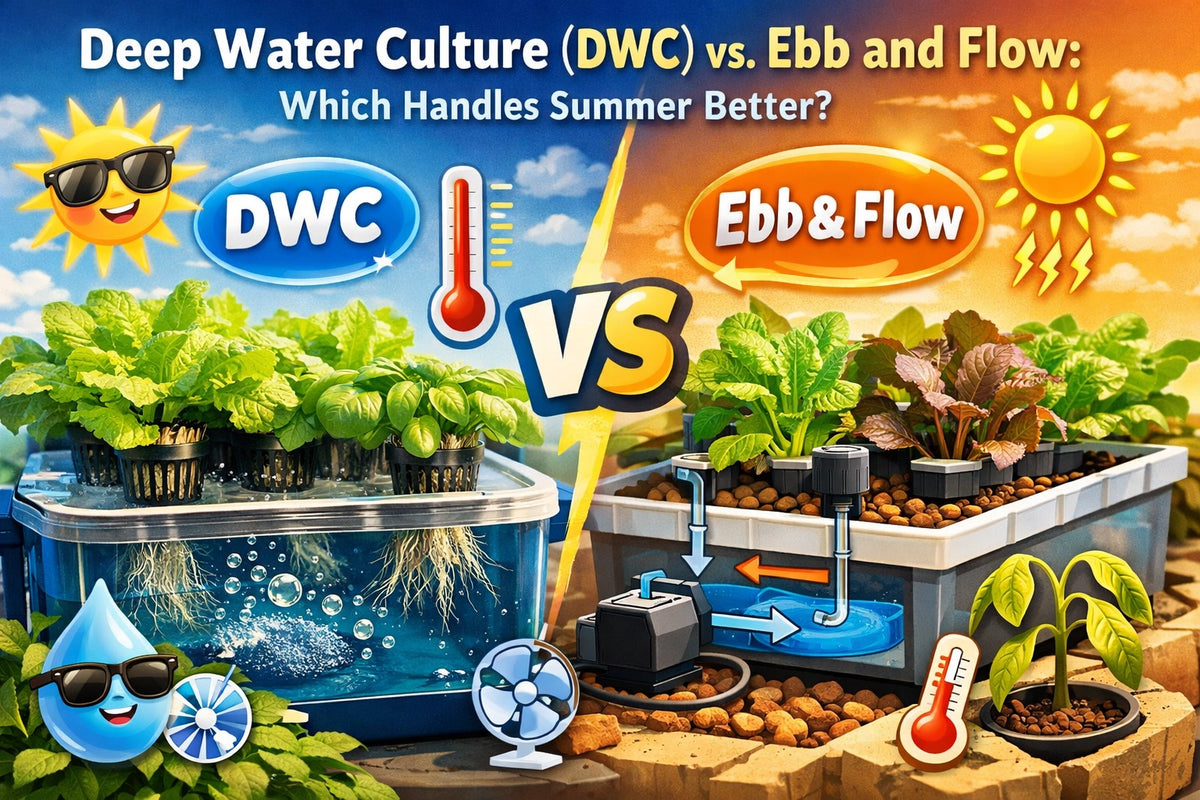
It’s May, and if you’ve been growing indoors or in a greenhouse for a while, you know what’s coming. The "honeymoon phase" of spring is ending, and the real heat is about to settle in. While we’re all excited for the summer sun, your hydroponic system might be feeling a little less enthusiastic.
As the temperature climbs, the margin for error in your grow room shrinks. One of the most common questions we get this time of year at Perfect Gardens is: "Which system is going to survive the summer heat better, Deep Water Culture (DWC) or Ebb and Flow?"
The fact of the matter is that heat changes the chemistry of your water. It’s not just about the plants "sweating"; it’s about oxygen, pathogens, and nutrient stability. Today, we’re going to break down the technical differences between these two heavyweights and see which one holds the crown for summer performance.
The Science of Summer: Dissolved Oxygen (DO)
Before we pick a winner, we have to talk about the "invisible" enemy of summer growing: Dissolved Oxygen (DO).
In any hydroponic system, your roots need oxygen to breathe. In soil, air pockets provide this. In hydro, the oxygen must be dissolved in the water. Here’s the kicker: cold water holds significantly more oxygen than warm water.
When your reservoir temperature hits 75°F (24°C) or higher, the water’s ability to hold onto oxygen plummets. This creates a "suffocation" effect. At the same time, harmful pathogens like Pythium (root rot) thrive in warm, low-oxygen environments. This is the "perfect storm" that ruins summer harvests.
Deep Water Culture (DWC): The High-Octane High-Risk Choice
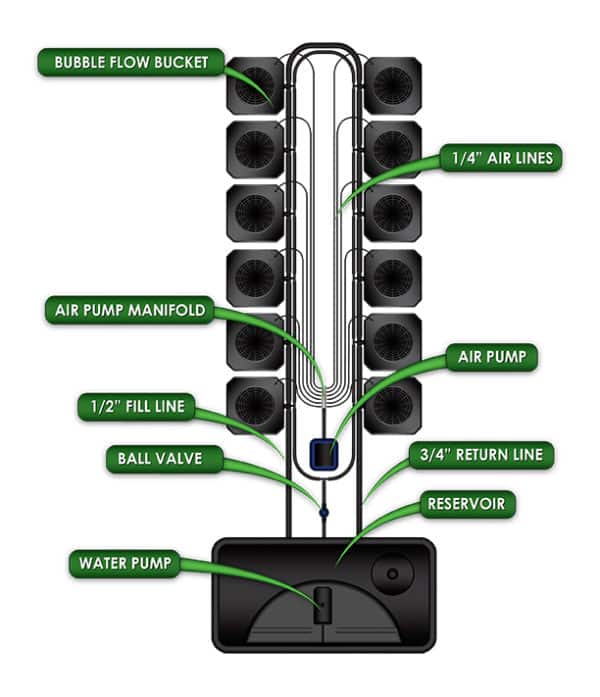
DWC is the Formula 1 of hydroponics. Your plants sit in a net pot, and the roots hang directly into a highly oxygenated nutrient solution. When it’s working well, the growth rates are explosive because the plants have 24/7 access to water, food, and air.
The DWC Summer Struggle
The main issue with DWC in the summer is that the roots are always submerged. If the water in that bucket gets warm, the roots have no escape. Since most DWC setups involve individual buckets or a shared reservoir that stays relatively stagnant, the water can act like a heat sink.
- Thermal Mass: A 5-gallon bucket of water takes a long time to heat up, but once it’s hot, it stays hot.
- Pump Heat: The air pumps used to create bubbles in DWC actually pump ambient air into the water. If your grow room air is 85°F, you are literally pumping 85°F heat directly into your root zone.
- Pathogen Playground: Because DWC is a "wet" system, if root rot takes hold in one bucket, it can spread rapidly across the entire system.
If you are committed to DWC this summer, you almost certainly need a water chiller. Without one, you’re playing a dangerous game with your plant's life.
Ebb and Flow: The Summer Workhorse?
Ebb and Flow (also known as Flood and Drain) works by periodically flooding a tray with nutrient solution and then letting it drain back into a reservoir.
Why Ebb and Flow Handles Heat Better
Many professional growers switch to or prefer Ebb and Flow during the warmer months for a few key reasons:
- The "Breath of Fresh Air": Between flood cycles, the roots aren't sitting in stagnant water. As the water drains away, it pulls fresh, oxygen-rich air down into the grow medium (like expanded clay pebbles or rockwool). Even if the water is a bit warm, the roots get a massive hit of atmospheric oxygen during the "drain" phase.
- Reservoir Isolation: In an Ebb and Flow setup, your reservoir is usually kept on the floor or even outside the grow tent. Since heat rises, the floor is the coolest place in the room. You can also easily insulate a standalone reservoir or drop in frozen water bottles to keep temps down without disturbing the plants.
- Evaporative Cooling: As the water drains over the grow media, a small amount of evaporation occurs, which can actually provide a slight cooling effect to the root zone.

Technical Comparison: Heat Resilience
| Feature | Deep Water Culture (DWC) | Ebb and Flow |
|---|---|---|
| Oxygen Delivery | Dependent on air stones/DO levels | Pulls air into roots during drain cycle |
| Water Temp Sensitivity | Extremely High | Moderate |
| Root Rot Risk | High in heat | Lower (roots can dry slightly) |
| Ease of Cooling | Difficult (needs chillers) | Easier (reservoir is separate) |
| Maintenance | High (pH/EC drifts faster) | Moderate |
How to Heat-Proof Your Hydro System (Regardless of Type)
Whether you choose DWC or Ebb and Flow, May is the time to implement "Summer Defense" protocols. You don't want to wait until your leaves are drooping and your roots are brown to take action.
1. Beneficial Microbes are Non-Negotiable
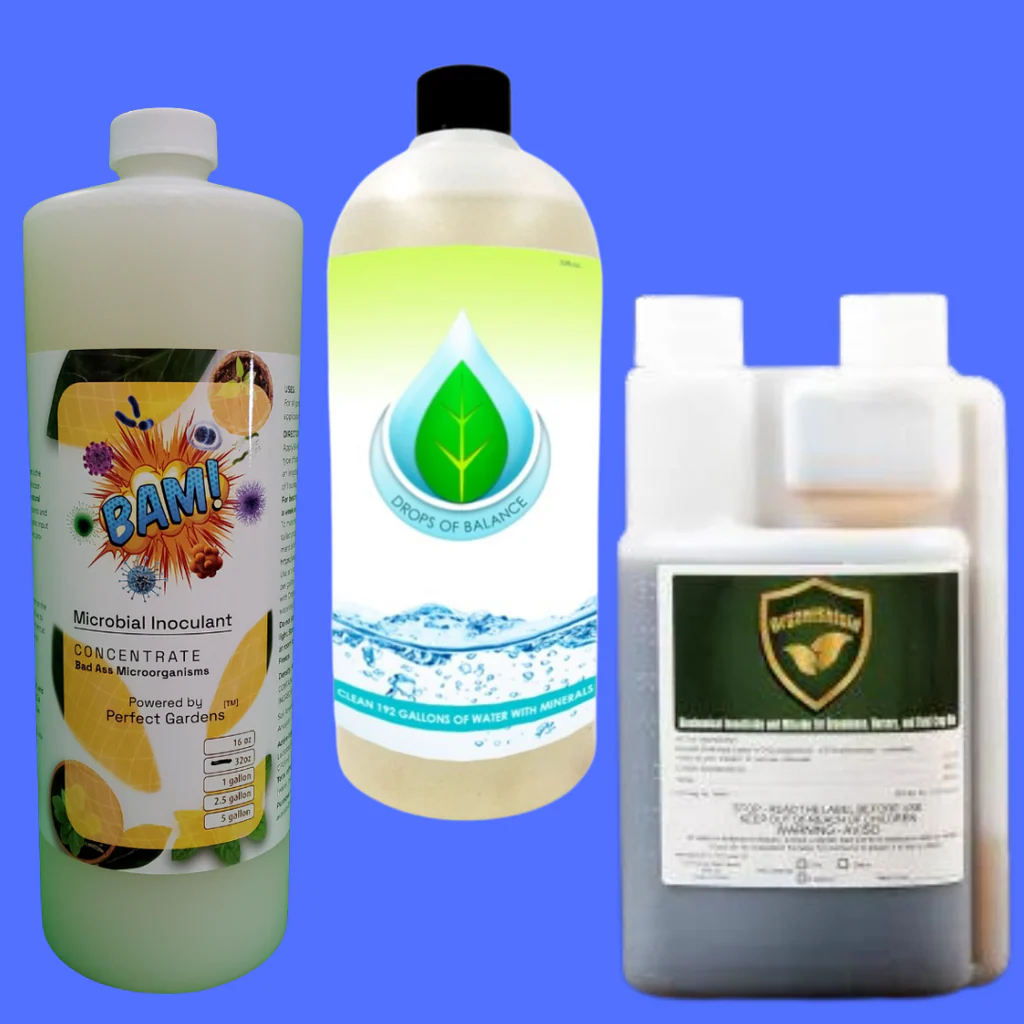
In the summer, you aren't just growing plants; you're managing a microbial war zone. You want the "good guys" to occupy the space so the "bad guys" can't move in. Using a high-quality microbial inoculant like BAM! is your best insurance policy against root rot.
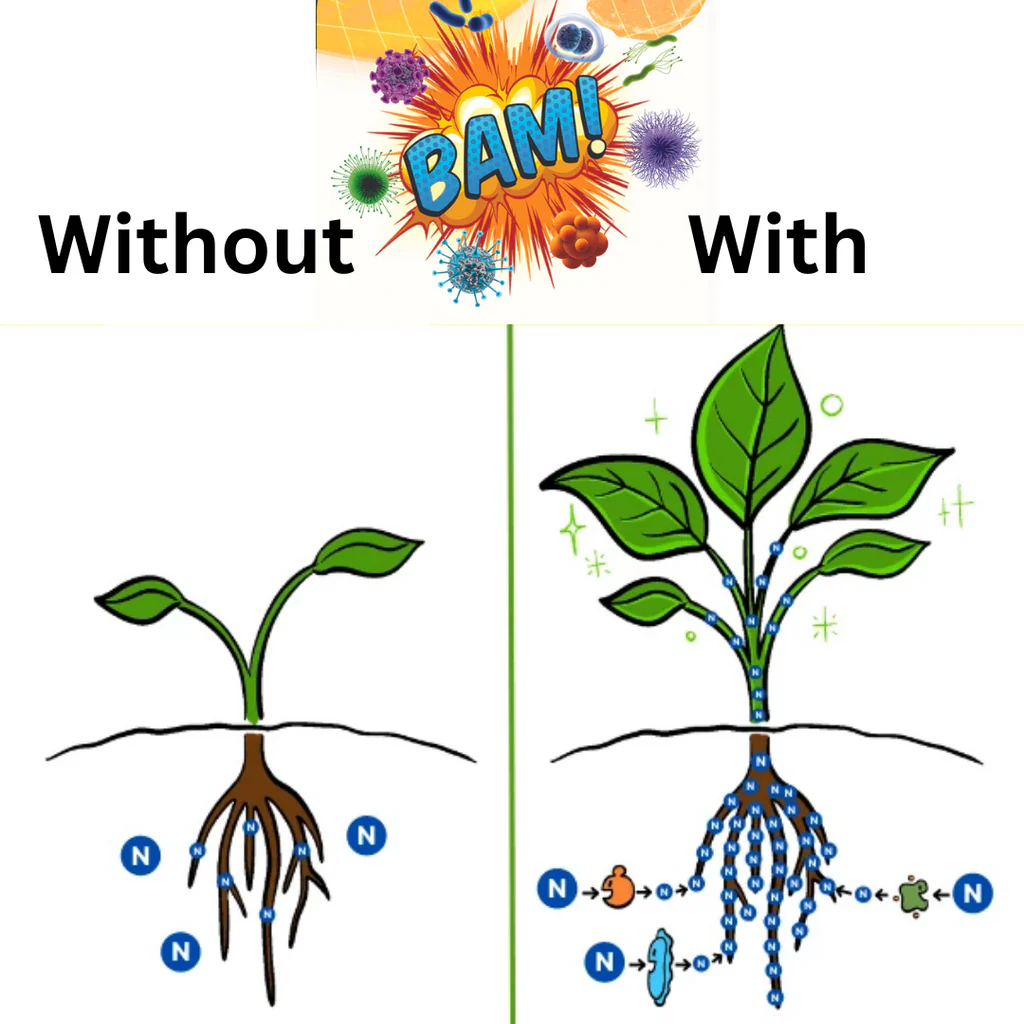
BAM! (Beneficial Adaptive Microbes) helps plants increase nutrient uptake even when they are stressed by heat. When temperatures rise, the plant's metabolism speeds up, but its ability to process nutrients can falter. Beneficial microbes bridge that gap.
2. Mineral Balance and Water Quality
Summer heat causes plants to drink more water through transpiration. As they drink more water, the nutrient concentration (EC) in your reservoir can spike, leading to nutrient burn. We recommend using Drops of Balance to ensure your water is mineralized and stable, preventing the wild pH swings common in the summer.

3. Switch to LEDs
If you are still running HPS lights in May, your AC bill is about to hurt. HPS lights emit massive amounts of infrared heat that beats down directly on your buckets or trays. Switching to LED grow lights can drop your ambient room temperature by 5-10 degrees instantly. This can be the difference between a reservoir at 72°F and one at 82°F.
The Verdict: Which System Wins?
If we have to pick a winner for the "Summer Survival" award, Ebb and Flow takes the trophy.
Its ability to provide atmospheric oxygen to the roots during the drain cycle makes it much more forgiving when water temperatures rise. It is also significantly easier and cheaper to keep a separate Ebb and Flow reservoir cool than it is to cool individual DWC buckets.
However, if you are a "DWC or Die" grower, it’s not impossible. You just have to be more diligent. You need to keep those buckets insulated: using something like Black and White Panda Film to reflect light and heat away from your buckets is a pro move.
Final Thoughts for Your May Garden
As we move deeper into the month, keep a close eye on your root health. Lift those lids! If your roots aren't bright white and smelling like fresh earth, you need to act fast.
The fact of the matter is that nature wants to move toward decay when it gets hot and wet. Your job as a grower is to provide the oxygen and the beneficial biology to keep the life cycle moving in the right direction.
Whether you’re flooding a tray or bubbling a bucket, remember: Cold water, clean nutrients, and happy microbes make for a successful summer harvest.
Need help dialling in your summer nutrient schedule? Check out our Grow Help section or grab a complete system that fits your space!



Leave a comment
This site is protected by hCaptcha and the hCaptcha Privacy Policy and Terms of Service apply.