
Blog
Fabric Grow Pots Vs. Plastic: Which Is Better For Your Plant's Root Health?
When most growers start their indoor or outdoor garden, they spend a massive amount of time researching the best grow lights, the perfect nutrient schedule, and the most exotic genetics. However, one of the most overlooked components of a successful harvest is the container that actually holds the plant.
The container is the "house" for your plant's root system. If the house is poorly ventilated or too cramped, the roots suffer, and if the roots suffer, the entire plant’s growth is stunted. The debate between traditional plastic pots and modern fabric grow pots has been raging for years. While plastic has been the industry standard for decades, fabric pots have become the go-to for professional organic and hydroponic growers.
In this guide, we’re going to break down the science of root health, how these two container types affect plant development, and which one you should ultimately choose for your specific setup.
The Anatomy of a Healthy Root System
Before choosing a pot, you need to understand what a healthy root system actually looks like. Ideally, you want a dense, fibrous root ball with thousands of tiny "feeder roots." These feeder roots are responsible for the vast majority of water and nutrient uptake.
In a natural environment (the ground), roots grow outward and downward without obstruction. In a container, they eventually hit a wall. How the roots react when they hit that wall determines the health of the plant.
Plastic Pots: The Traditional Choice
Plastic pots are ubiquitous. They are cheap, durable, and come in every size imaginable. From the plastic seedling starter trays used for propagation to the heavy-duty buckets used in hydroponic systems, they have a clear place in gardening.
The Benefits of Plastic
- Moisture Retention: Plastic is non-porous. This means water can only escape through the drainage holes at the bottom or through evaporation from the top surface. For growers who can’t water their plants every day, plastic provides a safety net.
- Durability: A high-quality plastic pot can last for a decade or more. They are easy to bleach, scrub, and reuse season after season.
- Cost-Effective: If you are running a large-scale operation, the price difference between hundreds of plastic pots and fabric pots adds up quickly.
The Problem: Root Circling (Girdling)
The biggest drawback to plastic is that it is an impenetrable barrier. When a root hit the smooth side of a plastic pot, it cannot go through it, so it turns. It continues to grow along the wall, eventually spiraling around the inner circumference of the pot.
This is known as being "root-bound." These thick, woody roots provide very little nutrient uptake and can actually begin to "strangle" the plant, limiting the flow of water and nutrients to the canopy.

Fabric Pots: The Breathable Evolution
Fabric pots (often called "Smart Pots" or "Air Pots") are made from breathable, geotextile materials. They were designed specifically to solve the root-bound issues associated with plastic containers.
The Magic of Air Pruning
The primary advantage of fabric pots is a process called Air Pruning. When a root tip reaches the side of a fabric pot, it passes through the weave and encounters the air outside. Since the air is much drier than the soil, the root tip naturally dehydrates and dies off.
While this sounds bad, it’s actually a massive benefit. This "pruning" signals the plant to send out new, lateral feeder roots from the center of the root ball. Instead of a few long roots circling the pot, you end up with a massive, dense web of highly efficient feeder roots.
Temperature Control and Aeration
Fabric pots allow for 360-degree aeration. Oxygen can reach the root zone from all sides, not just the top inch of soil. This is vital because roots need oxygen to perform cellular respiration: the process of turning sugars into energy.
Furthermore, fabric pots help regulate temperature. In the heat of the summer, a black plastic pot can act like an oven, baking the roots and causing heat stress. Fabric pots allow for evaporative cooling; as moisture evaporates through the sides of the pot, it pulls heat away from the root zone.

Comparing Heat and Drainage
The fact of the matter is that most root issues stem from two things: lack of oxygen and improper temperature.
- In Plastic Pots: If you overwater, the water sits at the bottom of the pot. Because the sides are sealed, the only way for the soil to dry out is through the bottom holes or the plant "drinking" the water. This often leads to anaerobic conditions and root rot.
- In Fabric Pots: It is almost impossible to overwater a fabric pot. The water naturally leaches through the sides. While this is great for root health, it does mean you’ll be watering more frequently.
For those using raised beds indoors, products like the Grassroots fabric raised bed combine the benefits of fabric with a moisture-retaining liner to prevent the soil from drying out too fast, offering a middle ground for serious growers.

The Trade-Offs: What No One Tells You
While fabric pots are generally better for plant health, they aren't perfect. There are real-world logistical challenges you need to consider.
- Watering Frequency: Because fabric pots breathe, they dry out significantly faster than plastic. In a high-heat environment, you might find yourself watering twice as often. This makes automation, such as smart gardening tools, almost a necessity.
- Nutrient Leaching: As water moves through the sides of the fabric, it can carry nutrients with it. You may see a white, crusty buildup on the outside of your fabric pots. This is salt buildup from your nutrients. You’ll need to monitor your runoff and potentially adjust your nutrient packages to compensate.
- Cleanliness: Fabric pots get messy. They can develop algae or salt stains, and they aren't as easy to clean as a plastic bucket. Most growers end up throwing them in a washing machine with some vinegar or peroxide between grows.
Maximizing Root Health in Any Container
Regardless of whether you choose fabric or plastic, the "biology" of your soil is what truly determines success. To get the most out of your root zone, you should be using microbial inoculants.
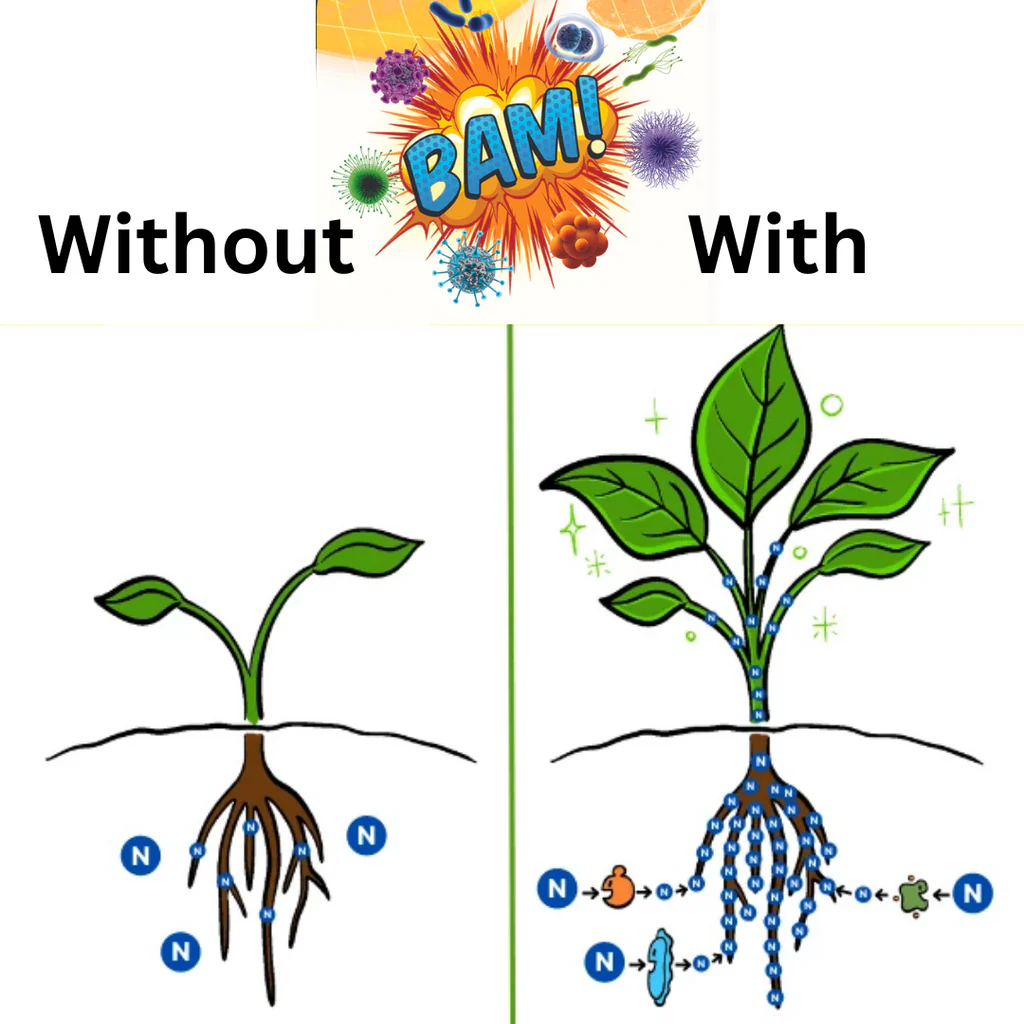
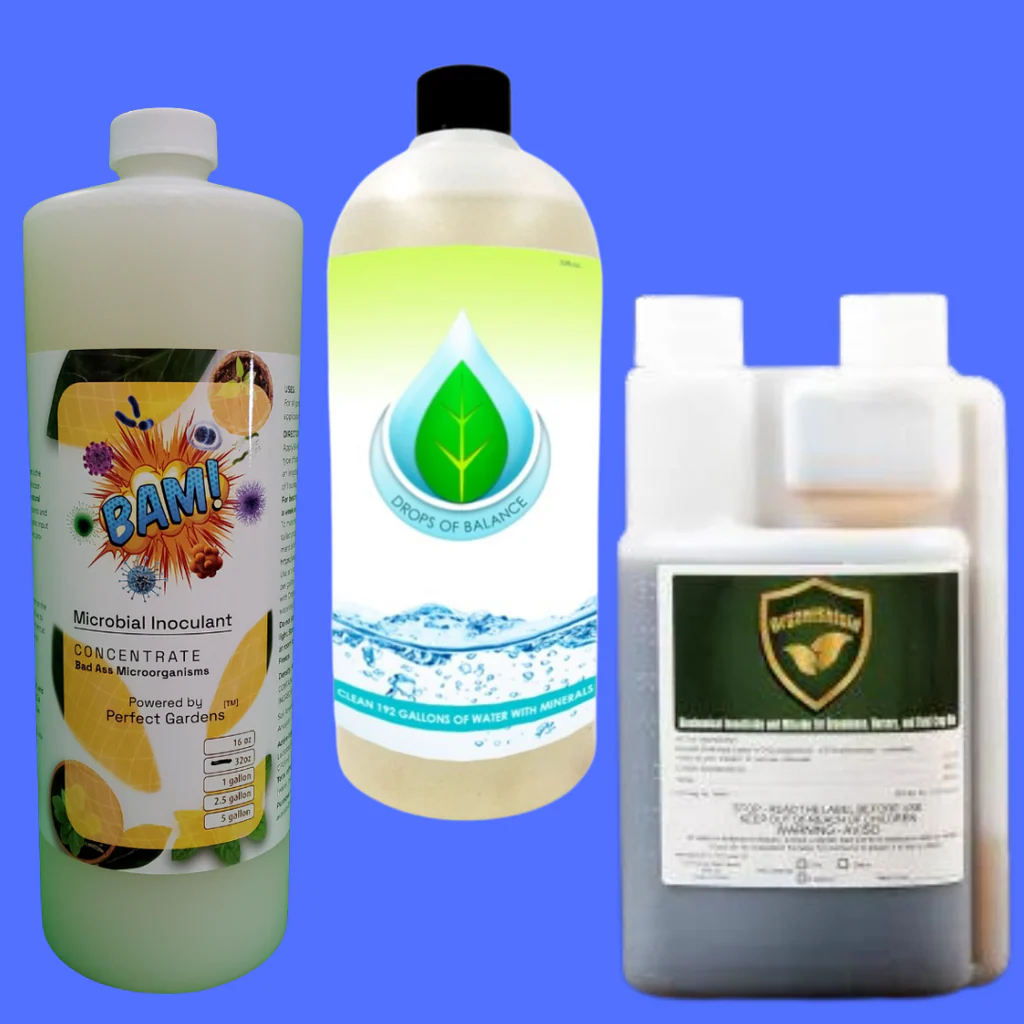
When you use a product like BAM! Microbial Inoculant, you are introducing beneficial bacteria that work in symbiosis with the roots. In a fabric pot, where oxygen is high, these microbes thrive, further increasing nutrient uptake and protecting the plant from pathogens.
If you are sticking with plastic (perhaps for a DWC hydroponic setup), using a pure mycorrhizal inoculant like Xtreme Gardening Mykos is essential to help the roots expand their surface area since they won't have the benefit of air pruning.
Which One Should You Choose?
Choose Plastic Pots if:
- You are a beginner who might forget to water your plants for a few days.
- You are starting seeds or clones (roots don't have time to circle in the early stages).
- You are running a Deep Water Culture (DWC) or specialized hydroponic setup.
- Budget is your absolute primary concern.
Choose Fabric Grow Pots if:
- You want the fastest growth rates and highest yields possible.
- You are growing long-term plants (peppers, tomatoes, or large indoor shrubs) that are prone to becoming root-bound.
- You live in a hot climate where root temperature is a struggle.
- You are an organic grower looking to maximize the "living" potential of your soil.
Final Thoughts
The transition from plastic to fabric is one of the easiest "upgrades" a grower can make. While it requires a bit more attention to your watering schedule, the trade-off in plant vigor and root health is undeniable. By preventing root circling and increasing oxygen delivery, you are giving your plants the foundation they need to reach their full genetic potential.
If you're ready to start your next grow, check out our full selection of grow essentials and see how the right container can change your harvest.