
So, you’ve decided to take the plunge into hydroponics. Maybe you’re tired of dealing with soil-borne pests, or perhaps you’re just looking for faster growth rates and bigger yields in a small indoor space. Whatever the reason, transitioning from traditional dirt-gardening to a water-based system is an exciting move.
However, the world of hydroponics can feel a bit like a high school chemistry lab gone wild. There are pumps, tubes, meters, and solutions that sound more like rocket fuel than plant food. It’s easy to get overwhelmed by the technical jargon and the endless equipment options. Before you go out and spend your hard-earned cash on a complex setup, there are a few fundamental things you need to understand.
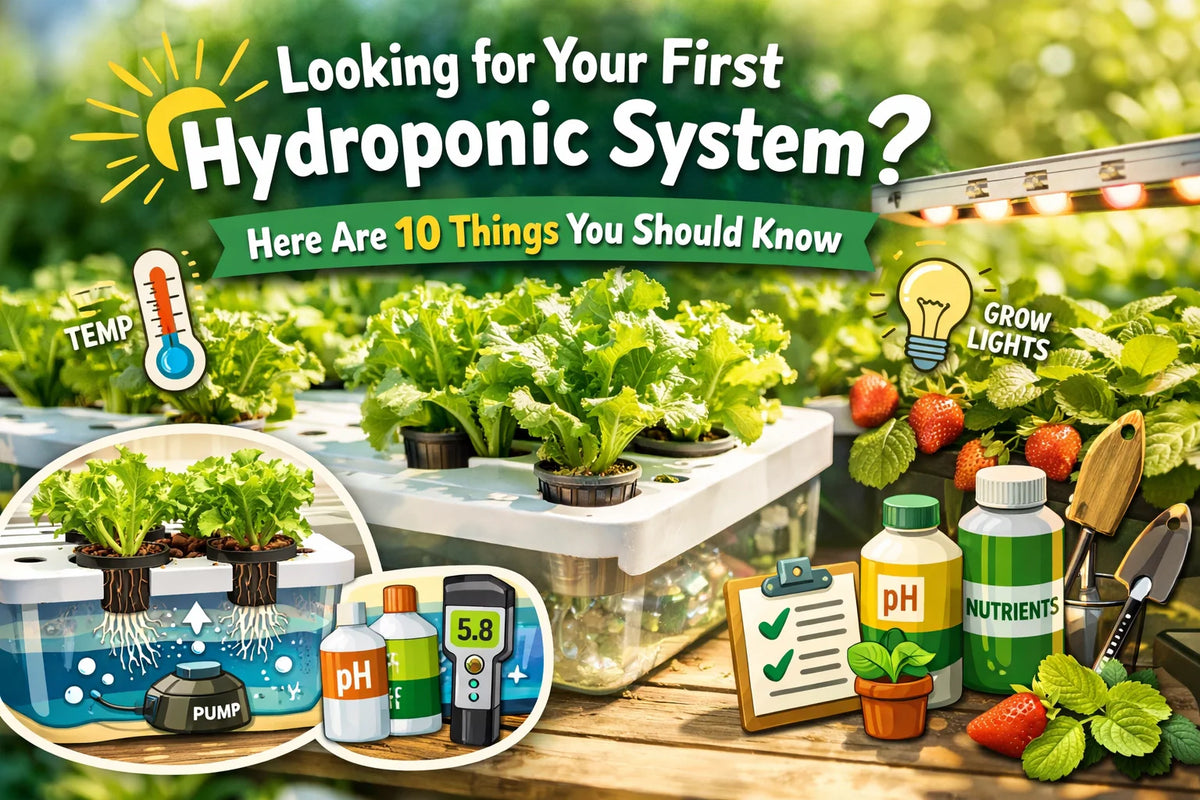
Here are 10 essential things you should know before buying or building your first hydroponic system.
1. Not All Hydroponic Systems Are Created Equal
Hydroponics is just a fancy word for growing plants in a nutrient-rich water solution without soil. But how that water gets to the plants varies wildly.
- Deep Water Culture (DWC): This is often considered the best starting point for beginners. The plant sits in a net pot suspended over a reservoir of water. The roots grow directly into the solution. It’s simple, effective, and relatively cheap to set up.
- Nutrient Film Technique (NFT): A constant stream of nutrient water flows over the tips of the roots. It’s great for leafy greens but can be tricky if the pump fails.
- Ebb and Flow (Flood and Drain): The system periodically floods the grow tray with water and then drains it back into a reservoir.
- Drip Systems: These use small emitters to drip nutrient solution onto the base of each plant.
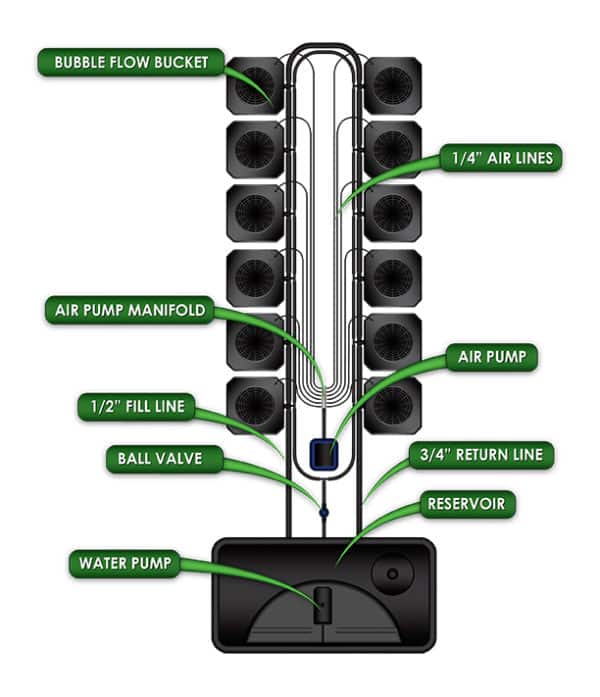
If you are looking for a reliable, professional-grade entry point, the Bubbleflow Bucket 6-Site System is a fantastic example of a high-oxygen DWC system that takes the guesswork out of the equation.
2. Water Quality Is Your Foundation
In soil gardening, the ground acts as a buffer. In hydroponics, the water is the environment. If your tap water is loaded with chlorine, chloramines, or heavy minerals (hard water), your plants are going to struggle from day one.
The fact of the matter is that starting with "dirty" water makes it nearly impossible to accurately measure the nutrients you are adding. Using a Countertop Water Filtration System or a RO (Reverse Osmosis) unit ensures you are starting with a blank canvas. This allows your nutrients to do their job without being blocked by the gunk found in city water.
3. Oxygen Is Just as Important as Water
It sounds counterintuitive: how can roots breathe underwater? If you just stick a plant in a bucket of stagnant water, it will drown and rot. Hydroponic systems require active aeration.
Most systems use an air pump and air stones to create bubbles. These bubbles increase the dissolved oxygen in the water, which the roots "inhale." Without high oxygen levels, the plant cannot efficiently take up nutrients. When looking at systems, always check the quality of the air pump. If it’s weak, your growth will be stunted.

4. You Must Become a Master of pH and EC
In hydroponics, you are the "brain" of the soil. You have to manually monitor the chemical balance of the water.
- pH Level: This measures how acidic or alkaline your water is. Most hydroponic plants prefer a pH between 5.5 and 6.5. If the pH is outside this range, the plant experiences "nutrient lockout," meaning the food is there, but the plant can't eat it.
- EC/PPM: This measures the "strength" of your nutrient solution. Too little, and the plants starve. Too much, and you’ll "burn" the roots with salt.
You cannot eyeball this. You need a reliable pH meter and a PPM (parts per million) meter. Checking these daily is a non-negotiable part of the hobby.
5. Water Temperature Is a Make-or-Break Factor
New growers often focus on the room temperature but forget about the water temperature in the reservoir. Ideally, your nutrient solution should stay between 65°F and 70°F.
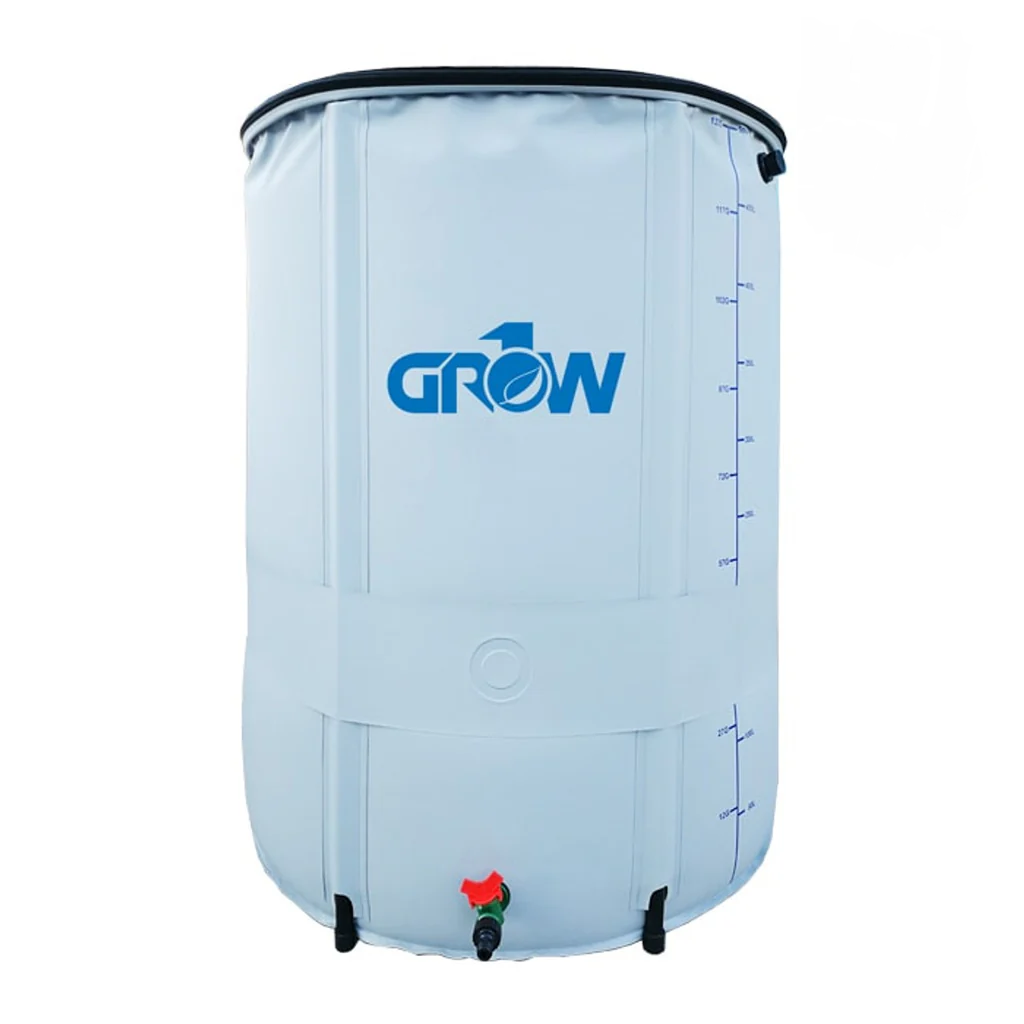
If the water gets too warm (above 75°F), its ability to hold dissolved oxygen drops significantly. Warm, low-oxygen water is the perfect breeding ground for Pythium (root rot), which can kill an entire crop in a matter of days. If your grow room is naturally hot, you might need a water chiller or at least an insulated reservoir like the Grow1 collapsible water storage tank to help stabilize temperatures.
6. Lighting: Don't Skimp on the "Sun"
Since most hydroponic systems are kept indoors, your choice of lighting is critical. While shop lights or cheap LEDs from big-box stores might work for starting seeds, they won't have the "oomph" to finish a high-yielding plant.
Modern LED technology has changed the game. Lights like the Kind LED X420 provide the specific spectrum of light plants need for both vegetative growth and flowering without the massive heat output of old-school HPS bulbs. Remember: light equals energy. If you give the plant 50% of the light it needs, don't expect 100% of the results.
7. Choose the Right Growing Medium
Even though it's "soilless," you still need something to hold the plant upright and give the roots a place to grab onto.
Common choices include:
- Expanded Clay Pebbles (Hydroton): pH neutral and great for drainage and aeration.
- Rockwool: Holds a lot of water but requires careful pH balancing before use.
- Rooting Plugs: Like Daplug Sponge Cubes, these are excellent for starting seeds or clones before moving them into the main system.
8. Automation is Your Best Friend
Hydroponics can be labor-intensive if you do everything manually. The beauty of these systems is that they are highly "hackable." Using a mechanical timer for your lights and pumps ensures your plants get a consistent schedule even when you aren't home.
The goal is to move toward a smart indoor gardening setup where the environment stays stable without you hovering over it 24/7. Consistency is the secret sauce to huge harvests.
9. Microbes Aren't Just for Soil
A common misconception is that hydroponics is "sterile." While you want to avoid bad bacteria, introducing beneficial microbes can drastically improve root health and nutrient uptake.
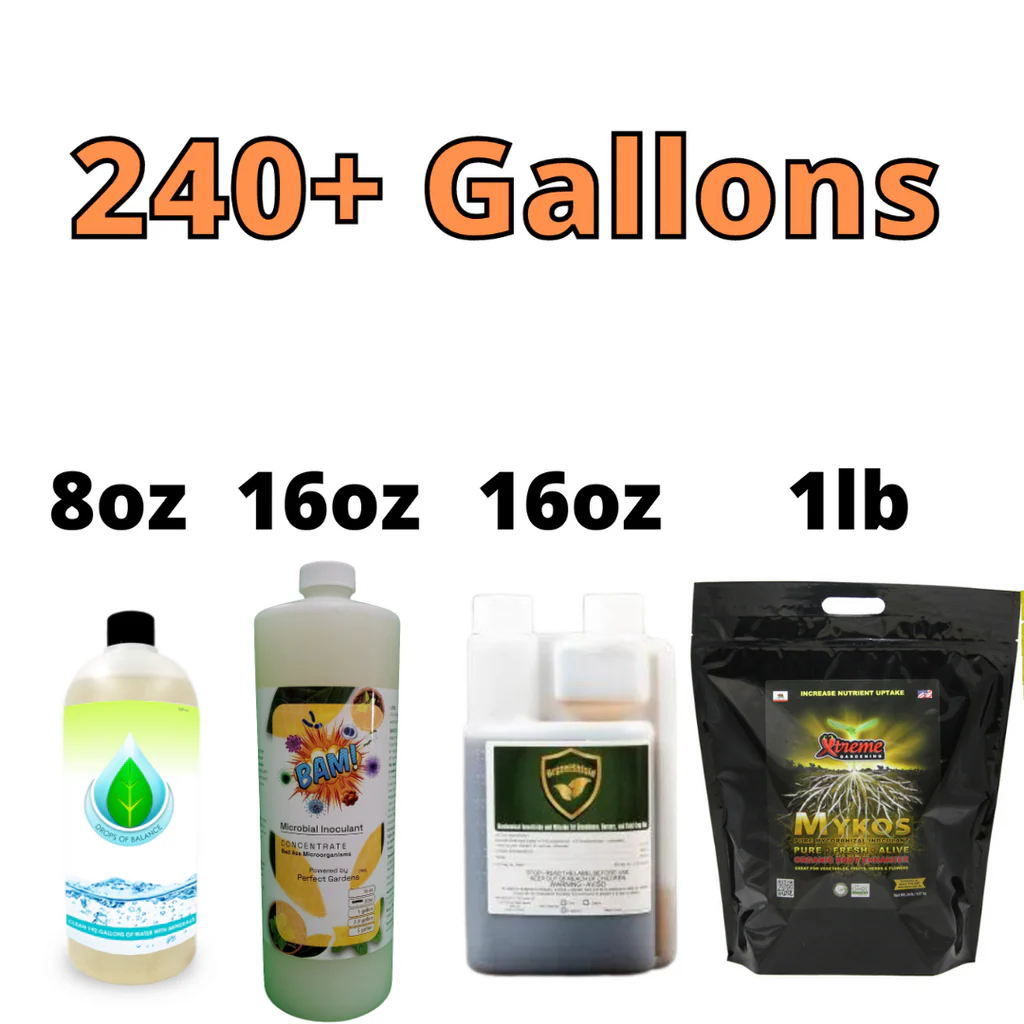
Using a Nutrient and Microbial Inoculant Kit helps create a "living" water environment. These beneficial bacteria and fungi act like an external immune system for your plants, protecting the roots from pathogens and helping break down nutrients into more bioavailable forms.
10. Start Small and Plan for Maintenance
It is very tempting to buy a 20-bucket system right out of the gate. Don't do it. Start with a 1 to 4 plant setup to learn the ropes. Hydroponic systems require a "reservoir change" every 7 to 14 days, where you drain the old water, scrub the tank, and mix a fresh batch of nutrients.
If you have 20 buckets to clean every week, it stops being a hobby and starts being a full-time job. Learn how the plants react to your specific environment first, then scale up.
Summary: Is Hydroponics Right for You?
Hydroponics offers a level of control that soil simply can't match. You can fine-tune every aspect of the plant's life, leading to growth rates that look like something out of a sci-fi movie. But that control comes with the responsibility of monitoring.
The Reality Check:
- Pros: 30-50% faster growth, no weeding, complete control over nutrition, water conservation (recirculating systems use less water than soil).
- Cons: Higher initial cost, power dependence (if the power goes out, the pumps stop), and a steeper learning curve regarding chemistry.
The fact of the matter is, if you’re a "set it and forget it" kind of person, a simple soil pot might be better. But if you love data, tinkering, and seeing explosive results, hydroponics is the ultimate way to grow.
If you’re feeling a bit stuck on which system fits your specific space, don't forget we offer Grow Tent Consulting to help you map out your first grow and avoid the expensive mistakes most beginners make. Happy growing!

Leave a comment
This site is protected by hCaptcha and the hCaptcha Privacy Policy and Terms of Service apply.