
Blog
Field Study Shows Drops of Balance Significantly Reduces Mold Risk for Living Soil Growers
Living soil growers face a constant battle against mold and fungal diseases that can devastate entire crops. While beneficial microbes are essential for healthy soil biology, pathogenic fungi can quickly overwhelm plants when conditions favor disease over plant health. A recent field study has revealed promising results for a water treatment solution that significantly reduces mold occurrence in cannabis cultivation: and the implications for living soil farmers are substantial.
The Living Soil Mold Challenge
Living soil systems depend on a delicate balance of beneficial bacteria, fungi, and other microorganisms to create the nutrient cycling that feeds plants naturally. However, this same environment can harbor pathogenic organisms when water quality, soil conditions, or environmental factors tip the balance toward disease.
Traditional mold prevention often relies on fungicides that kill beneficial microbes along with harmful ones, disrupting the very soil biology that living soil growers work so hard to establish. This creates a frustrating cycle where treating one problem creates another.
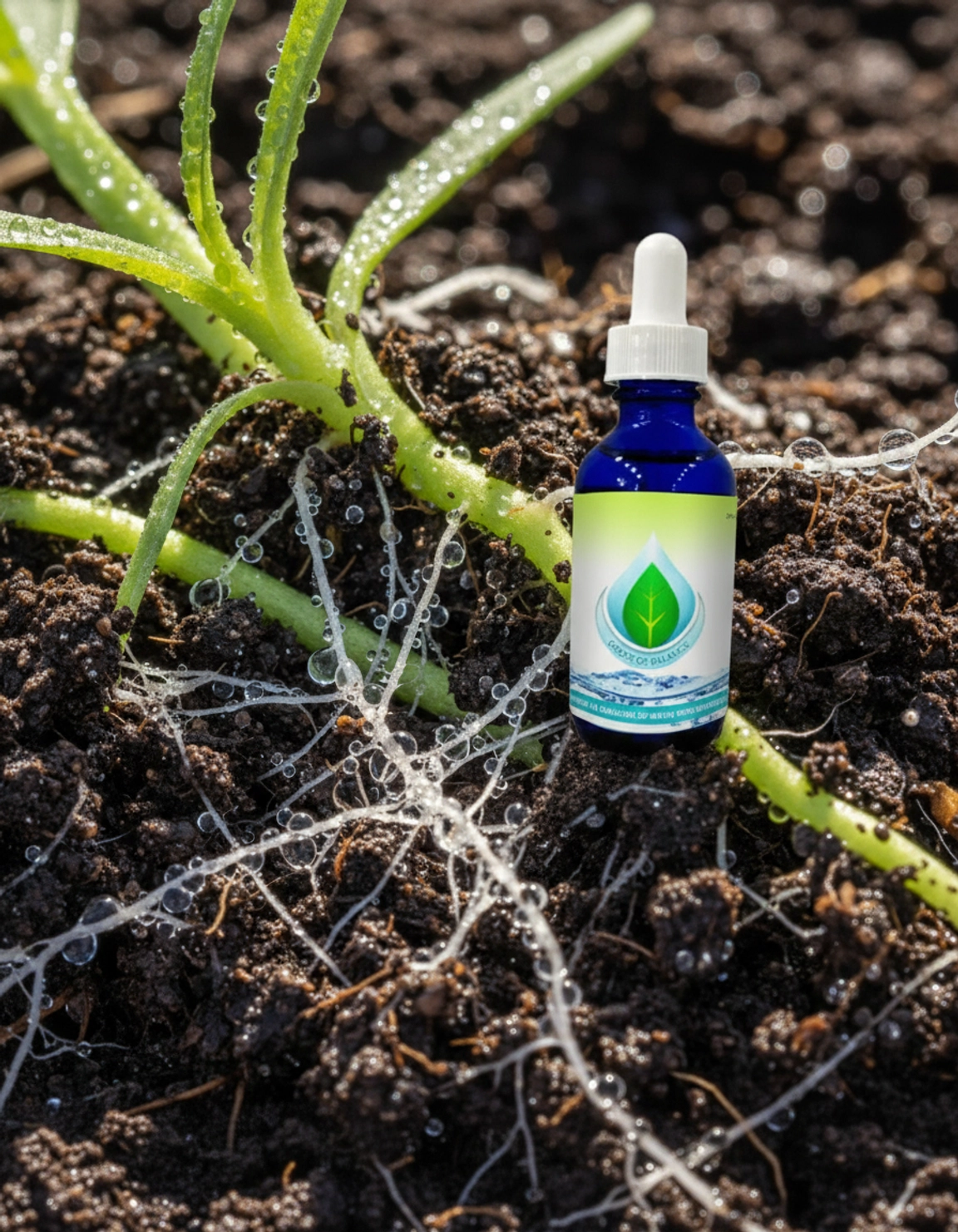
The challenge becomes even more complex when you consider that many water sources contain contaminants that further stress plant immune systems and disrupt beneficial microbial populations. Heavy metals, pesticide residues, and chemical treatments in municipal water can all contribute to conditions that favor pathogenic organisms over beneficial ones.
Breakthrough Field Study Results
A comprehensive field study conducted on cannabis cultivation tested whether Drops of Balance, a water treatment solution, could reduce mold occurrence while maintaining or improving plant health in living soil systems.
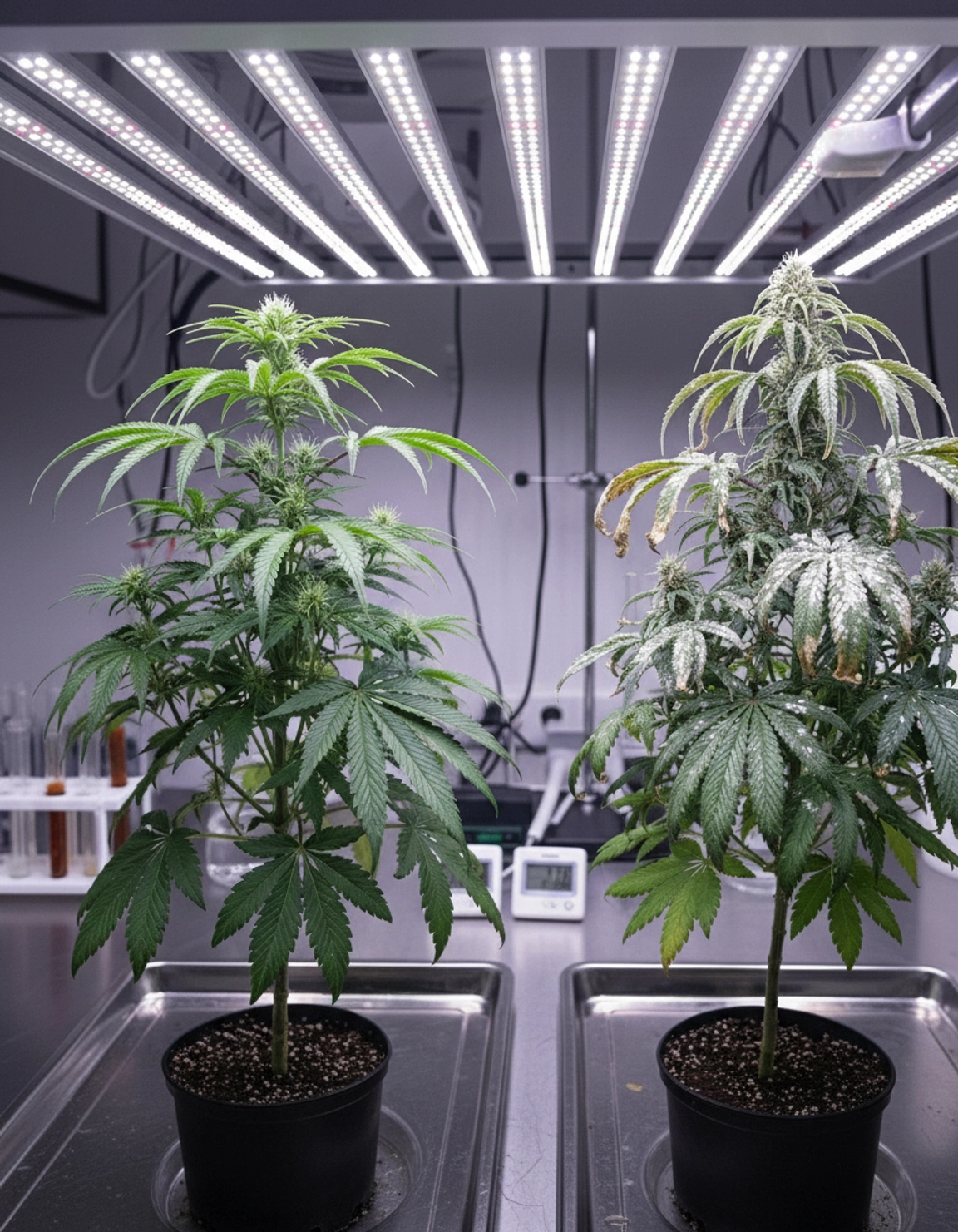
The results were striking: mold was detected in two-thirds of the control group but only about 10% of the Drops of Balance treatment group. This represents a dramatic reduction in mold risk without the use of synthetic fungicides that would disrupt soil biology.
Key Study Findings
The field study evaluated multiple aspects of plant health and contamination, revealing several significant benefits:
Mold Reduction: The most dramatic finding was the 83% reduction in mold occurrence compared to control plants. This level of protection rivals synthetic fungicides while maintaining beneficial soil microbes.
Pesticide Residue Reduction: Plants treated with Drops of Balance showed up to 50% reduction in pesticide residues, particularly Myclobutanil (Eagle 20), compared to control groups.
Enhanced Plant Potency: Surprisingly, plants grown in soil pretreated with Drops of Balance showed up to 50% increases in both THC and total terpene content, suggesting improved plant metabolism rather than just protection.
Increased Terpene Diversity: The treatment group produced 3-4 more terpene types compared to controls, indicating enhanced plant expression and metabolic activity.
No Yield Impact: Importantly, no negative effects on plant health or yield were observed, addressing concerns that water treatment might stress plants.
How Drops of Balance Works in Living Soil Systems
Understanding the mechanism behind these results helps explain why Drops of Balance is particularly effective in living soil applications. The product works through an ion exchange process that removes over 250 different contaminants from water, including heavy metals, pesticide residues, and other compounds that can stress plants and beneficial microbes.
Water Quality as the Foundation
Clean water is fundamental to healthy soil biology. When irrigation water contains contaminants, it doesn't just affect plants directly: it disrupts the entire microbial ecosystem that living soil depends on. Beneficial bacteria and fungi are often more sensitive to chemical contamination than pathogenic organisms, creating conditions where harmful microbes can dominate.
By removing these contaminants at the water level, Drops of Balance creates conditions that favor beneficial microorganisms over pathogenic ones. This shifts the biological balance toward plant health rather than disease pressure.
Supporting Beneficial Microbial Communities
The trace minerals provided by Drops of Balance support the metabolic processes that beneficial microbes need to thrive. When soil bacteria and fungi are functioning optimally, they create a natural disease suppression effect by:
- Competitive Exclusion: Beneficial microbes occupy ecological niches that might otherwise harbor pathogens
- Antibiotic Production: Many beneficial soil bacteria produce natural antibiotics that suppress harmful organisms
- Immune System Enhancement: Healthy soil microbes communicate with plants to enhance natural disease resistance
- Nutrient Optimization: Well-fed beneficial microbes ensure plants receive optimal nutrition for strong immune systems
Practical Application for Living Soil Growers
The field study protocol provides a practical framework for implementing Drops of Balance in living soil operations. The key is understanding that this is a preventive approach that works best when integrated into regular cultivation practices.
Soil Pretreatment Protocol
Based on the study methodology, soil pretreatment appears to be particularly effective. This involves treating soil with Drops of Balance solution before planting, allowing the product to establish optimal conditions for beneficial microbes from the beginning of the grow cycle.
Application Rate: Mix Drops of Balance into irrigation water according to package directions Timing: Apply to soil 1-2 weeks before planting when possible pH Considerations: Maintain water pH below 7.0 for optimal effectiveness
Ongoing Treatment Schedule
The study suggests that ongoing application throughout the growth cycle maintains the protective benefits while continuing to support soil biology. This differs from fungicide applications that are typically reactive rather than preventive.
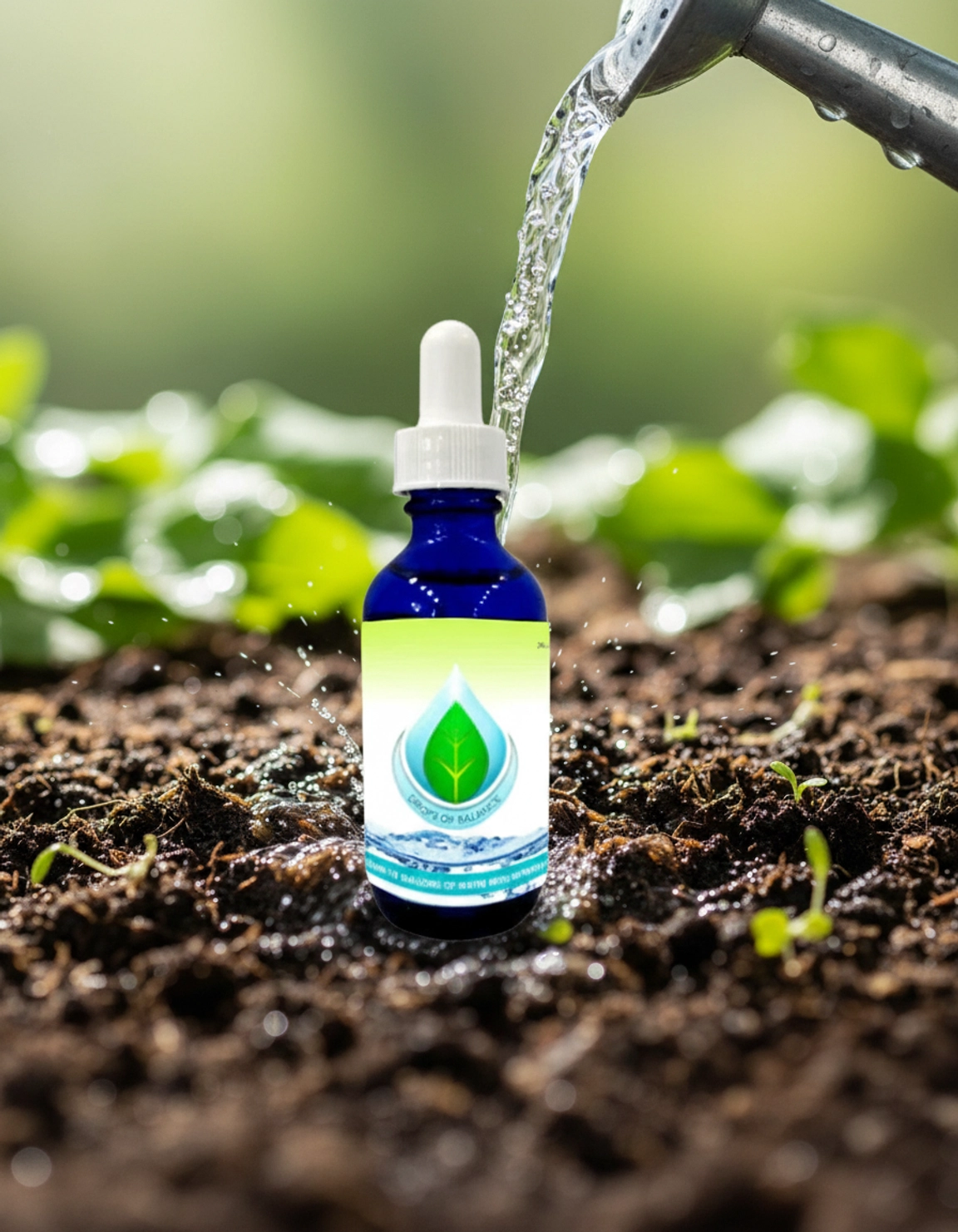
Regular application ensures that new irrigation water is consistently clean and that trace minerals remain available to support microbial activity. This creates a stable environment where beneficial organisms can establish and maintain dominance over pathogenic ones.
Integration with Microbial Inoculants
For living soil growers already using microbial inoculants, Drops of Balance appears to enhance rather than compete with these products. The improved water quality and trace mineral availability create better conditions for inoculated microbes to establish and thrive.
BAM Microbial Inoculant Concentrate works particularly well in combination with Drops of Balance, as the clean water environment allows beneficial bacteria and fungi to establish more effectively. The field study results suggest this combination approach may be optimal for living soil systems.
Economic Implications for Growers
The mold reduction demonstrated in the field study has significant economic implications beyond just plant health. Crop losses from mold and fungal diseases represent one of the largest financial risks in cultivation, particularly for living soil growers who may be reluctant to use synthetic fungicides.
Reduced Crop Loss: An 83% reduction in mold occurrence translates directly to reduced crop losses and more consistent harvests.
Quality Improvements: The increased potency and terpene production observed in the study could command premium pricing in competitive markets.
Reduced Input Costs: Preventive water treatment may reduce or eliminate the need for expensive fungicide applications and crop recovery efforts.
Labor Efficiency: Less time spent dealing with mold issues means more time available for other cultivation activities.
Limitations and Considerations
While the field study results are promising, it's important to understand the limitations and proper expectations for this approach. The study was conducted under specific conditions, and individual results may vary based on environmental factors, water quality, and cultivation practices.
The heavy metal reduction results were inconclusive in this study, likely because contamination levels were already minimal in both test and control groups. Growers dealing with heavily contaminated water sources may see different results and should consider additional water treatment options.
Additionally, this is a preventive approach rather than a cure for existing mold problems. Growers dealing with active infections should address those issues directly while implementing Drops of Balance as part of a comprehensive prevention strategy.
Looking Forward: Research and Development
The field study represents an important step in understanding how water quality affects plant health and disease resistance in living soil systems. The researchers noted that additional studies are needed, particularly in scenarios with higher contamination levels and different environmental conditions.
For living soil growers, these results suggest that focusing on water quality as a foundation for soil health may be more effective than previously understood. The combination of mold reduction, improved plant potency, and enhanced microbial activity points to water treatment as a key component of successful living soil cultivation.
The full field study report provides additional technical details and methodology for growers interested in implementing similar protocols in their own operations. Access the complete Drops of Balance Field Study Report here to review the complete findings and methodology.
For living soil growers looking to reduce mold pressure while supporting beneficial soil biology, the evidence suggests that water treatment with Drops of Balance offers a promising approach that works with natural systems rather than against them.