

Living soil growers know that healthy soil biology is the foundation of vigorous plants and abundant harvests. But what happens when your water quality undermines everything you've worked to build? A recent field study reveals how Drops of Balance can transform your living soil system by addressing water quality issues that directly impact plant metabolic activity, yield potential, and overall vigor.
The Hidden Connection Between Water Quality and Plant Performance
Most growers focus on soil amendments, organic matter, and microbial diversity, all critical components of a thriving living soil system. However, water quality often gets overlooked despite being the delivery system for every nutrient, beneficial microbe, and soil amendment you introduce.
Poor water quality doesn't just affect nutrient uptake. It can actively suppress the metabolic processes that drive plant growth, reduce beneficial microbial activity, and create conditions that favor plant stress over plant vigor. The field study data shows this connection more clearly than ever before.
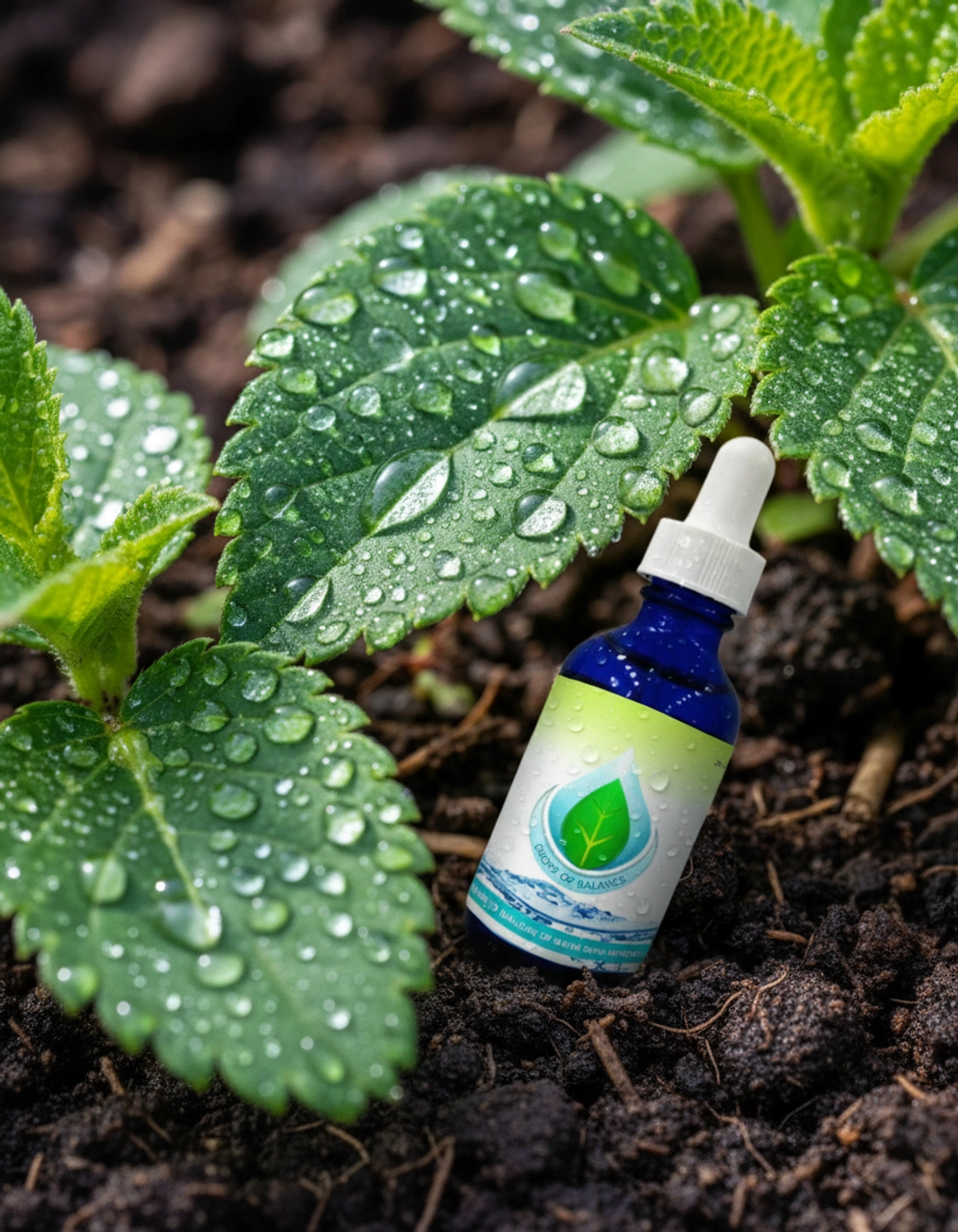
Field Study Results: Metabolic Activity and Vigor Improvements
The comprehensive field study of Drops of Balance revealed remarkable improvements in plant metabolic activity, the cellular processes that directly translate to yield and vigor. Plants grown in soil pretreated with Drops of Balance showed up to 50% increases in both THC and total terpene content compared to control groups.
This isn't just about potency for cannabis growers. These compounds serve as indicators of overall plant metabolic health. Higher cannabinoid and terpene production signals that plants are operating at peak efficiency, with cellular processes running optimally rather than struggling against environmental stressors.
The study also documented increased terpene diversity, with treated plants producing 3-4 more terpene varieties than controls. This enhanced chemical complexity indicates that plants weren't just producing more compounds, they were expressing their full genetic potential through improved metabolic function.
Enhanced Resilience Against Plant Stress
Perhaps most impressive was the dramatic improvement in plant resilience. While two-thirds of control plants showed mold contamination, only 10% of Drops of Balance-treated plants developed mold issues. This isn't just about disease prevention, it demonstrates that treated plants maintained stronger immune systems and better stress response mechanisms.
For living soil growers, this translates to more consistent harvests, reduced crop losses, and plants that can better handle environmental fluctuations without compromising yield or quality.
How Water Quality Affects Living Soil Biology
Your living soil system depends on complex interactions between beneficial bacteria, fungi, and other microorganisms. These soil biology communities break down organic matter, cycle nutrients, and form symbiotic relationships with plant roots. But contaminated water can disrupt these delicate ecosystems.
Heavy metals, chlorine, and other water contaminants create hostile conditions for beneficial microbes while potentially favoring harmful pathogens. Even low-level contamination can reduce microbial diversity and activity, leading to:
- Slower nutrient cycling
- Reduced root zone oxygen levels
- Compromised mycorrhizal relationships
- Increased susceptibility to root diseases
- Lower overall plant vigor
The field study also examined pesticide reduction, finding that plants treated with Drops of Balance showed up to 50% lower levels of harmful pesticide residues like Myclobutanil. This suggests that improved water quality helps plants better process and eliminate environmental toxins.
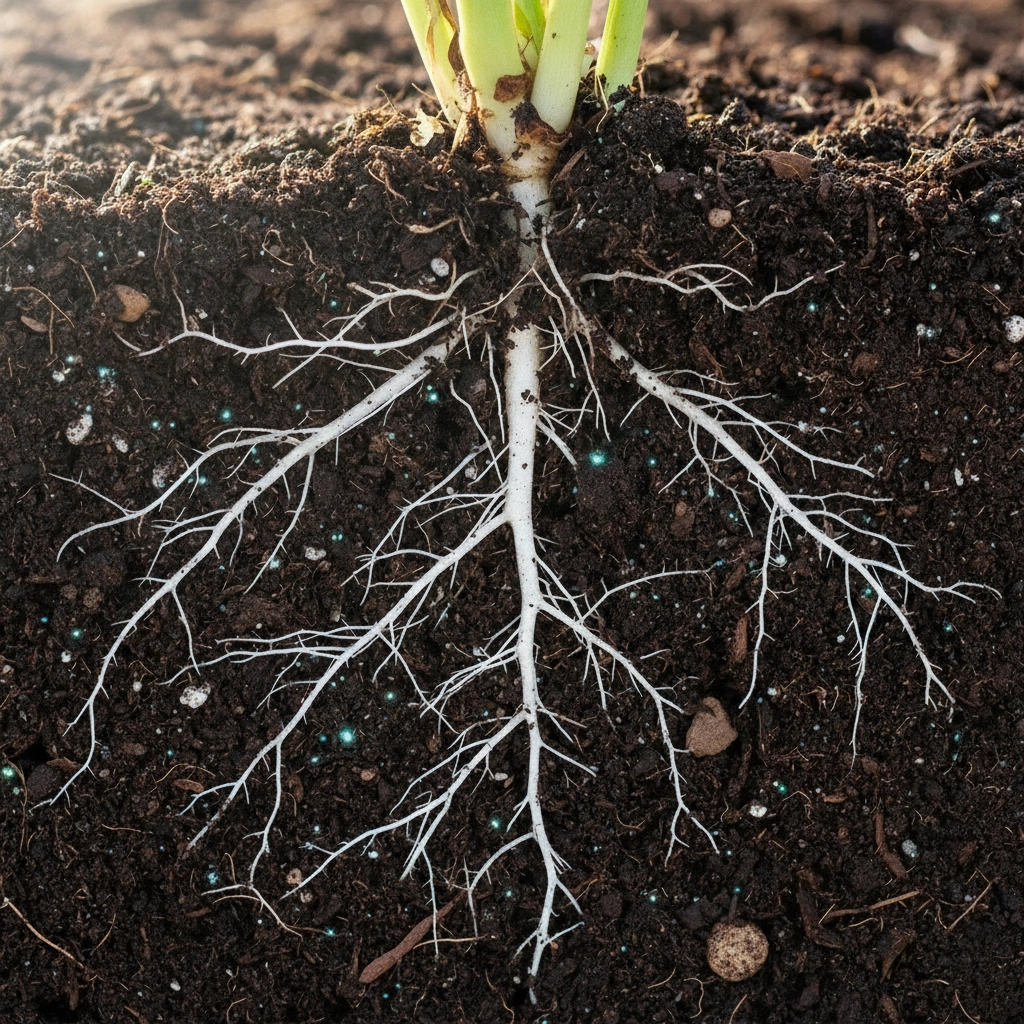
The Science Behind Improved Plant Vigor
Drops of Balance works by restructuring water at the molecular level, creating conditions that optimize both nutrient delivery and cellular function. This restructured water carries minerals more efficiently, penetrates cell membranes more effectively, and supports the enzymatic processes that drive plant metabolism.
The study found no negative effects on plant health or yield, only improvements. This indicates that the product works with natural plant processes rather than forcing artificial responses that might create trade-offs elsewhere in plant function.
Supporting Microbial Activity
Clean, structured water provides the ideal environment for beneficial soil microorganisms to thrive. When combined with BAM® Microbial Inoculant, Drops of Balance creates synergistic effects that maximize both water quality and microbial diversity.
BAM introduces beneficial bacteria and fungi directly to your soil, while Drops of Balance ensures the water environment supports their long-term survival and activity. This combination addresses both immediate microbial needs and the ongoing water quality conditions that determine whether those microbes can establish thriving populations.
Practical Application for Living Soil Systems
Implementing Drops of Balance in your living soil grow system requires understanding both water treatment and soil biology timing. The most effective approach treats all water used in your system, irrigation water, foliar feeds, and even water used for mixing organic amendments.
Pre-Treatment Strategy
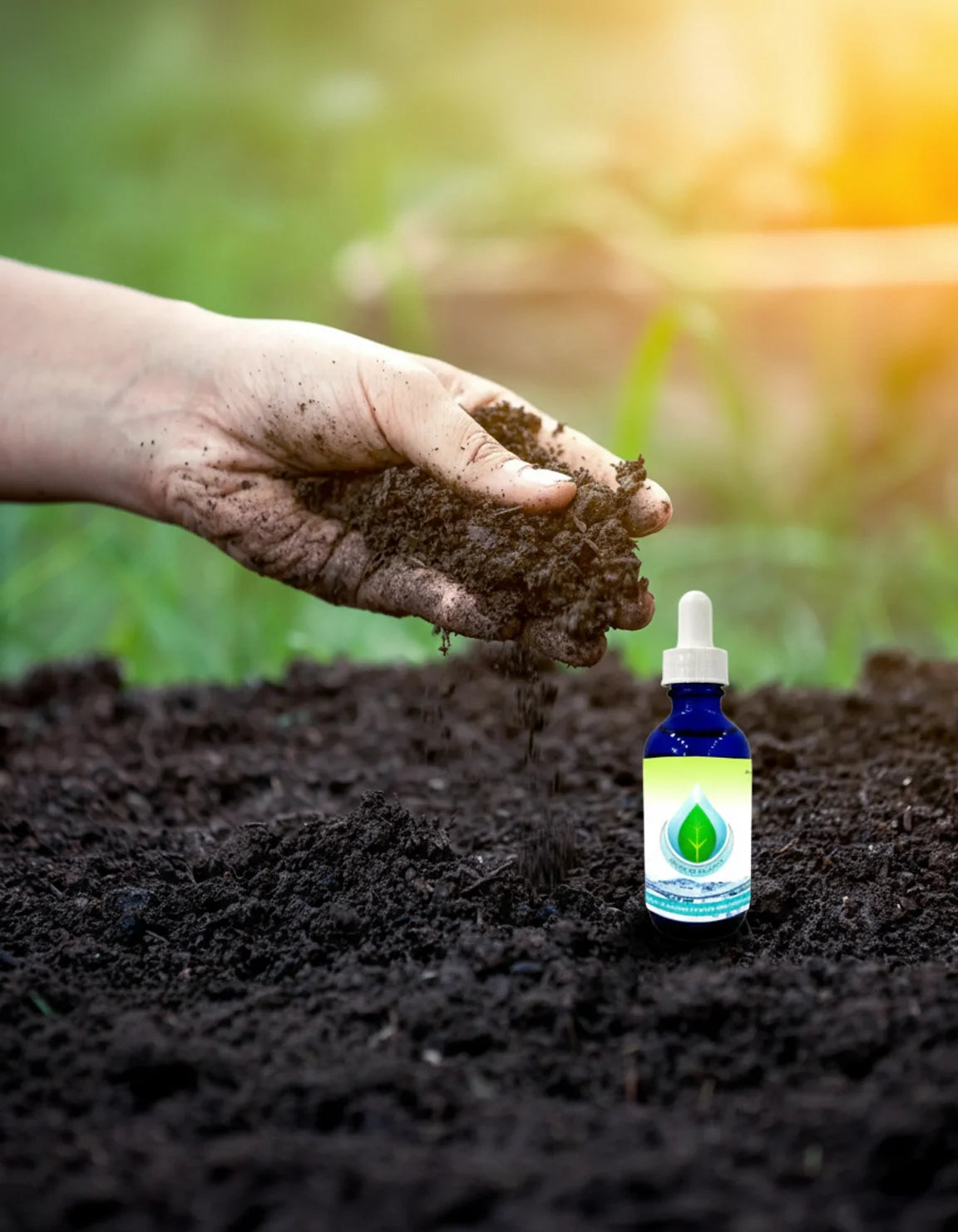
For maximum benefit, treat your soil medium before planting. Mix Drops of Balance into irrigation water at the recommended dilution rate and thoroughly saturate your living soil blend. This pre-treatment establishes optimal water conditions from day one, giving beneficial microbes the clean environment they need to establish robust populations.
Allow 24-48 hours between pre-treatment and planting to let the water quality improvements stabilize throughout your soil volume. During this time, existing soil biology begins adapting to the improved conditions.
Ongoing Water Treatment
Continue treating all irrigation water throughout your growing cycle. The field study used consistent water treatment rather than periodic applications, suggesting that maintaining water quality is more effective than attempting to correct poor water quality after problems develop.
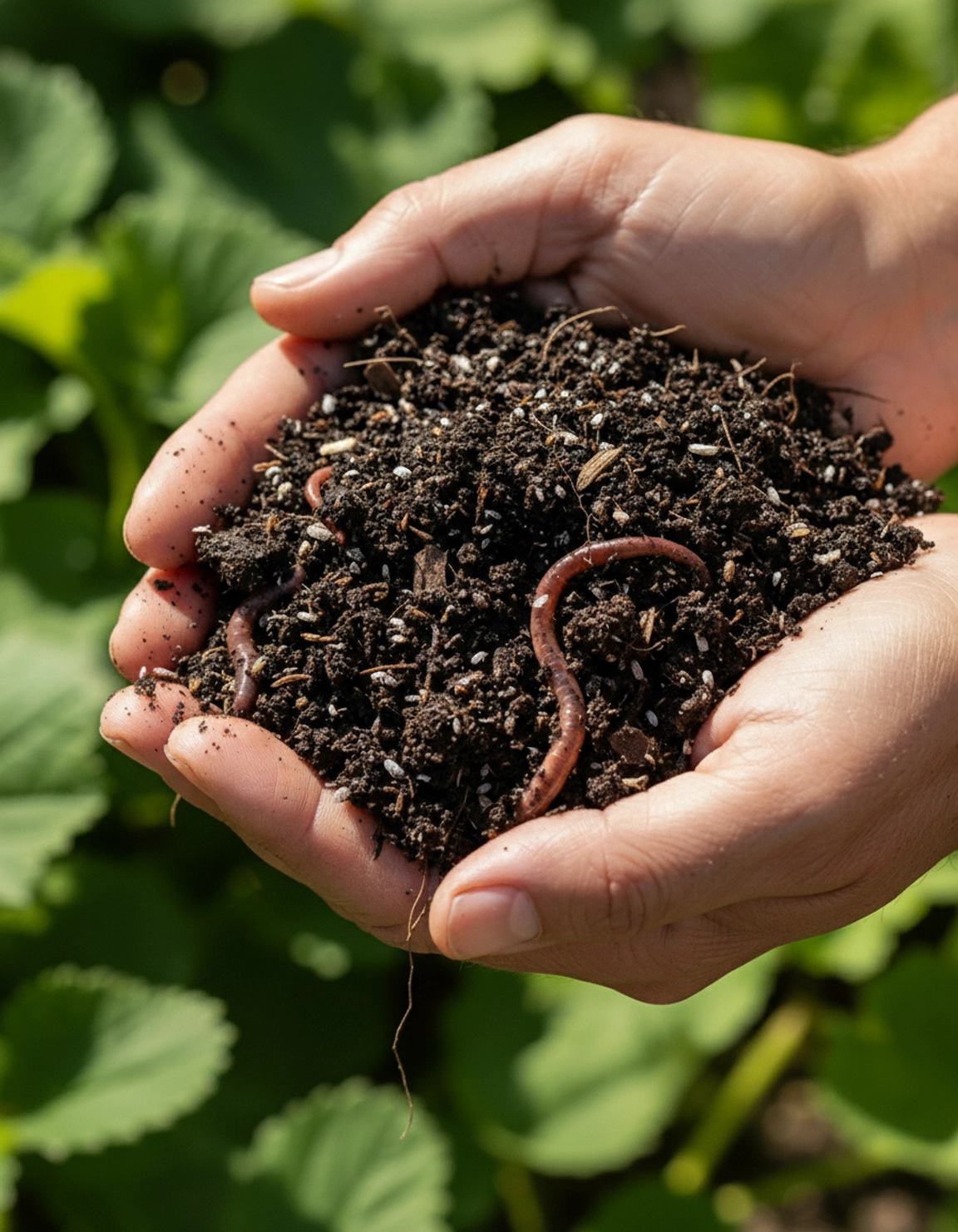
Integration with Organic Growing Practices
Living soil growers typically use diverse organic inputs, compost teas, fermented plant extracts, fish emulsions, and various organic amendments. Drops of Balance enhances the effectiveness of these inputs by ensuring the water used to prepare and apply them doesn't interfere with their biological activity.
Many organic growers report improved fermentation quality when using treated water for compost teas and plant extracts. The cleaner water environment allows beneficial microorganisms in these preparations to thrive rather than competing with water-borne contaminants.
Compatibility with Organic Certification
For certified organic operations, water treatment must meet specific standards. Drops of Balance consists of structured water and trace minerals, making it compatible with most organic certification requirements. However, always verify with your certifying body before incorporating any new inputs into certified operations.
Monitoring Plant Response and Vigor Indicators
The field study's impressive results didn't happen overnight. Plant vigor improvements become apparent through several observable indicators that living soil growers can monitor:
Early Growth Phase: Improved germination rates, faster seedling establishment, and more robust early root development indicate that water quality improvements are supporting foundational plant processes.
Vegetative Growth: Enhanced leaf color, increased branching, and faster overall growth rates suggest improved nutrient uptake and metabolic efficiency. Plants should appear more resilient to minor environmental stresses.
Reproductive Phase: The study's most dramatic improvements appeared in final product quality, higher metabolite production and enhanced plant chemistry. These improvements typically become apparent during the final weeks of the growing cycle.

Addressing Common Water Quality Issues
Living soil growers face various water quality challenges depending on their water source. Municipal water often contains chlorine and fluoride that can harm beneficial microbes. Well water may contain heavy metals, excess minerals, or bacterial contamination. Even filtered water can lack the structured characteristics that optimize plant uptake.
The field study's pesticide reduction results suggest that Drops of Balance helps plants better process environmental toxins, potentially offering protection against contaminated irrigation water or atmospheric pollutants that affect outdoor growing operations.
Cost-Effective Water Treatment
Compared to expensive filtration systems or reverse osmosis setups, Drops of Balance offers an economical approach to water quality improvement. The 2-oz bottle treats significant water volumes, making it practical for both small personal gardens and larger commercial operations.
The concentrate format also reduces storage requirements and shipping costs: important considerations for remote growing operations or situations where frequent product deliveries aren't practical.
Long-Term Soil Health Benefits
Beyond immediate plant vigor improvements, consistent use of quality water supports long-term soil health development. Living soil systems improve over time as organic matter increases, microbial diversity expands, and nutrient cycling becomes more efficient.
The field study's mold resistance results suggest that plants grown with improved water quality develop stronger natural defense mechanisms. Over time, this could translate to reduced need for disease management inputs and more stable growing outcomes.
Research Validation and Future Studies
The field study provides compelling evidence for water quality's role in plant vigor, but it also highlights areas where additional research could provide even more insight. The researchers noted that heavy metal reduction results were inconclusive due to low baseline contamination levels, suggesting that future studies in more challenging water conditions could reveal additional benefits.
For growers interested in reviewing the complete research findings, the full field study report provides detailed methodology, statistical analysis, and comprehensive results data.

Implementation Strategy for Maximum Results
Success with Drops of Balance in living soil systems requires consistent application and integration with sound growing practices. The field study's impressive results came from systematic water treatment rather than sporadic use, emphasizing the importance of making water quality a foundational element of your growing approach.
Start with clean water treatment for all inputs, maintain consistency throughout your growing cycle, and monitor plant response indicators to track improvements. Combined with quality soil biology inputs like BAM and solid organic growing practices, Drops of Balance can help unlock the full potential of your living soil system.
The research demonstrates that water quality isn't just about avoiding problems: it's about optimizing plant metabolic processes for maximum vigor, yield, and resilience. For living soil growers committed to working with natural systems, addressing water quality represents one of the most effective ways to enhance overall growing success.

Leave a comment
This site is protected by hCaptcha and the hCaptcha Privacy Policy and Terms of Service apply.