
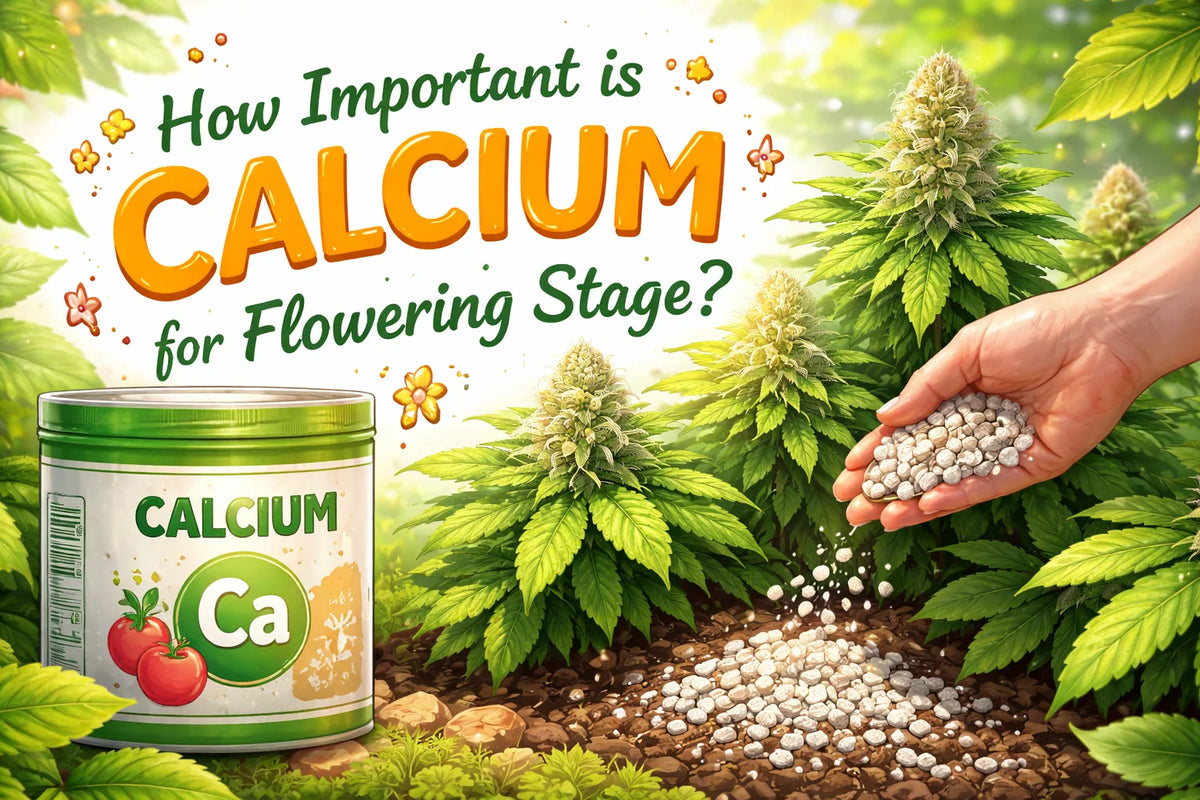
A few years back, we put out a video with some strong language about calcium during flowering: something along the lines of "stop using calcium in flowering." Looking back, that title was a bit clickbaity, and frankly, some of the wording could have been clearer. So let's set the record straight: calcium is absolutely important during flowering, but the amount you need changes as your plants progress through their cycle.
This post is here to clarify the nuances, explain when calcium matters most, and help you avoid one of the most common mistakes growers make during mid-to-late flowering.
Understanding Calcium: An Immobile Nutrient
First things first: calcium is an immobile nutrient. This means once calcium is deposited in plant tissue, it cannot be redistributed to other parts of the plant. Unlike mobile nutrients (such as nitrogen), which can move from older leaves to support new growth, calcium stays put wherever it lands.
This is critical to understand because it means your plants need a constant, steady supply of calcium throughout their growth: especially during periods of rapid development. If calcium isn't available when new tissue is forming, you'll see deficiency symptoms show up on the newest growth, not the old leaves.
Research confirms this: flowers and developing tissue have much lower transpiration rates than leaves, which means calcium reaches these areas at reduced rates. That's why timing and consistent supply matter so much.
The Stretch Phase: When Calcium Demand is Highest
From the moment you pop a seed until about week four of flowering, your plant is in high-growth mode. It's stretching, producing stems, building out its canopy, and preparing for flower production. During this entire phase, calcium demand is at its peak.
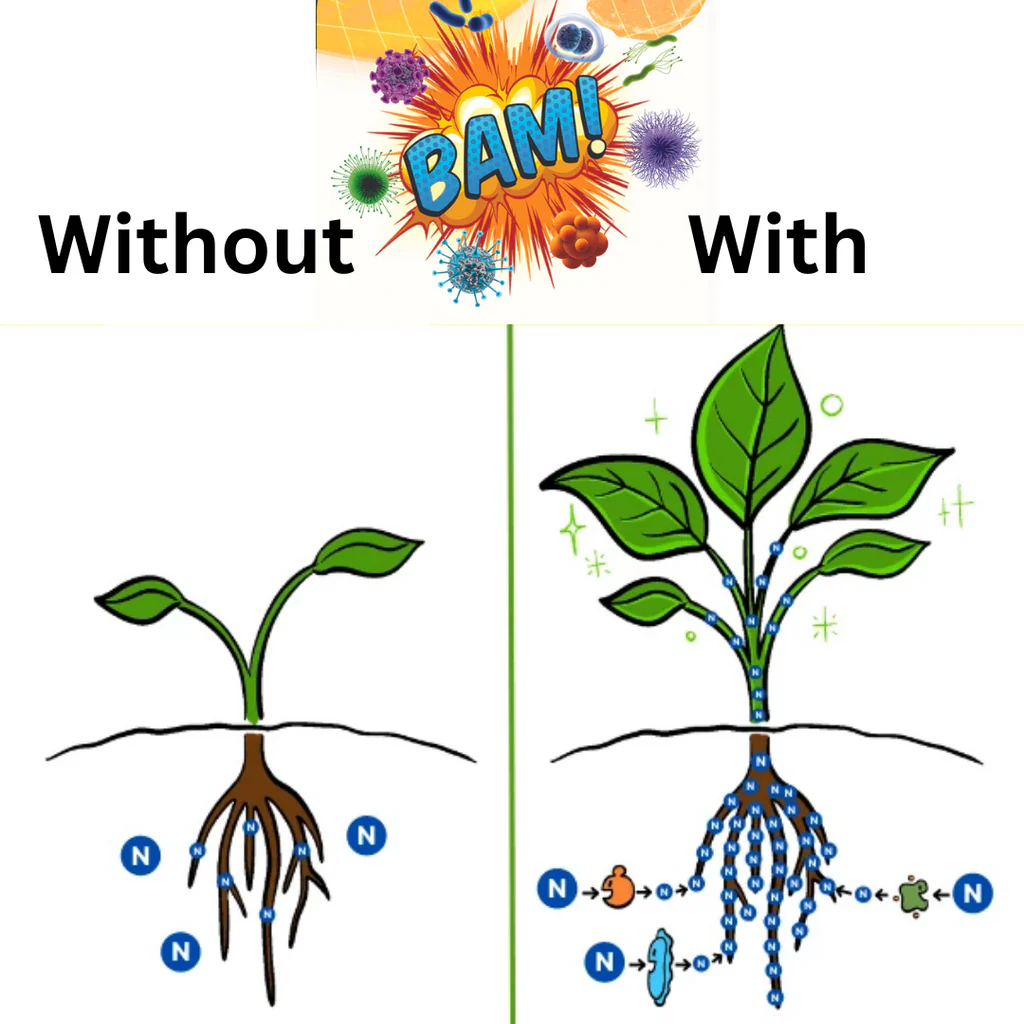
Here's what's happening:
- Cell walls are forming rapidly (calcium is a key structural component)
- Stems are elongating and thickening
- New leaf growth is constant
- Root development is still active
If you're running an indoor gardening setup or working with hydroponics, this is the stage where you need to ensure your nutrient solution or soil amendments include adequate calcium. The plant simply cannot build strong cell walls without it.
Later Flowering: Less Calcium, Not Zero
Here's where the confusion from that old video comes in. After week four of flowering (assuming a standard 8-week flowering cycle), the plant's growth slows dramatically. It's no longer stretching. It's no longer producing tons of new leaves. Instead, it's focused on flower development and ripening.
During this phase, calcium demand decreases: but it doesn't disappear.
The plant still needs some calcium for:
- Minor leaf expansion
- Maintaining existing cell wall integrity
- Supporting the final stages of flower development
What you should be doing is shifting your nutrient focus toward phosphorus and potassium (P and K) while reducing: not eliminating: calcium inputs. If you're using dry amendments like those from Down to Earth (BioLive, for example), this happens somewhat naturally as you adjust your feeding schedule.

The key takeaway: you don't need to keep hammering your plants with high calcium concentrations past week four. The plant's needs have changed, and your feeding should reflect that.
Living Soil vs. Liquid Nutrients: Two Different Approaches
How you manage calcium depends heavily on your growing method.
Living Soil and Dry Amendments
In a living soil system, the microbial life in your soil does a lot of the heavy lifting. Bacteria and fungi break down dry amendments: bone meal, lime, gypsum, etc.: and make nutrients available to plants over time.
The beauty of this system is that the plant and soil biology work together to regulate uptake. You're feeding the soil, and the soil feeds the plant. Calcium is present in many dry amendments (alfalfa, kelp, rock dusts), so even as you shift toward higher potassium inputs later in flowering, there's usually residual calcium being made available.
That said, not all calcium sources are created equal:
- Bone meal: Slow release; takes time for bacteria to break down
- Agricultural lime: Faster availability; already in a fine powder form
- Gypsum: Provides calcium without raising pH
Liquid Nutrients and Synthetic Fertilizers
If you're running liquid nutrients: especially in a soilless or hydroponic system: you need to be more precise. Liquid fertilizers are highly water-soluble, meaning they're immediately available to the plant. This is great for control, but it also means you can easily overdo it.
One of the best nutrients for hydroponics is a balanced, well-formulated line that allows you to dial back calcium as you progress through flowering. Many commercial nutrient lines include calcium in almost every bottle, which can lead to buildup over time.
Caution: If you're running synthetic nutrients and experiencing "calcium deficiency" symptoms around week four, the problem might not be deficiency at all: it could be lockout.
Week 4 "Deficiencies" Are Often Lockouts
This is one of the most common misdiagnoses we see. A grower hits week four of flowering, notices some rusty spots or browning on leaves, and immediately thinks, "I need more calcium!"
But here's what's actually happening in many cases: excess phosphorus and potassium are locking out calcium and magnesium.
When P and K levels get too high, they compete with calcium for uptake at the root zone. The calcium is in your soil or solution: it just can't get into the plant. This is called nutrient lockout, and adding more calcium won't fix it.
Signs you might be dealing with lockout, not deficiency:
- Rusty or brown spots appearing mid-flower
- New growth looks thin and elongated
- White salt residue visible on fabric pots
- Parts per million (PPM) readings are running high
- Inconsistent watering schedule
If you're seeing these symptoms, check your environment before reaching for more cal-mag. Products like Drops of Balance can help rebalance your root zone and improve nutrient availability without simply adding more calcium to the mix.
Tips for Synthetic Growers
If you're running synthetic nutrients in your indoor gardening setup, here are some practical guidelines to avoid calcium-related issues:
1. Avoid Massive Runoff
Heavy runoff flushes enzymes and beneficial bacteria from your growing medium. It also washes away minerals that could otherwise remain available to your plants. Aim for minimal runoff: just enough to prevent salt buildup.
2. Check for Salt Buildup
White residue forming on the outside of fabric pots? That's crystallized salts, and it's a red flag. Those salts can lock out calcium and other nutrients. If you see this happening, it's time to reassess your feeding concentration and watering frequency.
3. Maintain Consistent Watering
Irregular watering leads to dry-backs, which cause salts to crystallize and become unavailable. When you water again, those salts don't always re-dissolve properly. Consistency is key: both in timing and volume.
4. Monitor Your PPM
If your parts per million are creeping past 900, you're likely overdoing it. Back off on the nutrients and let the plant catch up. High PPM environments can push beneficial bacteria into dormancy, further reducing nutrient cycling.
5. Don't Chase Symptoms
Seeing a deficiency doesn't always mean you need to add more of that nutrient. Consider lockout, pH issues, or environmental factors (grow lights running too hot, for instance) before dumping more products into your reservoir.
The Bottom Line
Calcium is essential throughout the entire grow cycle, but your plant's needs shift as it transitions from vegetative growth to flowering. During the stretch phase (up to week four of flower), calcium demand is high. After that, it decreases: but never hits zero.
For living soil growers, trust your biology and adjust your dry amendments accordingly. For synthetic growers, precision matters: avoid over-accumulation of P and K, maintain consistent watering, and don't mistake lockout for deficiency.
If you're still dialing in your nutrient program or experiencing persistent issues, check out our Grow Help Videos for more detailed walkthroughs, or reach out to our team for personalized guidance.


Leave a comment
This site is protected by hCaptcha and the hCaptcha Privacy Policy and Terms of Service apply.