
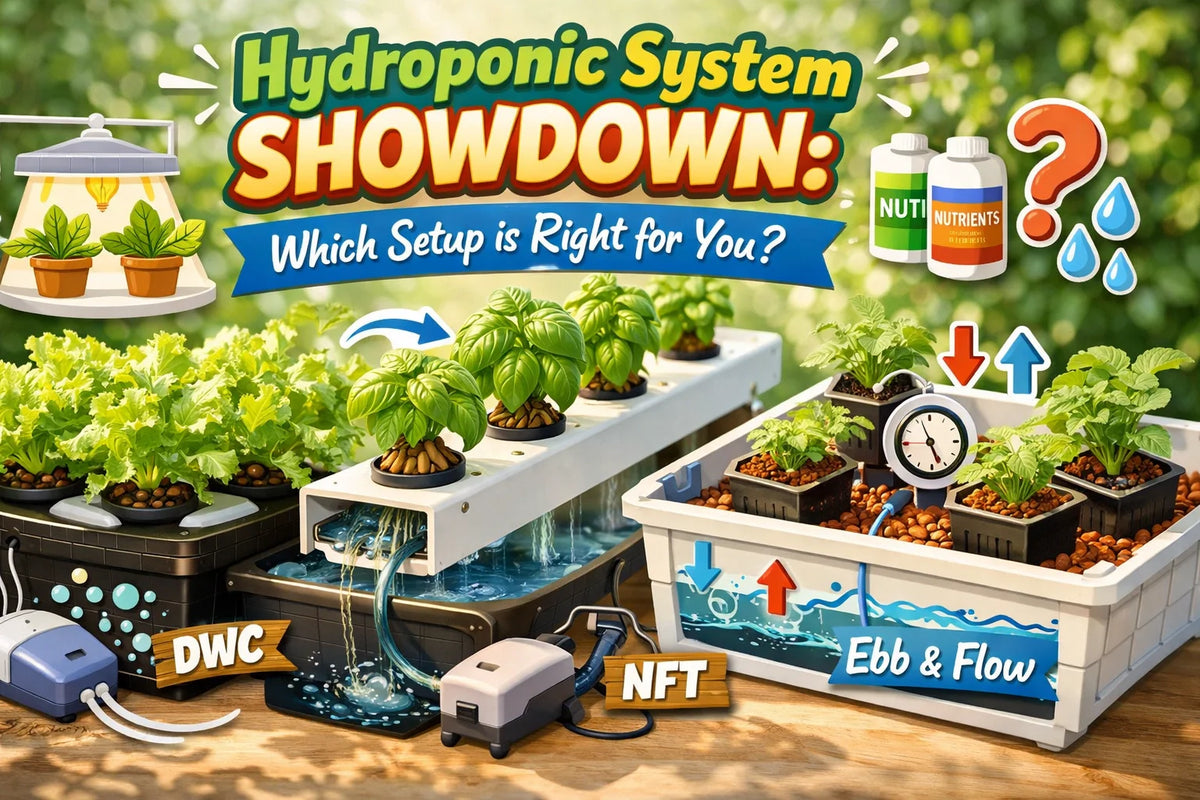
Choosing the wrong hydroponic system is one of the fastest ways to waste money and kill your enthusiasm for indoor gardening. The fact of the matter is, not all hydroponic systems are created equal: and what works brilliantly for one grower might be a nightmare for another.
The good news? Once you understand the core differences between systems, the decision becomes straightforward. This guide breaks down the most popular hydroponic setups, focusing on Deep Water Culture (DWC), Ebb & Flow, and Recirculating Deep Water Culture (RDWC), so you can pick the right system for your space, budget, and skill level.
Understanding the Big Three Systems
Deep Water Culture (DWC): The Beginner's Best Friend
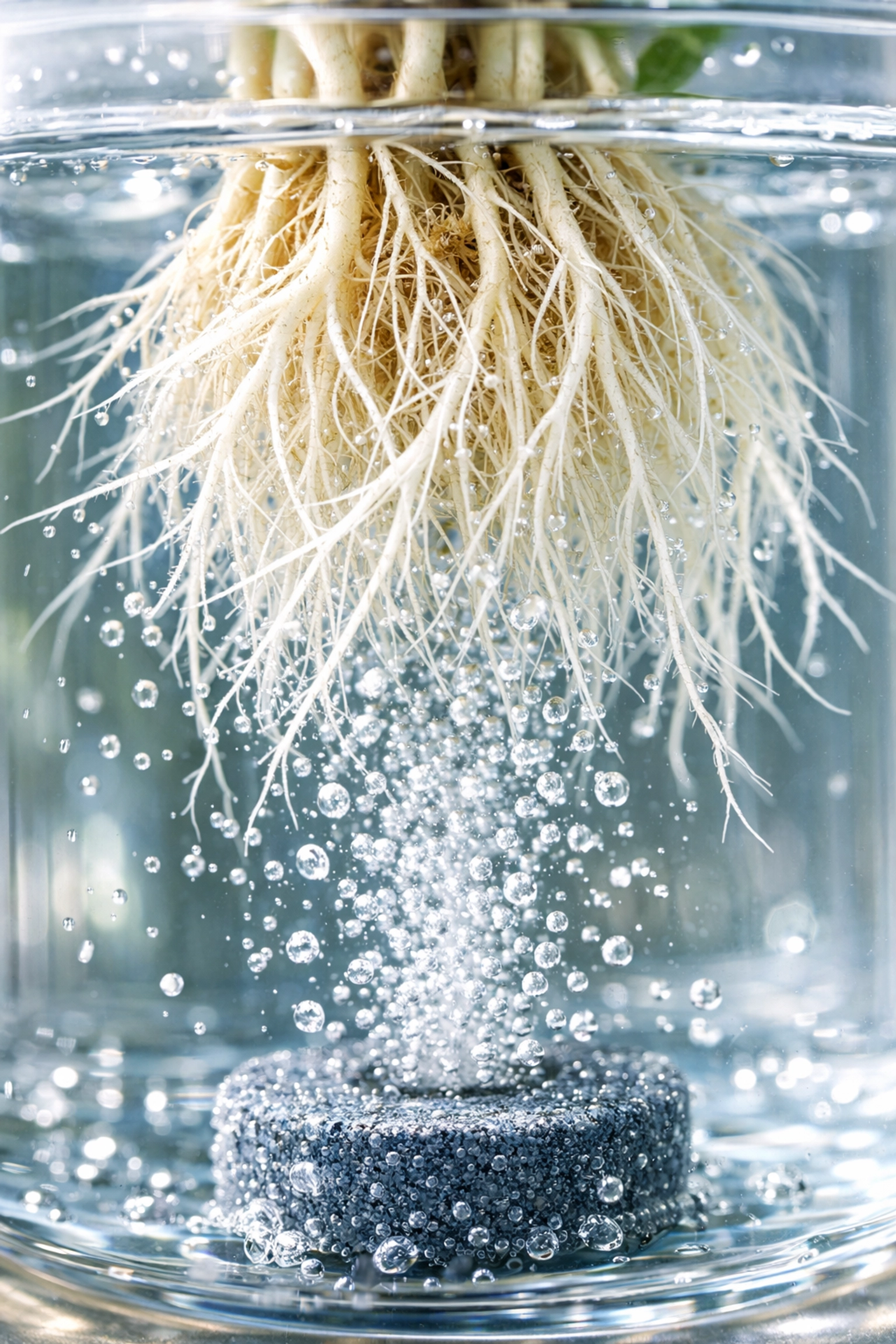
DWC is about as simple as hydroponic systems get. Plants sit in net pots suspended above a reservoir of nutrient solution. An air pump continuously oxygenates the water, and the roots dangle directly into the solution: constantly feeding and breathing.
Why DWC Works for Beginners:
- Minimal Equipment – You need a reservoir, net pots, an air pump, air stones, and your nutrient solution. That's it.
- Forgiving Temperature Stability – Since roots stay submerged, temperature fluctuations are less dramatic than systems with exposed roots.
- Fast Growth Rates – High oxygen levels in the water translate to explosive vegetative growth, especially with leafy greens and herbs.
- Easy Monitoring – Everything happens in one bucket or reservoir. Check your pH and EC in one spot, adjust once, and you're done.
The Drawbacks:
DWC isn't perfect. Root rot is a genuine concern if water temps creep above 72°F. You'll need a chiller or frozen water bottles in warmer climates. Also, DWC works best for smaller plants: think lettuce, basil, spinach. Once you're growing tomatoes or peppers, the root mass can clog the bucket, and heavy fruiting plants become unstable in net pots.
Equipment Checklist:
- 5-gallon buckets (one per plant) or a larger shared reservoir
- Net pots (3-6 inches depending on plant size)
- Air pump and air stones (one per bucket minimum)
- pH and EC meters
- Nutrient solution formulated for hydroponics
Ebb & Flow (Flood and Drain): The Versatile Workhorse
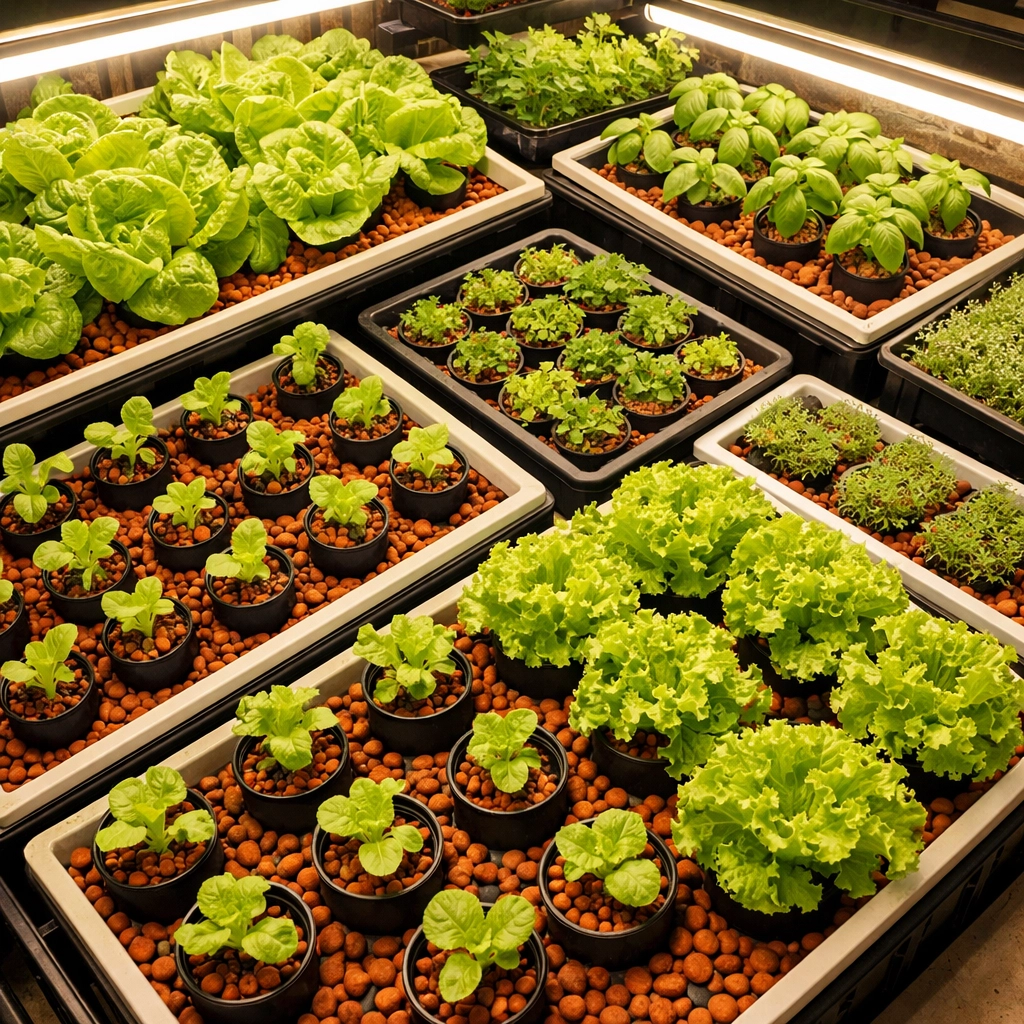
Ebb & Flow systems periodically flood your grow tray with nutrient solution, then drain it back into a reservoir. It's controlled by a timer and a submersible pump. Roots sit in a grow medium (hydroton clay pebbles, coco coir, rockwool), getting intermittent feedings rather than constant submersion.
Why Growers Love Ebb & Flow:
- Plant Versatility – This system handles everything from leafy greens to heavy fruiting plants. The grow medium provides stability that net pots can't match.
- Oxygenation Between Floods – Roots get both nutrients and air. When the tray drains, fresh oxygen reaches the root zone: best of both worlds.
- Scalability – Start with a 2x4 tray and expand to multiple trays sharing one reservoir. It's modular.
- Reduced Root Rot Risk – Since roots aren't constantly submerged, pathogen growth is less aggressive than in DWC (assuming proper drainage).
The Drawbacks:
Ebb & Flow systems have more moving parts. Pump failures mean your plants don't get fed: and you might not notice until they're wilting. Timer malfunctions can over-flood or under-feed your crops. Also, you're managing more equipment: the pump, timer, overflow fittings, and drain lines all need monitoring.
The grow medium matters here. Hydroton is reusable but needs cleaning between cycles. Coco coir holds moisture well but can compact over time. Rockwool is sterile and reliable but not environmentally friendly.
Equipment Checklist:
- Flood tray and stand
- Reservoir (typically 20-50 gallons depending on plant count)
- Submersible water pump (rated for your tray size)
- Timer (preferably digital with multiple on/off cycles per day)
- Grow medium (hydroton, coco, or rockwool)
- Overflow and drain fittings
- Net pots or grow baskets
Recirculating Deep Water Culture (RDWC): The Pro's Choice
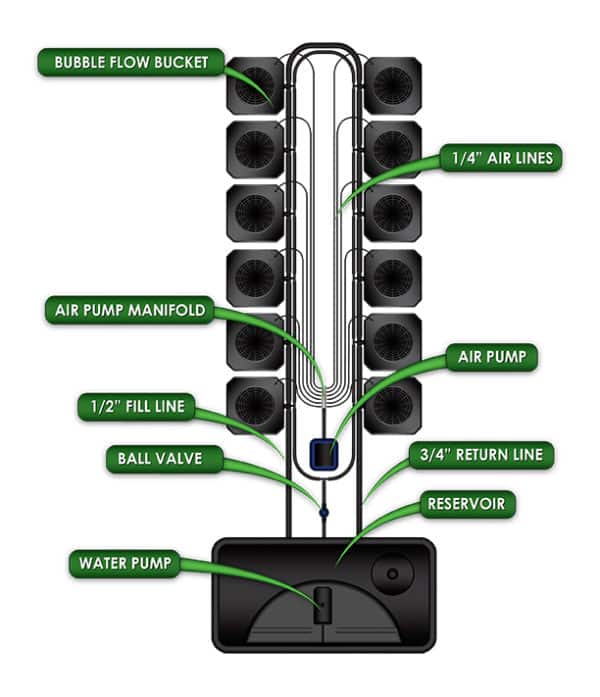
RDWC is DWC on steroids. Instead of individual buckets, multiple grow sites connect to a central reservoir with PVC piping. A water pump continuously circulates nutrient solution through all the buckets, keeping everything uniform: temperature, pH, EC, dissolved oxygen.
Why Advanced Growers Choose RDWC:
- Ultimate Consistency – Every plant gets identical nutrient delivery. No hot spots, no weak zones.
- Centralized Management – Adjust pH and nutrients in the control reservoir, and every bucket updates automatically.
- Explosive Growth – The constant circulation and aeration produce some of the fastest growth rates in any hydroponic system.
- Scalability – Add more buckets to the loop as your operation expands.
The Drawbacks:
RDWC is not a beginner system. Here's why:
- Complexity – You're managing pumps, plumbing, water levels, and flow rates. One leak floods your grow room.
- Pathogen Spread – If one bucket develops root rot or disease, it circulates to every plant in the system within hours.
- Cost – Between multiple buckets, a water chiller, powerful air pumps, circulation pumps, and PVC fittings, you're looking at $500-$1,500 for a basic 4-8 bucket setup.
- Maintenance – Weekly reservoir changes involve draining and refilling 30-80 gallons of nutrient solution.
Equipment Checklist:
- 4-12 grow buckets with lids and net pots
- Control reservoir (30-80 gallons)
- Water pump (400-800 GPH depending on bucket count)
- Air pump and air stones (one per bucket)
- PVC piping and fittings (typically 2-inch for main lines, ¾-inch for returns)
- Water chiller (essential in most climates)
- pH and EC meters (non-negotiable for RDWC)
Other Systems Worth Mentioning
Nutrient Film Technique (NFT)
NFT uses sloped channels where a thin film of nutrient solution constantly flows over exposed roots. It's incredibly water-efficient and perfect for lettuce and herbs. The catch? Root clogs shut down the whole channel, and pump failures kill plants in hours. Best for experienced growers running commercial-scale leafy green operations.
Kratky Method
The simplest hydroponic system: a bucket, a net pot, and nutrient solution. No pumps, no timers, no electricity. The solution level drops as plants drink, creating an air gap at the top for oxygen. Kratky is phenomenal for beginners growing small batches of lettuce or herbs. It doesn't scale well, and it's hands-off to a fault: you can't easily adjust nutrients mid-cycle.
Drip Systems
Drip systems deliver nutrient solution directly to each plant's root zone through emitters. You control feeding frequency and duration. They're excellent for larger fruiting plants and coco coir grows. The downside is clogged emitters and the need for filtration systems if you're using organic nutrients.
Matching Systems to Your Situation
If You're a Complete Beginner:
Start with DWC or Kratky. DWC gives you faster growth and teaches you the fundamentals: pH management, nutrient mixing, water temperature control. Kratky is even simpler but won't prepare you for more advanced systems.
Recommended First Setup:
- 2-4 bucket DWC system
- Leafy greens or herbs (lettuce, basil, cilantro)
- Basic nutrient trio (grow, bloom, micro)
- $150-300 total investment
If You Want Plant Variety:
Go with Ebb & Flow. The grow medium supports heavy plants, and you can run different crop types in the same tray by adjusting feeding schedules. It's the most versatile system for mixed gardens.
If You're Scaling Up:
RDWC is the logical choice for growers moving from hobbyist to semi-commercial production. The consistency and centralized management justify the higher cost and complexity once you're running 20+ plants. Just make sure you've mastered simpler systems first. Jumping straight to RDWC without DWC experience is asking for expensive mistakes.
If Space is Limited:
DWC and NFT work in tight quarters. Vertical NFT towers maximize small footprints, though they require more expertise. A single-bucket DWC system fits in closets and spare bathrooms.
If You're Budget-Conscious:
Kratky and basic DWC are your cheapest entry points. You can build a functional 2-bucket DWC system for under $100 using hardware store parts and food-grade buckets.
Common Mistakes That Kill Systems
1. Ignoring Water Temperature
Every degree above 72°F increases the risk of root rot exponentially. This seems minor until you lose an entire crop to pythium in 48 hours. If you're running DWC or RDWC in a warm environment, a chiller isn't optional: it's mandatory.
2. Skipping pH Calibration
"Close enough" doesn't work with pH meters. Calibrate weekly, replace probes every 12-18 months, and store them properly in storage solution. A miscalibrated meter will have you chasing phantom nutrient deficiencies that don't exist.
3. Over-Complicating Your First Build
New growers love designing elaborate multi-zone RDWC systems with automated dosing and IoT sensors. Then they spend six months troubleshooting instead of growing. Start simple. Master the fundamentals. Add complexity later.
4. Neglecting Reservoir Changes
Nutrient solution isn't infinite. Salts build up, ratios drift, and pathogens accumulate. Change your reservoir completely every 7-14 days depending on plant size and system volume. Topping off with fresh water and nutrients isn't the same thing.
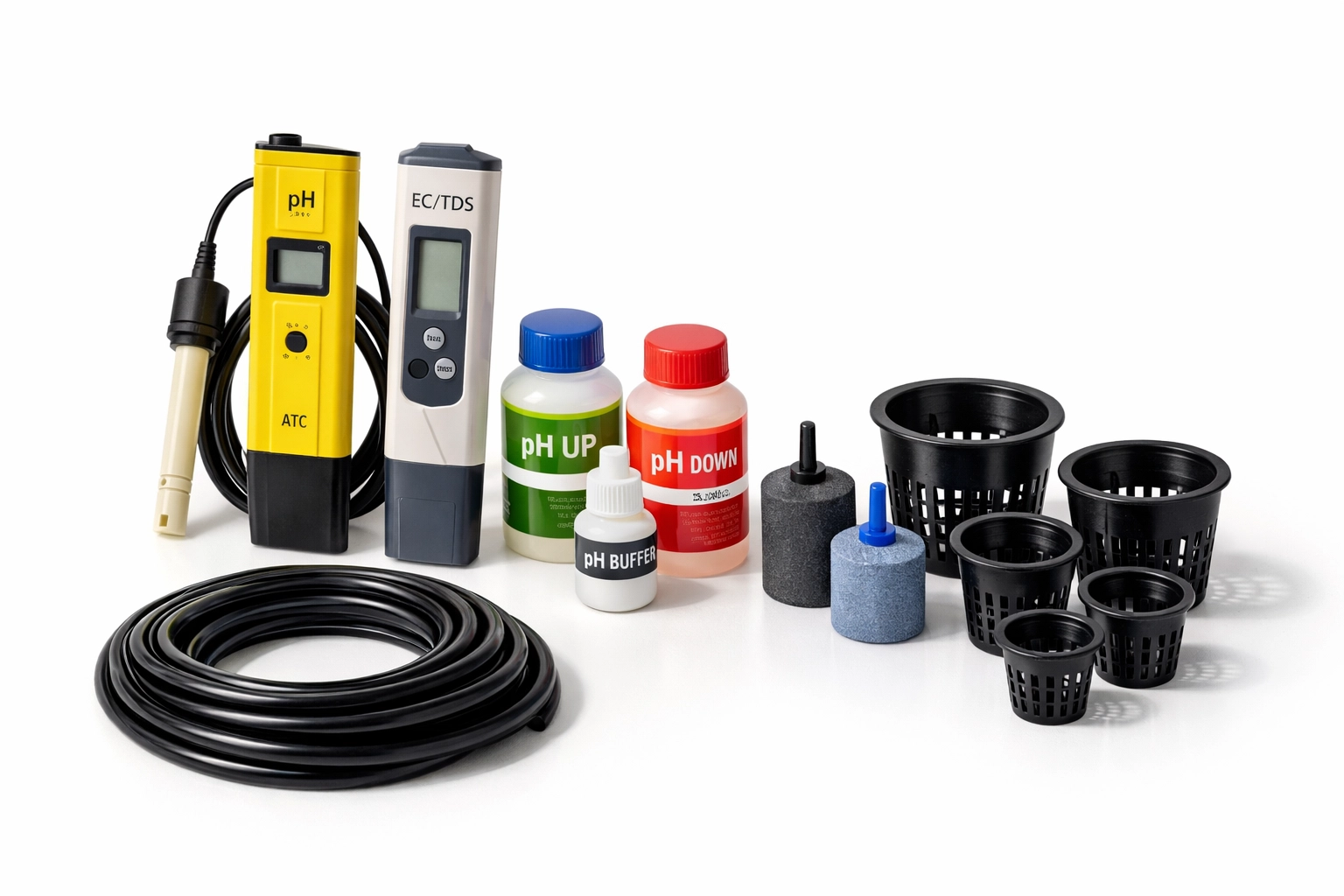
Equipment You'll Actually Need (Regardless of System)
Every hydroponic system requires these basics:
- pH meter – Digital, calibrated, with replacement solution and probes
- EC/TDS meter – For monitoring nutrient concentration
- Nutrients – Base nutrients plus Cal-Mag (essential in RO water systems)
- pH adjusters – pH Up and pH Down solutions
- Light-proof containers – Algae growth in reservoirs kills plants
- Net pots – Various sizes depending on plant type
- Grow medium – Hydroton, rockwool, or coco coir
- Air pump and stones – Even Ebb & Flow benefits from reservoir aeration
Optional but highly recommended:
- Water chiller (for DWC and RDWC)
- Backup air pump (mechanical failures happen)
- Reservoir thermometer
- Extra tubing and fittings (for quick repairs)
The Bottom Line
There's no single "best" hydroponic system: only the best system for your specific situation. DWC gets beginners growing quickly with minimal investment. Ebb & Flow handles diverse plant types and scales gracefully. RDWC delivers maximum performance for experienced growers ready to manage complexity.
Start with your constraints: budget, space, time commitment, and desired crop types. Match those to system strengths. Expect a learning curve with any hydroponic setup, but the payoff: faster growth, higher yields, and year-round harvests: makes the effort worthwhile.
The worst choice is paralysis by analysis. Pick a system that fits your current skill level, buy quality components, and start growing. You'll learn more from one real grow cycle than from six months of research.
Ready to set up your indoor gardening setup? Check out our complete hydroponic systems and components to get started the right way.



Leave a comment
This site is protected by hCaptcha and the hCaptcha Privacy Policy and Terms of Service apply.