
Blog
Does Compost Tea Really Work Indoors? Here's the Truth (With Real Results)
If you've spent any time in indoor gardening forums or watching YouTube grow channels, you've probably heard compost tea mentioned as either a "game-changer" or "snake oil." The truth? Both camps have a point, but they're usually talking about completely different things.
After working with hundreds of indoor growers through our consultation services at Perfect Gardens, I can tell you this: compost tea absolutely works indoors, but only when you understand what you're actually doing and use the right equipment. Let me break down what we've learned.
What Compost Tea Actually Does (And What It Doesn't)
Here's the thing most people get wrong about compost tea: it's not really about nutrients. Sure, there are some dissolved nutrients in there, but if your main goal is feeding your plants NPK, you're better off just using regular fertilizer or top-dressing with solid compost.
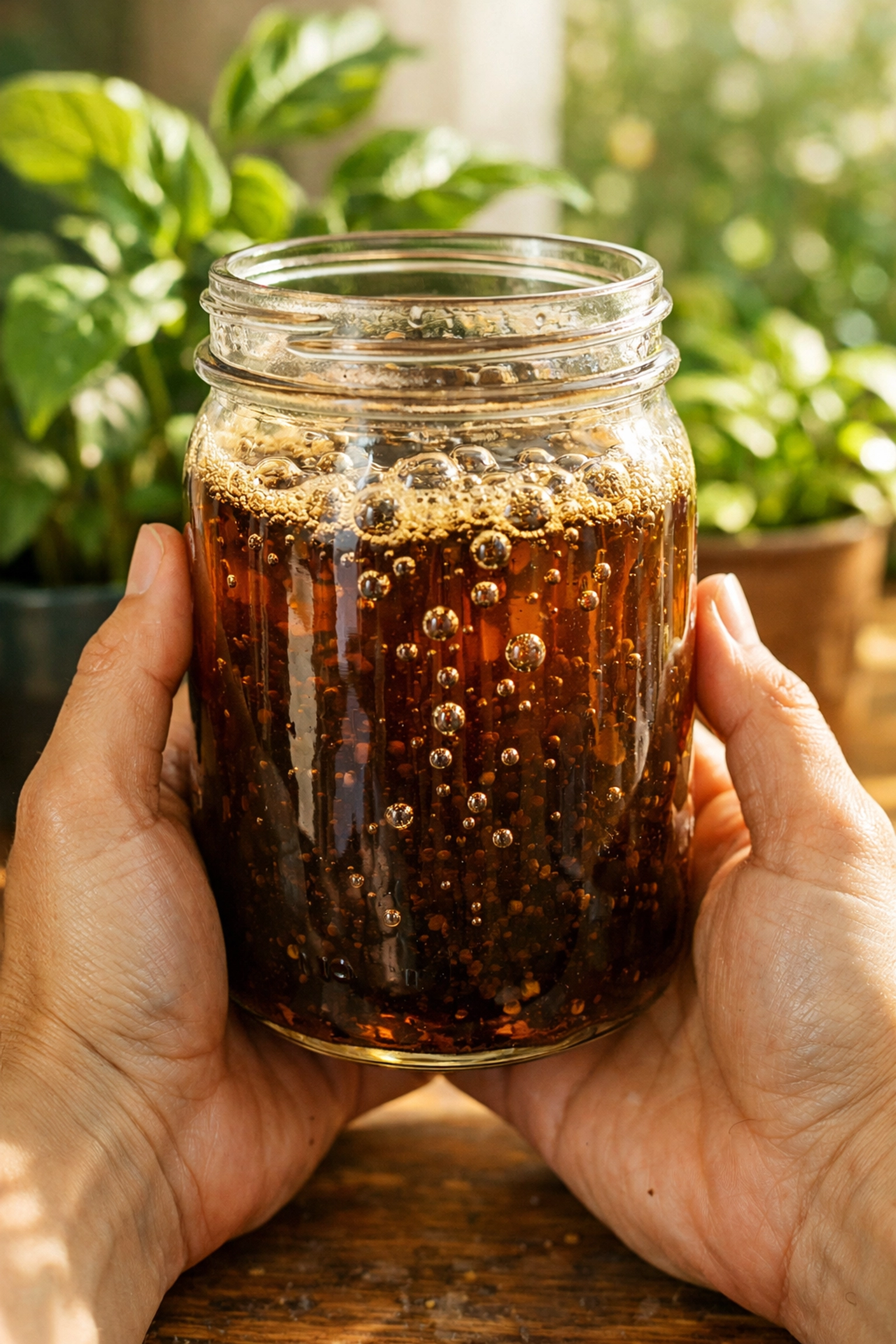
The real magic of compost tea is the living microorganisms. We're talking bacteria, beneficial fungi, protozoa, all the tiny workers that create a healthy soil food web. When you brew compost tea properly, you're creating a concentrated liquid culture of these beneficial microbes that you can quickly apply to your plants' roots or leaves.
Think of it this way: spreading solid compost is like slowly building a city. Applying active compost tea is like airlifting in thousands of skilled workers ready to get to work immediately.
Why Indoor Results Are So Inconsistent (The Dirty Truth)
Research shows that compost tea results are all over the map, especially indoors. Some growers see explosive root growth and healthier plants. Others see... basically nothing. What gives?
After troubleshooting this with countless growers, here's what we've found separates success from disappointment:
1. Most Homemade Brews Are Basically Dirty Water
Harsh, but true. If you're just dunking a bag of compost in a bucket and letting it sit, you're not creating beneficial microbe populations, you're potentially growing the wrong stuff. Without proper aeration and the right food sources, anaerobic bacteria (the stinky, plant-harming kind) can take over.
2. The Quality of Your Starting Compost Matters Tremendously
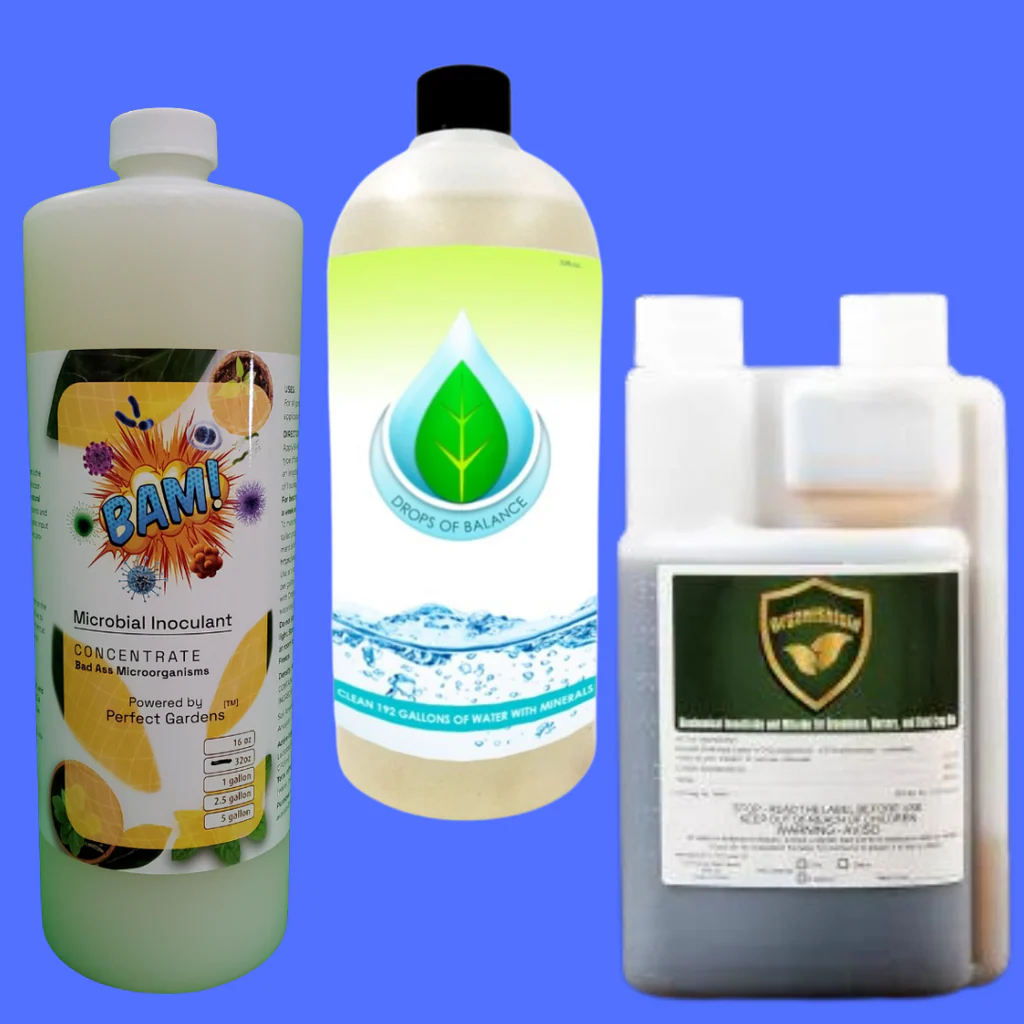
Garbage in, garbage out. If your compost wasn't made properly or has been sitting around for months, the beneficial microbes are likely dormant or dead. This is why we always recommend using a dedicated microbial inoculant like BAM alongside or instead of regular compost.
3. Indoor Plants Need Different Microbe Ratios Than Outdoor
This is the big one people miss. Outdoor soil systems are massive, established ecosystems. Indoor containers, especially in soilless mixes or hydroponic setups, are basically blank slates. They need more frequent microbial inputs and a different balance of organisms.
The research backs this up: compost tea works inconsistently on indoor seedlings unless you add specific ingredients like kelp or humic acid. Why? Because indoor growing media lacks the diversity outdoor soil naturally has.
Real Results We're Seeing in the Perfect Gardens Community
Let me get specific. Over the past year, we've had dozens of growers implement proper compost tea programs in their indoor setups. Here's what consistently happens when they do it right:
Week 1-2: Not much visible change (this is normal, microbes are colonizing)
Week 3-4: Noticeably healthier leaf color, plants look more "vigorous"
Week 6+: Significantly better root development, increased resistance to root diseases, and often a reduction in nutrient deficiency symptoms even when feeding schedules haven't changed
One of our customers running a 4x4 tent with LED grow lights was battling persistent root rot in his DWC system. After implementing weekly foliar sprays and root drenches with properly brewed compost tea (using a quality compost tea brewer and BAM microbial inoculant), the root rot disappeared within three weeks. His plants that were barely limping along suddenly exploded with white, healthy roots.
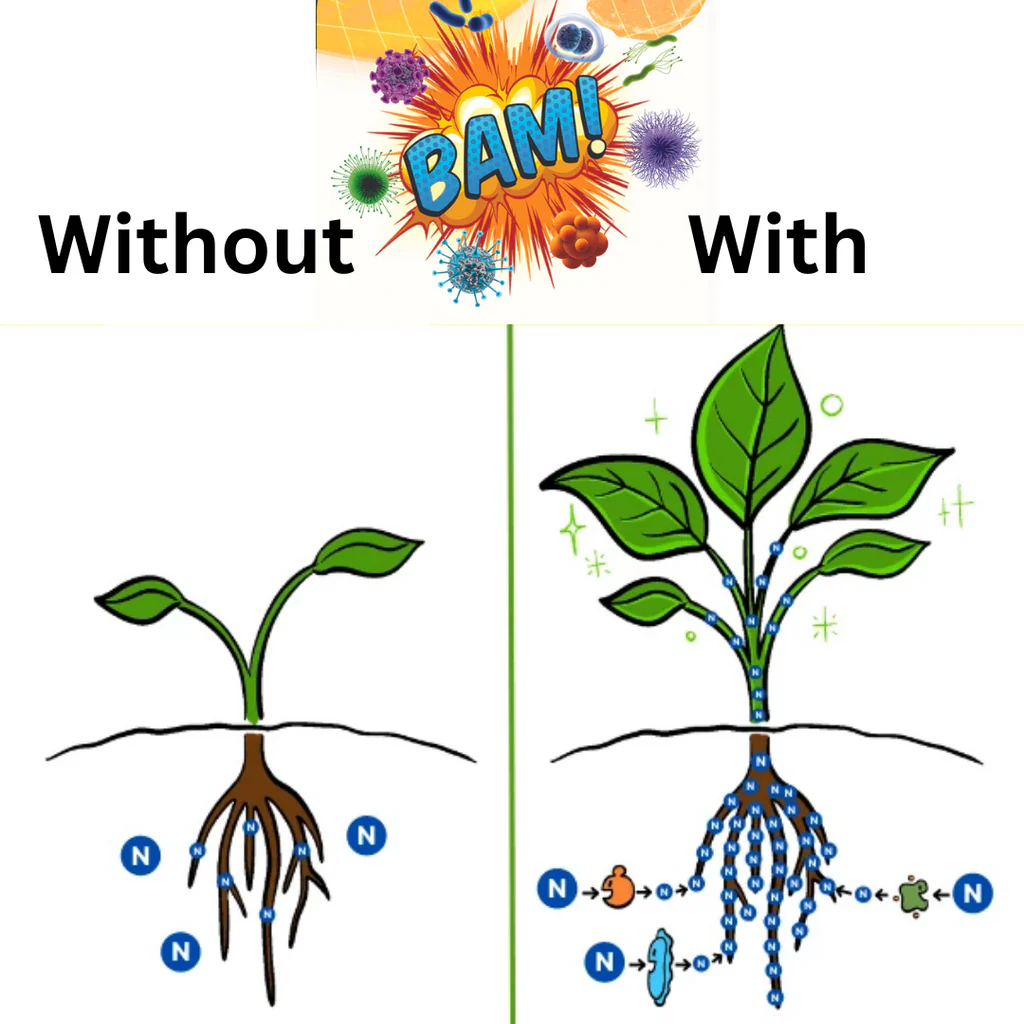
Another grower working with fabric pots in a coco-perlite mix reported being able to reduce her base nutrient strength by about 20% after six weeks of bi-weekly compost tea applications. The plants were absorbing nutrients more efficiently thanks to the microbial activity breaking down organic matter and making nutrients more available.
How to Actually Do This Right Indoors
Okay, enough theory. If you want real results, here's what you actually need:
1. Get a Proper Compost Tea Brewer
This doesn't have to be complicated, but you absolutely need active aeration. The microbes you want are aerobic, they need oxygen. A basic setup includes:
- A 5-gallon bucket
- An aquarium air pump (as strong as you can afford)
- Multiple air stones for good bubble distribution
- A way to strain the finished tea
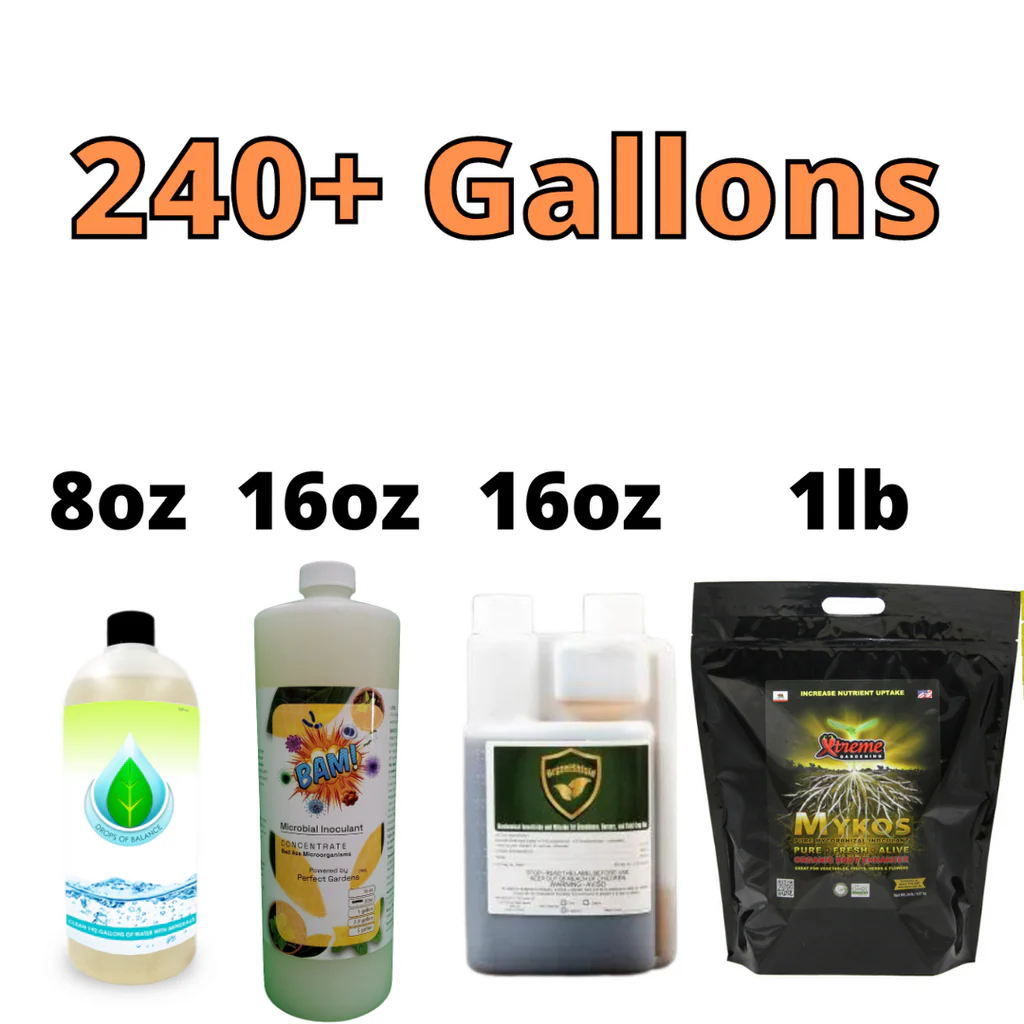
Or just invest in a dedicated compost tea brewer designed for the job. It'll pay for itself in consistency.
2. Use a Quality Microbial Inoculant
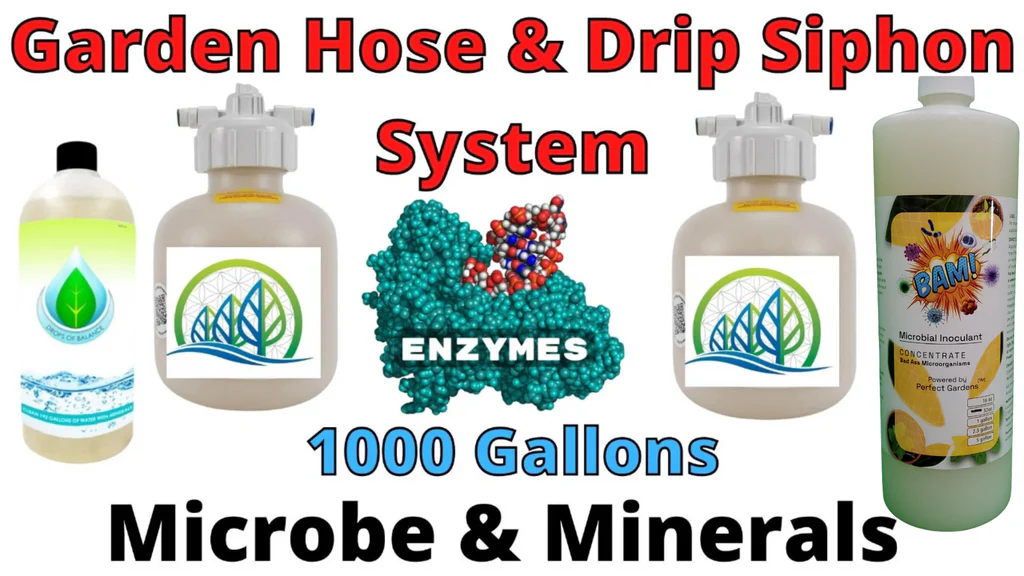
This is where BAM comes in. Instead of gambling on whether your compost has living, beneficial microbes, a microbial inoculant gives you a known population of beneficial organisms specifically selected for plant growth.
BAM contains beneficial bacteria and fungi that colonize root zones, improve nutrient uptake, and outcompete pathogenic organisms. For indoor growing where you're working with limited media volume, starting with a proven inoculant just makes sense.
3. Feed Your Microbes During Brewing
This is critical. Microbes need food to reproduce during brewing. Common options:
- Unsulfured molasses (feeds bacteria)
- Kelp meal (provides trace minerals and growth hormones)
- Fish hydrolysate (protein source)
We typically recommend 1-2 tablespoons of molasses per gallon during brewing. The goal is to see the microbial population explode during the 24-36 hour brew time.
4. Apply Fresh
Once your brew is done (24-36 hours with active aeration), use it within 4-6 hours. The microbes are at peak population and need to get onto your plants or into your growing media before they run out of oxygen and food.
For indoor plants:
- Root drench: Dilute 1:10 with dechlorinated water, apply to soil/media
- Foliar spray: Dilute 1:20, spray leaves in early morning or just before lights-off
But What About the Smell and Mess?
Yeah, I know. This is what stops a lot of indoor growers. Nobody wants their grow tent or spare bedroom smelling like a barnyard.
Here's the reality: properly brewed aerobic compost tea should smell earthy and slightly sweet: not like sewage. If your tea smells bad, you've grown anaerobic bacteria and should toss it.
The mess factor is real but manageable:
- Brew in a bathroom or utility area with a floor drain if possible
- Use a brew stand or bucket dolly so you're not lifting full 5-gallon buckets
- Strain thoroughly to keep your spray equipment from clogging
- Keep a dedicated set of brewing equipment separate from your grow space
Is it more work than just mixing synthetic nutrients? Yeah. But the results in plant vigor, root health, and disease resistance are worth it: especially for growers dealing with recurring issues that fertilizer alone won't solve.
The Bottom Line: When It's Worth It
Compost tea isn't magic, and it's not right for every indoor grower. Here's my honest take:
Skip compost tea if:
- You're running a fully synthetic hydro system with no media (DWC, NFT)
- You're growing short-cycle crops and don't have time for microbes to colonize
- You can't commit to brewing fresh batches regularly
Absolutely use compost tea if:
- You're growing in soil or soilless media
- You're dealing with recurring root health issues
- You want to reduce synthetic nutrient use
- You're growing longer-cycle plants (like tomatoes, peppers, cannabis)
- You're already using organic amendments and want to maximize their effectiveness
The research might be mixed, but our real-world experience with hundreds of indoor growers tells a clear story: when you use a quality compost tea brewer, start with proven microbial inoculants like BAM, and apply it consistently, you'll see measurable improvements in plant health and vigor.
It's not a replacement for proper nutrition, environment, and lighting: but it's a powerful tool that takes your indoor garden from good to exceptional.
Want to learn more about implementing compost tea in your specific setup? Reach out to our team and we'll walk you through it based on what you're growing and your current system.