
If you're like most growers, you've probably wondered whether daily foliar spraying will give your plants that extra boost they need. The answer might surprise you: more isn't always better. In fact, overdoing it can actually harm your plants and waste your time and money.
Mark from Perfect Gardens TV breaks down the science behind effective foliar spraying, and his approach is all about getting maximum results with minimal effort. Here's everything you need to know about optimal foliar spray frequency, plus the specific products and techniques that actually work.
Why Less is More with Foliar Spraying
The biggest mistake most growers make is thinking that daily foliar spraying equals better results. Mark's philosophy is simple: work smarter, not harder. The sweet spot for foliar spraying is a minimum of once per week, with a maximum of twice per week.
This isn't arbitrary: there's solid science behind it. When you spray synthetic or salt-based fertilizers on leaves, the water evaporates but the salts stay behind. If you're spraying daily, these salts accumulate progressively on the leaf surface. Eventually, this salt buildup causes tip burn or leaf corrosion as the concentrated salts draw moisture out of the foliage.
Think of it like this: every time you spray, you're making a deposit on the leaf surface. With synthetic nutrients, you're depositing salts. Do this too often, and you'll overdraw your account: except instead of bank fees, you get burned leaves and stressed plants.

The Two-Product Strategy That Actually Works
Here's where Mark's approach gets really practical. Instead of juggling multiple foliar products and complex feeding schedules, he recommends using just two products: Drops of Balance and OrganiShield. That's it.
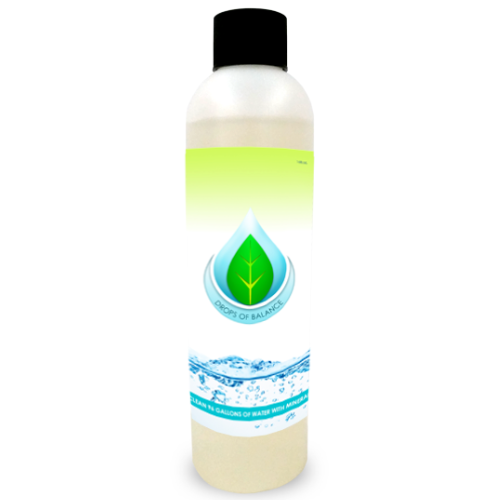
These organic products don't leave behind harmful salt residue like synthetic alternatives. When the water evaporates, you're left with beneficial organic compounds that actually help your plants rather than harming them.
Drops of Balance serves as your mineral foliar feed. Use it at 4 milliliters per gallon of water. This gives your plants essential trace minerals through the leaves while avoiding the salt accumulation problem entirely.

OrganiShield creates a protective barrier on leaf surfaces that lasts approximately 36 hours. For preventative treatment, use 40 milliliters per gallon. If you're dealing with an existing problem like powdery mildew or pest issues, double the concentration to 80 milliliters per gallon.
Timing Your Applications for Maximum Effectiveness
The frequency is only half the equation: timing matters just as much. Never spray during bright sunlight. Plant stomata (the tiny pores on leaves) close when temperatures hit 85°F, which means your plants can't actually absorb what you're spraying anyway.
The optimal application windows are:
- Early morning (before the sun gets intense)
- Late evening (after temperatures drop)
- Lights-off periods for indoor grows
This timing ensures maximum absorption while preventing the spray from evaporating too quickly or causing leaf burn. It also reduces the risk of creating a greenhouse effect on the leaf surface, which can cook your plants.
The Science Behind Weekly Applications
Why does the once-to-twice weekly schedule work so well? It comes down to how plants actually process foliar nutrients and how long protective compounds remain effective.
OrganiShield's protective barrier degrades naturally over about 36 hours. This is actually perfect: it gives you two application windows per week where you can reapply and maintain consistent protection without oversaturating the foliage.
For Drops of Balance, weekly applications provide steady mineral supplementation without overwhelming the plant's ability to process foliar nutrients. Plants can only absorb so much through their leaves at once, so frequent light applications work better than occasional heavy doses.

When to Avoid Foliar Spraying Entirely
Here's a critical point that many growers overlook: stop foliar spraying during the flowering stage. This isn't optional advice: it's essential for preventing mold and bud rot.
Flowering plants naturally have higher internal moisture levels and require increased ambient humidity. Adding foliar spray to this environment creates the perfect storm for fungal problems. The risk simply isn't worth it, especially when your plants are focusing their energy on flower production rather than leaf growth.
If you're growing indoors, this means switching to foliar applications only during vegetative growth. Outdoor growers should stop foliar feeding once pre-flowering begins.
The Minimum Effort, Maximum Results Philosophy
Mark's approach isn't just about plant health: it's about efficiency. By limiting foliar applications to 1-2 times per week with just two products, you're:
- Saving time: No daily mixing and spraying routines
- Reducing costs: Less product waste and fewer applications
- Minimizing risk: Lower chance of salt buildup or overfeeding
- Maximizing effectiveness: Each application has time to work properly
This philosophy extends beyond just foliar feeding. The most successful growers are those who identify the minimum effective dose for maximum results, then stick to it consistently rather than constantly tweaking and adjusting.
Common Mistakes That Waste Your Time and Money
Mistake #1: Daily Applications More frequent spraying doesn't equal better results. It often leads to salt accumulation, increased labor, and diminishing returns on your investment.
Mistake #2: Using Multiple Products Switching between different foliar feeds creates inconsistent results and makes it impossible to determine what's actually working.
Mistake #3: Ignoring Dilution Rates Following label instructions isn't optional. Too strong, and you risk burning leaves. Too weak, and you're wasting product and time.
Mistake #4: Wrong Timing Spraying during peak sunlight hours is essentially throwing money away while potentially damaging your plants.

Getting Started with Mark's Low-Labor Strategy
Ready to implement this simplified foliar feeding approach? Here's your action plan:
Week 1-2: Establish Your Baseline Start with once-weekly applications using both Drops of Balance (4ml/gallon) and OrganiShield (40ml/gallon). Apply during early morning or late evening hours.
Week 3-4: Assess and Adjust If plants are responding well and you want to maximize growth during vegetative stages, increase to twice weekly. Monitor for any signs of salt buildup or stress.
Week 5+: Maintain Consistency Stick with your chosen frequency. Consistency beats constant adjustments every time.
Product Selection and Where to Find Them
The beauty of Mark's system is its simplicity. You only need two products, both available through Perfect Gardens. This eliminates the guesswork of mixing multiple foliar feeds and ensures compatibility between products.
Both Drops of Balance and OrganiShield are OMRI-listed organic products, which means they're approved for organic growing systems. This also explains why they don't cause the salt buildup issues associated with synthetic alternatives.
The Bottom Line on Foliar Spray Frequency
Effective foliar feeding isn't about doing more: it's about doing the right things consistently. Mark's approach of 1-2 weekly applications with organic products delivers better results than daily synthetic spraying while requiring far less effort.
This minimum effective dose strategy works because it respects how plants actually process foliar nutrients while avoiding the common pitfalls that plague most growers. You'll spend less time mixing solutions, save money on products, and get healthier plants in return.
Ready to try Mark's low-labor foliar strategy? Start with the two-product system and stick to the weekly schedule. If you have questions about specific products or need guidance on implementation, the team at Perfect Gardens can help you get started with the right approach for your growing setup.



Leave a comment
This site is protected by hCaptcha and the hCaptcha Privacy Policy and Terms of Service apply.