

If you’ve made the jump from soil gardening to hydroponics, you already know that things move a lot faster in the water. The growth is explosive, the control is unparalleled, and: if we’re being honest: the margin for error is a lot thinner. In a soil-based garden, the earth acts as a buffer, holding onto nutrients and slowly releasing them. In hydroponics, you are the source. You are the "nature" in this equation.
Feeding your plants in a hydroponic system isn't just about dumping some liquid fertilizer into a reservoir and hoping for the best. It’s about understanding the chemistry of what your plants need to thrive. If you get it right, you’ll see yields that make your soil-growing neighbors jealous. If you get it wrong, your plants can go from vibrant green to "call the morgue" in about 48 hours.
Let’s break down the basics of hydroponic nutrients so you can feed with confidence.
The Big Three: Understanding N-P-K
Every bottle of plant food you pick up will have three numbers on the front, like 5-10-5 or 20-20-20. This is the N-P-K ratio, representing Nitrogen (N), Phosphorus (P), and Potassium (K). These are the macronutrients, the "heavy lifters" that your plants consume in large quantities.
1. Nitrogen (N) – The Growth Engine
Nitrogen is the primary driver for leaf and stem growth. It’s essential for the production of chlorophyll, which is how your plants turn light into energy. During the vegetative stage, your plants are "Nitrogen hungry." If you see older leaves turning yellow at the bottom of the plant, that’s often a sign that your plant is sucking Nitrogen out of its own leaves to fuel new growth because it isn't getting enough from the reservoir.
2. Phosphorus (P) – The Bloom Builder
Phosphorus is all about energy transfer and structural development. It plays a massive role in root growth early on, but its real time to shine is during the flowering or fruiting stage. Higher levels of Phosphorus help the plant transition from growing "tall" to growing "heavy."
3. Potassium (K) – The Quality Controller
Think of Potassium as the plant's immune system and regulator. It helps the plant move water and nutrients through its "veins" and regulates the opening and closing of stomata (the pores on the leaves). It makes your plants more resilient to temperature swings and pests.
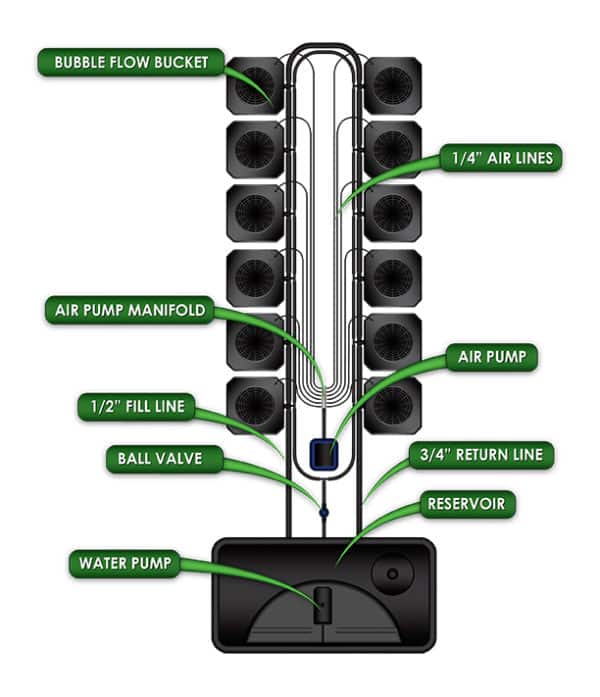
Beyond N-P-K: Micronutrients and Secondary Minerals
While N-P-K gets all the glory, your plants can't survive on those three alone. They also need secondary macronutrients like Calcium, Magnesium, and Sulfur, along with a cocktail of micronutrients like Iron, Manganese, Boron, and Zinc.
In soil, these are usually present in the dirt. In a hydroponic system, you have to provide them. This is where many beginner growers run into "Cal-Mag" issues. Because high-intensity LED grow lights drive the plant to work so hard, they often burn through Calcium and Magnesium faster than the base nutrients can provide.
The Role of Trace Minerals
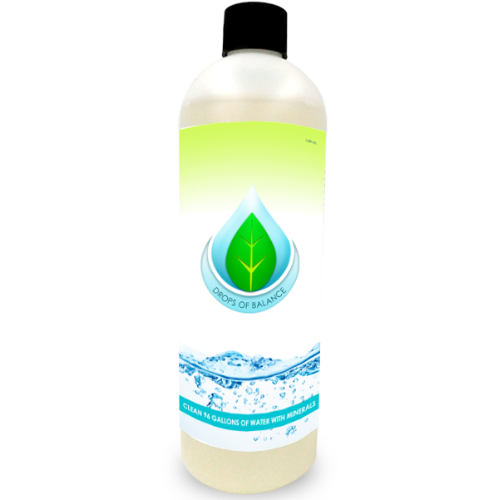
The fact of the matter is that most synthetic nutrient lines are "clean," meaning they provide the bare essentials but often miss the complex mineral profile found in natural spring water or healthy soil. This is why we often recommend a mineralizing solution like Drops of Balance.
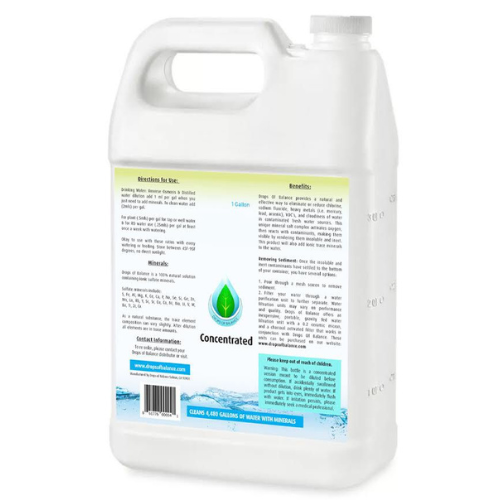
Drops of Balance helps by adding back essential trace minerals that might be missing from your filtered or RO (Reverse Osmosis) water. It also helps to "flocculate" or clump together impurities in the water, making them easier for your system to handle and ensuring your plants are getting the cleanest, most bioavailable minerals possible. You can find these types of specialized additives in our plant nutrients packages.
pH Levels: The Gatekeeper of Nutrition
You could have the most expensive nutrient solution in the world, but if your pH is off, your plants will starve. In hydroponics, pH is the measure of how acidic or alkaline your water is. Most hydroponic plants prefer a slightly acidic environment, typically between 5.5 and 6.5.
Why does it matter? It’s all about "Nutrient Lockout." At certain pH levels, the chemical bonds of specific nutrients change, making them impossible for the plant roots to absorb. For example, if your pH climbs above 7.0, your plant might struggle to take in Iron or Manganese, even if the reservoir is full of it.
Pro Tip: Check your pH daily. As plants drink water and eat nutrients, the chemistry in the reservoir shifts, causing the pH to swing. A cheap digital pH pen is the most important tool in your arsenal.

Nutrient Strength: PPM and EC
How do you know if you’ve put too much or too little food in the water? You measure the "strength" using PPM (Parts Per Million) or EC (Electrical Conductivity).
- EC (Electrical Conductivity): This measures how well the water conducts electricity. Since nutrients are essentially mineral salts, more nutrients equals higher conductivity.
- PPM (Parts Per Million): This is a calculation based on the EC reading. It gives you a literal count of the "stuff" in your water.
Beginner plants (seedlings) need very low strength (maybe 200-300 PPM), while big, flowering plants can handle 1000+ PPM depending on the species.
Caution: More is not always better. "Nutrient Burn" happens when the concentration is so high that it actually sucks water out of the plant's roots through osmosis, leading to crispy, brown leaf tips. It's always easier to add more nutrients than it is to fix a plant that's been fried by overfeeding.
Water Quality: The Foundation
Most growers start with tap water. The problem? Tap water is often treated with chlorine or chloramines and can have high levels of "mystery minerals" like calcium carbonate that mess with your N-P-K ratios.
If you’re using a high-quality mineral concentrate like the one-gallon Drops of Balance, you’re already a step ahead. These solutions help stabilize the water and ensure that the minerals entering your plant's system are beneficial rather than harmful.
If your tap water starts at 300 PPM before you even add nutrients, you’re "fighting" the water for space. You only have so much room in the solution for minerals; you want as much of that room as possible to be filled with the food your plants actually want.
The Secret Sauce: Beneficial Microbes
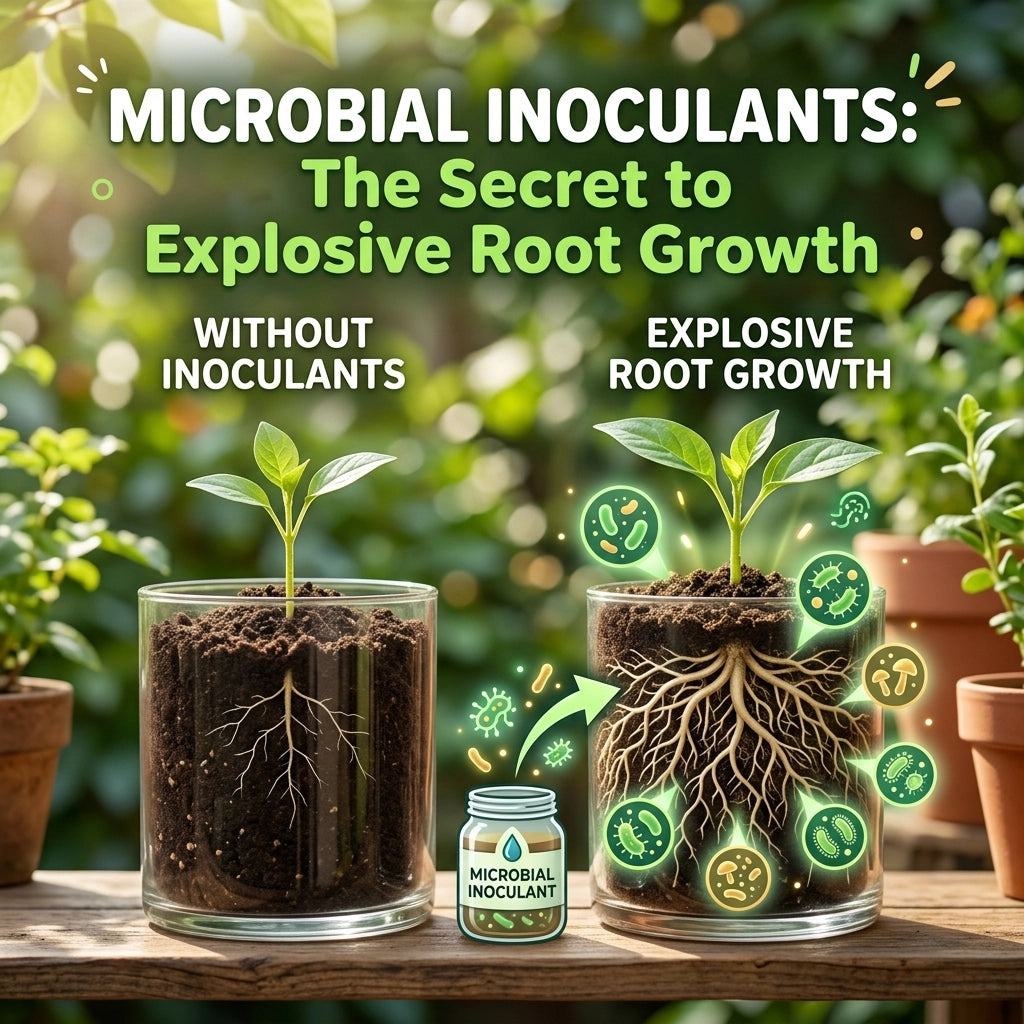
Wait, isn't hydroponics supposed to be sterile? Not necessarily. While some growers prefer a "dead" system, many of the most successful growers use "living" hydroponics. By adding beneficial microbes (bacteria and fungi), you create a symbiotic relationship at the root zone.
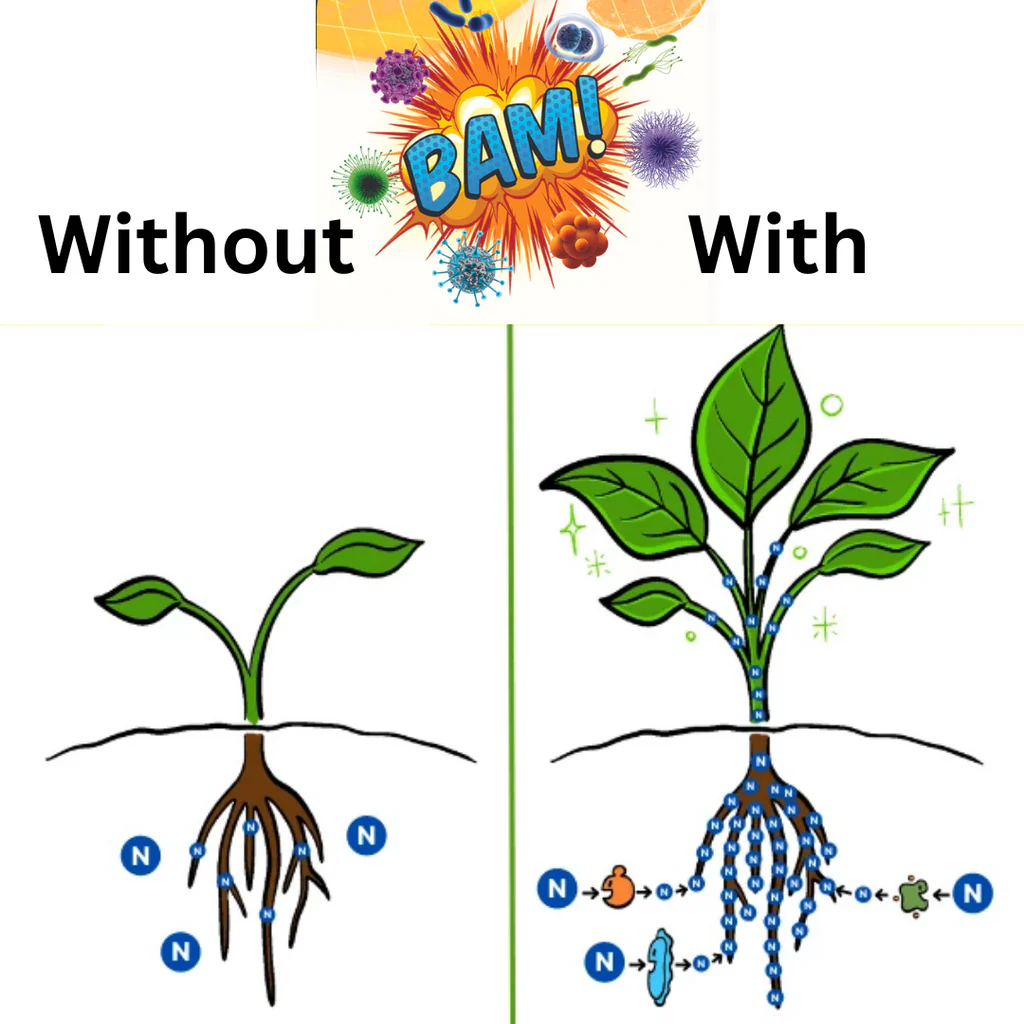
Microbes like Mycorrhizae or BAM (Beneficial Ancient Microbes) break down nutrients into even smaller, more absorbable forms and protect the roots from pathogens like root rot (Pythium). When you combine a solid nutrient base with a microbial inoculant kit, you’re giving your plants the best of both worlds: the speed of hydro and the biological complexity of soil.
Common Mistakes to Avoid
- Overcomplicating the Mix: You don't need 15 different bottles of "boosters." Stick to a solid base nutrient, a good mineralizer like Drops of Balance, and maybe one bloom booster for the end of the cycle.
- Ignoring Water Temperature: If your reservoir gets too hot (above 75°F), it holds less oxygen, and your plants will struggle to eat, no matter how much food you give them.
- Not Calibrating Meters: If your pH pen is off by 0.5, you’re flying blind. Calibrate your tools at least once a month.
- Topping off with Nutrients: If your water level drops, the plants have usually drunk the water but left some minerals behind. If you top off with full-strength nutrient water, the PPM will skyrocket. Usually, you should top off with plain, pH-balanced water between full reservoir changes.
Summary: Success is in the Solution
Feeding your hydroponic garden is a balancing act of chemistry and observation. Start with clean, mineralized water, keep your N-P-K ratios appropriate for the growth stage, and never: ever: ignore your pH levels.
If you’re feeling overwhelmed, don't sweat it. Every master grower started with a few burnt leaves and a confused look on their face. The key is to stay curious and keep a grow log so you can track what works for your specific setup.
Got questions about which nutrients are right for your specific setup? Reach out to us at Perfect Gardens or join our Army of Growers to learn from a community that’s been through it all. Happy growing!

Leave a comment
This site is protected by hCaptcha and the hCaptcha Privacy Policy and Terms of Service apply.