
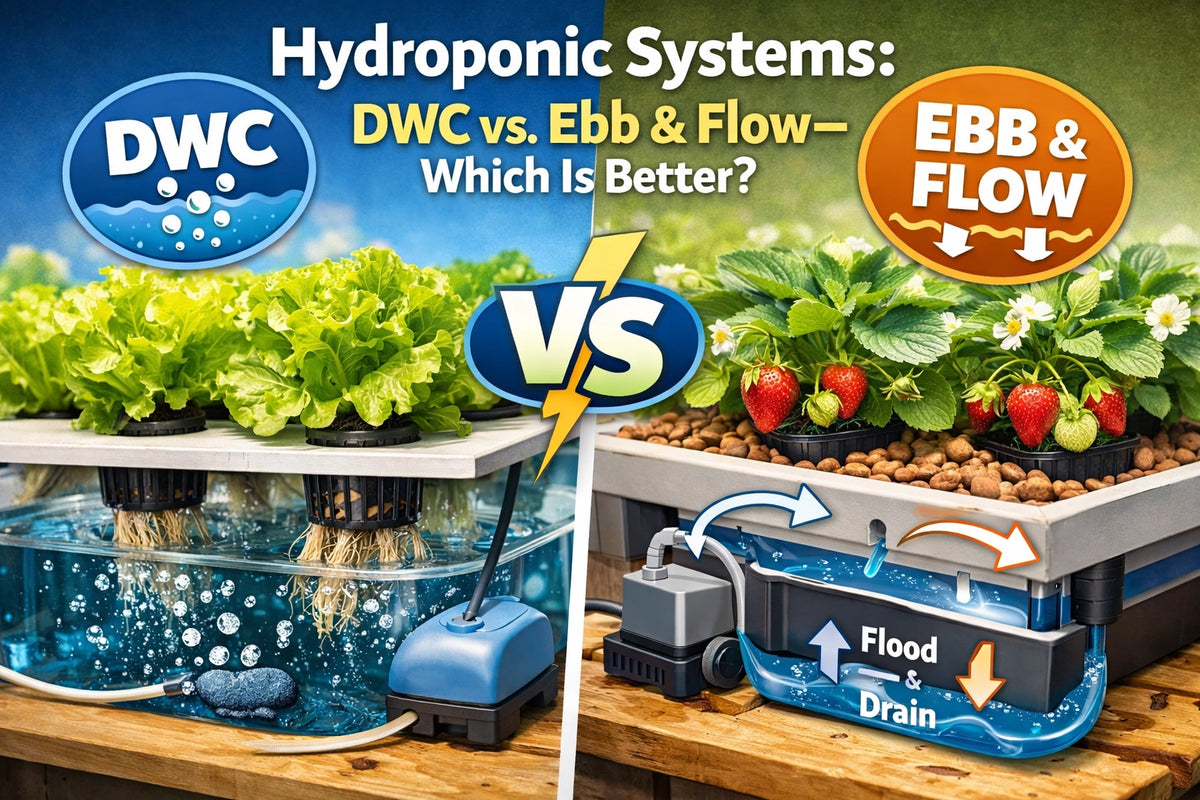
If you’ve been hanging around the indoor gardening world for more than five minutes, you’ve probably heard the debate: DWC or Ebb & Flow? It’s the classic "this vs. that" of the hydroponic community.
Choosing between these two systems is one of the biggest decisions you’ll make when setting up your grow room. It’s not just about which one looks cooler in a YouTube video; it’s about how much time you want to spend maintaining it, how fast you want your plants to grow, and how much "buffer room" you need if things go sideways.
The fact of the matter is that neither system is objectively "better" for everyone. The right choice depends entirely on your lifestyle, your experience level, and your goals. Let’s break down the mechanics, the pros, and the pitfalls of both so you can decide which one deserves a spot in your hydroponic setup.
1. Deep Water Culture (DWC): The "Nitro-Boost" Method
Deep Water Culture is about as pure as hydroponics gets. In a DWC system, your plant’s roots are suspended in a net pot and hang directly into a reservoir filled with a highly oxygenated nutrient solution.
Think of it like a spa for your plants. The roots stay submerged 24/7. Because they never have to "search" for water or nutrients, the plant can focus all its energy on leaf, flower, and fruit production.

The Mechanics of DWC
A basic DWC setup usually consists of:
- A Reservoir: Typically a 5-gallon bucket.
- An Air Pump & Air Stone: This is the heart of the system. It bubbles oxygen into the water so the roots don't "drown."
- Net Pots and Grow Media: Just enough to hold the plant in place (usually clay pebbles).
The Pros:
- Insane Growth Rates: Because the nutrients are always available, plants in DWC grow significantly faster than those in soil or even some other hydro systems.
- Simple Setup: There are no complex timers or moving water pumps to fail. It’s just air and water.
- Individualized Care: Since each plant usually has its own bucket, you can tailor the nutrients specifically for that plant.
The Cons:
- Temperature Sensitivity: Because the roots are in water constantly, if that water gets too warm (above 72°F), you are asking for root rot.
- Maintenance Intensity: You have to check pH and PPM (parts per million) levels almost daily because a small volume of water can change its chemistry very quickly.
2. Ebb & Flow: The "Set It and Forget It" Choice
Ebb & Flow (also known as Flood and Drain) works on a cycle. Instead of the roots sitting in water constantly, they sit in a tray filled with grow media (like expanded clay or rockwool). A pump on a timer periodically floods the tray with nutrient solution and then lets it drain back into a main reservoir.
 Visual Suggestion: An interactive-style diagram showing the "Flood" phase where water rises to the overflow pipe, and the "Drain" phase where gravity pulls the water back down, pulling fresh oxygen into the root zone.
The Mechanics of Ebb & Flow
- The Tray: Where the plants live.
- The Reservoir: A large tank underneath the tray that holds the bulk of your water.
- Submersible Pump & Timer: These automate the flooding process.
The Pros:
- Forgiveness: If your pump fails, the grow media stays moist for a while, giving you a window of time to fix the issue.
- Ease of Maintenance: You only have one large reservoir to manage. Instead of checking ten different buckets, you check one big tank.
- Massive Root Systems: The drying-out period between floods encourages the roots to "stretch" and grow larger in search of moisture.
The Cons:
- Pathogen Spread: If one plant gets a disease, the shared reservoir means every plant in the system is likely to get it.
- Salt Buildup: As the water evaporates from the grow media between floods, mineral salts can build up and cause "nutrient burn" if you aren't careful.
3. Growth Performance: Speed vs. Root Strength
When we look at growth, DWC usually takes the trophy for speed. Because the roots are constantly bathed in oxygen-rich water, the vegetative stage is remarkably short.
However, Ebb & Flow creates a different kind of "strength." The periodic drying cycles force the plant to develop a more robust, complex root network. While the top of the plant might grow a bit slower than a DWC plant, the root system is often heartier and better prepared for environmental stress.
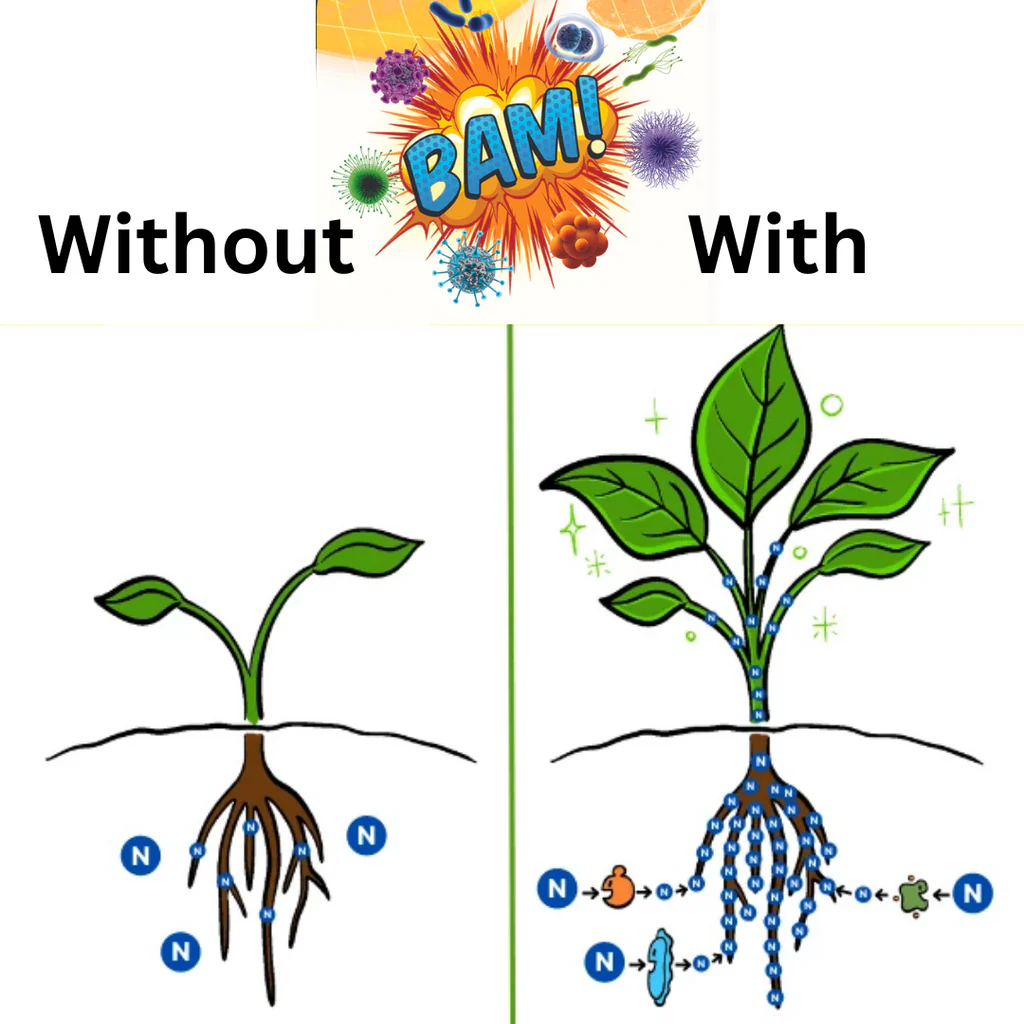
As seen above, the right side shows what happens when you maximize oxygen and beneficial inputs. DWC mimics this "high-performance" environment constantly, while Ebb & Flow provides it in rhythmic bursts.
4. Maintenance and Reliability
This is where the two systems really diverge.
DWC: The Precision Machine
In a DWC system, you are the pilot. Because each bucket is its own ecosystem, you have to be diligent. If you have 10 buckets, you have 10 different pH levels to monitor. If an air pump dies in the middle of a July heatwave, your roots can turn to mush (root rot) in less than 24 hours. It is a high-reward system, but it demands high attention.
Ebb & Flow: The Reliable Workhorse
Ebb & Flow is much easier for the hobbyist who has a "real job" and can't check their plants every six hours. Managing one large reservoir is significantly easier than managing many small ones. Plus, because the roots aren't submerged 24/7, they are naturally more resistant to root rot. If you are a beginner, it is much harder to "break" an Ebb & Flow system.
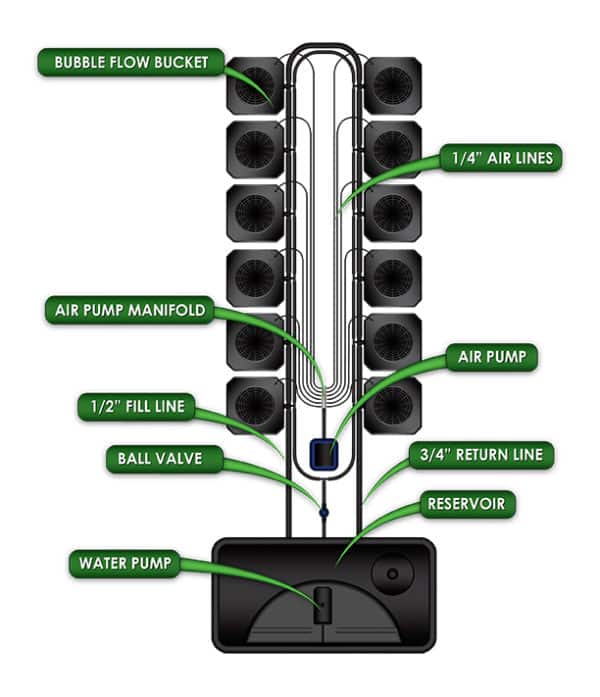
5. Nutrient Management and Water Usage
Water efficiency is a major factor in 2026. DWC is actually quite water-efficient because the water is contained in sealed buckets with minimal evaporation. Ebb & Flow, because of the large surface area of the flood tray, can lose more water to evaporation.
Regardless of the system you choose, the quality of your nutrients is non-negotiable. In hydroponics, there is no soil to "buffer" mistakes. If your nutrients are out of balance, the plant shows it immediately.
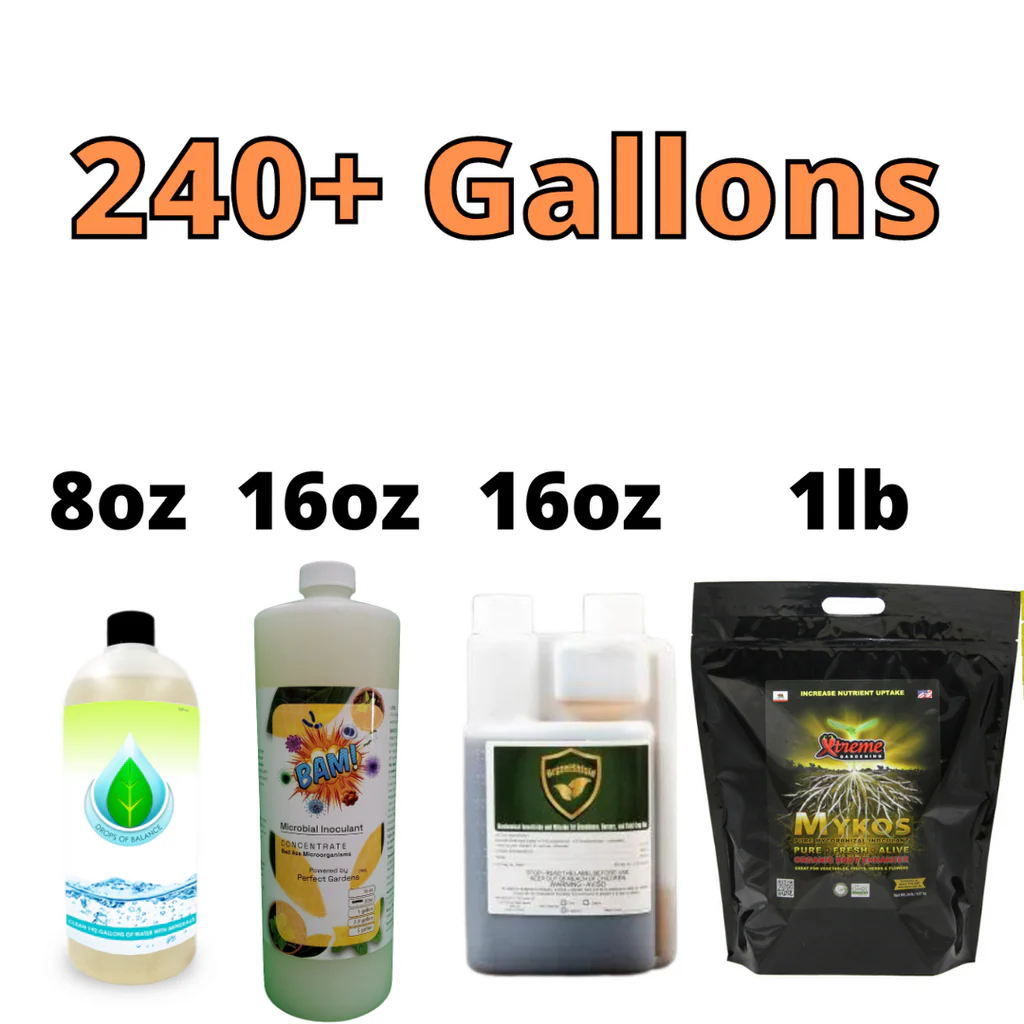
Pro Tip: Whether you go DWC or Ebb & Flow, using a microbial inoculant (like BAM or Mycorrhizae) is your best insurance policy. These "beneficials" live on the roots and protect them from the pathogens that cause root rot, especially in the warmer water temperatures often found in DWC buckets.
The Verdict: Which Is Better for You?
So, after looking at the data, which way should you lean? It seems more like a choice of lifestyle than a choice of "which grows better weed or tomatoes."
Choose Deep Water Culture (DWC) if:
- You want the absolute fastest growth possible.
- You have the time to check your reservoirs daily.
- You are growing a small number of very large plants.
- You can keep your grow room temperatures strictly controlled.
Choose Ebb & Flow if:
- You want a forgiving system that won't die if the power goes out for an hour.
- You are a beginner or a "busy" gardener.
- You are growing a large number of smaller plants (SOG - Sea of Green style).
- You want the easiest possible maintenance routine.
At the end of the day, both systems are capable of producing world-class harvests. If you're ready to dive in, check out our complete hydroponic systems to find the setup that fits your space.
Caution: No matter which system you pick, always start with clean, filtered water. High chlorine or heavy metal content in your tap water can ruin a hydroponic run before it even starts. Happy growing!

Leave a comment
This site is protected by hCaptcha and the hCaptcha Privacy Policy and Terms of Service apply.