
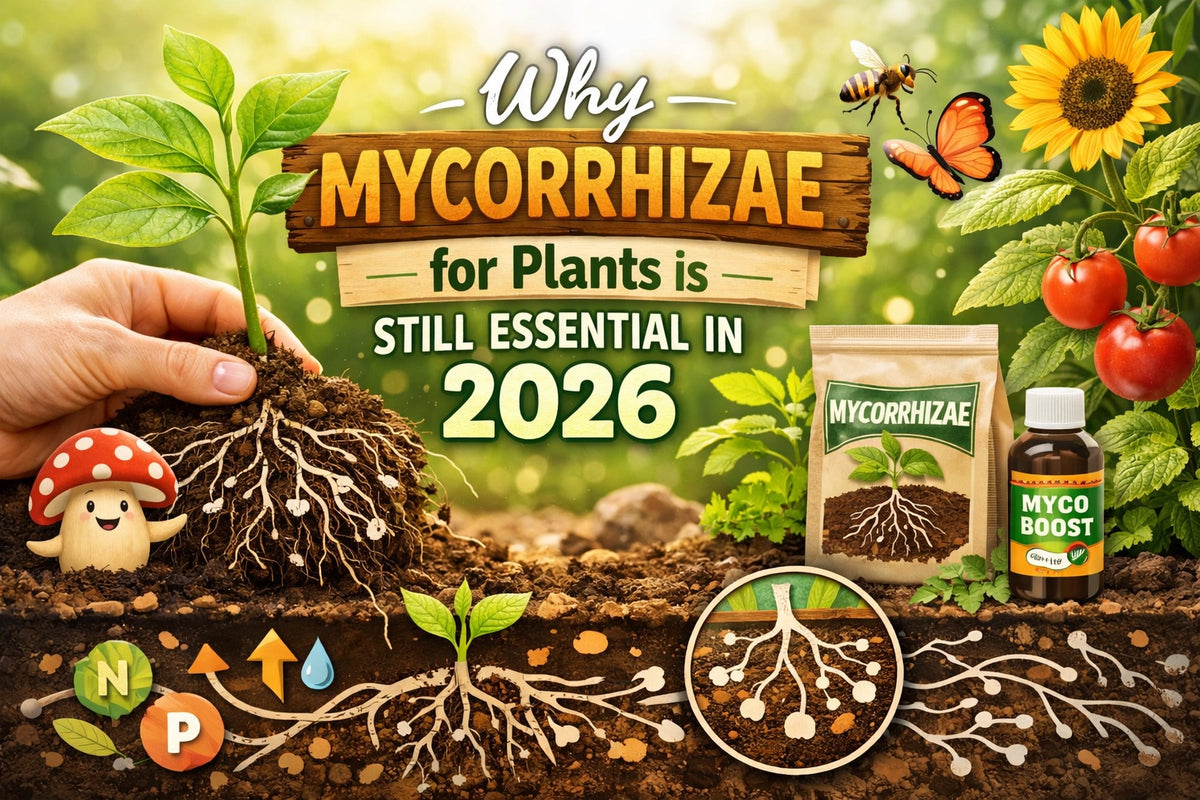
It’s 2026, and the world of indoor gardening and hydroponics has seen some incredible technological leaps. We have AI-controlled environments, ultra-efficient LED spectrums, and automated nutrient dosers that handle the heavy lifting. But despite all the high-tech gadgets we stock here at Perfect Gardens, one of the most powerful tools in a grower's arsenal remains a biological technology that is millions of years old: Mycorrhizae.
If you’ve been hanging around the shop or browsing our site for a while, you’ve probably heard us talk about "beneficials." But why, in an era of precision synthetic nutrients, is this specific fungus still considered the "secret sauce" for professional and home growers alike?
The truth is, as climate patterns become more unpredictable and the cost of raw mineral fertilizers continues to fluctuate, the symbiotic relationship between plants and fungi isn't just a "nice-to-have" anymore: it’s an essential strategy for efficiency and plant resilience.
What is Mycorrhizae? (The 2026 Perspective)
To understand why it’s still relevant, we have to look at what it actually does. The term "Mycorrhizae" comes from the Greek words for "fungus" (mykos) and "root" (rhiza). It describes a symbiotic relationship where the fungus colonizes the plant's root system.
In exchange for sugars (carbohydrates) produced by the plant through photosynthesis, the fungi extend a massive network of fine filaments called hyphae into the surrounding medium. This effectively extends the plant's root reach far beyond what it could achieve on its own.
1. The 700x Nutrient Factor
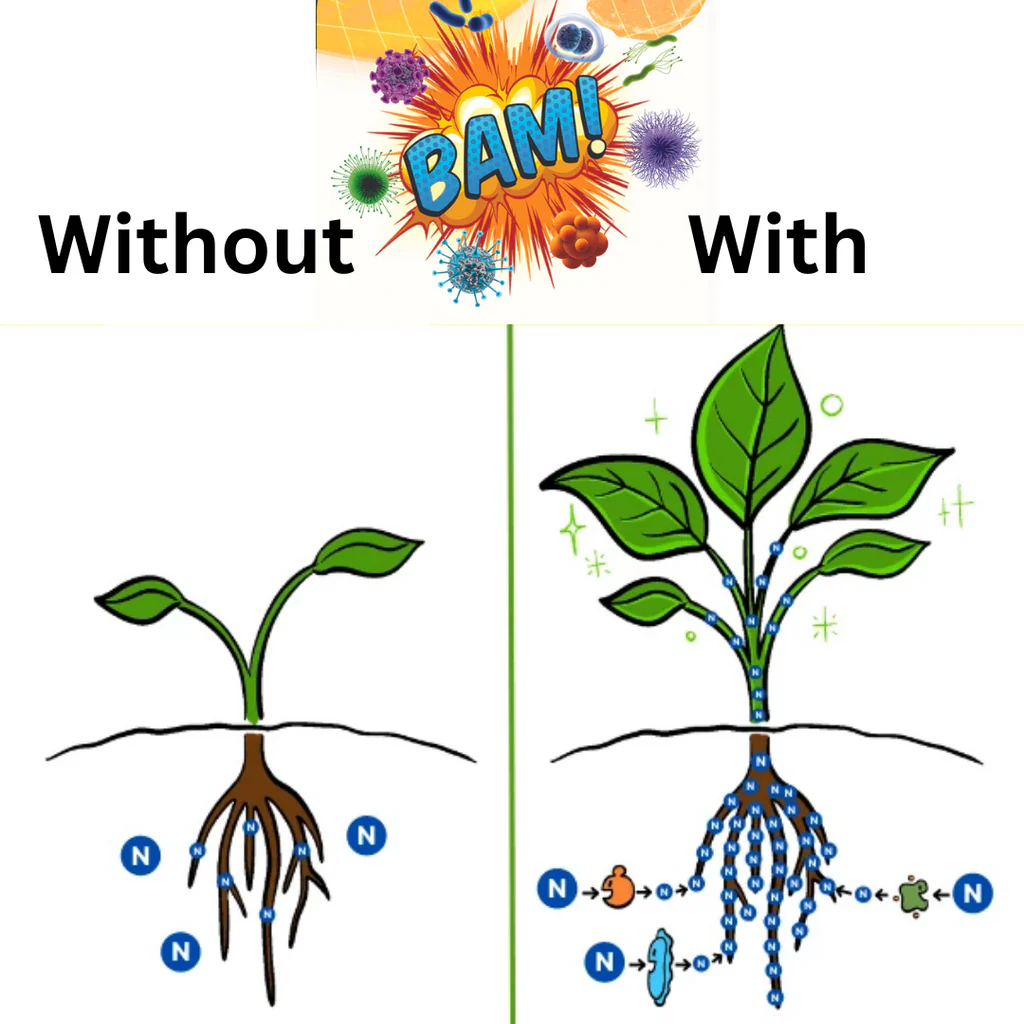
The biggest reason we still push mycorrhizae in 2026 is nutrient efficiency. Modern research has confirmed that mycorrhizal fungi can increase the absorptive surface area of a plant’s roots by up to 700 times.
Think about that for a second. If your roots are the "straws" through which your plant drinks, adding mycorrhizae turns those straws into a massive, city-wide pipeline network.
Unlocking Bound Nutrients
In soil and even some hydroponic setups, certain nutrients like Phosphorus, Iron, and Zinc can become "locked" or bound to other elements, making them unavailable to the plant. Mycorrhizae produce specific enzymes that break these chemical bonds, mining the nutrients and delivering them directly to the root zone.
As the global supply of mined phosphorus becomes more constrained, being able to utilize every single drop of fertilizer in your medium isn't just environmentally friendly: it’s a financial necessity for the serious grower.
2. Climate Resilience and Drought Protection
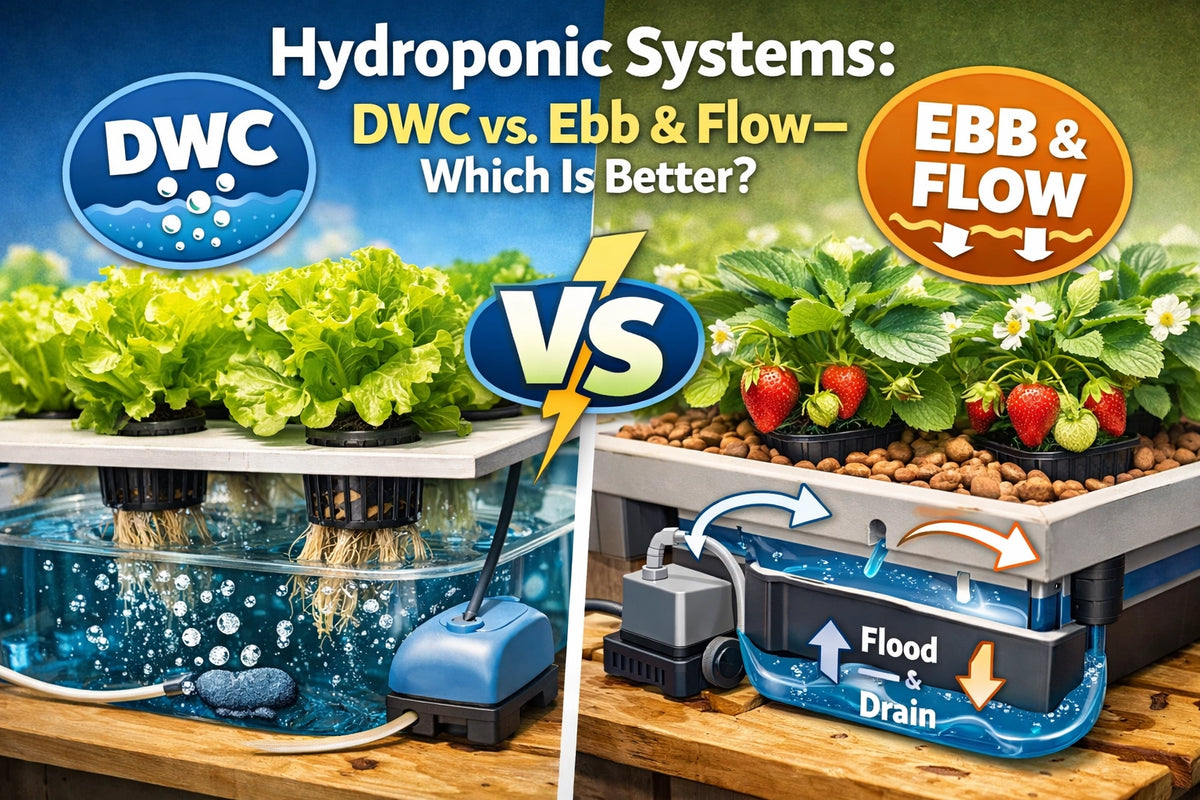
Even in a controlled grow tent, plants can face stress. Whether it’s an unexpected heatwave or a pump failure in your Ebb & Flow system, plants need a buffer.
Mycorrhizal hyphae are much thinner than even the smallest root hairs. This allows them to penetrate microscopic pores in the soil or growing medium that roots simply cannot reach. This network acts as a secondary water reservoir. Studies have shown that colonized plants can tolerate significantly longer periods of drought stress because the fungi are still finding moisture in the tiniest crevices of the medium.
 Visual Suggestion: A microscopic cross-section illustration showing thin fungal hyphae reaching into soil pores that thick plant roots cannot access.
3. The Living Shield: Natural Disease Suppression
In 2026, we are seeing a major shift away from harsh chemical pesticides and fungicides. Growers want clean, organic harvests, especially when growing for personal health.
Mycorrhizae act as a biological "security detail" for your roots. By colonizing the root surface, they physically block out pathogens like Pythium (root rot) and Fusarium. It’s a game of real estate: if the "good" fungi are already living there and eating the available food, the "bad" fungi have nowhere to land. Furthermore, these beneficial fungi can trigger the plant’s own systemic acquired resistance (SAR), essentially "priming" the plant's immune system to fight off pests and diseases before they even arrive.
4. Building Better Soil Structure (Glomalin)
For the organic soil growers, mycorrhizae are the architects of your soil. They produce a sticky protein called glomalin. This substance acts like a biological glue, binding tiny soil particles into aggregates.
Why does this matter?
- Improved Aeration: Better soil structure means more oxygen reaching the roots.
- Reduced Compaction: The soil stays fluffy, allowing for easier root penetration.
- Carbon Sequestration: Glomalin is one of the most important ways carbon is stored in the earth, making your indoor garden part of the climate solution.
How to Successfully Implement Mycorrhizae in 2026
If you’re ready to get started, you can't just toss some dust on a plant and hope for the best. There’s a right way and a wrong way to use these microbes.
Step 1: Direct Contact is Key
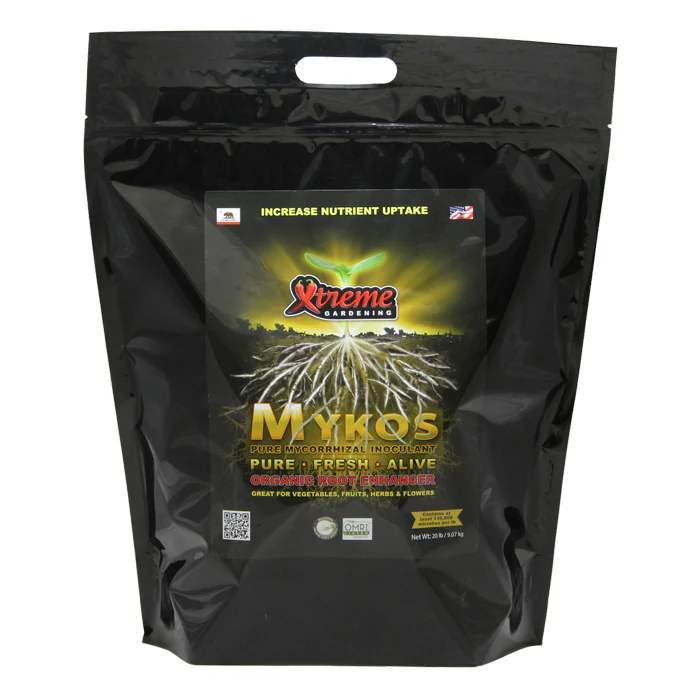
The fungi need to touch the roots to colonize. The best time to apply is during propagation or transplanting. When you move a seedling into its final pot, dust the root ball directly with a high-quality inoculant like Xtreme Gardening Mykos.
Step 2: Feed the Microbes
Remember, these are living organisms. To get them established quickly, you need to provide a food source. Simple carbohydrates like those found in RAW Cane Molasses are like rocket fuel for beneficial fungi.

Step 3: Watch Your Phosphorus Levels
A common mistake is using a high-phosphorus "bloom booster" immediately after inoculating. If the plant has an abundance of easy-to-reach phosphorus, it might decide it doesn't "need" the fungi and will refuse to let them colonize. Keep your P-levels moderate during the first two weeks of application to ensure a strong symbiotic bond.
Mycorrhizae in Hydroponics: The Final Frontier
One of the biggest misconceptions we still hear in 2026 is that mycorrhizae are "only for soil." This is simply not true. While it’s true that some species of fungi struggle in highly oxygenated, fast-moving water, many modern strains are specifically bred for hydroponic systems.
In hydro, these fungi help stabilize the root zone against pH swings and nutrient toxicities. We often recommend a comprehensive Nutrient and Microbial Inoculant Kit to ensure you have a balanced ecosystem of bacteria and fungi working together.
Common Pitfalls to Avoid
Even with the best products, things can go wrong. Here are a few "Caution" points to keep in mind:
- Chlorinated Water: If you are using tap water, the chlorine or chloramine used by the city to kill bacteria will also kill your expensive mycorrhizae. Always use a dechlorinator or a filter system before watering in your microbes.
- Fungicides: It sounds obvious, but don't use a synthetic fungicide while trying to grow a beneficial fungus. If you have a major disease outbreak and must use a fungicide, you will need to re-inoculate your beneficials afterward.
- Shelf Life: These are living spores. Keep your bags sealed tightly and store them in a cool, dry place. Using a three-year-old bag of Mykos that’s been sitting in a hot garage won't give you the results you’re looking for.
Summary: The Future is Fungal
As we move further into 2026, the focus of the gardening world is shifting from "how much salt-based nutrient can I cram into this plant?" to "how can I create a self-sustaining biological engine?"
Mycorrhizae are the heart of that engine. They reduce your costs, protect your plants from your mistakes, and significantly improve the quality of your harvest. Whether you are running a massive Kind LED setup or a simple herb garden on your windowsill, these fungi are your best friends.
If you're not sure which inoculant is right for your specific setup: whether it's DWC, Coco, or living soil: check out our Grow Help section or drop us a message. We’ve spent years testing these products so you don't have to.
Happy growing, and let those roots run wild!

Leave a comment
This site is protected by hCaptcha and the hCaptcha Privacy Policy and Terms of Service apply.